Choose heart rate monitors by sensor type, workout fit, accuracy, ANT+/Bluetooth compatibility, comfort, zones and medical caveats.
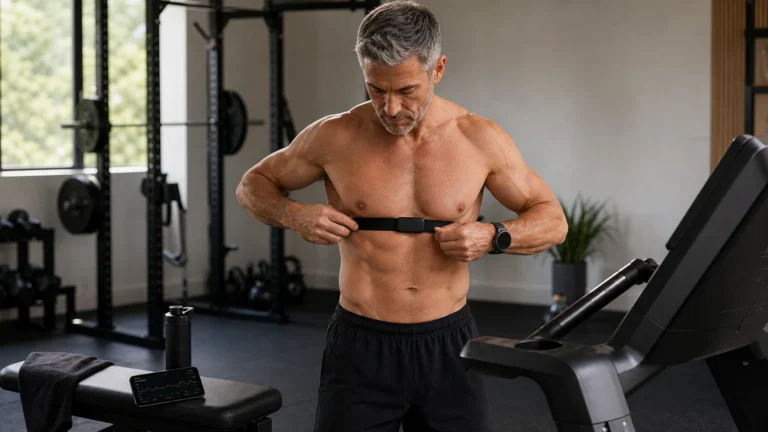
- Choose chest straps for hard intervals and cleaner fast-change data.
- Use arm bands or watches when comfort, daily trends, or steady cardio matter more.
- Check ANT+, Bluetooth, battery, strap care, app compatibility, and medical caveats.
Bottom line The right heart rate monitor is the one that solves your real data problem without pretending to be a medical device.
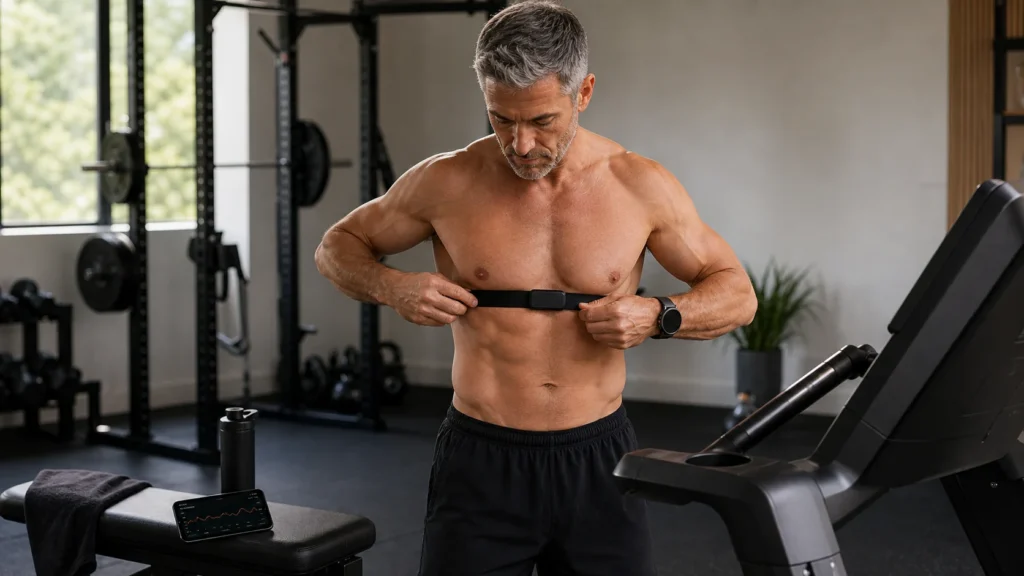
Heart rate monitors are training tools, not medical devices. The best choice is not the one with the most metrics; it is the monitor that gives reliable enough data for the workout you repeat most.
Quick Summary: heart rate monitors
- Choose a chest strap for hard intervals, cycling, rowing, and cleaner zone data.
- Choose an optical arm band when comfort matters and wrist readings are unstable.
- Use a smartwatch for daily trends, walking, sleep, and easy sessions, not as the interval benchmark.
- Check ANT+, Bluetooth, multi-device pairing, battery, strap care, and app compatibility before buying.
- If medication, symptoms, or a heart condition are involved, do not use generic zones as a personal prescription.
The Prime Perspective
Heart-rate data is useful when it changes a decision: slow down on easy days, hold a steady Zone 2 ride, separate recovery from intervals, or stop trusting a wrist sensor that drops out during hard work.
It is not useful when it becomes another screen to chase. For men who train with treadmills, exercise bikes, rowing machines, elliptical trainers, or outdoor cardio, the monitor has to match the session, the device ecosystem, and the kind of error you are trying to remove.
How we chose these heart rate monitors
This is an editor-researched buying guide, not a fake lab test. We evaluated each monitor by sensor type, workout fit, signal reliability, comfort, Bluetooth/ANT+ compatibility, battery model, ownership friction, app ecosystem, and whether the device solves a recurring training problem.
Sensor type
ECG chest strap, optical arm band, wrist PPG, or manual check each answers a different use case.
Training fit
Intervals, Zone 2, running, cycling, rowing, lifting, and swimming create different accuracy problems.
Trust boundary
We recommend training tools, not medical diagnostic devices or guaranteed health interpretations.
PrimeForMen follows the standards in our editorial policy. Google’s guidance on helpful content also favors original, useful analysis over thin product lists.
Amazon.com picks
Heart Rate Monitor Product Shortlist by Use Case
These are direct product CTAs with verified Amazon image URLs. Use them as a shortlist after checking sensor type, connectivity, app compatibility, battery, strap sizing, water rating, and return policy.
Disclosure: This guide includes Amazon affiliate links. PrimeForMen may earn a commission if you buy through them at no extra cost to you. Recommendations are based on workout fit, sensor type, comfort, compatibility, maintenance, and practical training value.

Benchmark chest strap
Polar H10 Heart Rate Monitor
Best when hard intervals, treadmill tests, rowing, cycling, or HRV readings need cleaner data than a wrist sensor usually gives.
- ECG chest-strap format is the right first comparison point for interval accuracy.
- Bluetooth and ANT+ support make it useful across phones, watches, bike computers, and apps.
- Buy it if data reliability matters more than maximum comfort.

Garmin ecosystem pick
Garmin HRM 600
Best for Garmin users who want heart rate, HRV context, running dynamics, and dedicated strap data inside Garmin training workflows.
- Strong fit if your watch, app, and training history already live in Garmin Connect.
- Running dynamics and stand-alone recording matter more for runners than casual walkers.
- Skip it if you only need a simple phone-connected Zone 2 monitor.

Comfortable optical arm band
Polar Verity Sense
Best when you hate chest straps but still want a more stable sensor position than the wrist for steady cardio and gym sessions.
- Arm placement can reduce wrist-sensor problems from grip, flexion, and watch movement.
- Useful for elliptical, bike, treadmill, and strength-circuit sessions where comfort matters.
- Still optical PPG, so expect more lag risk than a chest strap during hard surges.

Cycling and Zwift-friendly strap
Wahoo TRACKR Heart Rate Monitor
Best when you train with cycling apps, indoor trainers, bike computers, or multi-device Bluetooth/ANT+ setups.
- Good fit for riders who care about Zwift, Wahoo, bike-computer, and trainer compatibility.
- Rechargeable design avoids coin-cell swaps but adds charging discipline.
- Choose it when connectivity matters as much as the sensor itself.

Comfort armband alternative
COROS Heart Rate Monitor
Best for runners or gym users who want an easy arm sensor with auto-wear behavior and less chest-strap friction.
- Works well as a comfort-first alternative for steady running, gym work, and mixed sessions.
- Bluetooth-only buyers should confirm their watch, app, or device pairing plan first.
- Choose it for comfort and simplicity, not as the cleanest possible interval sensor.
* As an Amazon Associate, PrimeForMen earns from qualifying purchases.
Chest strap vs arm band vs watch
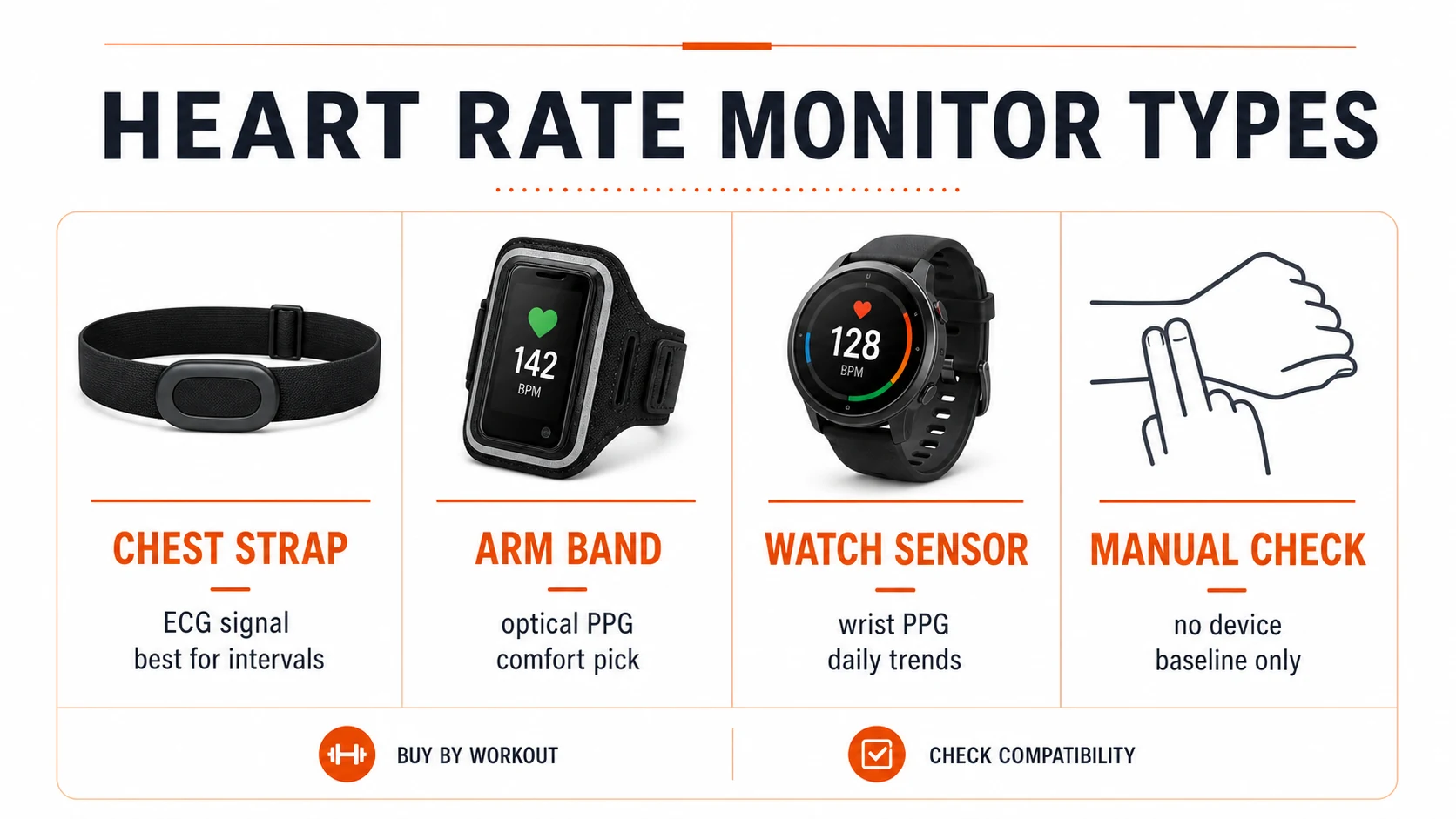
Heart rate monitors disagree because they do not all measure the same way. Chest straps typically detect electrical activity near the heart. Wrist and arm sensors use optical light-based measurement to estimate blood-flow changes.
| Device type | Measurement | Best for | Weakness | Buy when |
|---|---|---|---|---|
| Chest strap | ECG-style electrical signal | HIIT, intervals, cycling, rowing, HRV checks | Comfort, chafing, strap care | You need cleaner fast-change data. |
| Optical arm band | PPG optical reading on arm | Steady cardio, gym circuits, comfort-first training | More lag risk than chest straps | Wrist data is poor but chest straps annoy you. |
| Smartwatch | Wrist PPG | Daily trends, walking, sleep, easy cardio | Movement, fit, tattoos, cold, grip, lag | Convenience matters more than interval precision. |
| Manual pulse check | Finger pulse estimate | Zero-cost baseline, quick sanity check | No live data, no zones, no app pairing | You only need a rough check. |
ECG vs PPG: why accuracy changes
ECG-style chest straps are closest to the heart’s electrical activity, while PPG sensors estimate pulse through optical blood-flow changes. That difference matters most during fast intervals, cold starts, heavy arm movement, poor contact, loose fit, tattoos, sweat, and rowing or lifting sessions where the wrist flexes hard.
Heart rate zones for men over 40
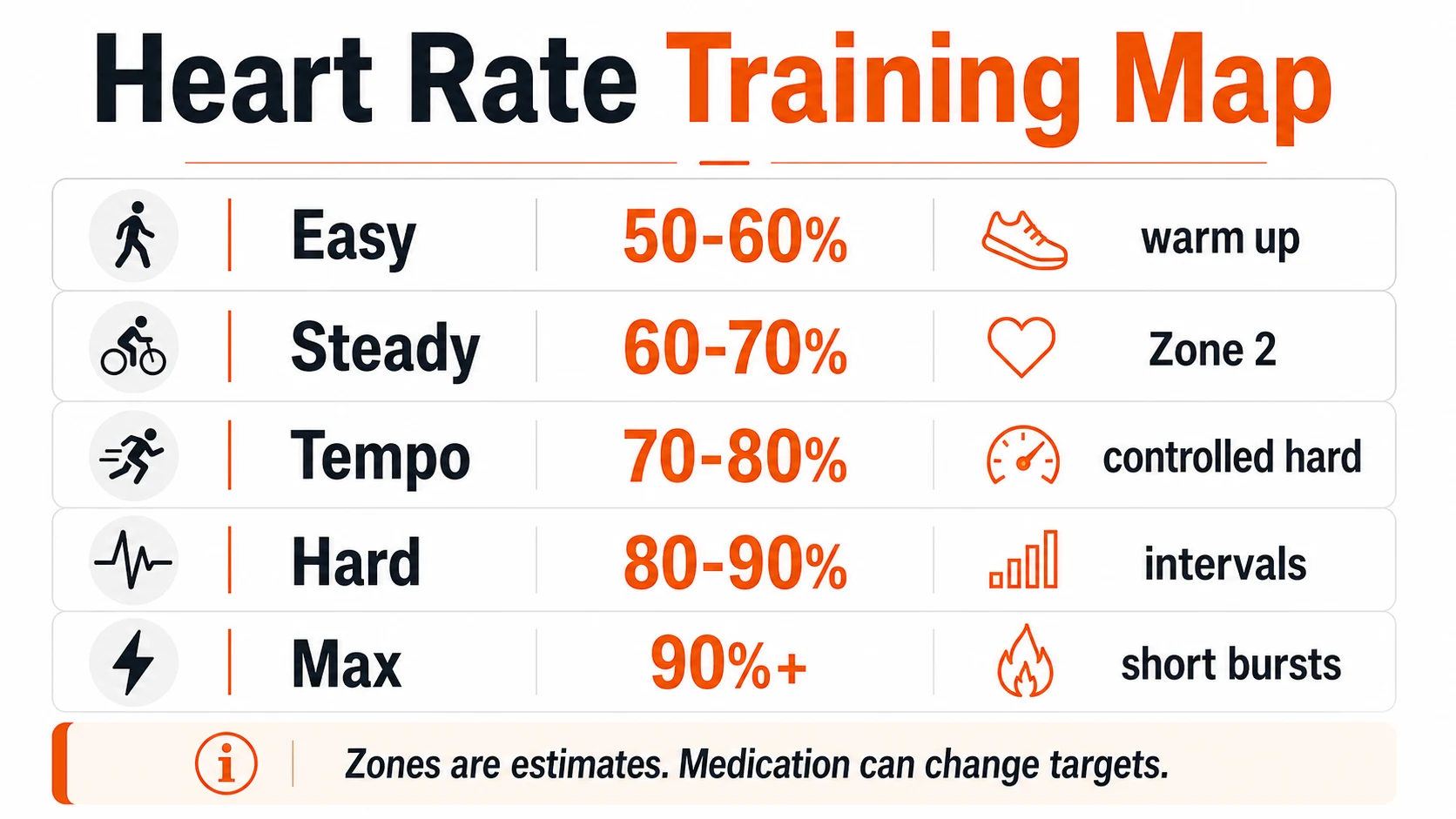
The American Heart Association target-heart-rate chart frames moderate activity around 50-70% of estimated max heart rate and vigorous activity around 70-85%. Treat these as rough training estimates, not medical prescriptions.
| Age | Estimated max | Moderate 50-70% | Vigorous 70-85% | Use it for |
|---|---|---|---|---|
| 40 | 180 bpm | 90-126 bpm | 126-153 bpm | Baseline zone planning |
| 45 | 175 bpm | 88-123 bpm | 123-149 bpm | Steady cardio checks |
| 50 | 170 bpm | 85-119 bpm | 119-145 bpm | Zone 2 guardrails |
| 55 | 165 bpm | 83-116 bpm | 116-140 bpm | Conservative progression |
| 60 | 160 bpm | 80-112 bpm | 112-136 bpm | Medical-context caution |
| 65 | 155 bpm | 78-109 bpm | 109-132 bpm | Easy-day pacing |
ANT+ vs Bluetooth before you buy
Compatibility is a buying decision, not a footnote. Polar H10, Polar Verity Sense, Garmin HRM 600, Wahoo TRACKR, and COROS Heart Rate Monitor all live inside different product ecosystems and pairing expectations.
| Need | What to check | Why it matters |
|---|---|---|
| Phone app only | Bluetooth support | Usually enough for simple app-based cardio tracking. |
| Watch plus app | Dual Bluetooth or multi-device support | One connection may not be enough for watch plus phone. |
| Bike computer or trainer | ANT+ support | Common in cycling, indoor trainer, and multi-device setups. |
| Zwift or Peloton-style setup | Accepted connection type | Pairing failures usually come from protocol mismatch. |
| Garmin ecosystem | Garmin watch compatibility | Running dynamics and HRV features may require specific pairings. |
| Swimming | Water rating and offline memory | Live transmission and stored data vary by product. |
Best monitor by workout
| Workout | Best starting point | Why | Internal guide |
|---|---|---|---|
| Treadmill intervals | Chest strap | Fast changes expose wrist lag. | treadmill interval training |
| Zone 2 bike ride | Chest strap or arm band | Steady effort rewards comfort and stable pairing. | cycling-specific training |
| Rowing | Chest strap or arm band | Wrist flexion and handle grip can disrupt watches. | rowing machines |
| Elliptical cardio | Arm band or chest strap | Steady rhythm makes comfort important. | elliptical trainers |
| Running | Chest strap for intervals, watch for easy runs | The harder the session, the more accuracy matters. | training for runners |
| Strength circuits | Arm band | Chest straps can shift; watches can misread gripping. | home cardio exercises |
Troubleshooting bad heart rate data
Sudden spikes
Check dry electrodes, loose strap contact, low battery, cold skin, or a bad first few minutes.
Dropouts
Reduce Bluetooth conflicts, pair one device at a time, tighten fit, and test away from crowded device environments.
Lag
Use a chest strap for hard intervals if optical sensors consistently trail behind effort changes.
Do not confuse training noise with health certainty. If heart-rate behavior comes with chest pain, faintness, dizziness, unusual breathlessness, or other concerning symptoms, stop the session and seek appropriate medical guidance.
Common buying mistakes
Buying the most metrics
HRV, running dynamics, and recovery scores are useful only if they change your training decisions.
Ignoring compatibility
Bluetooth, ANT+, Garmin, Wahoo, Zwift, Peloton, Strava, and TrainingPeaks workflows should be checked before checkout.
Treating zones as diagnosis
Zones guide training; they do not diagnose cardiovascular status or medication effects.
For broader context, connect heart-rate data with cardio workouts, cardio and cortisol, overtraining symptoms, rest and recovery, and electrolytes for athletes.
Conclusion: buy the monitor that solves your data problem
If you need cleaner interval and zone data, start with a chest strap. If chest straps annoy you but wrist data is poor, compare optical arm bands. If convenience and daily trends matter more than hard-session precision, a smartwatch may be enough.
The right heart rate monitor should make training easier to pace, easier to repeat, and easier to review. It should not become a medical interpretation machine or another reason to chase random numbers.
FAQ
Is a chest strap more accurate than a smartwatch?
For hard intervals and fast intensity changes, a chest strap is usually the cleaner training tool because it reads electrical activity near the heart. A smartwatch can be fine for daily trends, walks, and easy cardio, but wrist PPG is more sensitive to fit, movement, cold starts, and contact problems.
Is an arm band more accurate than a wrist sensor?
Often, yes. An optical arm band still uses PPG, but the upper or forearm position can be more stable than the wrist during gripping, rowing, cycling, and gym work. It is a comfort compromise, not a full replacement for an ECG chest strap.
What is the best heart rate monitor for Zone 2 training?
For Zone 2, comfort and repeatability matter. A chest strap gives cleaner data, but an arm band may be easier to wear for long steady sessions. A watch can work if the reading is stable and you do not see obvious lag or dropouts.
Do I need ANT+ or Bluetooth?
Use Bluetooth if you mainly pair with one phone app or watch. Choose ANT+ or multi-device Bluetooth if you use bike computers, indoor trainers, Zwift, Peloton-style setups, or want a watch and app connected at the same time.
Can I use a heart rate monitor with Zwift or Peloton?
Usually yes if the monitor supports the connection method your setup accepts. Check Bluetooth, ANT+, and the number of simultaneous connections before buying. Cycling and indoor-trainer users should verify compatibility before assuming any strap will pair cleanly.
Why does my watch show a different heart rate than my chest strap?
They may be measuring differently. Chest straps typically detect electrical signals, while watches estimate blood-flow changes optically. Wrist movement, loose fit, cold skin, sweat, tattoos, and rapid intervals can all create differences.
Why does my heart rate monitor spike or drop out?
Common causes include poor strap contact, a dry chest strap, low battery, loose armband fit, optical sensor movement, cold skin, Bluetooth interference, or pairing with the wrong device. Wet the electrodes, tighten fit, check battery, and test one connection at a time.
Can chest hair affect a heart rate strap?
It can if it prevents consistent electrode contact. Wetting the strap, tightening fit, and positioning the sensor correctly often help. If chest straps remain uncomfortable or unreliable, an optical arm band may be the practical compromise.
Can tattoos affect optical heart rate sensors?
They can. Optical sensors estimate heart rate through light-based readings, and dark ink, dense tattoos, sensor placement, and skin contact can interfere. If readings are unstable over tattooed areas, move the sensor or use a chest strap.
Can beta blockers affect heart-rate zones?
Yes. Beta blockers and some cardiovascular conditions can change heart-rate response. If medication or a heart condition is involved, do not use generic age-based zones as a personal prescription. Ask a qualified clinician for target guidance.
Is HRV accurate from a chest strap?
A good chest strap can be useful for HRV when the protocol is consistent, but HRV is still a trend metric. Measure under repeatable conditions and do not treat one reading as a diagnosis, readiness guarantee, or medical decision.
Can I swim with a heart rate monitor?
Only if the specific device, strap, and storage mode support your swim use case. Water rating, offline memory, watch pairing, and pool/open-water behavior differ by product. Check the product documentation before buying for swimming.
How often should I wash or replace the strap?
Rinse after sweaty sessions and follow the product instructions for washing. Replace the strap when readings become inconsistent despite good battery, fit, and pairing, or when the elastic, electrodes, or snaps show wear.
Medical Disclaimer: This article is educational and does not replace medical advice. A heart rate monitor is a training tool, not a diagnostic device. If you have chest pain, fainting, dizziness, unusual shortness of breath, known cardiovascular disease, arrhythmia concerns, or medication that affects heart rate, speak with a qualified clinician before using heart-rate targets to guide training.
Affiliate Disclosure: This article contains Amazon affiliate links. PrimeForMen may earn from qualifying purchases. We use sponsored link attributes in line with Google outbound-link guidance and keep product recommendations editorial. Product structured-data decisions are checked against Google product structured-data guidance.