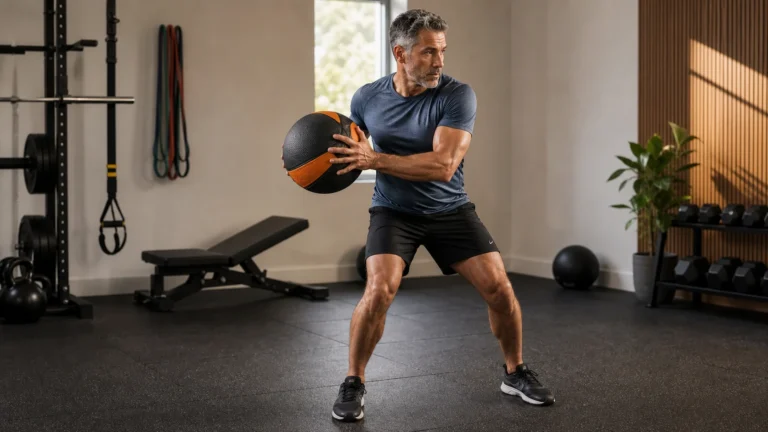
Choose medicine balls, slam balls, wall balls and heavy balls by movement, weight, bounce, grip, surface safety and repeatable workouts.
- Choose medicine balls, slam balls, wall balls, or heavy balls by movement first.
- Start lighter than your ego wants; fast clean reps beat slow heavy throws.
- Check bounce, grip, surface safety, wall clearance, ceiling height, and storage.
Bottom line The best medicine ball is the one that matches the throw, surface, and weight you can repeat safely.
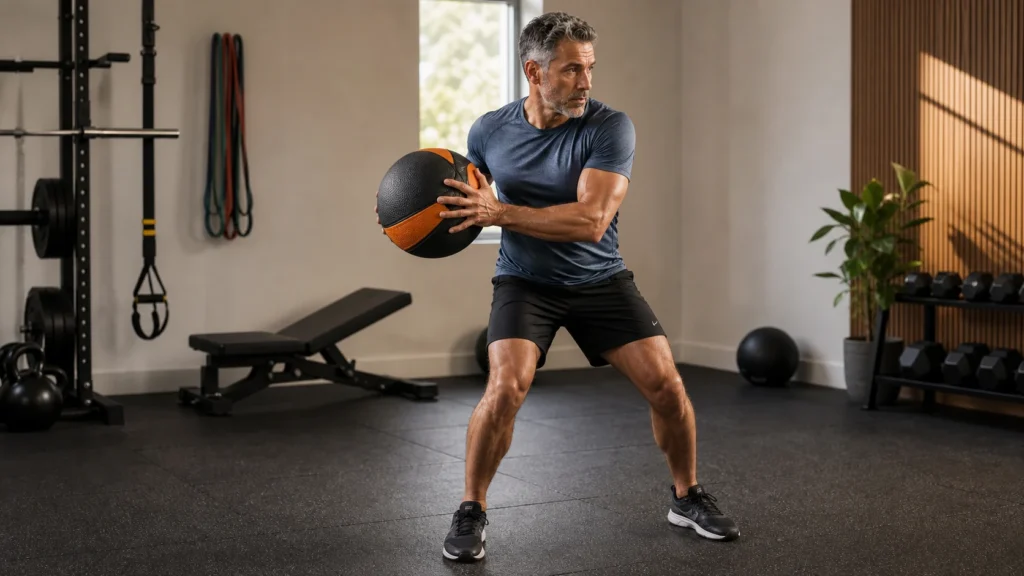
Medicine balls are useful when you choose the right ball for the right movement. A rubber medicine ball, a soft wall ball, a dead-bounce slam ball, and a heavy carry ball may look similar online, but they solve different training problems.
Quick Summary: Medicine balls
- Buy by movement first: throws, wall balls, slams, carries, partner passes, or core control.
- Start lighter than your ego wants; fast clean reps beat slow heavy reps for power work.
- Check bounce, grip, shell, seams, diameter, floor surface, wall target, ceiling height, and storage.
- Use slam balls for floor impact, wall balls for targets, and rubber medicine balls for throws and core drills.
- Good medicine-ball training supports strength, conditioning, and mobility; it does not replace a full plan.
The Prime Perspective
The best medicine ball is not the heaviest one you can lift. It is the ball you can move quickly, control safely, and use for the workout you repeat.
That matters because medicine balls sit between core training, functional fitness, and practical home-gym equipment. If you buy a wall ball for slams, a bouncy medicine ball for apartment floor impact, or a ball that is too heavy for fast throws, the problem is not motivation. The tool does not match the job.
How we chose these medicine balls
This is an editorial buying guide, not a fake hands-on test. We selected product examples by movement fit, visible Amazon availability, verified product image URLs, durability signals, grip design, bounce behavior, surface safety, and home-gym practicality.
Movement fit
Each card is tied to a real use case: throws, wall balls, slams, or conditioning.
Surface fit
We separate rebound, dead bounce, soft catch, wall target, and floor-impact decisions.
Review honesty
We call these researched product CTAs, not lab-tested ratings or invented rankings.
This follows the same practical standard as our fitness gear and equipment guides and our public editorial policy. Google also stresses people-first usefulness in its guidance on helpful content.
Amazon.com picks
Medicine Ball Product Shortlist by Use Case
These are direct product CTAs with verified Amazon image URLs. Compare current weight options, price, shipping, warranty signals, reviews with photos, and return rules before buying.
Disclosure: This section includes Amazon affiliate links. If you buy through them, PrimeForMen may earn a commission at no extra cost to you. We use rel="sponsored nofollow" on paid links, consistent with Google outbound-link guidance and FTC disclosure principles.

Premium wall-ball style pick
Dynamax Elite Soft-Shell Medicine Ball
Best when you want a soft catch, target work, squat-to-throw conditioning, and a premium gym-style ball.
- Soft-shell design fits wall-ball shots, catches, and high-rep conditioning better than floor slams.
- A strong benchmark if you want a higher-end medicine ball instead of a bargain-only option.
- Check weight options, shell feel, seams, and target space before buying.

Rubber medicine ball
Champion Sports Rhino Elite Medicine Ball
Best for rotational throws, partner passes, core drills, and classic medicine-ball work where some rebound is useful.
- Textured rubber gives better grip for chest passes, rotations, and controlled throws.
- Use it for core and power work, not repeated high-impact floor slams.
- Compare diameter and bounce so it matches your hands, wall, and training space.
Slam-ball option
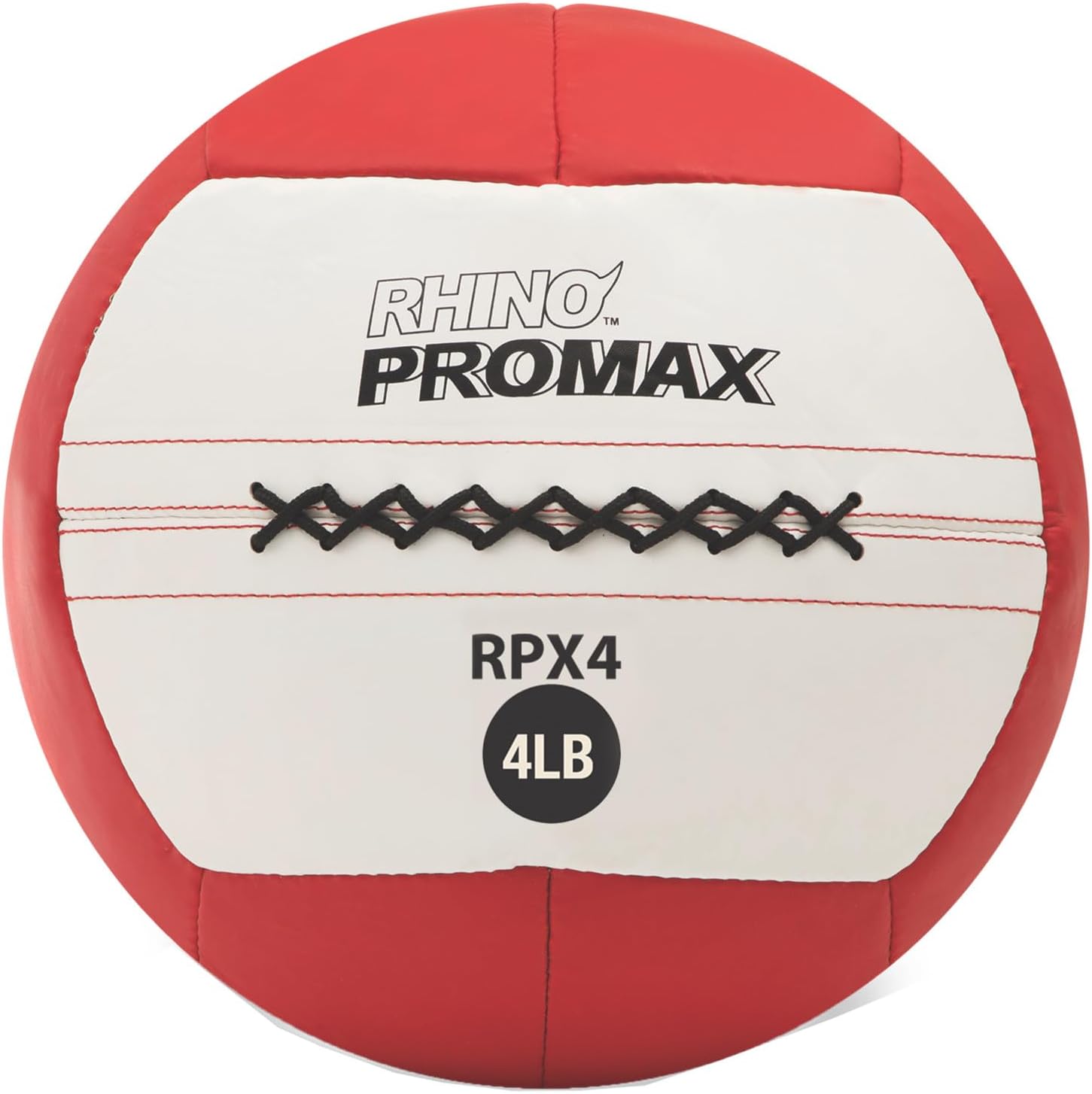
Champion Sports Rhino Promax Slam Ball
Best when floor slams, high-output finishers, and dead-bounce conditioning are the main reason you are buying.
- Use for slams where low rebound is safer and more predictable than a bouncy rubber ball.
- The treaded shell helps sweaty hands during conditioning circuits.
- Still check floor surface, neighbors, ceiling clearance, and return policy.

Value wall-ball pick
Yes4All Wall Ball
Best for wall balls, squat-to-throw reps, and home conditioning when you want a soft weighted ball at a lower price point.
- Useful for wall targets and catchable conditioning rather than hard floor impact.
- Choose weight by rep quality; wall balls get ugly fast when too heavy.
- Check seams, shell softness, and whether your wall can handle repeated targets.

Budget slam-ball pick
Yes4All Slam Ball
Best when you want a simple dead-bounce slam ball for circuits, short finishers, and home-gym power work.
- A practical entry point for overhead slams, rotational slams, and short conditioning blocks.
- Buy lighter if the ball slows down or your spine rounds during repeated reps.
- Do not expect it to behave like a wall ball or partner-pass medicine ball.
* As an Amazon Associate, PrimeForMen earns from qualifying purchases.
Medicine ball vs slam ball vs wall ball
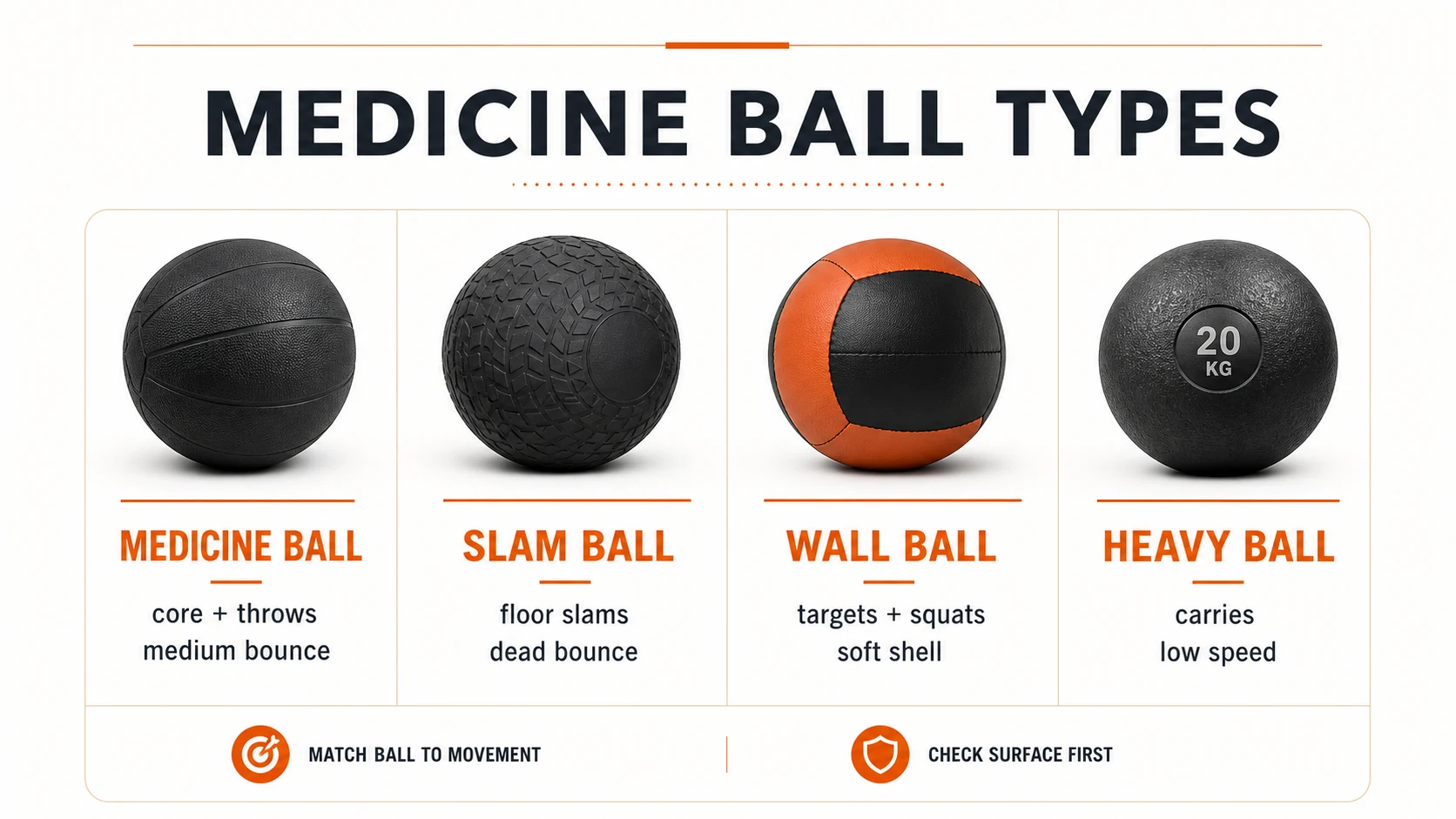
This is the main buying decision. A medicine ball may bounce. A wall ball is built for a softer catch. A slam ball is built for floor impact with less rebound. A heavy ball is closer to a carry tool than a fast power tool.
| Ball type | Best for | Not ideal for | What to check |
|---|---|---|---|
| Rubber medicine ball | Rotational throws, chest passes, partner work, core drills | Repeated hard floor slams | Bounce, grip texture, diameter, wall control |
| Slam ball | Overhead slams, rotational slams, conditioning finishers | Precise wall-ball reps or partner passes | Dead bounce, shell, valve, grip, floor surface |
| Soft wall ball | Wall-ball shots, squat-to-throw reps, high-rep conditioning | Hard floor slams and small core drills | Seams, softness, target height, ceiling clearance |
| Heavy D-ball or strongman ball | Bear-hug carries, shouldering, strength circuits | Fast power throws | Weight, diameter, storage, grip, back position |
| Dual-handle ball | Chops, controlled rotations, beginner grip control | Free throws, partner passes, reactive catches | Handle comfort, wrist angle, movement choice |
What weight medicine ball should men use?
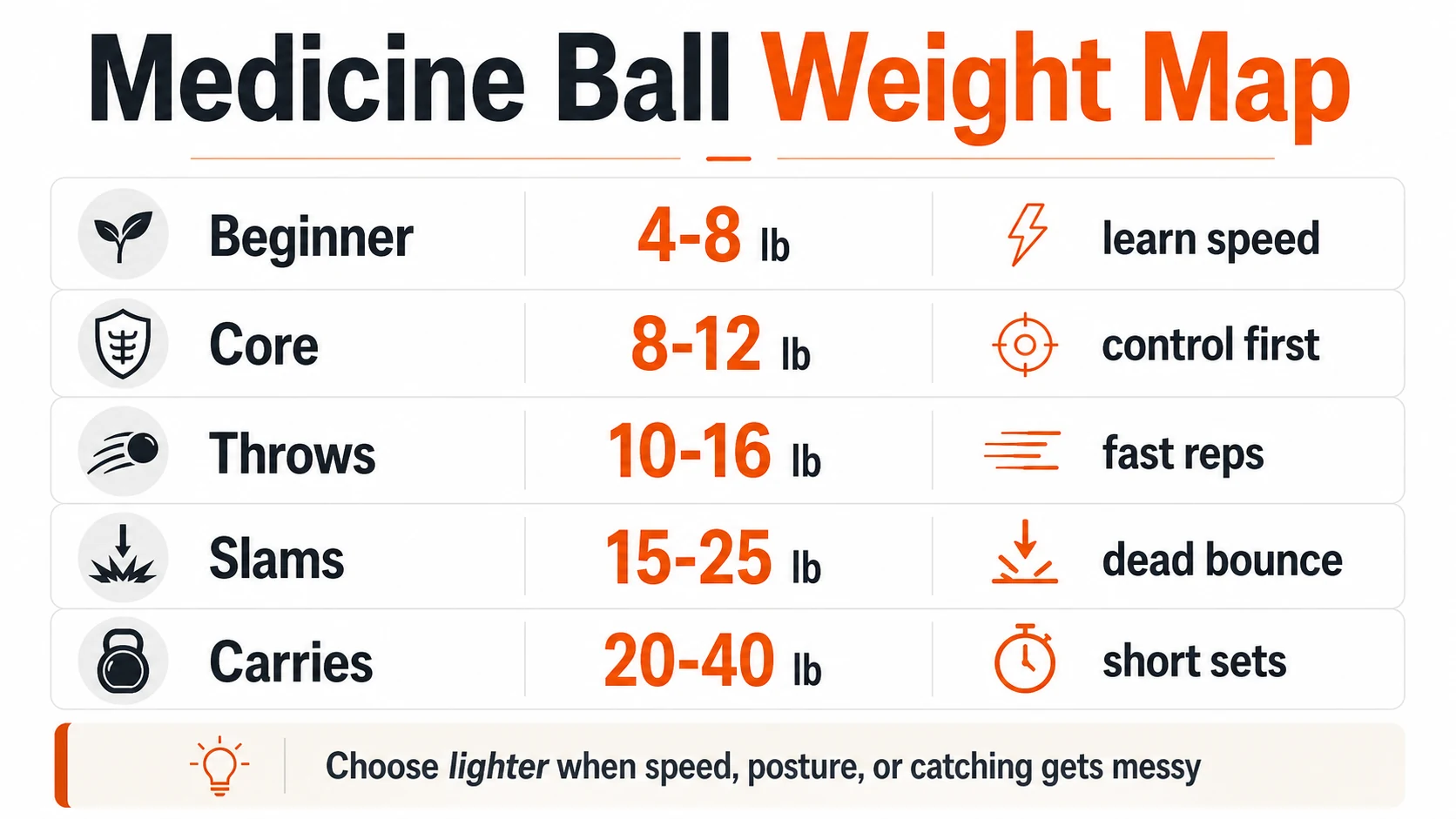
Start lighter than you want to. For power work, the ball should move fast. For conditioning, the ball should let you repeat clean reps. For carries, it can be heavier because speed is not the point.
| Goal | Medicine ball | Wall ball | Slam ball | Buying note |
|---|---|---|---|---|
| Beginner technique | 4-8 lb | 6-10 lb | 10-15 lb | Speed and control matter more than ego. |
| Core and rotations | 6-12 lb | Not first choice | 10-20 lb | The ball should not twist your posture out of position. |
| Wall-ball conditioning | Not ideal | 10-20 lb | Not ideal | Check catch comfort, target space, and ceiling height. |
| Slam conditioning | Not ideal | Not ideal | 15-30 lb | Dead bounce and floor safety decide the purchase. |
| Power throws | 6-12 lb | 10-16 lb | 10-25 lb | If every rep is slow, the ball is too heavy for power. |
| Strength-biased carries | 15-30 lb+ | Not ideal | 30-50 lb+ | This becomes loaded carry work, not crisp power training. |
Medicine ball exercises by ball type
The ACE exercise library includes medicine-ball movements such as throws, slams, rotational work, and trunk rotations. The key is pairing each movement with the right ball and surface.
| Training goal | Best ball | Good exercises | Progression |
|---|---|---|---|
| Rotational power | Rubber medicine ball | Rotational wall throw, scoop toss, shot-put throw | Increase speed before weight. |
| Core control | Medicine ball or soft ball | Dead bug pass, Russian twist, seated trunk rotation | Increase control, range, or pauses before load. |
| Conditioning finisher | Slam ball | Overhead slam, rotational slam, squat-to-slam | Add rounds before heavier balls. |
| Wall-ball conditioning | Soft wall ball | Squat-to-wall throw, wall-ball shot | Raise reps or target only after clean catches. |
| Loaded carry work | Heavy slam ball or D-ball | Bear-hug carry, shoulder carry, short intervals | Increase distance before weight. |
| Partner drills | Rubber medicine ball | Chest pass, rotational pass, overhead pass | Add distance and tempo gradually. |
For a complete plan, pair medicine-ball work with strength training basics, core workouts with equipment, and sensible progressive overload.
Safety: bounce, floor, wall, ceiling, and neighbors
A weighted ball is simple, but the environment is not. Before buying, ask where the ball will land, what it will hit, how much it rebounds, and who will hear it.
Floor
Use rubber flooring for slams. Avoid tile, thin laminate, fragile surfaces, and shared-floor apartments.
Wall
Wall balls need a safe target, enough clearance, and a surface that can tolerate repeated contact.
Body
If your spine rounds, shoulders shrug, knees collapse, or catches get chaotic, reduce weight or reps.
The ACSM resistance-training update reinforces that resistance training can use varied tools, including nontraditional setups, but load and progression still matter. The CDC adult activity guidance also keeps strength work in the weekly baseline, which is a useful reminder: medicine balls should support a balanced program, not replace one.
Beginner medicine ball workout
Use this as a short add-on, not a punishment finisher. Two rounds is enough at first. Rest as needed, and stop the set before form falls apart.
| Exercise | Ball | Reps or time | Coaching cue |
|---|---|---|---|
| Medicine ball chest pass | Rubber medicine ball | 6-8 reps | Throw fast, catch soft, reset posture. |
| Rotational wall throw | Rubber medicine ball | 5 per side | Rotate through hips, not just arms. |
| Overhead slam | Slam ball | 6-10 reps | Use a dead-bounce ball and safe flooring. |
| Wall-ball shot | Soft wall ball | 6-10 reps | Squat cleanly, throw to a realistic target. |
| Bear-hug carry | Heavy ball | 20-40 seconds | Brace ribs down and walk tall. |
If you want more conditioning variety, compare kettlebell complexes, resistance bands, and adjustable dumbbells. Each tool solves a different problem.
Common buying mistakes
Buying one ball for everything
No single ball is perfect for wall targets, partner passes, floor slams, and heavy carries.
Going too heavy
Heavy can be useful for carries, but it ruins power throws when the ball moves slowly.
Ignoring your room
Wall, ceiling, flooring, neighbors, and storage decide whether the ball gets used.
For tighter budgets, use fitness on a budget first. If your main goal is home setup planning, start with home gym equipment before adding specialty tools.
Conclusion: choose the ball for the workout you repeat
Medicine balls work best when the ball, movement, and training space agree. Choose a rubber medicine ball for throws and core drills, a wall ball for targets and catchable conditioning, a slam ball for dead-bounce floor impact, and a heavy ball for carries.
If the decision feels unclear, buy the lightest ball that supports your main workout cleanly. You can always add a heavier or more specialized ball later.
FAQ
What weight medicine ball should men start with?
Most men should start lighter than expected: often 4-8 lb for learning, 8-12 lb for core work, 10-16 lb for fast throws, 15-25 lb for slams, and heavier only for carries. If speed, posture, or catching gets messy, choose a lighter ball.
What is the difference between a medicine ball and a slam ball?
A classic medicine ball is usually better for throws, partner passes, core drills, and controlled rebound work. A slam ball is built for repeated floor impact and usually has less bounce. Do not use every weighted ball for every movement.
Is a wall ball the same as a medicine ball?
A wall ball is a softer, larger medicine-ball style tool made for wall targets, squat-to-throw reps, and catchable conditioning. It is not the right tool for hard floor slams.
Are medicine balls good for core workouts?
Yes, when the load stays light enough to control. Rotational throws, dead bug passes, trunk rotations, carries, and anti-rotation drills can all train the core, but speed and posture matter more than using a heavy ball.
Can men over 40 use medicine balls safely?
Many can, but the starting point should be conservative. Use lighter balls, controlled reps, good flooring, and short sessions first. Avoid high-volume slams or aggressive throws if your shoulders, back, knees, or balance are not ready.
What is the best slam ball for a home gym?
The best slam ball for a home gym has a dead-bounce design, a grippy shell, a weight you can move fast, and a floor surface that can handle impact. For most home users, a 15-25 lb slam ball is a better starting point than a very heavy ball.
Can you slam a regular medicine ball?
Usually no. Many regular rubber medicine balls bounce and are not built for repeated hard floor impact. If floor slams are the main exercise, choose a slam ball designed for low rebound and impact work.
How high should a wall ball target be?
Use a target height you can hit with clean squats, safe catches, and consistent posture. Competitive settings often use higher targets, but home training should start lower if ceiling height, shoulders, or catching control are limiting factors.
Does medicine ball diameter or warranty matter?
Yes. Diameter affects grip, catches, storage, and whether the ball feels awkward in your hands. Warranty and durability signals matter because seams, valves, shell material, and repeated impact are where cheaper balls usually fail first.
Medical Disclaimer: This article is educational and does not replace medical advice. If you have pain, dizziness, recent surgery, balance concerns, or a medical condition, speak with a qualified professional before changing your training.
Affiliate Disclosure: This article contains Amazon affiliate links. PrimeForMen may earn from qualifying purchases. Product recommendations are editorial and should be checked against your body, room, floor surface, wall target, budget, return policy, and current availability. We reviewed Google guidance on qualified outbound links and product structured data plus the FTC Endorsement Guides at 16 CFR Part 255.