A practical 12-minute core workout, weekly fat-loss plan, progression rules, and an honest explanation of why spot reduction does not work.
- Core training strengthens and stabilizes the trunk but cannot target belly fat.
- Use two or three short core sessions inside a full-body fat-loss plan.
- Calorie control, walking, strength work, and cardio carry more fat-loss leverage.
Bottom line Train your core to improve the rest of your program, but put calorie control, daily movement, and full-body strength ahead of extra ab volume.
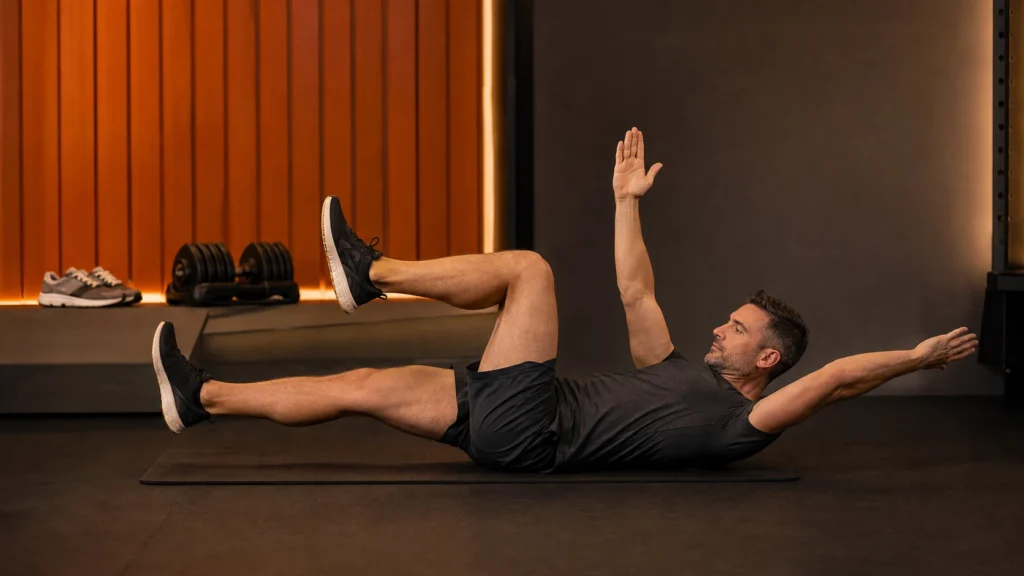
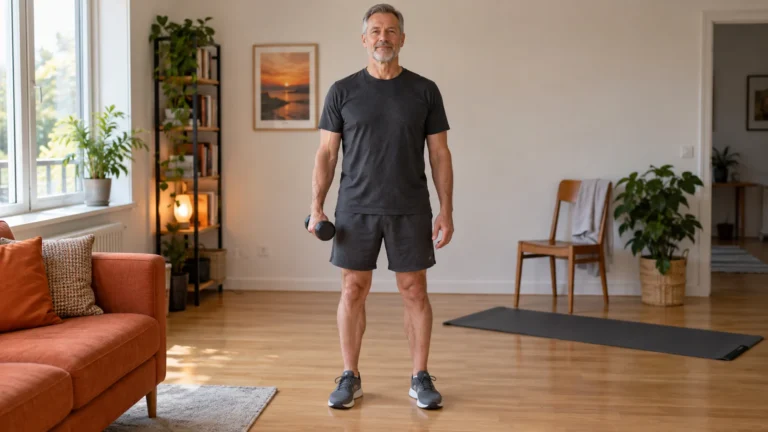
Core workouts can support weight loss by improving strength, training quality, and consistency, but they cannot selectively burn belly fat. Use two or three short core sessions inside a plan built around calorie control, daily movement, full-body strength work, and cardio.
Core workouts for weight loss are useful when they make the rest of your training better. They help you brace, transfer force, and maintain position during squats, carries, running, and everyday movement. What they do not do is force your body to remove fat from the waist because the muscles underneath are working.
Quick Summary: Core Workouts for Weight Loss
- Abdominal exercise strengthens the core but does not choose where body fat comes off.
- Most of the fat-loss effect comes from the overall energy balance and a sustainable activity plan.
- Combine two or three core sessions with full-body strength training, cardio, and regular walking.
- Progress exercise difficulty or control instead of adding hundreds of rushed repetitions.
- Measure waist and performance trends over weeks, not the temporary burn after a workout.
Why Core Exercise Cannot Target Belly Fat
Your abdominal muscles use energy when they contract, but the body does not have to pull that energy from the fat directly above them. Fat loss occurs across the body according to overall energy balance, genetics, hormones, and time. A harder ab workout can make the muscles stronger without producing a visibly leaner waist if body fat does not change.
This is why a useful program separates two goals. Train the core to improve strength and control. Create fat loss through nutrition, movement, and a repeatable weekly workload. If you want a broader starting point, use the principles in strength training basics rather than treating ab work as a standalone solution.
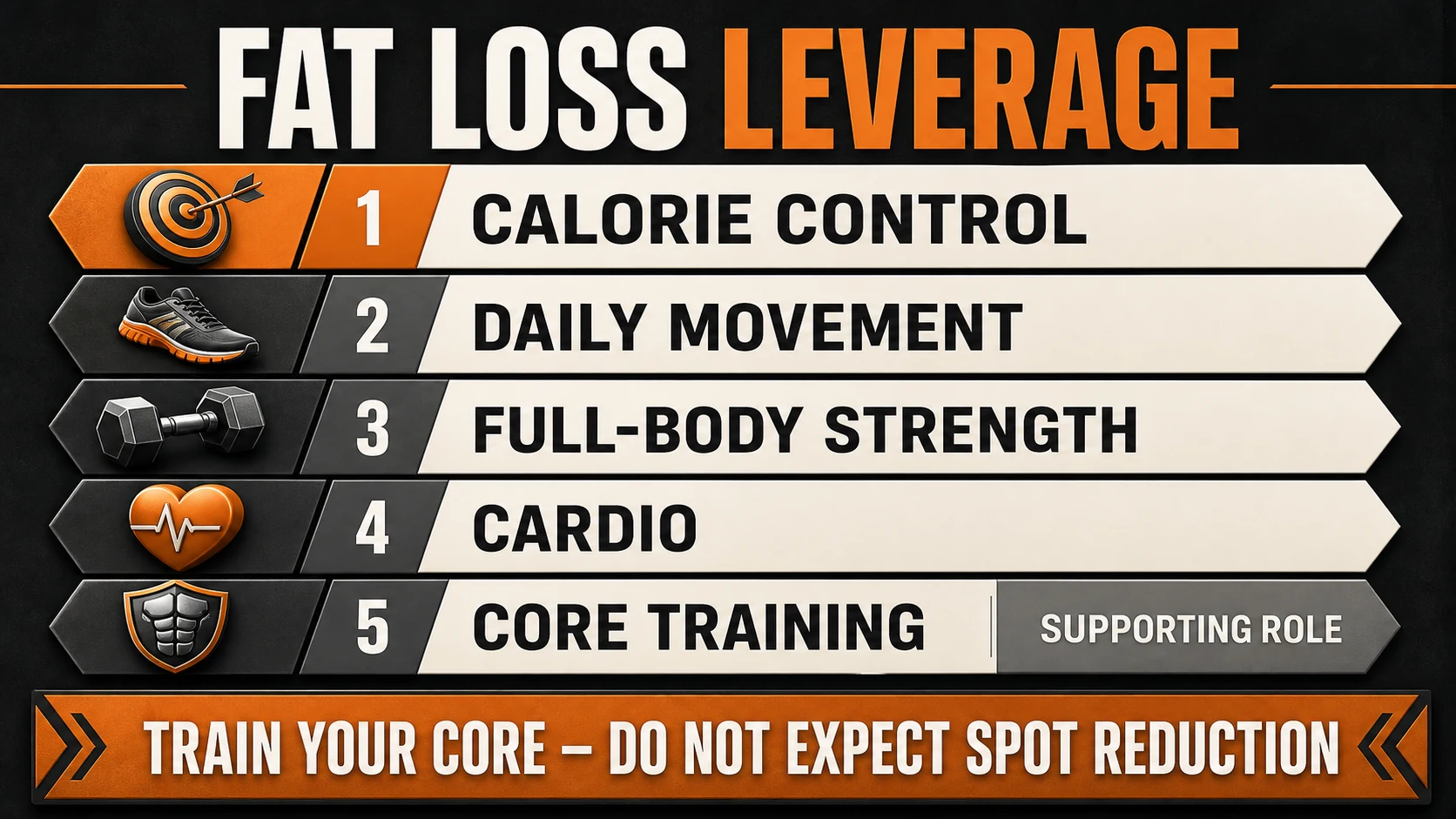
The Five Fat-Loss Levers in Practical Order
1. Calorie control
A modest, sustainable calorie deficit drives weight loss. Extreme restriction often damages training quality and adherence.
2. Daily movement
Walking and ordinary activity can add meaningful weekly energy use without the recovery cost of another hard workout.
3. Full-body strength
Progressive resistance training helps preserve or build muscle while weight changes and gives you measurable performance targets.
4. Cardio
Moderate or vigorous aerobic work improves fitness and increases total activity. Start with a dose your joints and schedule can support.
5. Core training
Core work improves bracing and exercise control. It earns a place in the program, but it is a supporting role rather than the main calorie driver.
The CDC explains that physical activity works with reduced calorie intake to create the deficit required for weight loss, while most weight loss usually comes from lowering calorie intake. Federal guidance recommends building toward 150–300 minutes of moderate aerobic activity per week plus muscle-strengthening work on two days. Those are population-level targets, not a requirement to jump from zero to a full schedule immediately. See the current guidance from the CDC and ODPHP.
A 12-Minute Core Workout That Fits a Fat-Loss Plan
Complete three rounds. Work with controlled repetitions and rest as needed; this is not a race. Choose the easier version when you cannot breathe normally or maintain position.
| Movement | Work | Easier option | Progression | Stop the set when |
|---|---|---|---|---|
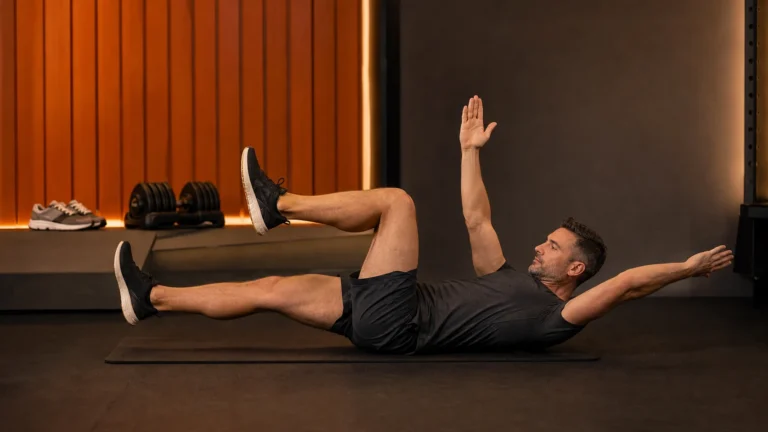
| Dead bug | 6–10 per side | Heel taps | Longer lever or pause | Lower back arches |
| Side plank | 20–35 sec per side | Knees bent | Top-leg lift | Hips drop or shoulder hurts |
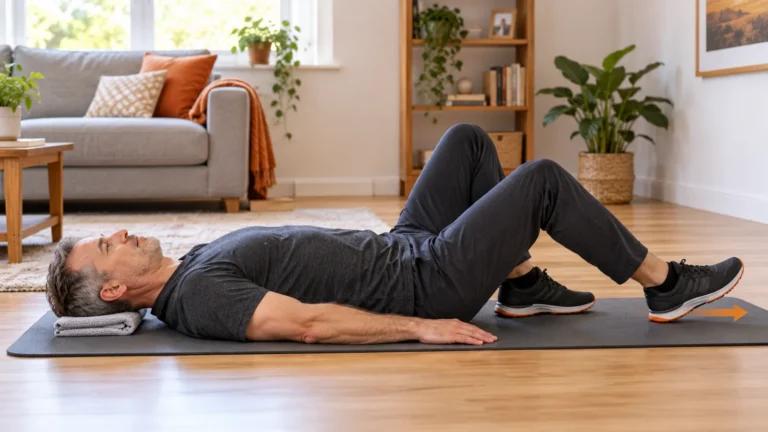
| Bridge march | 8–12 per side | Two-leg bridge | Long-lever march | Pelvis rocks |
| Bird dog | 6–10 per side | Move one limb | Elbow-to-knee return | Torso rotates |
| Mountain climber | 20–30 sec | Elevated slow march | Faster controlled cadence | Hips bounce or breathing becomes uncontrolled |
For more detailed position coaching, use the four-week core stability plan. If equipment and floor space are limited, the no-equipment full-body program shows how to place core work inside a balanced session.
Your Weekly Fat-Loss Training Structure
- Monday: full-body strength plus 8–12 minutes of core work.
- Tuesday: 25–40 minutes of brisk walking or moderate cardio.
- Wednesday: full-body strength with a different core pairing.
- Thursday: walking, mobility, or an active recovery workout.
- Friday: full-body strength plus the 12-minute routine.
- Weekend: one longer easy activity and one flexible recovery day.
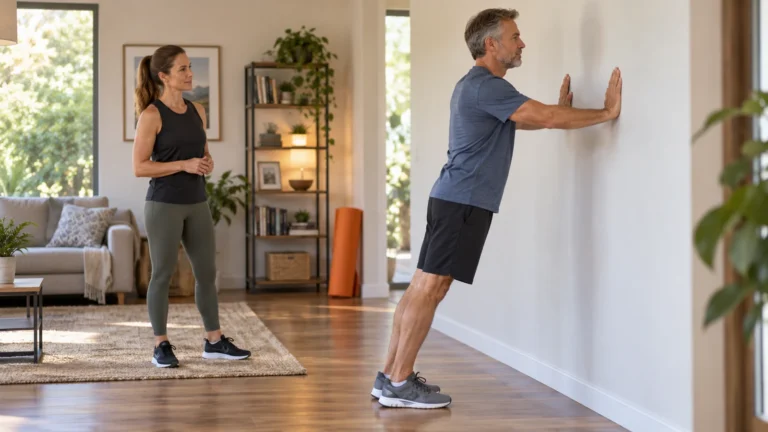
This schedule is a framework, not a test of toughness. Beginners can start with two strength days, two walks, and two short core blocks. Experienced trainees may add volume, but only when sleep, performance, and joint tolerance remain stable.
How to Progress Without Turning Core Work Into Cardio
Progress one variable at a time: add one or two clean repetitions, extend a hold by five seconds, lengthen the lever, add a pause, or move to a controlled unilateral version. Do not increase range, speed, difficulty, and volume in the same week.
When the goal is conditioning, use actual cardio workouts rather than rushing technical core exercises. A fast circuit can raise heart rate, but poor bracing and uncontrolled spinal motion are not useful markers of fat-loss effectiveness.
How to Measure Whether the Plan Is Working
- Use a weekly average of body weight instead of reacting to one morning.
- Measure waist circumference under similar conditions every two to four weeks.
- Track strength and core-control progress so weight loss does not become the only success signal.
- Review daily steps or walking time for consistency, not perfection.
- Adjust one major variable at a time and allow enough time to see a trend.
Sleep, medications, medical conditions, stress, age, and hormonal factors can also affect weight management. The CDC recommends a specific, gradual plan and notes that steady loss is generally easier to maintain than rapid loss. If unexplained weight change, persistent fatigue, dizziness, pain, or disordered eating patterns are present, get individualized medical guidance rather than increasing exercise blindly.
Frequently Asked Questions
Do core workouts burn belly fat?
They strengthen and condition the muscles of the trunk, but they do not selectively remove the fat above those muscles. Overall fat loss requires a sustainable energy deficit.
How often should I train my core for weight loss?
Two or three short sessions per week are enough for most programs. Core training can be added after strength work or performed on a lighter day.
Are planks better than crunches for weight loss?
Neither exercise has a special fat-loss advantage. Planks emphasize bracing endurance; crunches train spinal flexion. Choose movements based on control, comfort, and training goals.
Should I do abs every day?
Daily practice is unnecessary. The core responds to training and recovery like other muscles. Short low-fatigue technique work can be frequent, but challenging sessions still need recovery.
What exercise burns the most belly fat?
No exercise targets belly fat specifically. Use a combination of nutrition, regular movement, full-body strength training, and cardio that you can maintain.
Bottom Line
Use core workouts for weight loss to build a stronger, more capable training system—not as a shortcut to a smaller waist. Perform the 12-minute routine two or three times weekly, keep full-body strength and walking ahead of it in the priority order, and judge progress over several weeks.
Medical boundary: This article provides general fitness education and does not replace individualized medical, nutrition, or rehabilitation advice. Stop exercise that causes sharp, worsening, or unusual pain.