Build faster footwork with agility ladder drills for men: beginner drills, sport-specific exits, over-40 safety cues, and a 4-week plan.
- 8-15 minutes near the start of training.
- Pattern first, then speed, exit, and reaction.
- Loud feet, knee collapse, or sloppy posture.
Bottom line Keep the reps short. Keep the contacts quiet. Progress from pattern to speed to exits to reaction. That is how a simple ladder becomes useful instead of just another garage gadget.
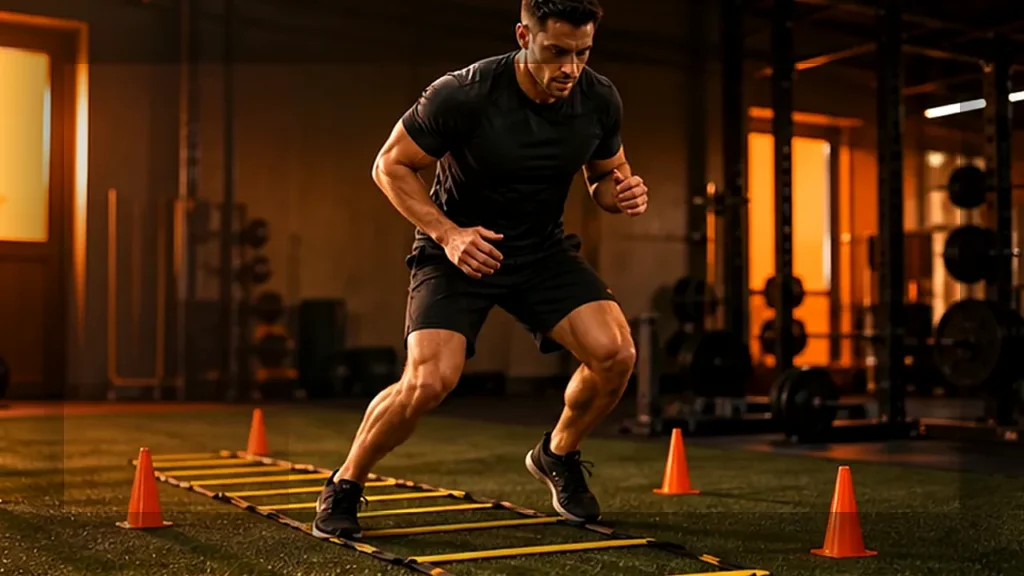
Agility ladder drills are useful as a short footwork primer, not as a complete speed program. Use them for clean rhythm, quiet contacts, and controlled exits, then connect the work to sprinting, cutting, strength, and reaction cues.
- Best use: 8-15 minutes near the start of training.
- Progression: pattern first, then speed, exit, and reaction.
- Stop point: loud feet, knee collapse, or sloppy posture.
Agility ladder drills for men work best when you use them as a short, precise footwork primer, not a stand-alone speed fix. In the first few minutes, the goal is simple: cleaner contacts, better rhythm, controlled hips, and exits that connect to sprinting or sport movement.
Quick Summary: Agility ladder drills for men
- Ladder drills improve foot speed, rhythm, proprioception, and neuromuscular coordination. They do not magically create game-speed agility by themselves.
- Use them early in a session, while fresh. Think 8-15 minutes, not a 45-minute sweat contest.
- Progress from clean patterns to faster passes, then to reactive cues and sport-specific exits.
- For real carryover, pair ladder work with plyometric training, sprinting, deceleration, and strength work.
- If your feet get loud, your eyes stay glued to the floor, or your knees cave in, slow down and fix the rep.
The Prime Perspective
I like the agility ladder for one reason: it exposes sloppy feet fast. You cannot hide heavy contacts, lazy arms, or poor rhythm when every square asks a question. But the ladder is not magic. It is a sharpener. The blade is still your strength, mobility, sprint mechanics, and ability to brake under control.
What Agility Ladder Drills Actually Train
Most men buy a speed ladder because they want to feel quicker. Fair. The ladder can help. It teaches rapid ground contacts, cleaner foot placement, lateral movement, and better coordination between the eyes, hips, arms, and ankles.
The problem is transfer. A memorized ladder pattern is planned movement. Sport is rarely planned. Real agility includes perception, reaction time, change of direction, and decision-making under pressure. The NSCA explains change-of-direction training as a progression from controlled drills toward more reactive, sport-specific demands. That is the missing layer in most ladder routines.
Foot Speed
Fast, light ground contacts without stomping. Useful for warm-ups, rhythm, and quick first-step preparation.
Coordination
Hands, hips, and feet working together. This matters when you cut, shuffle, turn, or recover position.
Reactive Agility
The higher level. Add a visual, verbal, or partner cue so the drill is not just choreography.
The Ladder Transfer Stack
Use the ladder to build the bottom layers first. If you jump straight into chaos, you only learn to move fast and messy.
Real Agility vs Ladder Footwork
A ladder pattern is planned. Sport is not. Real agility requires you to see or hear a cue, make a decision, brake, change direction, and accelerate again. That is why the best agility ladder drills do not end inside the ladder. They end with an exit: a sprint, shuffle, cut, backpedal, cone target, or partner call.
Myth: agility ladders make you fast by themselves. Not exactly. They can sharpen rhythm, coordination, foot placement, and quick ground contacts. But speed and sport transfer still need acceleration, deceleration, cutting mechanics, strength, and reactive agility.
| Training form | What it trains | What it misses |
|---|---|---|
| Agility ladder pattern | Foot rhythm, contact timing, coordination, and foot placement. | Open reaction, hard braking, and game decisions. |
| Cone drill | Change of direction, target angles, and planned cuts. | Reading an opponent or reacting to an unpredictable cue. |
| Sprint exit | Acceleration mechanics and first-step intent after the ladder. | Lateral decision-making unless a cue is added. |
| Deceleration drill | Braking, hip position, knee control, and reacceleration. | Foot rhythm alone. |
| Reactive drill | Cue recognition, decision quality, and movement choice. | Max strength and tissue capacity. |
| Strength training | Force capacity, tendon tolerance, and joint control. | Perception-action coupling and quick foot rhythm. |
The Coach’s Programming Rules
Do ladder work when your nervous system is fresh. That usually means after a general warm-up and before heavy lifting, hard conditioning, or sport practice. If you bury ladder drills at the end of a brutal session, you are mostly rehearsing tired footwork. If soccer is your main sport, place these drills inside the complete soccer conditioning plan so acceleration, repeat-sprint work, strength, and match recovery share one weekly load.
| Goal | Best Timing | Dose | Common Mistake |
|---|---|---|---|
| Warm-up primer | Before lifting, sprinting, or sport | 4-6 drills, 1-2 passes each | Going too fast before the pattern is clean |
| Footwork session | Separate short skill block | 8-12 total quality passes | Turning every drill into conditioning |
| Conditioning finisher | After skill work, rarely | 6-10 minutes, simple drills only | Using complex patterns while exhausted |
| Sport transfer | Before field/court work | Pattern plus sprint/cut/reactive cue | Never leaving the ladder square |
Agility Training Setup Kit
These are broad categories, not magic products. Buy the minimum gear that lets you train clean footwork, controlled exits, and repeatable sessions.
What gear do you actually need?
If you only buy two things, get a flat-rung agility ladder and a small set of cones. The ladder teaches rhythm and foot placement. The cones create exits, angles, targets, and sport transfer. Add speed hurdles later only if your contacts, calves, knees, and landings tolerate the extra bounce.
| Gear | Need level | What to check |
|---|---|---|
| Agility ladder | Core tool | Flat rungs, stable spacing, indoor/outdoor surface fit. |
| Training cones | Very useful | Soft, visible, stackable cones for exits and cut targets. |
| Speed hurdles | Optional | Low height first; not required for the first four weeks. |
| Phone tripod or timer | Useful | Film reps, compare clean pass time, and audit knee control. |
| Court or turf shoes | Context-dependent | Match traction to surface; avoid slipping and over-gripping. |
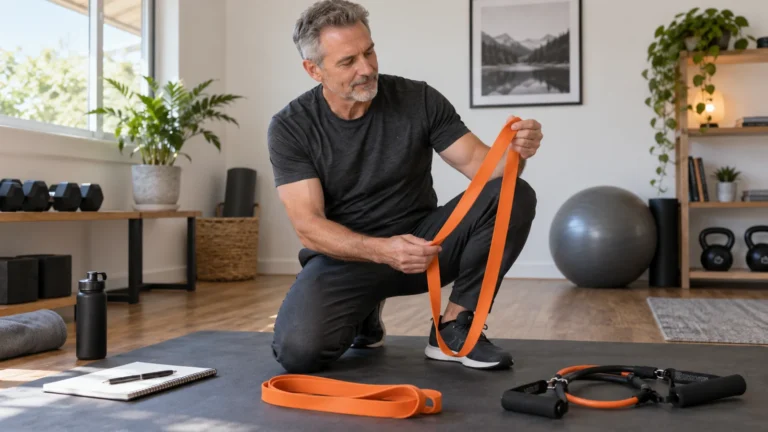
| Resistance band | Optional | Use for glute and hip warm-up before lateral drills. |

Agility Ladder
Best for rhythm, foot placement, and quick-contact practice before strength, sprint, or sport sessions.
- Flat rungs reduce trip risk
- Works indoors, on turf, or outside
- Makes progression easy to repeat

Speed Hurdles
Useful when you want more knee lift, stiffness, and sprint-prep rhythm after basic ladder patterns are clean.
- Better for power rhythm
- Pairs well with ladder exits
- Simple spacing options for progressions

Training Cones
The missing piece for real change-of-direction work after ladder drills because cones give you exits, angles, and targets.
- Clear deceleration targets
- Easy reactive cue drills
- Better sport-specific angles

Phone Tripod or Interval Timer
Useful if you want to film foot placement, compare clean rep speed, and catch knee collapse before it becomes a habit.
- Makes form review simple
- Helps track clean pass time
- Works for solo sessions

Court or Turf Shoes
Choose traction for the surface you train on. Too little grip causes slipping; too much grip can punish knees during cuts.
- Better control on cuts
- Surface-specific traction
- Useful for court or turf drills
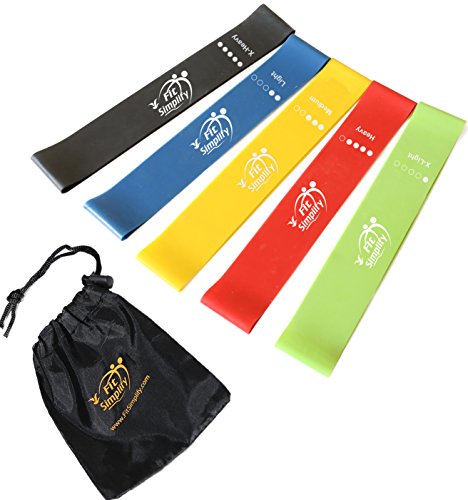
Resistance Bands
A small band is useful before lateral ladder drills when you need a quick glute, hip, and knee-control warm-up.
- Easy hip activation
- Simple warm-up add-on
- Packs into any gym bag
* As an Amazon Associate, PrimeForMen earns from qualifying purchases.
Beginner Agility Ladder Drills
Start here if you are new, returning from a layoff, or using the ladder as a warm-up. Your target is quiet feet, tall posture, and clean exits.
| Drill | How to do it | Best for | Coach cue |
|---|---|---|---|
| Two-Foot Run | Both feet touch inside each square before you move to the next one. | Rhythm, quick contacts, and warm-up foot speed. | Quick taps, not stomps. |
| One-In Run | One foot lands in each square as you move forward with sprint-style arms. | Acceleration rhythm for soccer, football, and field sports. | Punch the ground under your hips. |
| In-In-Out-Out | Step both feet inside the square, then both feet outside as you move forward. | Coordination, hip control, and court-sport footwork. | Keep the hips low and quiet. |
| Lateral Step | Move sideways through the ladder with both feet touching each square. | Basketball defense, tennis recovery steps, and pickleball movement. | Chest tall, do not cross your feet. |
| Ladder to 5-Yard Sprint | Finish a clean forward pass, then accelerate five yards out of the ladder. | Transfer from foot rhythm to first-step speed. | Leave the ladder like you mean it. |
Beginner regression and progression rules
- Regression: widen your stance, slow the pattern, or use every other square if you keep clipping rungs.
- Progression: add a sprint exit, cone target, or partner call only after the pattern stays quiet.
- When to stop: stop the set when contacts get loud, knees cave in, posture folds, or your eyes stay locked on the floor.
Video Demonstrations for the Main Drills
Use these short clips as visual references, then slow the drill down until your contacts are quiet and your posture stays controlled. The goal is clean rhythm first, speed second.
Two-Foot Run / Two-Step
Watch the basic two-foot rhythm before adding speed. Keep the taps light and avoid stomping through the ladder.
Lateral Shuffle
Use this for the sideways pattern. Hips stay low, chest stays tall, and the feet should not cross.
Icky Shuffle
Learn the three-step pattern slowly first. Add speed only when the sequence is automatic and your shoulders stay relaxed.
Reactive Exit
This shows why the ladder should feed into a cue, sprint, shuffle, or cut instead of ending as choreography.
External videos are included for demonstration only. Match the drill to your own training level and stop if your knees collapse inward, your contacts get loud, or your posture falls apart.
Intermediate and Advanced Progressions
Once the basics are clean, add complexity. The point is not to look fancy. The point is to keep posture, rhythm, and decision quality as speed rises.
| Drill | Level | Best for | Regression / progression |
|---|---|---|---|
| Icky Shuffle | Intermediate | Hip rhythm, in-out timing, and court-sport footwork. | Start slow with a verbal count; progress to a sprint exit. |
| Carioca Ladder | Intermediate | Rotational rhythm for tennis, soccer, baseball, and field sports. | Keep it low and controlled; skip it if hips or knees complain. |
| Lateral In-In-Out-Out | Intermediate | Frontal-plane control for basketball defense and tennis recovery. | Reduce speed first; progress with a cone cut. |
| Hopscotch Pattern | Intermediate | Ankle stiffness and low-level plyometric rhythm. | Use step patterns first; progress only if calves feel fresh next day. |
| Single-Leg Low-Hop | Advanced | Foot and ankle reactivity for well-conditioned athletes. | Use only if pain-free; stop on Achilles, calf, or knee warning signs. |
| Partner-Call Reactive Exit | Transfer | Reactive agility, cue recognition, and decision-making. | Start with two directions; progress to four cones or color calls. |
A 2022 review in BMC Sports Science, Medicine and Rehabilitation reinforces the point: change-of-direction performance is not one quality. Strength, power, technique, and perceptual decision-making all matter. Ladder work is one piece, not the whole system.
Skill vs. fatigue: ladder reps should sharpen clean rhythm, fast contact, and reactive exits. Stop when speed starts turning into loud, sloppy movement.
Best Agility Ladder Drills by Sport
Sport-specific ladder work should match the direction, stance, and exit you actually need. Use these pairings for search intent like basketball agility ladder drills, football ladder drills, tennis footwork ladder drills, and soccer agility drills without pretending the ladder is the whole sport.
| Sport | Best drill pairings | Transfer focus |
|---|---|---|
| Basketball | Lateral Step, In-In-Out-Out, Reactive Exit | Defensive slides, closeouts, hip control, and first-step reaction. |
| Tennis / pickleball | Lateral Shuffle, Split-Step Exit, Cone Cut | Recovery steps, side-to-side movement, and controlled first push. |
| Soccer | One-In Run, Icky Shuffle, Ladder-to-Sprint | Acceleration rhythm, reacceleration, and ball-free movement. |
| Football | Two-Foot Run, Lateral In-In-Out-Out, 5-Yard Exit | First step, shuffle mechanics, short burst, and controlled cut angle. |
| Baseball / softball | Carioca, Lateral Shuffle, Sprint Exit | Rotational rhythm, base-running prep, and lateral recovery. |
| Boxing / martial arts | In-In-Out-Out, Lateral Step, Reactive Exit | Stance control, foot rhythm, balance, and quick repositioning. |
Agility Ladder Drills Over 40: Progress Without Paying for It
If you are in your 40s or older, the goal is not to prove you can still move fast on day one. The goal is to earn speed with clean contacts, warm ankles, stable knees, and enough recovery between sessions.
- Warm up longer: use 5-8 minutes of marching, skipping, ankle bounces, calf raises, and easy lateral steps before fast patterns.
- Cut volume first: keep the first two weeks at two sessions unless your calves and Achilles feel fresh the next day.
- Reduce bounce when needed: choose step patterns before hop-heavy patterns if knees, feet, or Achilles tend to complain.
- Stop on form loss: loud feet, knee collapse, stumbling, or hesitation means the set is done.
| Risk signal | What it looks like | Adjustment |
|---|---|---|
| Achilles / calf overload | Morning stiffness, calf tightness, or pulling after ladder days. | Remove hops, cut contacts, and use step patterns for two weeks. |
| Knee valgus | The knee falls inward when you speed up or exit the ladder. | Slow down, shorten the set, and use wider steps before adding cuts. |
| Balance issue | You stumble, clip rungs, or stare at your feet every rep. | Use fewer squares, wider steps, and no reactive exits yet. |
| Low-back irritation | Rotation gets rushed or posture folds during carioca patterns. | Drop rotational drills and keep tall posture on basic patterns. |
| Foot pain | Plantar fascia, forefoot, or arch discomfort after high-contact work. | Use a forgiving surface and reduce total contacts before adding speed. |
| Cardio fatigue | Gasping, heavy feet, or sloppy contacts late in the set. | Rest longer and stop using the ladder as HIIT. |
Men over 40 should treat ladder work as coordination practice, not punishment. If your calves, Achilles, knees, or feet feel worse the next day, reduce contacts before adding speed.
How to Track Progress Without Sloppy Reps
Do not measure agility ladder progress only by speed. A faster but louder pass is not better. Track clean speed, quiet contacts, knee control, exit quality, and how your calves and Achilles feel the next day.
| Test | What to track | Why it matters |
|---|---|---|
| Clean Pass Time | Time one clean Two-Foot Run or One-In Run. | Simple baseline without forcing messy speed. |
| Noise Score | Rate contacts from 1 quiet to 5 loud. | Quiet contacts usually mean better control. |
| Knee Control Score | Rate whether knees stay stacked over feet. | Connects performance with injury-risk awareness. |
| 5-Yard Exit Time | Time the ladder plus a short sprint exit. | Tests transfer beyond choreography. |
| Reactive Accuracy | Count correct partner-call or cone-color reactions. | Measures decision quality, not memorized patterns. |
| Next-Day Readiness | Check calves, Achilles, knees, and feet the next morning. | Keeps progression realistic for men over 40. |
The 4-Week Agility Ladder Plan
Use this agility ladder workout plan two or three times per week. If you already do hard sprinting, jumping, or sport practice, start with two sessions. Men over 40 should be especially careful with volume spikes and calf/Achilles soreness. If recovery is the limiter, read our guide to muscle recovery techniques before adding more work.
| Week | Main Focus | Workout | Rest | Progression Rule |
|---|---|---|---|---|
| 1 | Pattern quality | 4 beginner drills, 2 passes each, 10-16 total passes | 45-60 sec between passes | Only speed up if feet stay quiet |
| 2 | Speed and rhythm | 5 drills, 2-3 passes each, add one lateral pattern | 45 sec between passes | Time one clean pass, then match it without louder feet |
| 3 | Exit mechanics | 4 drills, 2 passes each, plus a 5-yard sprint or shuffle exit | 60-75 sec between quality reps | Stick the finish under control before adding speed |
| 4 | Reactive transfer | 3 drills, 2-3 passes each, plus partner call, color cue, or cone direction | 60-90 sec so each rep stays sharp | React without guessing and stop before technique fades |
How to Pair Ladder Work With Real Training
If you want this to carry over, connect it to the rest of your program. Ladder drills pair well with functional fitness training, progressive overload, and sport-specific strength work. If you are newer to training, start with the broader beginner fitness for men framework first.
- Before lower-body strength: 6-8 minutes of simple ladder work as a nervous-system primer.
- Before field practice: 2 ladder patterns plus sprint or shuffle exits.
- On home training days: pair ladder work with bodyweight strength and mobility. For equipment planning, see home gym equipment for small spaces.
- For advanced athletes: connect ladder work to the broader advanced fitness techniques hub without piling on fatigue.
Your 24-Hour Action Plan
- Today: Pick three beginner drills and film one pass from the front. Watch for loud feet, knee collapse, and eyes locked down.
- Next session: Add one timed pass, but only count it if form stays clean.
- This week: Add one exit: sprint five yards, shuffle to a cone, or backpedal on a partner cue.
Common Mistakes That Kill Results
Too Much Volume
If you are gasping, your footwork quality is already gone. Ladder work is skill first.
No Strength Base
Quick feet without strong hips, calves, and legs will not fix weak cuts.
No Reactive Layer
If every pattern is memorized, you are training choreography more than sport agility.
Conclusion
Agility ladder drills work when you use them for the right job. They sharpen foot speed, rhythm, proprioception, and coordination. They do not replace strength, sprinting, braking, or reactive sport practice.
Keep the reps short. Keep the contacts quiet. Progress from pattern to speed to exits to reaction. That is how a simple ladder becomes useful instead of just another garage gadget.
Frequently Asked Questions About Agility Ladder Drills
Do agility ladder drills actually make you faster?
They can make your feet quicker and your movement cleaner, especially in short spaces. For top-end speed, you still need sprint mechanics, strength, and enough recovery.
How often should men do agility ladder drills?
Two to three short sessions per week is enough for most men. Start with 8-12 minutes and increase only if your calves, knees, and Achilles tolerate the work.
Are agility ladder drills good cardio?
They can raise your heart rate, but using them only as cardio usually ruins technique. Treat them as speed and coordination work first.
What is the best agility ladder drill for beginners?
The two-foot run is the best starting point. It teaches rhythm, posture, arm action, and light ground contact without too much complexity.
Can older men use agility ladder drills safely?
Yes, if they start slow, keep volume modest, and avoid painful cutting or bouncing. Men with balance issues, joint pain, or recent injuries should get professional guidance first.
What is the difference between foot speed and real agility?
Foot speed is how quickly you can move your feet through a planned pattern. Real agility adds a cue, a decision, braking, a change of direction, and reacceleration. Ladder drills help the first layer, but transfer improves when you add exits, cones, and reaction calls.
Which sports benefit most from agility ladder drills?
Basketball, tennis, pickleball, soccer, football, baseball, and martial arts can all use ladder drills as a short footwork primer. The sport transfer depends on the exit: a sprint, lateral shuffle, cone cut, backpedal, split-step, or partner call.
How should men over 40 progress agility ladder drills?
Start with two short sessions per week, mostly step patterns, and watch next-day calf, Achilles, knee, and foot feedback. Add speed, hops, and reactive exits only after quiet contacts and stable knees are repeatable.
How do you know if ladder drills are working?
Track clean pass time, contact noise, knee control, 5-yard exit quality, reaction accuracy, and next-day readiness. If speed improves but contacts get loud or recovery gets worse, the progression is too aggressive.
This article is for educational purposes only and is not a substitute for medical advice from your physician or another qualified health professional.
Some links may be affiliate links. If you buy through them, PrimeForMen may earn a commission at no extra cost to you.