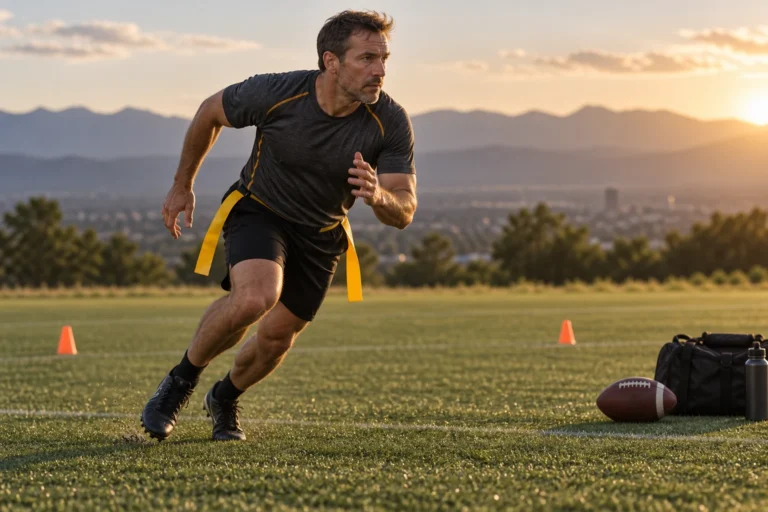
Football-Specific Workouts | Strength, Speed and a Usable Weekly Plan
Build an American football training week with two strength sessions, gradual speed work and practical recovery adjustments.

On Primeformen we explain Sports performance in a plain way: what it is, why it matters, and how to apply it without wasting time. Train movements consistently, track load progression, and prioritize form before adding extra stress.
Use deliberate increments and avoid changing too many variables in one block. This tag helps frame where to build your base first and where to specialize later. For men, adaptation depends as much on recovery discipline as on total session volume.
Search intent match: practical direction, what to do first, and how to stay consistent. How to start: define a baseline, choose one measurable target, and commit to a 3 to 4 week review.
Best for: men building a system they can keep, not just a one-week challenge. On Primeformen this topic is designed to be answerable, implementable, and connected to your real constraints. This keyword is used at Primeformen to connect sports performance with practical workouts, safe progression, and realistic expectations for men’s performance goals.
Build an American football training week with two strength sessions, gradual speed work and practical recovery adjustments.
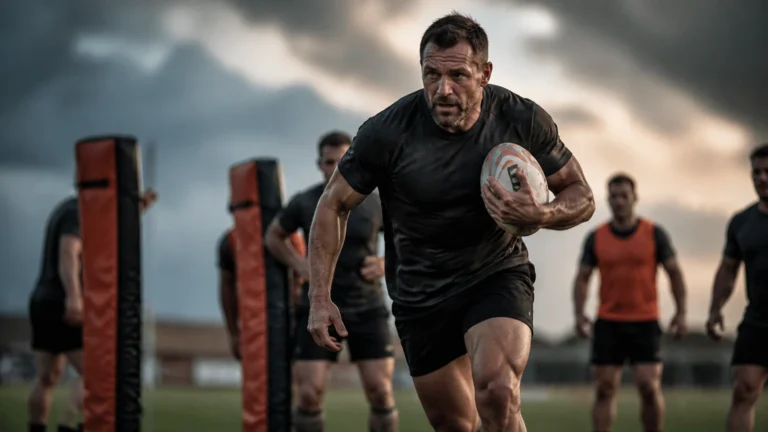
Rugby-specific training develops strength, acceleration, repeat-sprint fitness, hamstring capacity, change of direction, and coached contact skill.
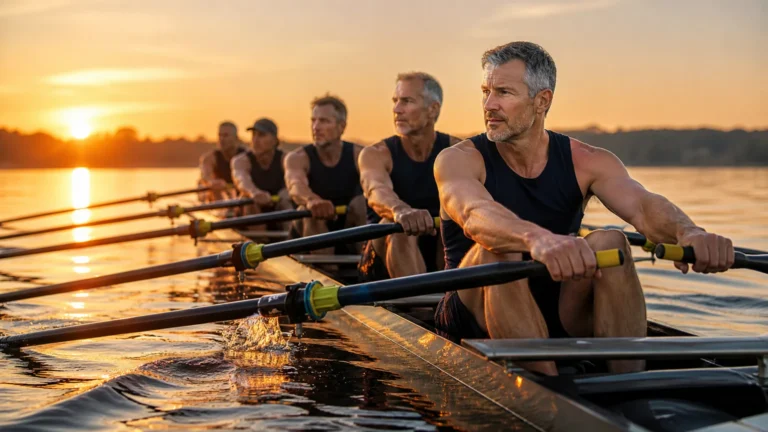
Rowing-specific training blends technique, aerobic volume, threshold work, 2K pace, strength, and fatigue management for faster, more durable rowing.
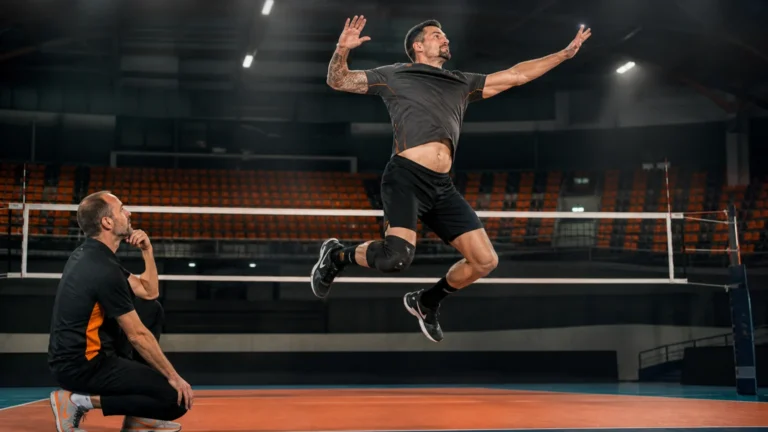
Volleyball-specific training develops approach jumping, lateral movement, repeated power, shoulder capacity, landing control, and strength without random fatigue.

Use cycling-specific training to build aerobic endurance, threshold power, VO2 capacity, sprint skill, and strength with a practical weekly plan.
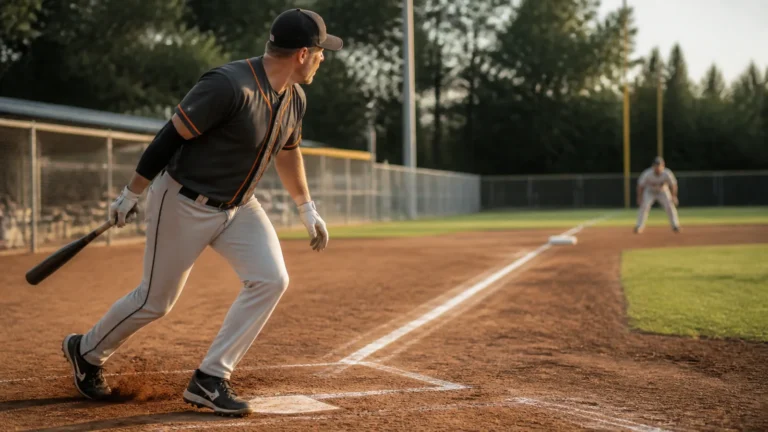
Build a softball workout plan for stronger throws, faster first steps, harder swings, safer deceleration, and game-ready conditioning without burnout.
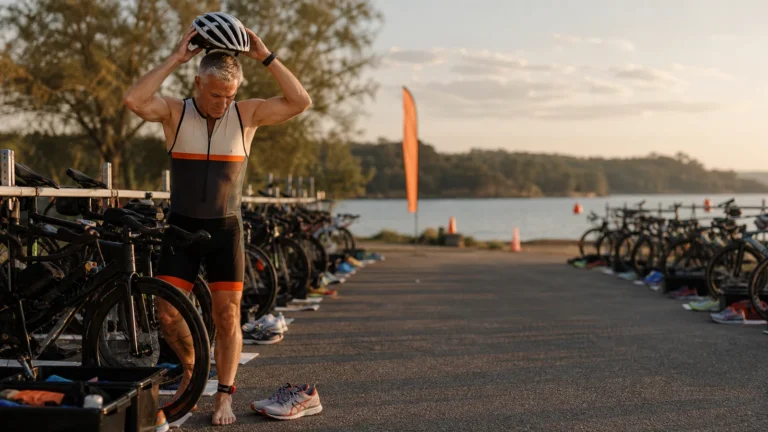
Use these triathlon training tips to balance swim, bike, run, strength, brick practice, fueling, recovery, and race-specific preparation.
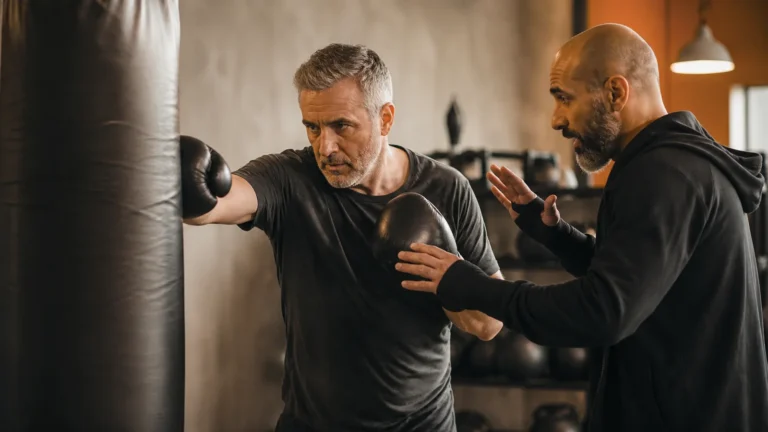
Start boxing and combat training with technique-first sessions, bag and pad work, conditioning, strength, recovery, and clear boundaries around sparring.
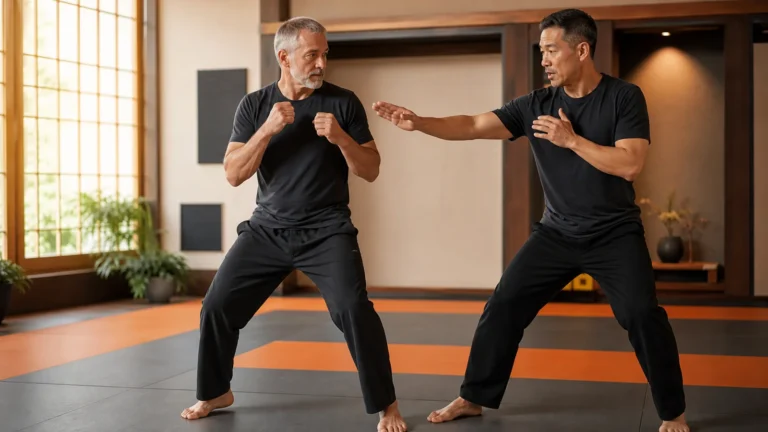
Choose martial arts for fitness by comparing striking, grappling, forms, contact, skill, recovery, and the quality of the local school—not hype about one best style.
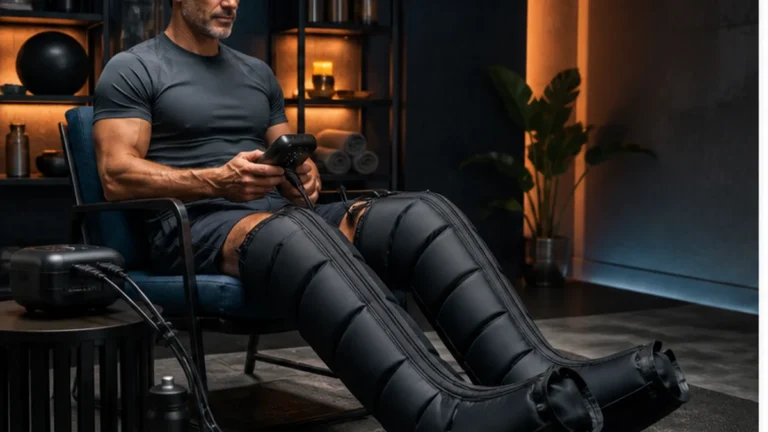
Choose recovery boots by fit, chamber sequence, pressure control and use frequency while keeping recovery claims realistic.
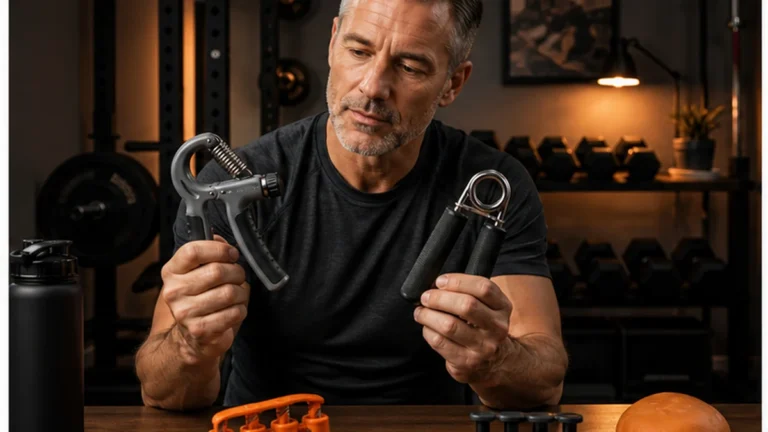
Choose grip tools by grip function, hand size and measurable progression—not one inflated resistance number.
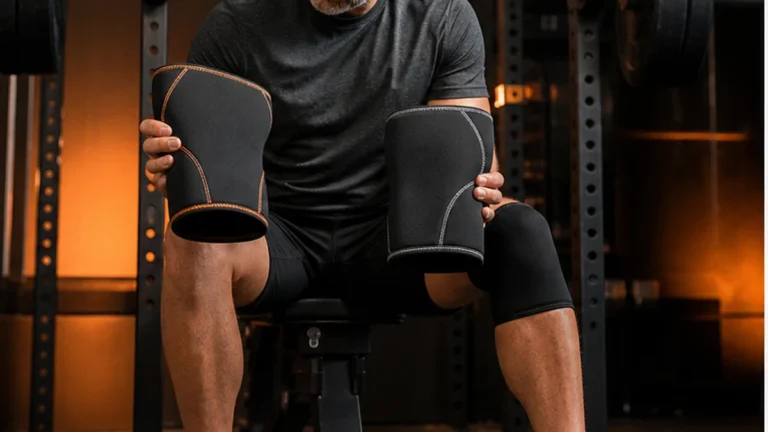
Choose lifting knee sleeves by thickness, fit, stiffness and rules—not maximum compression alone.
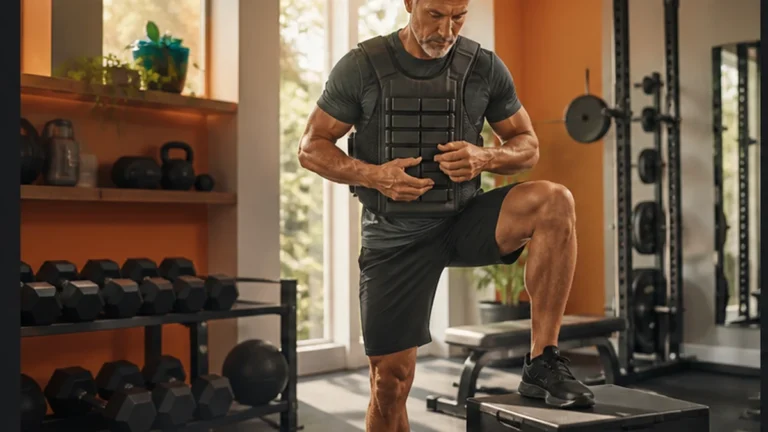
Choose a men's weighted vest by fit, load increments, balance and movement quality before chasing maximum capacity.
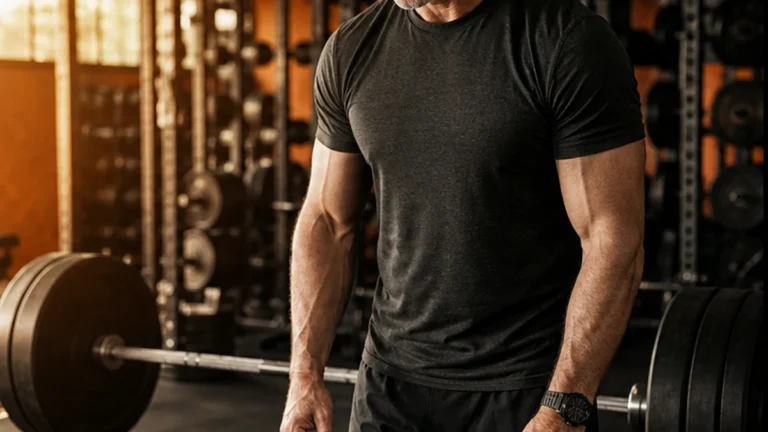
Choose lifting straps by lift, release control, wrist comfort and material—not by maximum-grip claims.
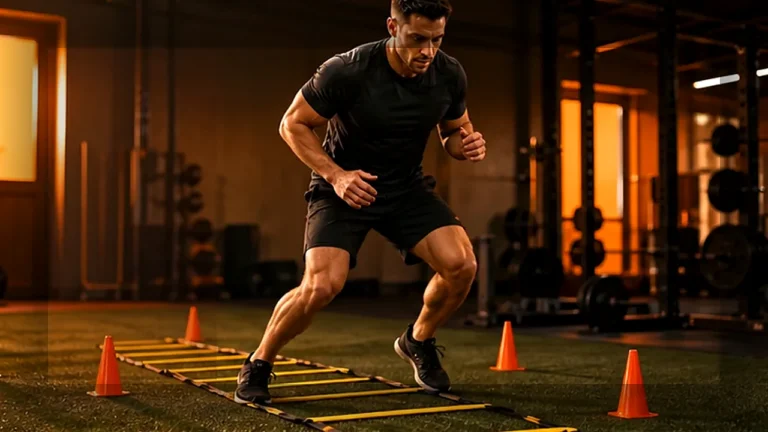
Build faster footwork with agility ladder drills for men: beginner drills, sport-specific exits, over-40 safety cues, and a 4-week plan.