

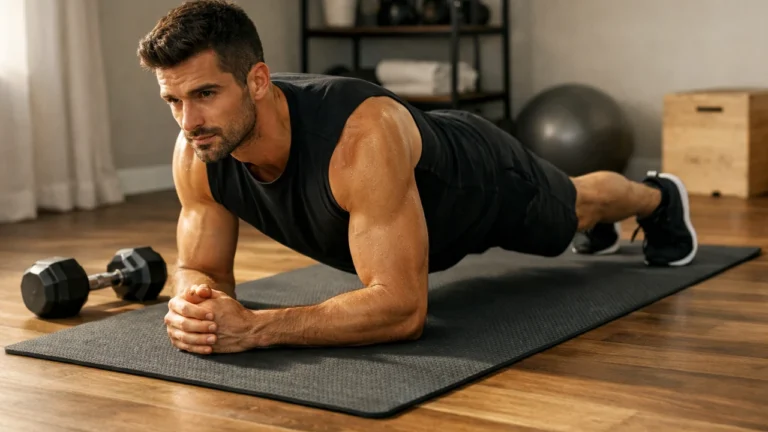
Yoga mats can make or break your training consistency, especially if you use them for mobility work, home workouts, stretching, and recovery sessions. The right mat improves grip, joint comfort, and movement confidence. The wrong one becomes a slippery frustration you avoid using.
For men training at home or in hybrid gyms, mat choice should be practical, not trendy. You want durability, traction, and enough cushioning for your knees and wrists without sacrificing stability in standing movements.
TL;DR
- Yoga mats should be chosen by training use case: mobility, yoga flow, bodyweight strength, or recovery.
- Thickness and grip matter more than marketing labels.
- Most men do best with 5-6 mm mats for balanced comfort and stability.
- Sweat-heavy sessions need better traction materials and regular cleaning habits.
- A durable mat is usually cheaper long-term than replacing low-quality mats every few months.
Choose a Mat That Matches Your Training
The best yoga mat is the one you actually want to use every day.
Prevents sliding in dynamic sessions.
Protects knees, wrists, and elbows.
Keeps texture and structure over time.
For full routine planning, combine this guide with lower body home workouts, home cardio exercises, and hybrid workouts.
The Prime Perspective
Most men overthink supplements and underthink equipment friction. A mat with bad grip kills consistency faster than almost any other small setup issue.
How to Choose Yoga Mats by Training Style
| Training Style | Ideal Thickness | Priority Feature | Best Material Direction | Common Mistake |
|---|---|---|---|---|
| Mobility + stretching | 5-8 mm | Joint comfort | TPE or cushioned foam blend | Buying ultra-thin studio mats |
| Yoga flow / balance | 4-6 mm | Grip and stability | Textured rubber or cork top | Too-soft mats causing wobble |
| Bodyweight strength | 5-6 mm | Stability under pressure | Dense multi-layer mats | Using overly plush mats |
| Recovery sessions | 6-8 mm | Pressure relief | Comfort-oriented foam | Ignoring durability under frequent use |
Thickness Guide for Men: Stability vs Cushion
Mat thickness is a tradeoff. Too thin and your joints complain. Too thick and your balance quality drops. For most men, 5-6 mm is the best middle ground.
- 3-4 mm: stable but less forgiving on hard floors.
- 5-6 mm: best all-around option for mixed routines.
- 7-8 mm: maximum comfort, lower balance precision.
Evidence Reality Check for Yoga Practice Setup
Health guidance supports regular movement patterns, flexibility work, and strength activity as part of long-term physical function (CDC physical activity basics). National integrative health guidance also notes yoga can help with flexibility, strength, and stress management when practiced consistently (NCCIH yoga overview).
A reliable mat supports that consistency by reducing friction in your daily routine.
Amazon.com Picks
Yoga Mat Setup by Use Case
Why these categories: they cover comfort, traction, and maintenance for long-term training consistency.
Extra-Thick Yoga Mats
Best for men prioritizing knee and wrist comfort in mobility and floor-based sessions.
- Higher joint comfort
- Good for recovery days
- Useful on hard surfaces
Cork Yoga Mats
Great traction choice for sweat-heavy sessions and grip-sensitive users.
- Improved wet-grip feel
- Stable for balance drills
- Durable texture profile
Yoga Mat Cleaner Sprays
Supports hygiene and extends mat lifespan with consistent maintenance.
- Better mat longevity
- Less odor buildup
- Faster post-session cleanup
* As an Amazon Associate, we earn from qualifying purchases.
Yoga Mat Buyer Checklist (Before You Buy)
- Floor type: hardwood, tile, or carpet changes ideal thickness.
- Sweat profile: high sweat sessions need better traction materials.
- Session style: mobility-only and dynamic flow have different demands.
- Storage space: larger mats improve comfort but need room.
- Cleaning routine: easy-clean surfaces improve long-term adherence.
Yoga Mat Materials: What Changes in Real Use
| Material Type | Grip Profile | Comfort Feel | Durability | Best For |
|---|---|---|---|---|
| PVC blends | Consistent dry grip | Medium | High | General home use with frequent sessions |
| TPE foam | Good initial grip | Soft/comfortable | Medium | Beginners prioritizing comfort |
| Natural rubber | Strong traction | Dense/stable | High | Dynamic flows and sweat-heavy sessions |
| Cork surface hybrids | Improves with moisture | Medium-firm | High | Grip-focused users and hot sessions |
Material choice should match your sweat profile and training density. If you train 4+ times per week, durability and grip stability usually matter more than extra softness.
6-Week Yoga Mat Performance Test
| Week | What to Track | Pass Signal | Fail Signal | Adjustment |
|---|---|---|---|---|
| 1-2 | Grip during core/yoga work | No hand/foot sliding | Frequent slips | Switch to higher-grip material |
| 3-4 | Joint comfort (knees/wrists) | Less pressure discomfort | Ongoing irritation | Increase thickness by 1-2 mm |
| 5 | Durability and surface wear | Texture remains stable | Peeling/compression spots | Upgrade material quality |
| 6 | Consistency impact | More sessions completed | Avoiding floor sessions | Replace with fit-for-purpose model |
Budget Strategy: Good Mat vs Premium Mat
| Budget Tier | What You Typically Get | Who It Fits | When to Upgrade |
|---|---|---|---|
| Entry level | Basic comfort, moderate grip, lower durability | New users testing habit consistency | If grip fades or wear appears quickly |
| Mid range | Better traction and build quality | Most men training 3-5x/week | If training includes high-sweat sessions |
| Premium | Strong traction, high durability, better finish | Daily users and long-term home setups | Only if clear quality gain is measurable |
If budget is tight, buy one solid mid-range mat instead of replacing two low-quality mats in a year. Total cost often ends up lower, and consistency improves because the experience is better every session.
Common Yoga Mat Mistakes
- Buying by color only: aesthetics over function leads to poor fit.
- Ignoring grip quality: unsafe and frustrating on sweaty days.
- Too much cushion: balance and force transfer get worse.
- No cleaning routine: odor and wear accelerate quickly.
- One mat for all use cases: sometimes two specialized mats are smarter.
Simple Maintenance Protocol to Extend Mat Life
- After every sweat-heavy session: wipe down with mat-safe cleaner and air dry fully.
- Weekly: deep-clean both sides and inspect edges for peeling or compression.
- Storage: keep rolled loosely in a dry space away from direct heat.
- Rotation: alternate orientation to reduce one-sided wear patterns.
A mat that stays clean and dry keeps traction longer and feels better to use, which directly supports adherence.
If you train frequently at home, pair this with home gym equipment, online personal training, and group workout trends for a complete setup strategy.
What Most Guys Miss
The mat is not just a comfort item. It is a consistency tool. Better grip and better floor comfort can significantly increase how often you complete mobility and recovery sessions.
Minimalist Setup: One-Mat Strategy That Works
If you only want one mat, choose a durable 5-6 mm model with strong traction and easy cleaning. That profile covers most home training needs without overcomplication.
- Use towel support on heavy sweat sessions.
- Clean after high-intensity days.
- Rotate orientation to spread wear evenly.
Your 24-Hour Action Plan
- Step 1: Define your top mat use case: mobility, yoga flow, bodyweight training, or mixed.
- Step 2: Select thickness target based on your floor and joint comfort needs.
- Step 3: Start a 2-week consistency test and track whether your floor sessions increase.
Conclusion
Yoga mats should be selected like any serious training tool: based on fit, function, and repeatable performance. Choose for grip, comfort, and durability in your actual routine, and you will get better adherence and better long-term results.
Frequently Asked Questions About Yoga Mats
What thickness is best for yoga mats?
For most men, 5-6 mm offers the best balance of comfort and stability across mixed training sessions.
Are expensive yoga mats worth it?
They can be, especially if durability and grip are significantly better and you train consistently.
How often should I clean yoga mats?
Light cleaning after sweaty sessions and deeper cleaning weekly is a practical baseline for hygiene and longevity.
Do yoga mats help with knee pain during workouts?
A properly cushioned mat can reduce pressure discomfort on knees, but thickness should still match your stability needs.
Can one yoga mat work for strength and mobility training?
Yes, a durable 5-6 mm high-grip mat is usually the best one-mat solution for mixed home training.
The information provided in this article is for educational purposes only and is not intended as a substitute for advice from your physician or other health care professional.
PrimeForMen may earn commissions from qualifying purchases when readers use product links. This does not change our editorial standards for evidence, fit, and safety.