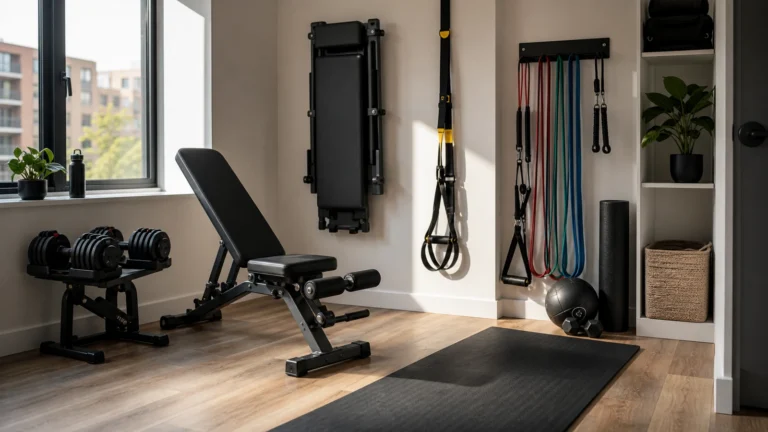
Build a small-space home gym with dumbbells, bands, flooring, storage, and upgrades that earn their footprint.
- Start with floor space, adjustable load, bands, and storage before buying machines.
- Adjustable dumbbells beat full racks in most apartments and spare rooms.
- Add benches, suspension trainers, and cardio only when they earn weekly use.
Bottom line A small home gym works when every item earns its footprint every week.
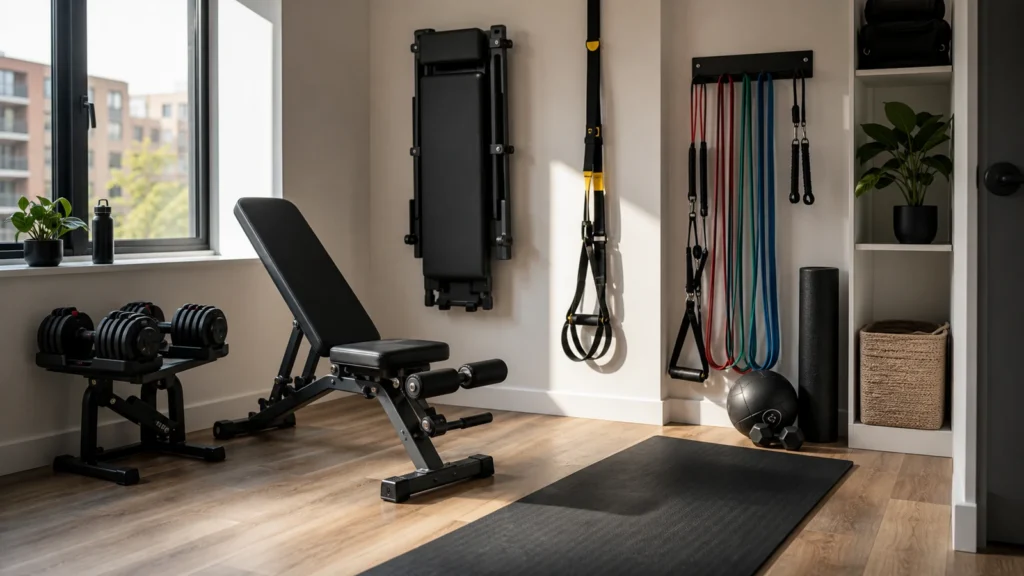
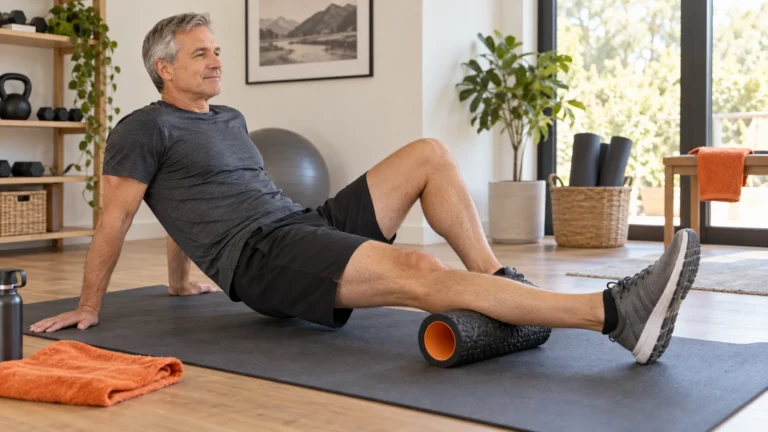
Home gym equipment for small spaces should remove friction, not recreate a crowded commercial gym in your apartment. The best setup starts with a clear floor zone, adjustable load, pulling work, simple storage, and only then bigger tools if you prove they will get used.
Quick Summary: home gym equipment for small spaces
- Buy the smallest setup that lets you train strength at least twice per week.
- Adjustable dumbbells, bands, a mat, and storage beat most big machines in apartments.
- A foldable bench is an exercise multiplier, but only after dumbbell training is consistent.
- Flooring, noise, door anchors, and ceiling clearance are buying criteria, not afterthoughts.
- Skip racks, heavy cardio, smart gyms, and jump-heavy tools until the space and habit are proven.
The Prime Perspective
A small home gym is a friction-removal system. It works when the gear is close, quiet, easy to store, and useful enough that you do not need motivation to begin.
The wrong setup does the opposite. It turns the room into storage, creates neighbor problems, and makes every workout start with moving furniture. The buying order matters because every item must earn its footprint every week.
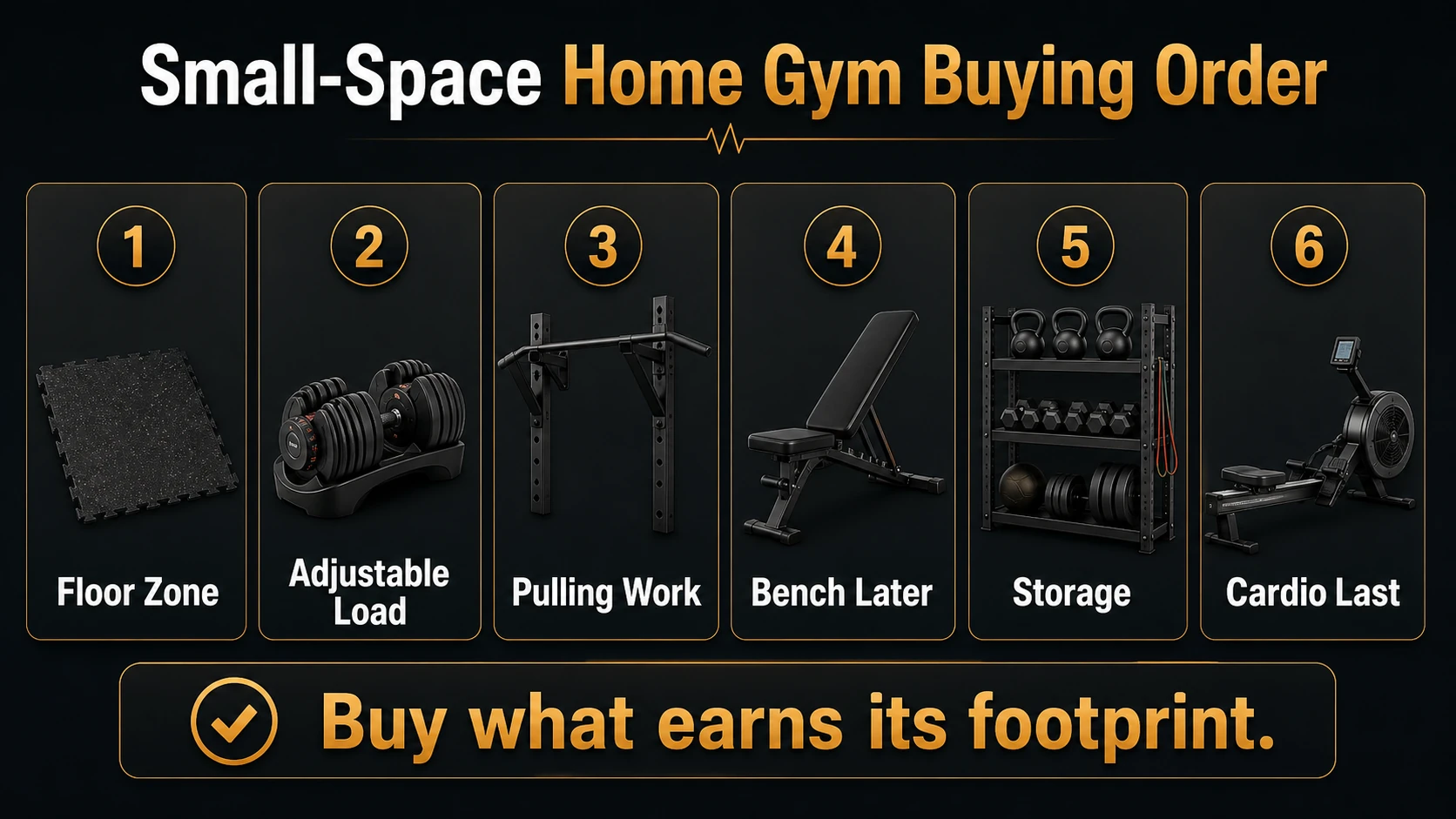
Share & embed
Share this infographic with your readers. Please keep the graphic intact and include a visible source link to this guide. This sharing option applies only to this infographic, not to product photos or third-party media.
Suggested credit: Infographic by PrimeForMen. The embed uses the original image and a source link, with no script or tracking code.
You may add rel="nofollow" to the source link. No followed link is required.
Amazon.com picks
Small-Space Home Gym Starter Stack
These are direct product examples for the core setup. Check current price, size, shipping, return policy, weight range, warranty, and room fit before buying.
Disclosure: this guide includes Amazon affiliate links. PrimeForMen may earn a commission if you buy through these links at no extra cost to you. All Amazon links use sponsored/nofollow attributes.

Adjustable load pick
REP QuickDraw Adjustable Dumbbells
Best when strength progression is the main reason you are building a small home gym.
- Saves far more space than a full fixed-dumbbell rack.
- Choose the weight range that still challenges you six months from now.
- Use controlled sets; do not drop adjustable dumbbells unless the maker explicitly allows it.

Exercise multiplier
FLYBIRD WB5 Foldable Adjustable Bench
Best once dumbbell training is already happening and you need presses, rows, split squats, and incline work.
- Foldable design matters when the bench cannot live open all day.
- Check user weight plus working weight against the listed capacity.
- Skip it until you know you will train with dumbbells at least twice a week.

Pulling and warm-up pick
Bodylastics Basic Resistance Band Set
Best for rows, face pulls, warm-ups, shoulder work, travel training, and low-noise pulling volume.
- Bands fill the pulling gap that dumbbells do not solve well.
- Inspect bands and anchors before sessions; replace worn tubes early.
- Use door anchors only on stable doors that cannot open toward you mid-set.

Zero-floor-space option
TRX All-in-One Suspension Trainer
Best when you need rows, core work, split squats, push-ups, and conditioning without storing bulky gear.
- Gives a strong training return for very little storage space.
- Anchor quality is the product; do not improvise with weak doors or loose hooks.
- Great complement to dumbbells, not a full replacement for progressive load.

Flooring starter
ProsourceFit 1/2-Inch Puzzle Exercise Mat
Best for defining the training zone, protecting floors, and reducing friction before every session.
- A small floor zone makes setup feel intentional instead of improvised.
- Foam helps with comfort, but heavy drops still need stricter flooring judgment.
- Measure the real footprint around bench movement, not only the mat dimensions.
Plan the Room, Then Choose the System
Use these three steps before moving from a compact starter setup to a larger purchase.
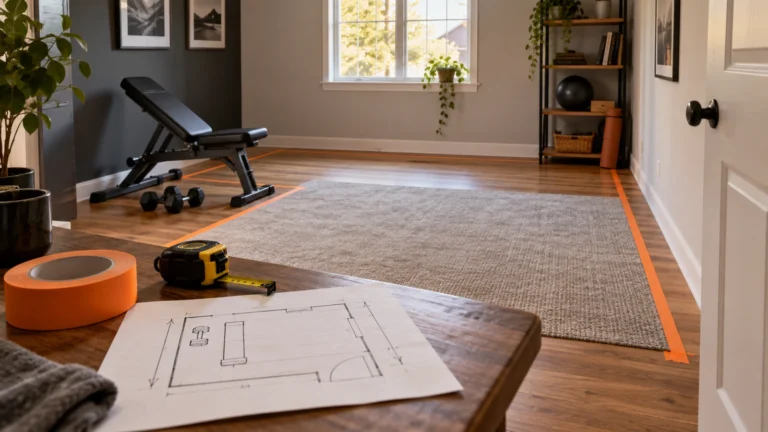
Separate equipment footprint, movement and storage. Use the home gym layout examples and fillable room worksheet.
Compare setup changes, expansion and full ownership costs in our all-in-one versus separate equipment comparison.
If you choose a rack, use the rack attachment compatibility checklist before buying add-ons.
Still deciding what belongs on the shortlist? The Home Gym Equipment Finder starts with your space, budget and goal.
Best Home Gym Equipment by Real Constraint
The best equipment changes with the room. A garage corner can tolerate more load and storage. A spare room needs cleaner organization. An apartment needs quiet tools and fewer setup steps. For pulley work, the cable-machine space and setup guide separates wall-mounted, plate-loaded, and dual-stack options.
Small-Space Equipment Scorecard
| Equipment | Training value | Storage | Noise risk | Buy phase |
|---|---|---|---|---|
| Exercise mat / flooring | Medium | Excellent | Very low | Phase 1 |
| Resistance bands | High | Excellent | Very low | Phase 1 |
| Adjustable dumbbells | Very high | Good | Low to medium | Phase 1 |
| Foldable bench | High | Medium to good | Low | Phase 2 |
| Storage rack or bin | Indirect high | Very high | Very low | Phase 2 |
| Suspension trainer | High | Excellent | Low | Phase 2-3 |
| Kettlebell | High | Good | Medium | Phase 3 |
| Walking pad or bike | Medium to high | Medium | Low to medium | Phase 3-4 |
| Power rack | Very high | Poor | Medium | Garage only / late |
Adjustable Dumbbells Buying Guide
Adjustable dumbbells are usually the best first strength purchase for a small home gym because they solve the biggest problem: progressive load without a wall of fixed dumbbells.
| Criterion | Why it matters | What to check |
|---|---|---|
| Weight range | Decides whether the set still works after months of progress. | Buy for your six-month strength, not only today’s exercises. |
| Increment size | Smaller jumps help shoulders, arms, and controlled progression. | Look for useful jumps, especially below 25 lb. |
| Adjustment speed | Supersets and busy workouts punish slow changes. | Dial, selector, pin, and lock systems all feel different. |
| Handle feel | Grip affects rows, presses, curls, and carries. | Check handle diameter, texture, and shape. |
| Drop tolerance | Small rooms increase accidental contact risk. | Do not drop adjustable systems unless explicitly allowed. |
| Storage tray or stand | Reduces setup friction and protects the mechanism. | Measure tray width plus space to lift safely. |
For training ideas after the gear is in place, pair the setup with a dumbbell-only home workout plan or the broader strength training basics guide.
Foldable Bench Buying Guide
A bench is not automatically a first purchase. It becomes valuable when it unlocks training you will actually do: dumbbell press, incline press, chest-supported rows, step-ups, split squats, and supported rear-delt work.
| Bench factor | Good sign | Red flag |
|---|---|---|
| Capacity | User weight plus working weight leaves margin. | Vague capacity claims or no published load guidance. |
| Folded size | Stores vertically or under furniture without blocking the room. | Technically folds but is still awkward to move. |
| Wobble | Stable feet and no rocking during loaded presses. | Feels unstable before weight is even added. |
| Angles | Flat, incline, and useful seat adjustment. | Too many positions but poor real stability. |
Resistance Bands and Door Anchor Safety
Bands are small, quiet, and useful. They also deserve more respect than most buyers give them. The risk is rarely the band alone. It is the anchor, the door, the angle, and the condition of the material.
Safety rule: never anchor bands or suspension straps to weak doors, loose frames, thin hooks, light furniture, or anything someone can open mid-set. Inspect bands for cracks, tears, and thinning before hard pulling work.
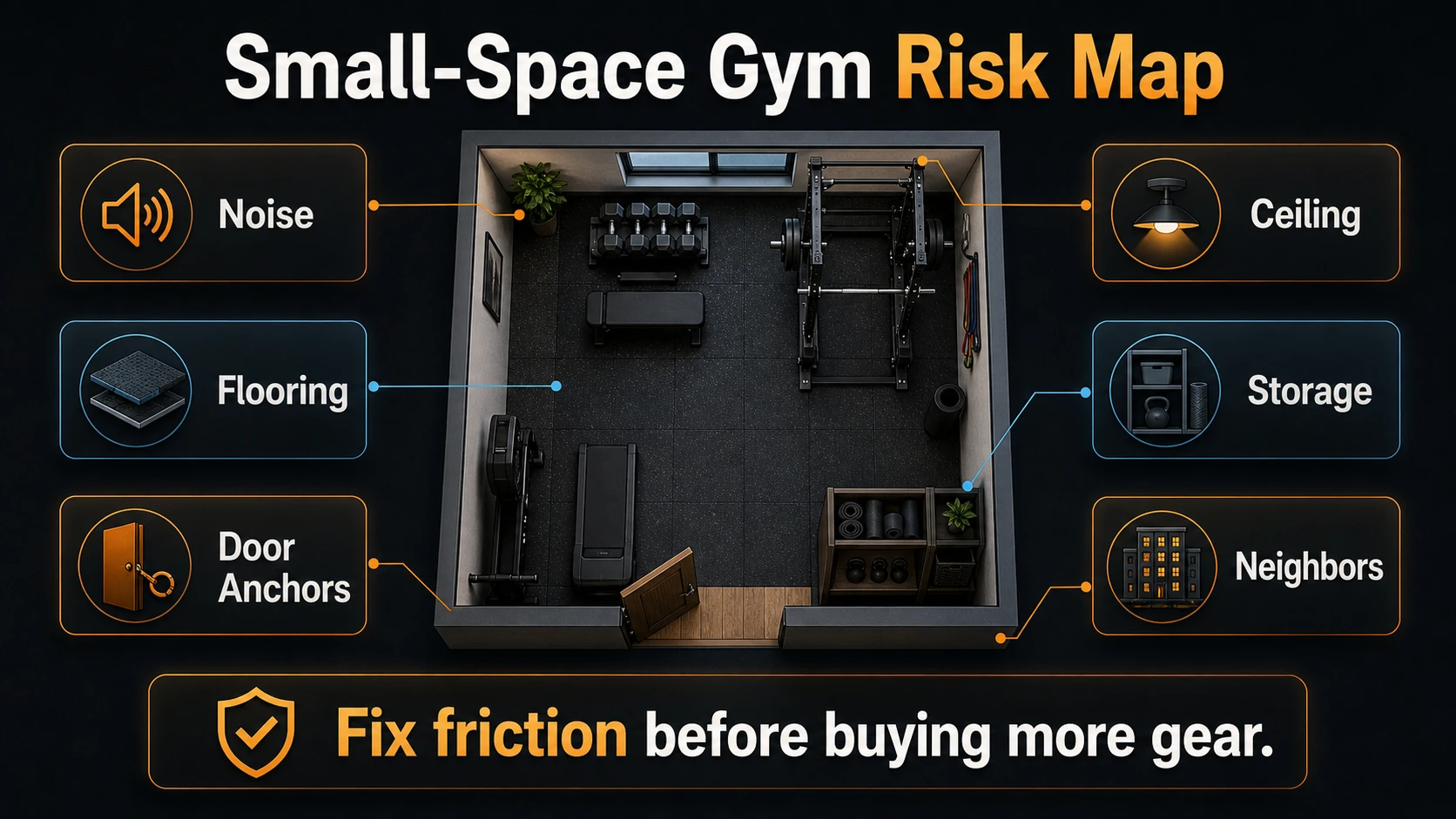
Share & embed
Share this infographic with your readers. Please keep the graphic intact and include a visible source link to this guide. This sharing option applies only to this infographic, not to product photos or third-party media.
Suggested credit: Infographic by PrimeForMen. The embed uses the original image and a source link, with no script or tracking code.
You may add rel="nofollow" to the source link. No followed link is required.
Flooring, Noise and Neighbor Risk
Flooring is not glamorous, but it decides whether the home gym survives contact with real life. A mat defines the training area. Dense rubber can protect better under heavy work. Foam can help comfort, but it is not a license to drop heavy weights.
| Room issue | Better choice | Skip or limit |
|---|---|---|
| Apartment noise | Bands, dumbbells, controlled reps, walking | Jump rope, plyometrics, dropped weights |
| Hard floors | Exercise mat or interlocking floor tiles | Dragging benches and dumbbells across wood |
| Garage lifting | Denser rubber and dedicated storage | Loose mats that shift under load |
| Shared walls | Training away from walls, quiet tempos | Wall impacts, slams, heavy bags |
Budget Tiers by Goal
| Budget | Buy first | Best goal |
|---|---|---|
| Under $150 | Mat, bands, storage bin | Consistency, mobility, warm-ups, light strength |
| $150-$500 | Add adjustable dumbbells or a basic dumbbell pair | Strength training in a very small footprint |
| $500-$1,000 | Dumbbells, foldable bench, bands, mat, storage | Complete small-space strength setup |
| $1,000+ | Upgrade load, flooring, storage, and optional cardio | Long-term home training without room takeover |
If budget is the constraint, use the fitness on a budget guide before buying expensive upgrades. If cardio is the real bottleneck, compare the best cardio machine for home before forcing a treadmill into a room that cannot support it.
8-Week Home Gym Progression Plan
A small setup earns trust when it creates measurable progress. Use the first eight weeks to prove the habit before adding equipment.
| Weeks | Focus | Equipment rule |
|---|---|---|
| 1-2 | Two full-body sessions and one mobility day. | Use mat, bands, and light dumbbell work. |
| 3-4 | Add load or reps to squats, hinges, presses, rows, and carries. | Only buy heavier load if the current load is limiting progress. |
| 5-6 | Add bench work if presses and rows need more variation. | Bench becomes justified when it expands exercises you already do. |
| 7-8 | Assess space, noise, recovery, and consistency. | Add cardio, kettlebells, or smart gear only if the core setup is used weekly. |
For a ready-made training path, use home workout routines or a full-body home workout before buying another piece of equipment.
What to Skip Until Consistency Is Proven
- Power racks: excellent in garages, often wrong for apartments and spare rooms.
- Large treadmills: useful only when walking or running is the actual training bottleneck.
- Cheap unstable benches: a bad bench is worse than no bench.
- Heavy bags and jump boxes: high noise, high space demand, and often neighbor-hostile.
- Smart home gyms: valuable only if coaching and convenience beat the cost. Compare smart home gyms after the basic setup is proven.
How We Chose These Picks
We evaluated each equipment category by training value per square foot, progression potential, storage friction, apartment noise, floor impact, anchor and bench safety, durability signals, setup speed, upgrade path, and value. Product examples are editor-researched from visible product information and current Amazon listings; we do not claim lab testing or long-term hands-on testing unless stated.
For baseline training context, the CDC adult physical activity guidelines still support the practical point: adults need both aerobic activity and muscle-strengthening work. The small home gym should make that easier to repeat, not harder to start.
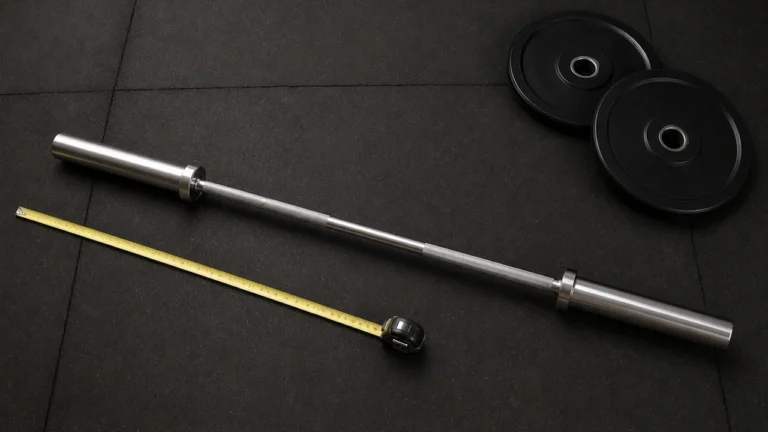
Once the basic room works, choose specialist equipment by the movement or space problem it solves. Compare leg extension and curl machines for supported knee-focused work, Nordic benches and back-extension machines for different posterior-chain movements, or short rackable barbells when side clearance is tight. These are optional additions, not a replacement for the core setup.
Two Smart Second-Wave Upgrades: Suspension Trainers and Storage
| Upgrade | Best reason to buy | Veto check | Space effect |
|---|---|---|---|
| Suspension trainer | Scalable pulling and bodyweight work | Anchor is not structurally verified | Very small when stored |
| Plate/bar tree | Keep heavy gear low and organized | Loaded footprint can tip or block a path | Consolidates vertical storage |
| Wall rail | Bands and light attachments | Fasteners or wall type are unsuitable | Clears floor space |
| Mobile rack | Mixed dumbbells and accessories | Casters, shelves or capacity are inadequate | Flexible but needs parking space |
Suspension Trainer Buying Criteria
Look for smooth paired adjustment, secure handles, foot cradles and an anchor system made for the exact location. A door anchor belongs on a solid door that closes away from the user unless the manufacturer specifies otherwise. Hinge condition, door material and frame integrity matter. A ceiling or wall anchor requires suitable structure and correct fasteners—not drywall alone.
Adjustment
Both straps should change length quickly and hold without slipping.
Anchor
Match door, beam or wall installation to the maker’s instructions.
Progression
Move the feet gradually; small angle changes can sharply increase difficulty.

Lifeline Jungle Gym XT
A split-anchor suspension system for buyers who value independent strap positioning.
- Verify the chosen anchor surface before use.
- Test buckles at a low body angle first.
- Keep straps clear of sharp door and wall edges.
Home Gym Storage: Build From the Floor Up
Store the heaviest plates and kettlebells low, keep long bars restrained and give every frequently used item a position that does not cross the training path. Capacity must include the rack itself and the way weight is distributed. A narrow tree loaded heavily on one side can be less stable than a wider rack with a lower rating. Wall storage is excellent for bands and collars; heavy plates demand verified structure.

Marcy Weight Storage Organizer
A current mixed-equipment rack example for consolidating dumbbells, kettlebells and plates.
- Confirm the selected model and shelf layout.
- Load the lowest positions first and evenly.
- Leave grip clearance around every stored weight.
A 20-Minute Storage Audit
- Photograph the room after a normal workout.
- Mark every item left in a walking or bar path.
- Group gear by weight and frequency of use.
- Measure the loaded rack footprint, not the empty listing image.
- Retest bench movement, cable travel and emergency exit after loading.
Use the Home Gym Equipment Finder to keep upgrades tied to the room, and compare the home gym flooring guide before placing a loaded storage system.
Affiliate disclosure: PrimeForMen may earn a commission from qualifying purchases at no extra cost to you.
Build the Room in the Right Order
Start with the surface and available space, then choose the machine or load that solves a real training constraint. These guides turn the second wave of a home gym into a measured decision rather than an equipment wish list.
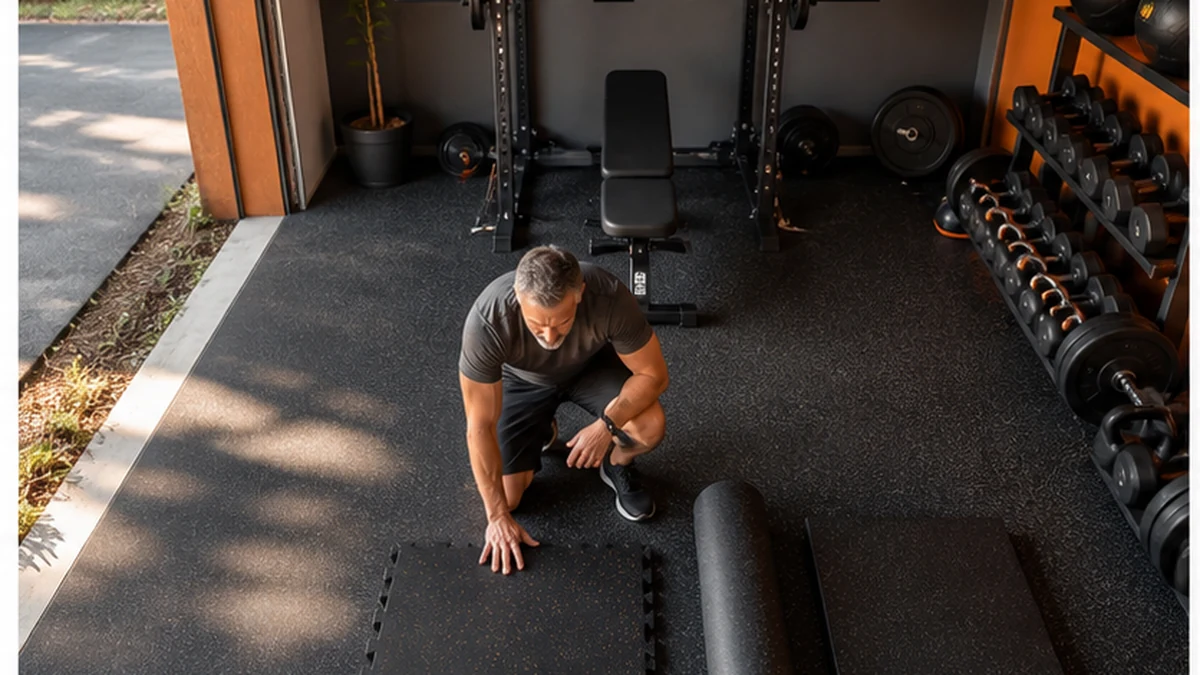 Foundation
Best Home Gym Flooring
Choose rubber, tiles or mats by load, moisture, noise and the room below.
Open buying guide
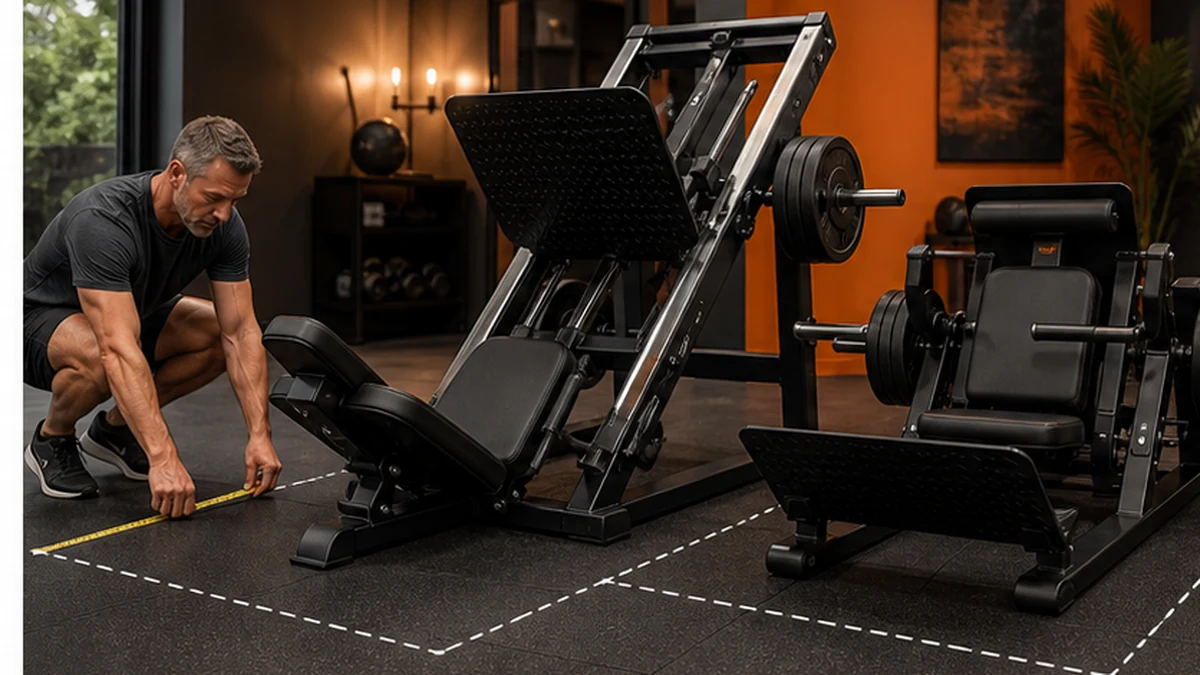 Lower Body
Best Leg Press Machines for Home Gyms
Compare footprint, sled path, loading and safe entry before giving up floor space.
Open buying guide
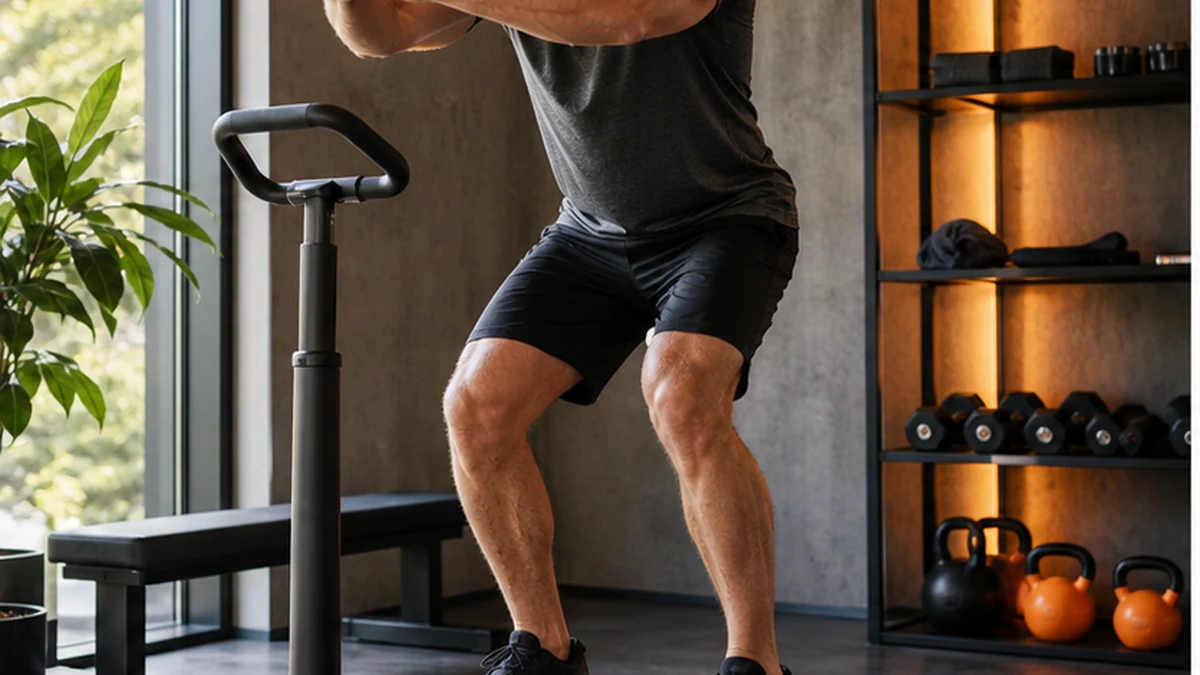 Compact Option
Best Vibration Plates for Men
Separate realistic low-impact uses from features that do not justify the price.
Open buying guide
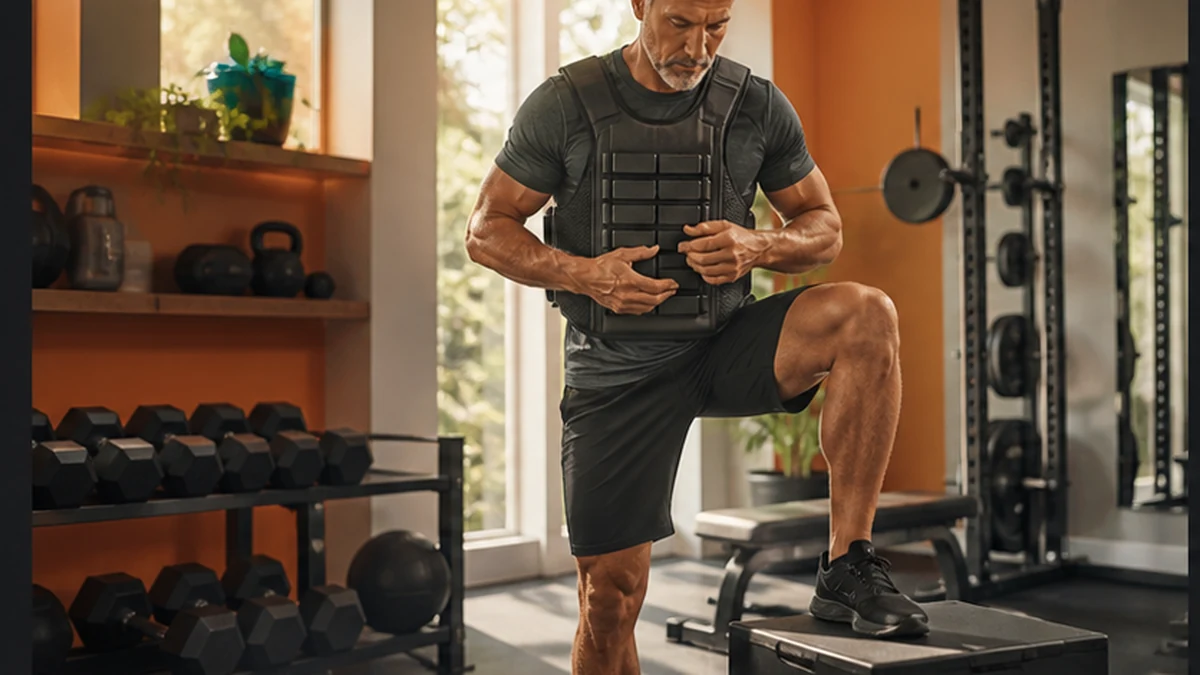 Portable Load
Best Weighted Vests for Men
Match fit, load increments and balance to walking, step-ups or calisthenics.
Open buying guide
 Barbell Accessory
Best Lifting Straps for Men
Choose the connection and release style that fits your pulling movements and grip limitation.
Open buying guide
 Grip Training
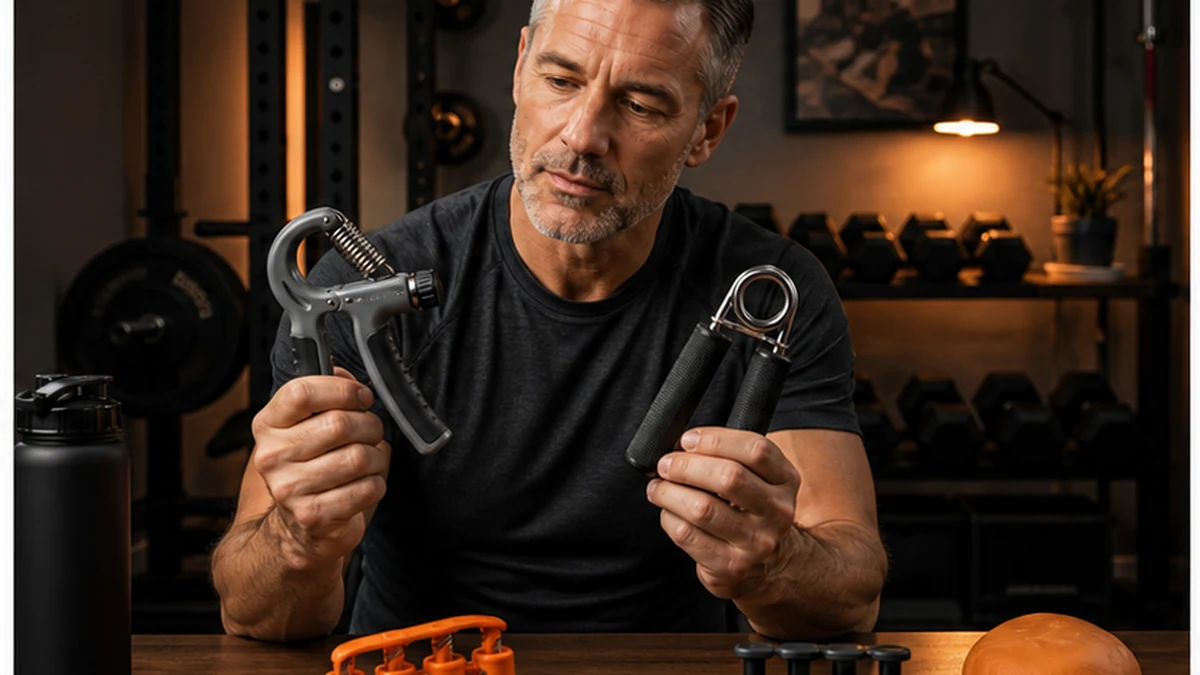
Best Grip Strengtheners for Men
Add measurable hand and forearm work without filling the room with another large machine.
Open buying guide
Conclusion
The best small-space home gym starts with a clear training zone and a few tools that solve real problems. Flooring reduces friction. Adjustable dumbbells create progression. Bands add pulling and warm-up work. A foldable bench expands exercises after the habit exists. Storage keeps the room usable.
Buy in phases. Measure the room. Respect noise and anchors. Let weekly use justify the next purchase.
Next step: if adjustable load is the missing piece, compare adjustable dumbbells. If quiet pulling work is the gap, compare resistance bands. If you want one broader gear map, use the essential fitness gear guide.
Medical disclaimer: this article is editorial fitness guidance, not medical advice. If you have pain, dizziness, chest symptoms, recent surgery, balance issues, or a medical condition that affects exercise, speak with a qualified professional before starting or changing training.
Affiliate disclosure: some product links are sponsored affiliate links. PrimeForMen may earn from qualifying purchases. Google’s guidance on qualifying outbound links is why commercial links are marked with sponsored/nofollow attributes.
FAQs
What is the best home gym equipment for small spaces in 2026?
For most small spaces, the best first buys are flooring or a mat, adjustable dumbbells, resistance bands, simple storage, and then a foldable bench once the habit is proven. Add cardio machines, racks, or smart gyms only when they solve a real training problem.
What should I buy first for a small home gym?
Buy a clear floor zone first, then adjustable load. That usually means a mat or flooring, adjustable dumbbells, resistance bands, and a storage bin or shelf. Those four items remove the most friction without taking over the room.
Are adjustable dumbbells worth it for a small home gym?
Yes, adjustable dumbbells are usually worth it if strength training is the goal. They replace many fixed dumbbells and make progressive overload possible in a small footprint. The key is buying enough weight range for future progress, not only today's workouts.
Are PowerBlock, Bowflex, NUOBELL, or REP better for small spaces?
All can work, but they solve different problems. REP and PowerBlock-style systems can feel more durable and compact. Bowflex-style dials are easy to use but can be bulkier. NUOBELL-style fast-change dumbbells feel more traditional but should be handled carefully.
Do I need a foldable bench for dumbbell workouts?
Not on day one. A foldable bench becomes useful after dumbbell training is already consistent because it unlocks presses, rows, incline work, and split-squat variations. If it becomes another object you avoid moving, skip it for now.
What flooring do I need for a small home gym?
For light dumbbell and bodyweight work, a stable exercise mat or interlocking foam can define the zone. For heavy lifting, repeated drops, or garage setups, consider denser rubber flooring and check the floor, neighbors, and equipment limits before training hard.
How do I reduce home gym noise in an apartment?
Avoid jumping, dropping weights, fast kettlebell work, and heavy treadmill impact. Use mats, controlled eccentrics, resistance bands, dumbbell work, walking, and quieter cardio choices. Train away from shared walls when possible.
Are resistance bands enough to build muscle?
Bands can build muscle when tension is high enough and sets are taken close enough to fatigue. They are especially useful for pulling, warm-ups, shoulder work, and travel. For long-term strength, most men benefit from pairing bands with adjustable dumbbells.
Is a door anchor safe for resistance bands?
A door anchor can be safe only when the door, frame, anchor, band, and direction of pull are appropriate. Never anchor to weak doors, loose frames, thin hooks, or a door that can open toward you during the set.
Should I buy a treadmill or dumbbells first?
Buy dumbbells first if strength, body composition, and small-space versatility are the main goals. Buy a treadmill or walking pad first only if walking or running volume is the main bottleneck and you have a stable permanent place for it.
What home gym equipment should men over 40 buy first?
Men over 40 should start with equipment that supports repeatable strength without joint drama: adjustable dumbbells, bands, a mat, and later a stable bench. Prioritize control, range of motion, recovery, and consistency over maximal loading early.
How much should I spend on a small home gym?
A useful starter setup can begin under $150 with a mat and bands. A stronger setup often lands between $500 and $1,000 once adjustable dumbbells and a foldable bench are included. Spend in phases so unused gear does not become furniture.
What equipment should I avoid in a small apartment?
Avoid bulky racks, jump boxes, heavy bags, loud treadmills, cheap unstable benches, and anything that requires drops or high-impact movement. If it creates neighbor problems or takes five minutes to move before training, it is probably too much for the room.
When should I upgrade to a rack or barbell?
Upgrade when dumbbells no longer provide enough load, you have a stable training habit, the room has safe ceiling and floor clearance, and you can store the rack without making the space unusable. For many apartments, that upgrade never makes sense.
Is a smart home gym better than adjustable dumbbells?
A smart home gym can help if coaching, tracking, or convenience is the real barrier. Adjustable dumbbells are usually the better first purchase for value, durability, and simple progressive strength. Buy the smart system only after you know you will use it weekly.