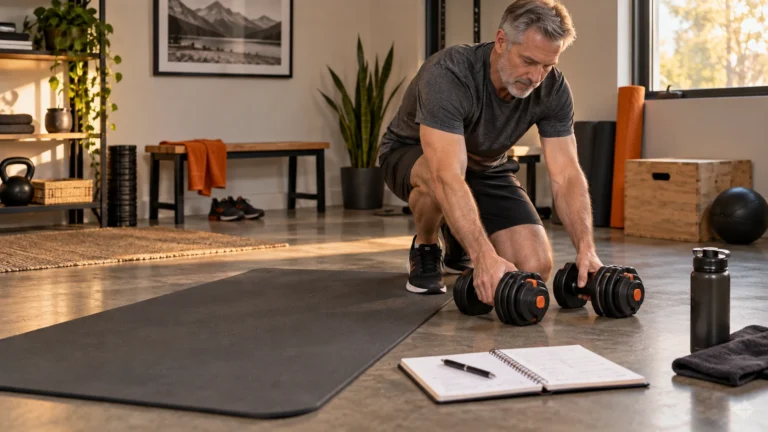
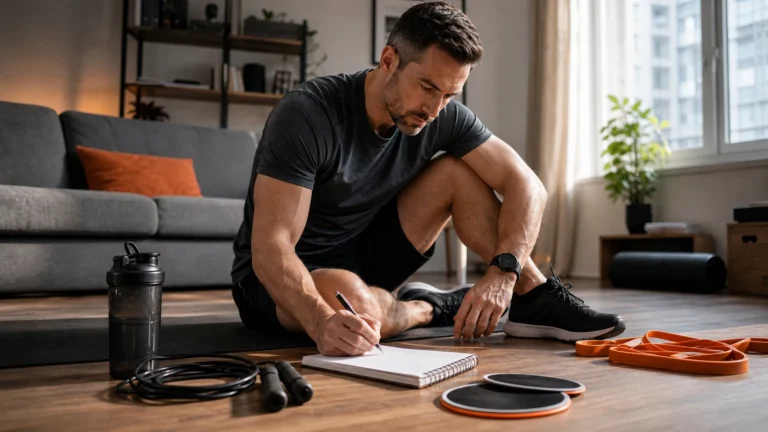
Build fitness on a budget with bodyweight training, walking, bands, sliders, smart progression, and a simple no-gym home plan.
- Start with bodyweight strength, walking, and one repeatable weekly plan before buying gear.
- Buy only the tool that solves the gap: bands for pulling, sliders for core, rope for cardio.
- Progress with reps, sets, tempo, pauses, range, and consistency before upgrading.
Bottom line A smart budget plan is not the cheapest pile of tools. It is the smallest system you can repeat and progress for four weeks.
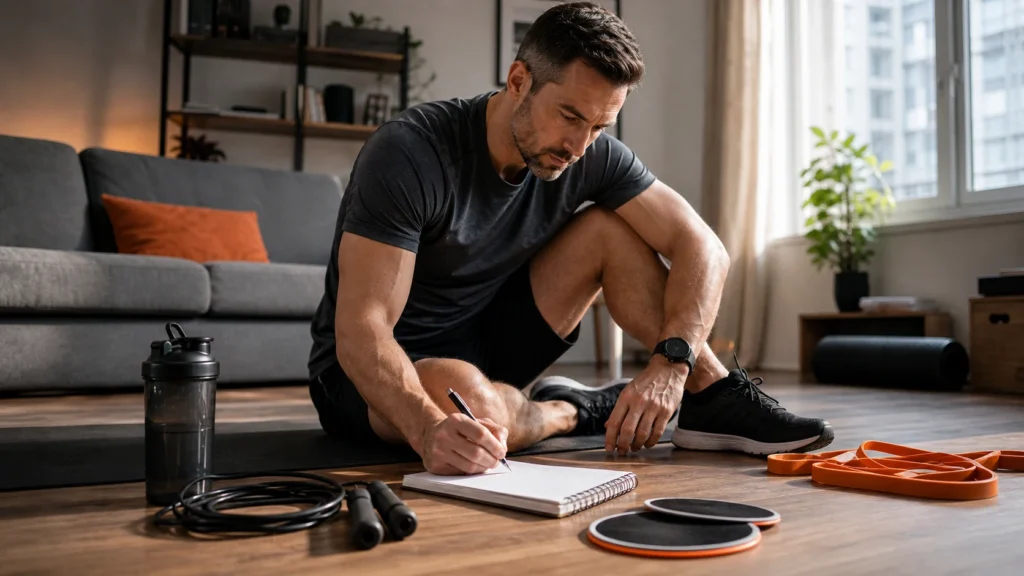
Fitness on a budget works when you stop trying to recreate a full gym and start building the cheapest system you can repeat. Begin with bodyweight strength, walking, mobility, recovery, and a simple tracker. Then buy only the tools that solve a real limitation.
A budget fitness plan can still build strength, cardio, consistency, and better body composition. The difference is discipline around spending: buy resistance bands when pulling is missing, add sliders when core and hamstring work need progression, and wait on bigger gear until the habit is proven.
Quick Summary: Fitness on a budget
- Start with bodyweight training, walking, and one repeatable weekly plan before buying gear.
- The best early purchases are usually resistance bands, exercise sliders, and a jump rope if your joints tolerate impact.
- Progress before you shop: add reps, sets, tempo, pauses, range of motion, or harder variations.
- A complete budget week needs strength, cardio, mobility, recovery, and simple tracking.
- For men over 40, the best budget plan is joint-friendly, easy to recover from, and realistic enough to repeat.
The Prime Perspective
Budget fitness is not about doing less. It is about removing waste: unused memberships, oversized equipment, complicated apps, supplement stacks, and workouts that only work when life is perfect.
The best budget setup covers the major movement patterns, gives you a low-cost cardio option, and makes progression visible. If it does that, it is enough to start.
The Budget Fitness Ladder: $0, $25, $50, $100 and Beyond
Do not buy the final home gym first. Build the system in layers. The $0 layer is bodyweight training, walking, and tracking. The first paid layer should solve one missing piece. Bigger purchases should wait until you know exactly what is limiting progress.
| Budget | Best move | Covers | Skip for now |
|---|---|---|---|
| $0 | Bodyweight + walking + notebook | Strength base, cardio base, tracking | Apps, machines, supplements |
| Under $25 | Bands or jump rope | Pulling, warm-ups, cardio option | Random mini-gadgets |
| Under $50 | Bands + sliders + mat | Strength, core, mobility, progression | Bulky equipment |
| Under $100 | Bands + door anchor + rope/sliders | Compact home workout system | Large machines without a plan |
| Habit proven | Dumbbells, vest, pull-up bar, bench | Longer strength progression | A complete home gym too early |
Start With the No-Equipment Base
Before buying equipment, prove the base. If you can repeat squats, push-ups, hinges, core work, walking, and one pulling option for four weeks, you will know what the first purchase should solve.
| Movement | Beginner option | Progression |
|---|---|---|
| Squat | Chair squat | Tempo squat or split squat |
| Push | Wall or incline push-up | Floor push-up or decline push-up |
| Pull | Band row when available | Door-anchor row or pull-up later |
| Hinge | Glute bridge | Single-leg bridge or hip hinge |
| Core | Dead bug | Plank, side plank, or sliders |
| Cardio | Walk | Hill walk, stairs, or intervals |
For a complete no-gear start, use the no-equipment workout guide as the simplest strength base.
The Budget Fitness Priority Map
Most people overspend because they buy around the plan instead of building the plan. Your priority order should be strength, cardio, mobility, recovery, and tracking.
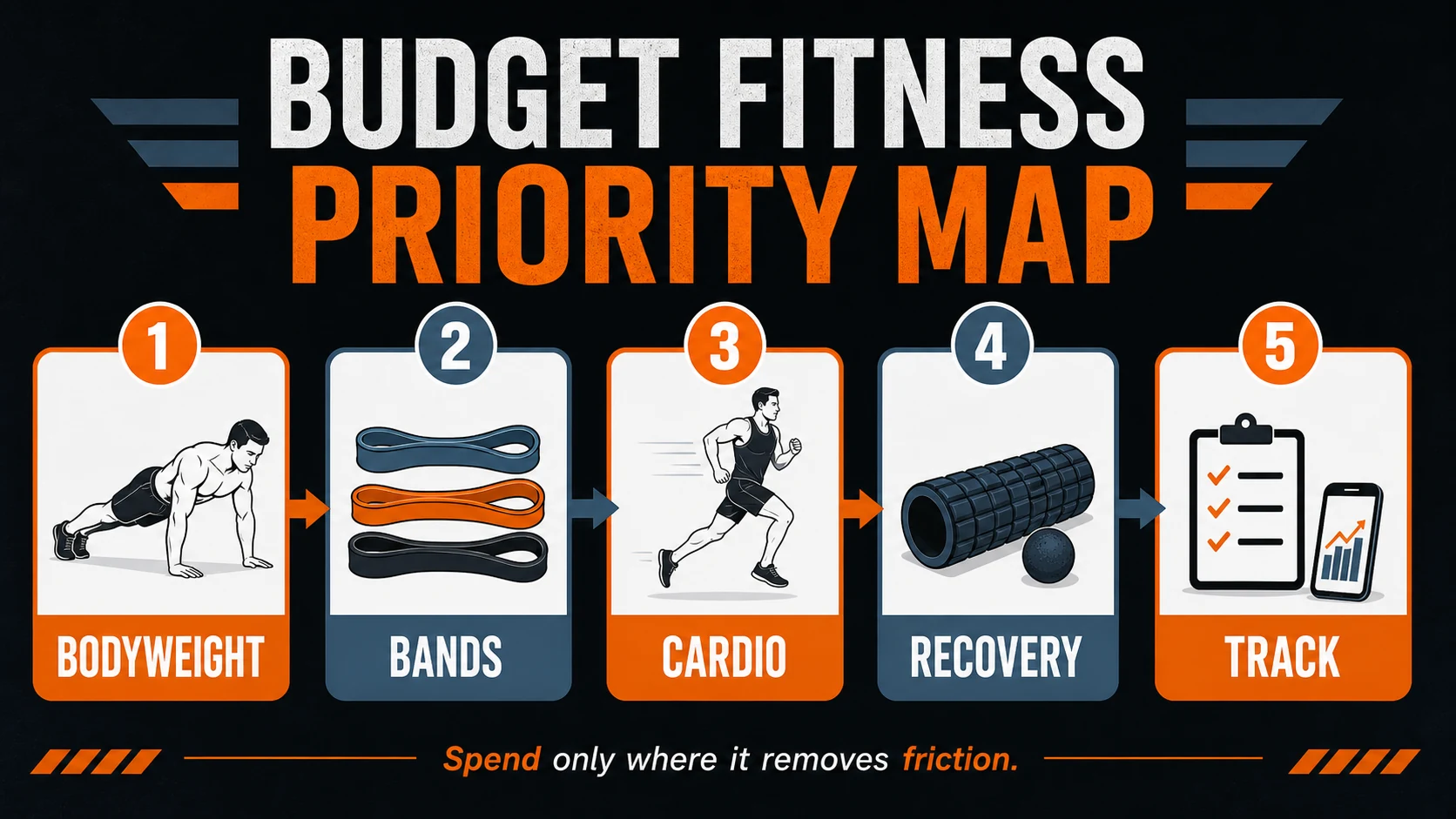
| Priority | $0 option | First useful upgrade | Later upgrade |
|---|---|---|---|
| Strength | Squats, push-ups, lunges, planks | Resistance bands | Adjustable dumbbells |
| Pulling | Safe towel/table row only if setup is solid | Bands + door anchor | Pull-up bar or cable option |
| Cardio | Walking, stairs, hill walks | Jump rope if impact is tolerated | Bike or treadmill only if used consistently |
| Mobility | Floor mobility | Mat or strap | Bands or foam roller |
| Core | Dead bugs, planks, side planks | Exercise sliders | Ab wheel later |
| Tracking | Notebook | Free app | Paid app only if it improves adherence |
Amazon.com Picks: Budget Training Starter Kit
These are not magic products. They are compact tools that solve common budget-training gaps: pulling, conditioning, core work, and progression.
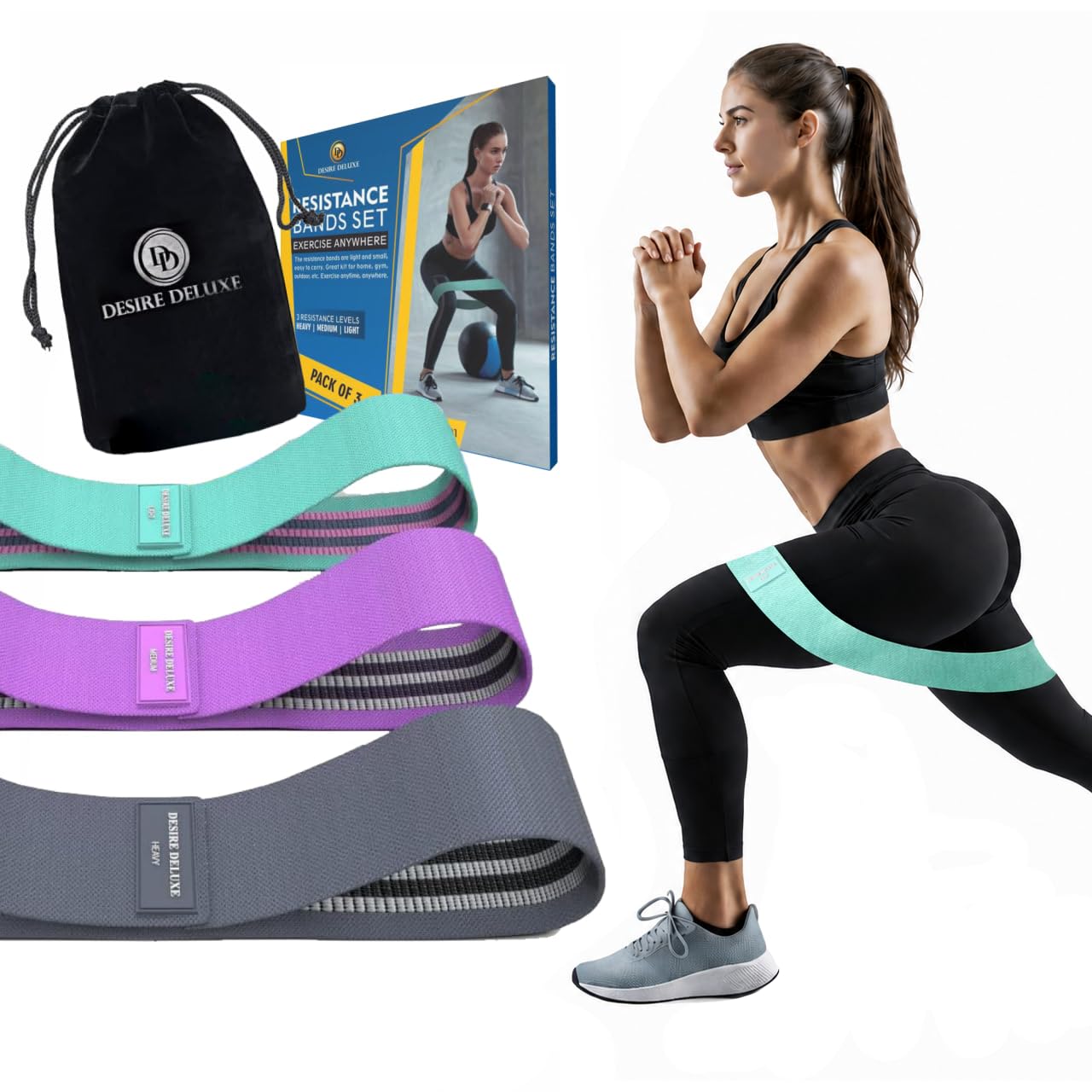
Resistance Bands
Best first upgrade when bodyweight training lacks pulling, shoulder work, and travel-friendly strength options.
- Add rows, pulldowns, warm-ups, and mobility work
- Useful in apartments, travel bags, and small home gyms
- Low cost, easy storage, and clear progression by tension
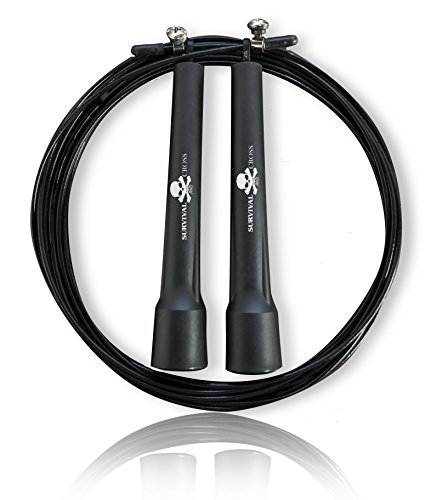
Jump Rope
Best for cheap conditioning when you have limited space and want measurable intervals.
- Creates short, trackable cardio sessions without a machine
- Works as a warm-up or finisher when impact is tolerated
- Packs easily for travel and small-space workouts

Exercise Sliders
Best for making core, hamstring, and lunge patterns harder without buying bulky equipment.
- Add progression to planks, hamstring curls, and mountain climbers
- Quiet enough for apartment workouts and small spaces
- Useful when bodyweight core work becomes too easy
*As an Amazon Associate, we earn from qualifying purchases. Product categories are chosen for training fit, not as a substitute for coaching or medical advice.
How to Progress Without Buying More Equipment
The cheapest way to progress is not always buying heavier equipment. First make the same movement cleaner, slower, deeper, or harder. The goal is measurable progression, not constant shopping.
| Progression method | Example | Why it is budget-friendly |
|---|---|---|
| More reps | 8 push-ups to 12 push-ups | Free and easy to track |
| More sets | 2 rounds to 3 rounds | More work without more gear |
| Slower tempo | 3-second lowering on squats | Makes light loading harder |
| Pause reps | 2-second pause in a split squat | Builds control without more weight |
| Longer range | Deeper controlled squat | Improves skill and training stimulus |
| Harder variation | Incline push-up to floor push-up | Natural progression path |
| Shorter rest | 90 seconds to 60 seconds | Adds a conditioning challenge |
| Unilateral work | Split squat instead of squat | More difficulty with less load |
ACSM’s updated resistance-training guidance notes that strength training does not need to happen only in traditional gym settings; bodyweight exercise, elastic bands, and home-based routines can still improve strength and physical function when programmed intelligently. See the ACSM resistance training guideline update for the broader position.
A Complete 7-Day Budget Fitness Plan
This is a minimum effective week, not a maximal plan. Repeat it for four weeks before changing the setup.
If you want a broader structure after this starter week, compare it with effective home workout routines.
Walking Is the Most Underrated Budget Cardio Tool
Walking is the budget cardio base most men skip because it feels too simple. That is the point. It costs nothing, scales easily, supports recovery, and pairs well with two or three weekly strength sessions.
| Goal | Walking solution |
|---|---|
| Start without equipment | 20-30 minute easy walk |
| Build a cardio base | 30-45 minute brisk walk |
| Add intensity without a machine | Hill walk, stairs, or faster intervals |
| Support recovery | Easy walk on an off-day |
| Track progress | Steps, distance, time, pace, or route |
The CDC adult physical activity guidelines recommend weekly aerobic activity plus muscle-strengthening work. Budget fitness fits that logic well: walking can cover the aerobic base, while bodyweight and bands cover strength.
Fitness on a Budget for Men Over 40
Men over 40 do not need a more expensive plan. They need a more repeatable plan. That usually means strength two or three times per week, walking as the cheapest conditioning tool, and small upgrades that solve real gaps.
| Problem | Expensive mistake | Better budget move |
|---|---|---|
| Joints feel stiff | Buying a machine first | Walking, mobility, bands, and slower progressions |
| No time | Paying for a gym you rarely use | 30-minute home full-body sessions |
| No pulling at home | Buying a large cable system too early | Resistance bands and a door anchor |
| Cardio is missing | Buying a treadmill first | Walking, stairs, then jump rope only if tolerated |
| Motivation swings | Stacking app subscriptions | Visible four-week plan and a simple tracker |
| Recovery is ignored | Buying more gear | Sleep, walks, deloads, and manageable volume |
For age-specific programming tradeoffs, use fitness for different ages as the next reference.
Small-Space, Apartment and Travel Workouts
A budget plan should work when space is limited. That means quiet exercises, compact tools, and workouts that do not require a full room, rack, or long setup time.
Bands, sliders, a mat, tempo squats, push-ups, split squats, dead bugs, and rows.
Skip jumping. Use walking, stairs outside, step-ups, marching intervals, and slow strength sets.
Pack bands, use bodyweight circuits, walk daily, and keep the plan shorter rather than random.
Where Cheap Becomes Expensive
Cheap is not the same as smart. A smart budget setup is safe, repeatable, measurable, and easy to store. A bad budget setup is a pile of low-quality tools that do not solve your training problem.
| Cheap decision | Why it can cost more | Better rule |
|---|---|---|
| Flimsy bands | They can snap, wear fast, or feel unsafe | Inspect bands and replace worn gear |
| Too much jump rope too soon | Calves and Achilles may get overloaded | Walk first; add rope gradually |
| No pulling exercises | Shoulder balance suffers | Buy bands before random gadgets |
| Only HIIT | Burnout and poor strength progress | Use full-body strength as the base |
| No tracking | Progress is invisible | Use a notebook or free app |
| Bulky gear too early | Money and space get locked into the wrong tool | Prove the four-week habit first |
The gap most budget fitness advice leaves open
It talks about saving money, but not about progression. A plan is only cheap if it keeps working. Track your reps, walks, sets, and recovery so you know when to make the next small upgrade.
When to Upgrade Your Setup
Upgrade when the limitation is specific. If your pushing is strong but pulling is missing, buy bands. If cardio consistency is poor, schedule walking before buying a machine. If home strength work feels too easy, change tempo or variation before buying more equipment.
Upgrade rule: Spend money only when the purchase improves safety, consistency, progression, or recovery. If it only makes the setup look more serious, wait.
For buying decisions beyond this starter setup, compare home gym equipment, fitness gear and equipment, and strength training at home before spending more.
Budget Home Gym Mistakes to Avoid
Run the same plan for four weeks before deciding what is missing.
Progress usually comes from repeating the basics, not replacing them every week.
A low-cost plan still needs sleep, easy days, and enough food to support training.
Protect the Floor Before Expanding the Setup
A cheap machine can become an expensive mistake if the floor, moisture or noise plan is wrong. Measure the training zone first, then compare materials by the heaviest use.
Conclusion
Fitness on a budget is not a downgrade. It is a filter. Start with the work that matters, buy only the tools that make the work repeatable, and keep the plan simple enough to measure.
Your next step is straightforward: choose three strength days, one walking target, and one low-cost tool that solves a real gap. Then run the same plan for four weeks before changing the setup.
Next Step: Home Workout Routines
If you want a broader plan after setting your budget, use effective home workout routines to connect strength, cardio, mobility, and recovery without overbuying gear.
Medical Disclaimer
This article is for general fitness education only and does not replace medical advice, diagnosis, physical therapy, or individualized coaching. If you have chest pain, dizziness, uncontrolled blood pressure, a recent injury, or symptoms that worsen with exercise, speak with a qualified healthcare professional before starting or intensifying workouts.
Affiliate Disclosure
PrimeForMen may earn a commission from qualifying purchases through affiliate links. Recommendations are based on practical training fit for the article topic, and affiliate relationships do not change the editorial standard.
Frequently Asked Questions About Fitness on a Budget
Can I build muscle on a budget?
Yes, especially if your plan includes progressive overload. Bodyweight exercises, resistance bands, tempo work, harder variations, and later dumbbells can all support muscle-building when training is consistent.
What is the cheapest way to get fit?
The cheapest base is bodyweight strength training, walking, mobility, and a notebook for tracking. Add equipment only when a clear limitation appears.
Do I need a gym membership?
No. A gym can help, but it is not required. A home plan can cover strength, cardio, mobility, and recovery if it is structured and repeated.
What equipment do I need for a budget home gym?
Start with resistance bands, exercise sliders, and possibly a jump rope. Add dumbbells, a pull-up bar, or a bench only after the basic habit is proven.
Can resistance bands replace weights?
They can replace some early strength and pulling work, especially at home or while traveling. They do not perfectly replace heavy weights, but they are an excellent low-cost first upgrade.
Is walking enough cardio for budget fitness?
Walking can be the base. Brisk walking, hills, stairs, and longer routes can build aerobic consistency without buying a machine.
How do I progress without buying heavier weights?
Add reps, sets, tempo, pauses, range of motion, unilateral exercises, harder variations, or shorter rest periods before buying more equipment.
What should men over 40 buy first for home fitness?
Usually resistance bands, because they add pulling work, warm-ups, and joint-friendly options. Walking and mobility should stay in the plan even when equipment increases.
Is jump rope safe for beginners or men over 40?
It can be useful, but start carefully. If calves, Achilles, knees, or feet do not tolerate impact, walking, stairs, cycling, or low-impact intervals may be better first choices.
What cheap fitness equipment should I avoid?
Avoid flimsy tools, bulky machines you cannot store, gadgets that solve no clear problem, and subscriptions you will not use consistently.
How do I make a small apartment workout plan?
Use quiet bodyweight strength, bands, sliders, a mat, walking outside, and slow tempo sets instead of jumping or loud conditioning.
Should I pay for a gym or build a home setup?
Choose the option you will repeat. If travel time and schedule friction keep you from training, a simple home setup may beat a better-equipped gym.
What is the minimum weekly budget fitness plan?
Use two or three full-body strength sessions, two or more walks, one mobility/recovery day, and one full rest or easy movement day.
When should I upgrade from bodyweight to dumbbells?
Upgrade when reps, tempo, unilateral variations, and bands no longer create enough challenge for key movements.