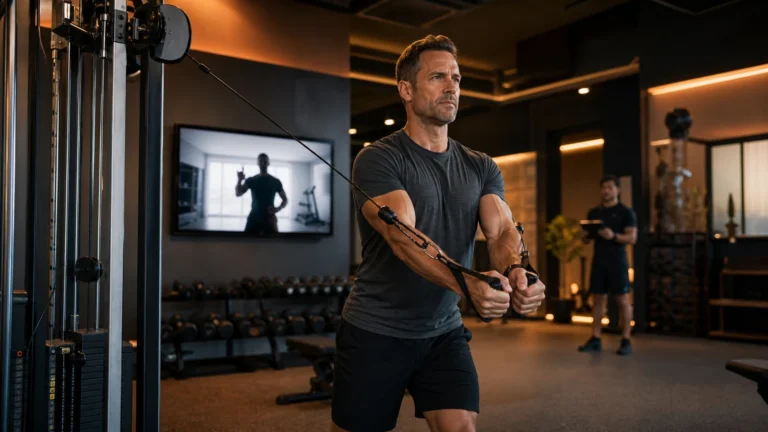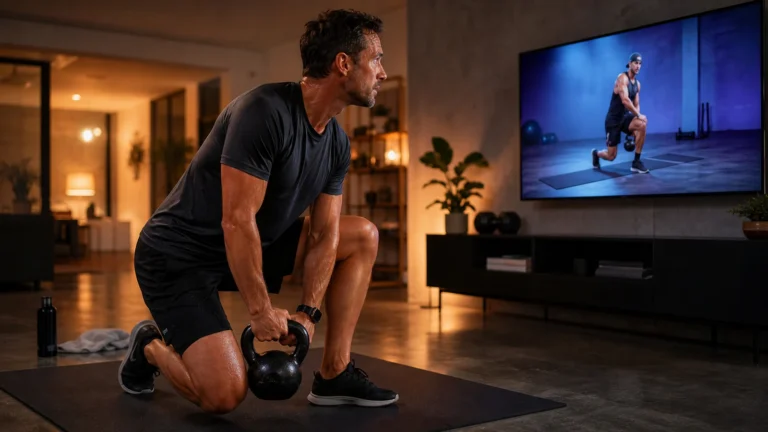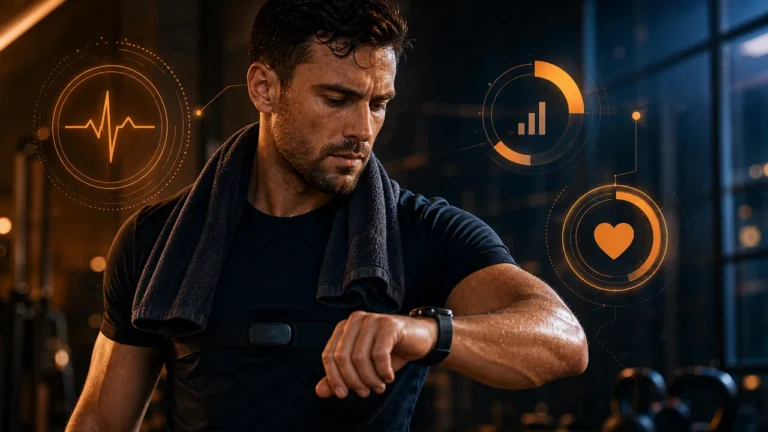
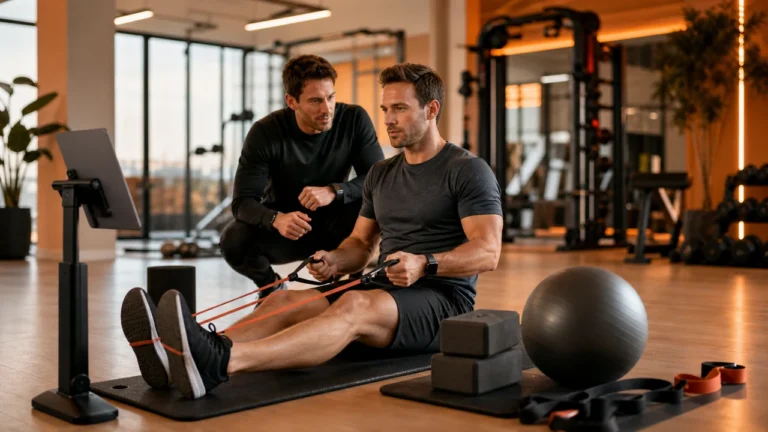
Adaptive fitness technology guide for 2026: choose tools by access, scaling, feedback, safety, independence, and progression.
- Start with the problem this trend or tool should solve.
- Prefer clear structure, realistic claims, and repeatable habits over novelty.
- Use products as support tools only; they do not replace coaching, sleep, recovery, medical care, or professional guidance.
Bottom line Adaptive fitness technology is useful when it improves access, scaling, feedback, and independence without pretending to diagnose, treat, or replace professional guidance.
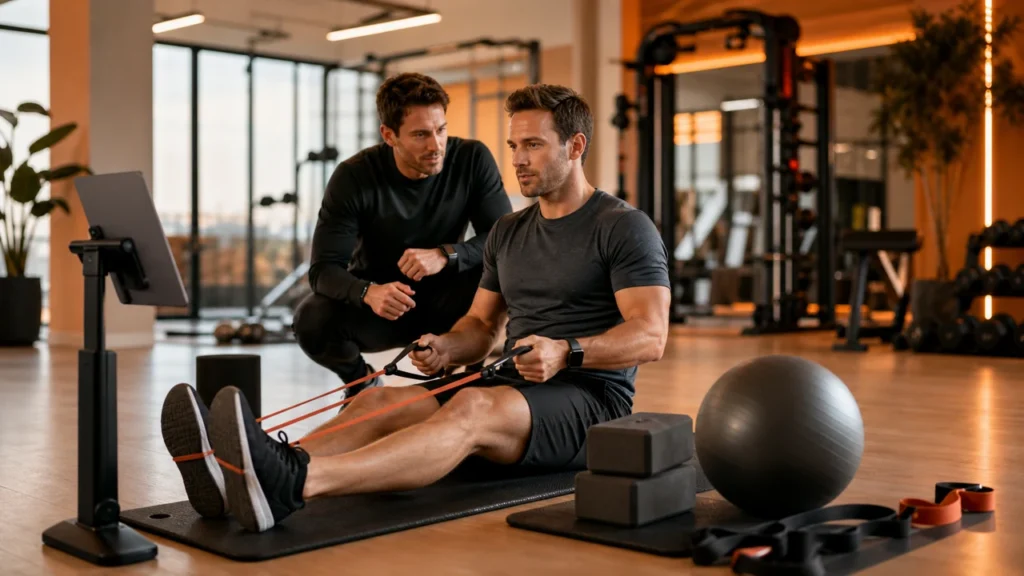
Adaptive Fitness Technology in 2026 should be judged by practical fit, not trend language. This refresh replaces the old broad overview with a decision guide built around what a man can actually use, sustain, and verify.
Adaptive fitness technology is useful when it improves access, scaling, feedback, and independence without pretending to diagnose, treat, or replace professional guidance.
- Start with the problem this trend or tool should solve.
- Prefer clear structure, realistic claims, and repeatable habits over novelty.
- Use products as support tools only; they do not replace coaching, sleep, recovery, medical care, or professional guidance.
- Scale back or stop if pain, dizziness, unusual symptoms, or burnout signals appear.
The Prime Perspective: Trends Only Matter When They Change Behavior
The best adaptive tool is not the most futuristic one. It is the one that helps a real person start, adjust, repeat, and progress with less friction.
For 2026 context, this article uses CDC guidance on physical activity and disability and ACSM 2026 fitness trends. The practical filter is simple: does the trend help you train, recover, participate, or progress more consistently?
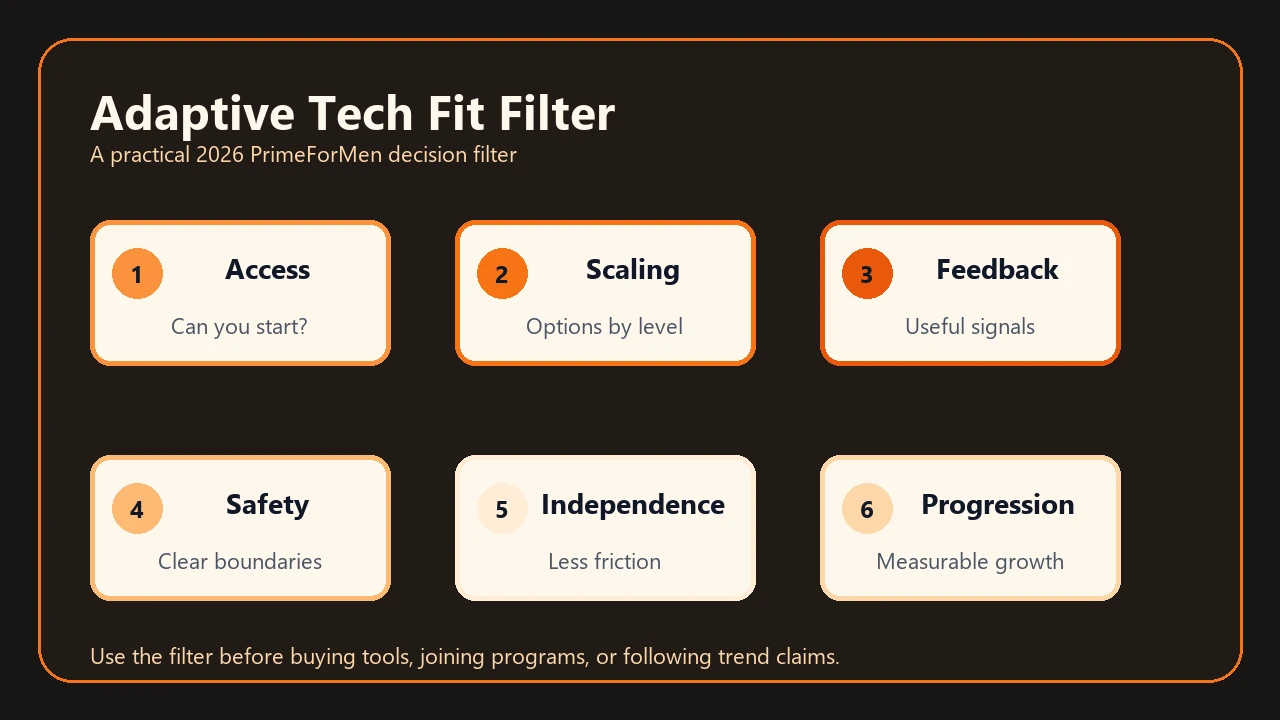
What This Guide Is Really Solving
Old trend articles often list what is popular without helping readers decide. This version focuses on fit: goal, schedule, access, recovery, privacy, equipment, and whether the idea survives normal life.
Related PrimeForMen paths include inclusive fitness trends, fitness for different ages, and strength training at home.
Useful Tools for This Decision
Adaptive fitness tools should make movement easier to scale and repeat. They do not replace clinician guidance, rehab plans, or individualized coaching.

Yoga blocks
Amazon Basics Non-Slip Yoga Blocks
- Make mobility positions easier to scale without forcing range.
- Support floor-to-standing transitions and modified holds.
- Useful for beginners, older adults, and mobility-focused sessions.

Resistance loop bands
Fit Simplify Resistance Loop Exercise Bands
- Offer low-load resistance for seated, standing, or travel-friendly drills.
- Scale easily across warm-ups, activation, and accessory work.
- Help make strength work available when machines are not practical.

Stability ball
Trideer Exercise Ball for Yoga, Pilates and Fitness
- Supports balance, trunk control, and modified core work.
- Creates several difficulty levels from one tool.
- Useful when fixed floor exercises are too limiting.
* As an Amazon Associate, PrimeForMen may earn from qualifying purchases. These products do not diagnose, treat, cure, or replace professional care.
How to Evaluate the Trend
Use the table before committing. A good choice should reduce friction, improve clarity, or make participation easier. If it mostly adds pressure, confusion, cost, or lock-in, it is not the next move.
| Option | What it means | PrimeForMen verdict |
|---|---|---|
| Scalable equipment | Blocks, bands, balls, adjustable supports | Best when exercises need several entry points. |
| Feedback tech | Wearables, apps, sensors | Useful when the signal changes behavior. |
| Remote coaching tools | Video, check-ins, form review | Helpful when feedback is specific and safe. |
| Overbuilt tech | Complex setup, vague promises | Skip when it adds friction or medical-sounding claims. |
Accessibility-vs-complexity meter
The moving bar is a visual reminder: the useful direction is away from hype and toward a repeatable, recoverable plan.
Useful access
The Knowledge Gap: Fit Beats Adoption
The missing question is not whether the trend is popular. The missing question is whether it creates a better entry point, better recovery, better accountability, or better progression for the person using it.
- Define the outcome before buying, subscribing, or joining.
- Check safety, privacy, recovery, and realistic use boundaries.
- Use scalable tools and realistic schedules.
- Review after two weeks: keep what improved consistency and remove what created friction.
Practical Setup Notes
Start small
Make the first version easy enough to repeat twice before upgrading the plan.
Track one signal
Use one useful metric: sessions completed, sleep quality, effort, steps, recovery, or consistency.
Protect recovery
Trends fail when they ignore fatigue. Use functional fitness training when soreness or stress stacks up.
Keep the exit option
Do not stay with a program, platform, device, or class that relies on shame, extreme claims, or poor fit.
Simple 24-Hour Decision Protocol
- Write down the exact problem you want solved.
- Check whether the idea fits your current schedule, body, budget, and recovery.
- Compare the support tools above only after the goal is clear.
- Try the smallest version for two weeks.
- Keep it only if it improves consistency without raising unnecessary stress.
Bottom Line
Adaptive Fitness Technology deserve attention only when they make training, recovery, or participation easier to sustain. Choose fit over novelty, evidence over marketing, and repeatability over intensity.
For the broader system, continue with sustainable fitness.
This article is general education only and does not replace medical advice, physical therapy, mental health care, accessibility assessment, or individualized coaching. Stop if you feel sharp pain, dizziness, chest pain, faintness, numbness, worsening symptoms, or unusual discomfort.
Some product links are affiliate links. PrimeForMen may earn a commission from qualifying purchases at no extra cost to you.
If you want to connect this topic to a realistic fitness routine, use wearable fitness tech and keep the plan grounded in your actual week.
Frequently Asked Questions About Adaptive Fitness Technology
What is adaptive fitness technology?
Adaptive fitness technology includes tools, apps, wearables, and scalable equipment that make training easier to access, modify, track, or repeat for different ability levels.
Is adaptive fitness technology only for disability?
No. It can help people with disabilities, older adults, beginners, returning exercisers, and anyone who needs safer scaling or clearer feedback.
What should men check before buying adaptive fitness tools?
Check whether the tool reduces friction, supports safe scaling, fits the available space, and works with any professional guidance you already have.
Can adaptive technology replace physical therapy?
No. It may support movement practice, but it does not diagnose, treat, or replace physical therapy or medical guidance.
Which adaptive tools are easiest to start with?
Yoga blocks, resistance bands, and a stability ball are practical starting tools because they scale many exercises without requiring a full gym.