Build smarter rest and recovery for men with sleep, nutrition, active recovery, deloads, recovery signals, and warning signs.
- Recovery is how training becomes progress, not lost discipline.
- Use sleep, nutrition, active recovery, and deloads before chasing a harder plan.
- If performance, joints, motivation, and sleep trend down, modify before symptoms escalate.
Bottom line The disciplined move is not always to push; sometimes it is to lower stress so the week can continue.

Rest and recovery for men are not what you do when training stops. They are how training turns into progress. For men, especially after 40, the goal is not to rest randomly or push harder every week. The goal is to read recovery signals, sleep well enough, fuel the work, use active recovery when it helps, and deload before fatigue turns into pain or stalled performance.
If every workout feels like a test of willpower, recovery is probably not a soft detail anymore. It is the limiting factor. Better recovery does not mean softer standards. It means better training math.
Quick Summary: Rest and recovery
- Recovery is how training becomes progress; it is not laziness or lost discipline.
- Sleep, food, hydration, stress, soreness, joints, and performance all matter more than one isolated bad day.
- Use full rest, active recovery, modified training, or a deload based on signals, not guilt.
- Men over 40 need better recovery math because sleep debt, work stress, joint history, and high-intensity days stack faster.
- Chest pain, fainting, unusual shortness of breath, numbness, swelling, or worsening symptoms are medical red flags.
The Prime Perspective
Recovery is not the opposite of training. Recovery is the part that lets training work. A hard session creates a signal. Sleep, food, hydration, lower-stress movement, and smart programming decide whether that signal becomes adaptation or just fatigue.
The disciplined move is not always to push. Sometimes it is to modify the session so the week can continue.
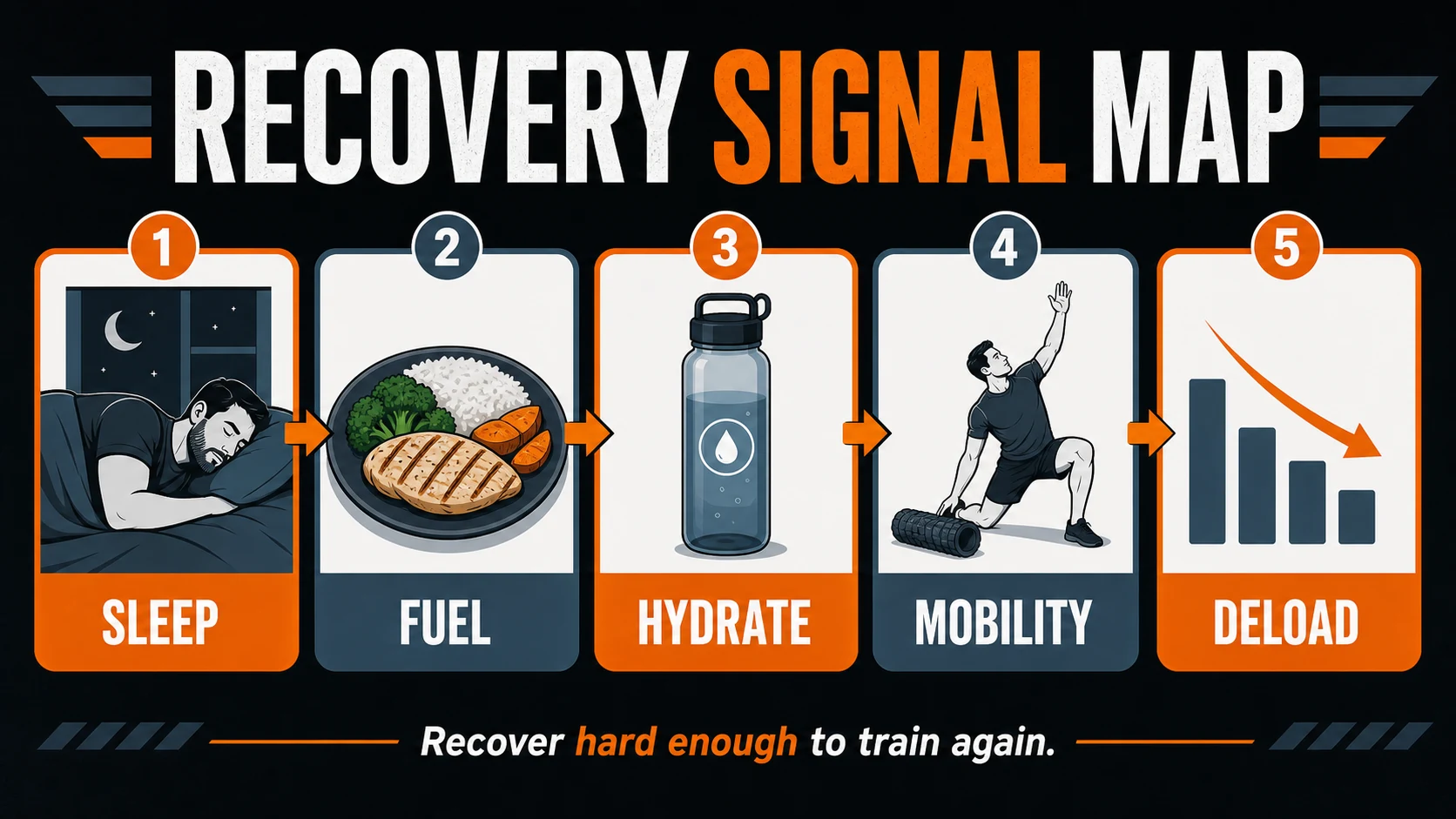
The Recovery Signal Map
Do not rely only on soreness. Read the pattern across sleep, warm-up feel, joints, appetite, motivation, hydration, and performance.
| Signal | What it may mean | First adjustment |
|---|---|---|
| Sleep is short or broken | Recovery capacity is lower. | Reduce intensity or make the session technical. |
| Warm-up feels heavy | Fatigue is showing before the workout starts. | Extend warm-up and test lighter loads. |
| Joints are irritated | Load, volume, range, or exercise selection may be wrong. | Reduce load/range or change the variation. |
| Motivation is unusually flat | Could be under-recovery, not laziness. | Use a minimum session or active recovery. |
| Performance drops for several sessions | The pattern matters more than one bad day. | Deload or reduce weekly volume. |
Should You Train Today? A Simple Recovery Decision Tree
Before you force another hard session, check the pattern. One bad night of sleep does not automatically cancel training. Several poor sessions, heavy warm-ups, irritated joints, low appetite, flat motivation, and worsening fatigue point to under-recovery.
| Signal today | Best decision | Why |
|---|---|---|
| Chest pain, fainting, severe breathlessness, numbness, swelling, or unusual symptoms | Stop and get medical guidance | These are red flags, not fitness tests. |
| One poor night of sleep | Warm-up test, then adjust intensity | One bad night does not always require full rest. |
| Performance down for several sessions | Modify workout or deload | A trend is a programming signal. |
| Mild muscle soreness | Train lighter or use another region | DOMS is not automatically a stop sign. |
| Joint pain or altered technique | Back off, reduce range/load, or rest | Pain that changes movement changes risk. |
| Systemic fatigue, low appetite, poor sleep, low motivation | Active recovery or full rest | Do not try to break fatigue with HIIT. |
| Good sleep, normal warm-up, stable joints | Train as planned | Recovery signals support the session. |
Rest Days Are Not All the Same
A rest day can mean full rest, active recovery, a modified session, or a planned deload. The right choice depends on the signal, not the calendar alone.
Use when fatigue is systemic, sleep is poor, symptoms are unusual, or movement quality is clearly off.
Use easy walking, cycling, swimming, or mobility when you feel stiff but not depleted.
Keep the habit, but reduce load, range, intensity, or volume.
Reduce training stress for a short block when several hard weeks have accumulated.
Use when symptoms suggest something beyond normal training fatigue.
Use when sleep, warm-up, joints, energy, and performance are normal.
Active Recovery Should Feel Almost Too Easy
Active recovery is not secret conditioning. If you turn recovery day into another hard workout, it is no longer recovery. Keep it easy enough that you finish looser, calmer, and more ready for tomorrow.
| Option | Goal | Intensity |
|---|---|---|
| 20-30 minute walk | Blood flow, stiffness reduction, low mental friction. | Conversation possible. |
| Easy bike | Circulation without impact. | Very light. |
| Easy swim | Joint-friendly movement. | Relaxed, not intervals. |
| Mobility flow | Range, breathing, and tissue tolerance. | No pain, no forcing. |
| Breathing reset | Downshift stress and tension. | Calm and slow. |
| Light technique work | Keep movement patterns without fatigue. | No failure, no ego load. |
Sleep Is the Highest-Return Recovery Tool
If recovery is failing, start with sleep before buying more tools. The CDC sleep overview lists 7 or more hours as the adult sleep recommendation. You do not need to obsess over one night, but chronically short sleep makes every recovery decision harder.
| Sleep factor | Why it matters | Practical move |
|---|---|---|
| Sleep duration | Short sleep lowers recovery capacity. | Use 7+ hours as a rough adult target. |
| Wake time consistency | Stabilizes the routine. | Prioritize a predictable wake time. |
| Late hard training | Can leave some men wired. | Move intensity earlier or make late sessions easier. |
| Caffeine timing | Late caffeine can interfere with sleep. | Be cautious in the afternoon and evening. |
| Bedroom environment | Light, noise, and heat disrupt sleep. | Make the room cooler, darker, and quieter. |
| Travel or shift work | Rhythm breaks easily. | Use a sleep mask, light management, and repeatable cues. |
Recovery Nutrition: Protein, Carbs, Hydration, and Calories
Recovery nutrition does not need to be complicated. Start with enough total food, a protein anchor at each meal, carbs around harder training, and water earlier in the day. If you train hard while under-eating, sleeping poorly, and skipping fluids, the problem is not that you need a more advanced program.
The International Society of Sports Nutrition position stand on protein and exercise gives a broad daily protein range often used for active people. Treat that as context, not a personalized prescription.
| Recovery gap | Common problem | Better action |
|---|---|---|
| Protein too low | Training without enough repair building blocks. | Anchor protein across meals. |
| Carbs too low | Hard sessions feel flat or under-fueled. | Place carbs around harder training. |
| Calories too low | Diet plus hard training plus poor sleep. | Account for recovery cost. |
| Hydration forgotten | Headache, poor performance, cramps, heavy warm-ups. | Drink earlier in the day, not only after training. |
| Post-workout chaos | Hours pass with no meal after a hard session. | Use a simple protein-centered meal. |
| Alcohol normalized | Sleep and recovery quality can suffer. | Do not treat alcohol as recovery. |
How to Deload Without Losing Progress
A deload is not quitting. It is a planned reduction in training stress so your next block can work. Most men should first reduce volume before deleting the habit. Keep the schedule, keep the movement pattern, but lower the cost of the week.
| Deload type | What to reduce | Best for |
|---|---|---|
| Volume deload | 30-50% fewer hard sets. | High-volume lifting blocks. |
| Load deload | 5-15% less weight. | Heavy compound work. |
| Intensity deload | No sets near failure. | High fatigue or flat motivation. |
| Exercise deload | Joint-friendlier variations. | Irritated shoulders, knees, hips, elbows, or back. |
| Skill deload | Technique, mobility, zone 2. | Mental fatigue and messy reps. |
| Full recovery week | Several active-recovery days. | Systemic fatigue or multiple low-score days. |
Recovery for Men Over 40
Men over 40 usually do not need softer training. They need better recovery math. Hard sessions still matter, but poor sleep, work stress, joint history, alcohol, low protein, dehydration, and too many high-intensity days stack faster than they used to.
| Signal | What it often means | Adjustment |
|---|---|---|
| Warm-up always feels heavy | Recovery or sleep is lagging. | Lower intensity today. |
| Joints hurt more than muscles | Volume, exercise choice, or technique needs review. | Change range, load, or variation. |
| More caffeine is needed to train | Sleep debt or overload may be masked. | Prioritize sleep rhythm. |
| Motivation is unusually flat | Could be exhaustion, not laziness. | Use a minimum session. |
| Soreness lasts too long | Volume, novelty, or eccentric work may be too high. | Reduce new exercises and hard sets. |
| Performance falls for several sessions | Under-recovery pattern. | Deload or reduce weekly stress. |
Under-Recovery vs Overtraining
Do not label every bad workout as overtraining. Most men are dealing with under-recovery: too much stress, not enough sleep, inconsistent food, and too many hard days stacked together. But if performance, mood, sleep, appetite, pain, and fatigue keep worsening despite easier days, stop guessing and get qualified help.
| State | Meaning | What to do |
|---|---|---|
| Normal fatigue | Tired after hard training. | Sleep, eat, hydrate, and use an easy day. |
| DOMS | Muscle soreness after novel or hard stimulus. | Move lightly and avoid panic-programming. |
| Under-recovery | Recovery repeatedly fails to match stress. | Reduce volume or intensity. |
| Functional overreaching | Planned hard phase with later rebound. | Only use with experienced programming. |
| Non-functional overreaching | Performance drops without a clear rebound. | Deload, improve sleep and nutrition, reassess load. |
| Overtraining syndrome | Longer-term, complex maladaptation. | Get medical or sports-professional guidance. |
The 60-Second Recovery Scorecard
One low score is information. Several low scores in a row are a programming signal.
| Score | Decision |
|---|---|
| 10-12 | Train as planned. |
| 7-9 | Train, but skip ego PRs. |
| 4-6 | Modify the session or train lighter. |
| 0-3 | Use active recovery, full rest, or medical guidance if red flags are present. |
Amazon.com Picks: Recovery Support Kit
Recovery tools are useful when they make the right habit easier. They do not replace sleep, food, hydration, load management, or medical care when symptoms are serious.
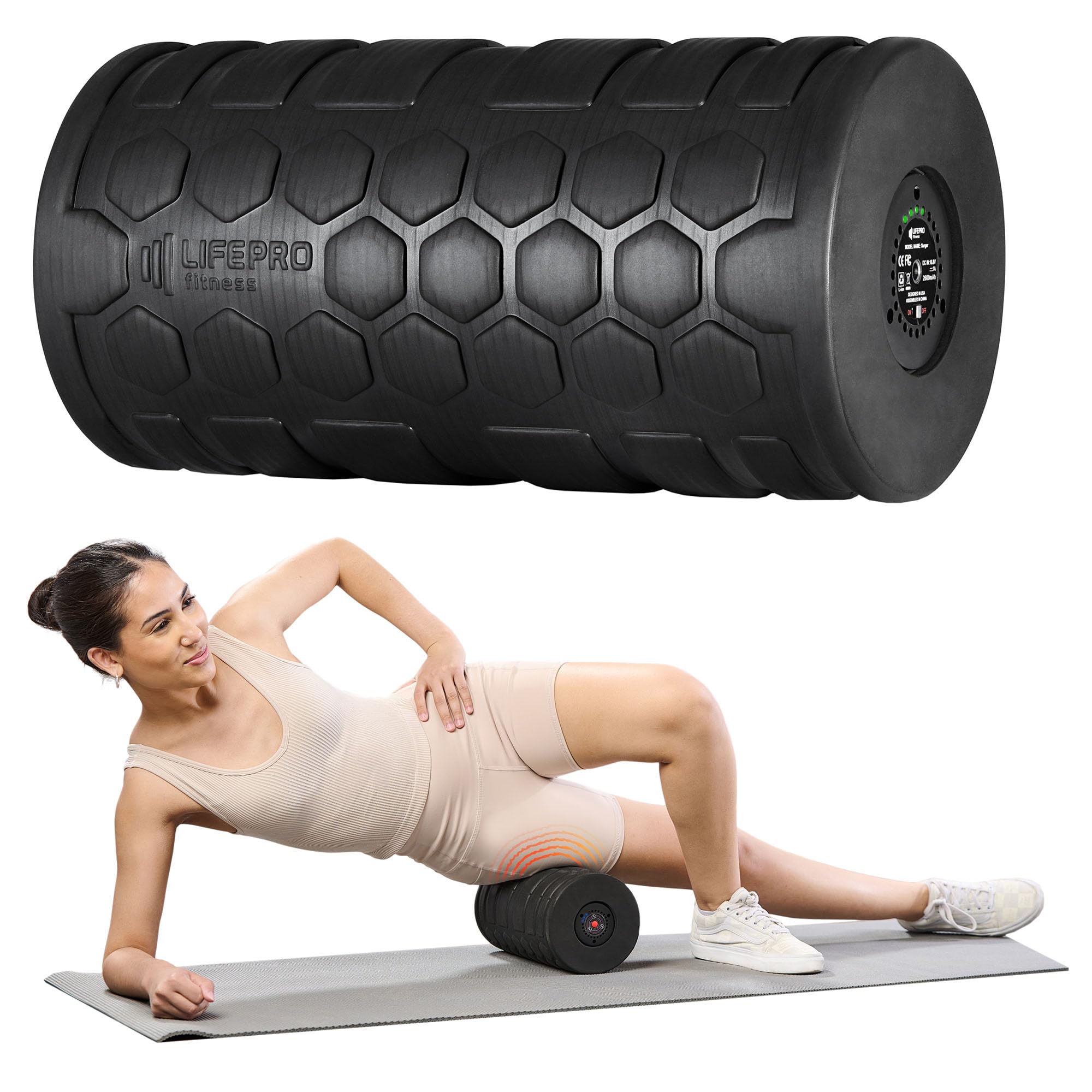
Foam Roller
Best for short cooldowns, tissue tolerance work, and making mobility feel easier after hard lower-body sessions.
- Useful for quads, calves, glutes, lats, and upper-back resets
- Helps create a repeatable 5-minute post-workout routine
- Works well before easy mobility or active recovery walks
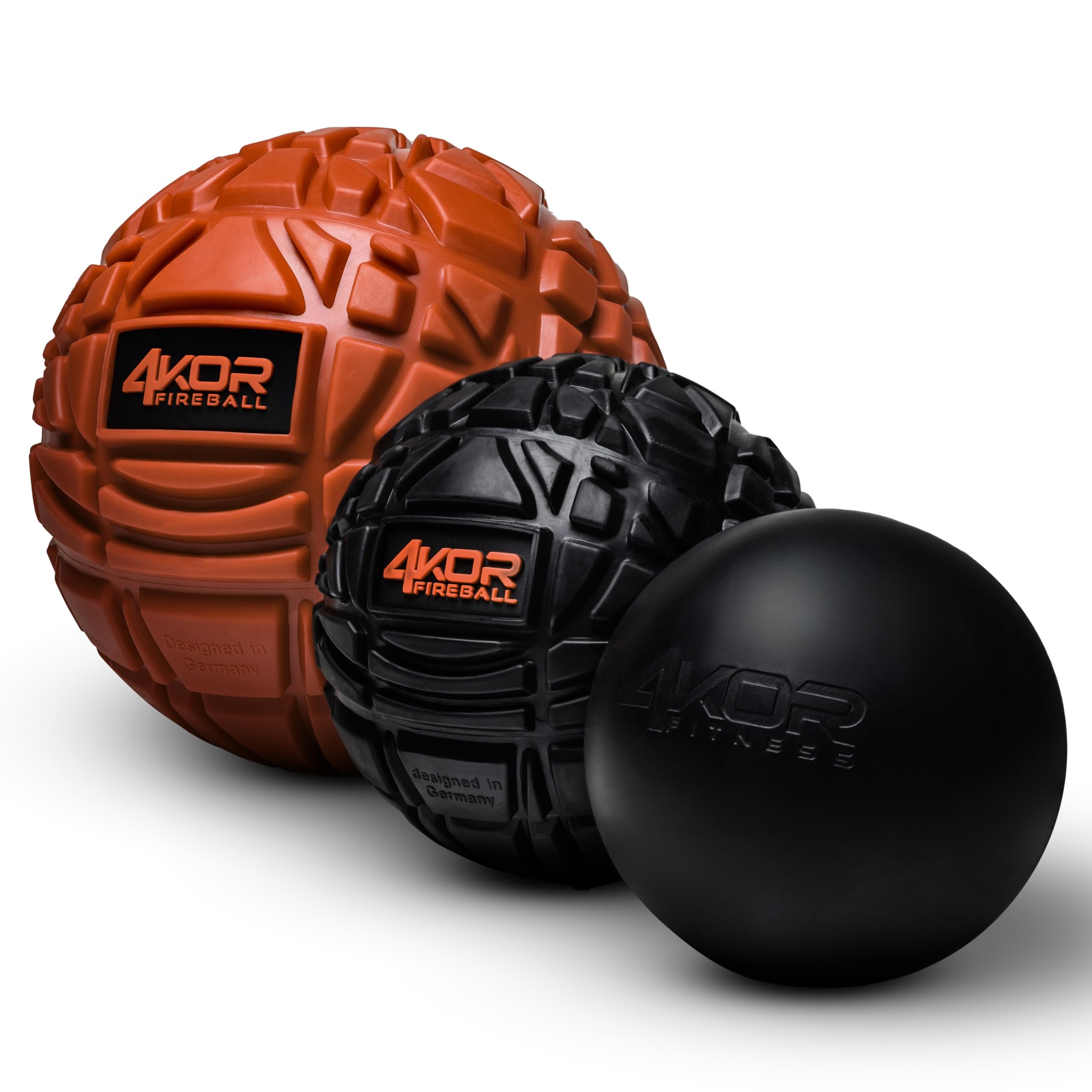
Massage Ball Set
Best for targeted pressure work when a full roller cannot reach feet, hips, traps, or small upper-back spots.
- More precise than a roller for arches, glutes, and shoulder-area work
- Easy to keep near a desk or travel bag
- Pairs well with breathing and gentle range-of-motion drills

Sleep Mask
Best for making a darker sleep environment when travel, street light, shared rooms, or early sunrise disturb sleep.
- Supports a consistent sleep routine without changing the whole room
- Useful for travel, shift schedules, and bright bedrooms
- Low-cost upgrade when sleep quality is the main recovery gap
*As an Amazon Associate, we earn from qualifying purchases. Product categories are chosen for recovery fit, not as a substitute for medical care, physical therapy, or individualized coaching.
The 24-Hour Recovery Reset
Do this today
Walk for 20 minutes. Eat a protein-centered meal with carbs if training was hard. Drink water earlier in the day. Do 10 minutes of easy mobility. Make the next workout short, clean, and submaximal if fatigue is still present. Set a predictable bedtime and wake time.
When Recovery Is a Warning Sign
Recovery problems become safety problems when symptoms are unusual, escalating, or not explained by normal training fatigue. Chest pain, fainting, dizziness, unusual shortness of breath, swelling, numbness, weakness, spreading pain, or symptoms that worsen with exercise deserve professional guidance.
Choose Recovery Tools by the Problem They Solve
Recovery gear cannot replace sleep, appropriate training load or nutrition. It can, however, make a specific recovery routine easier to repeat. Start with the use case, then compare cost, setup and contraindications.
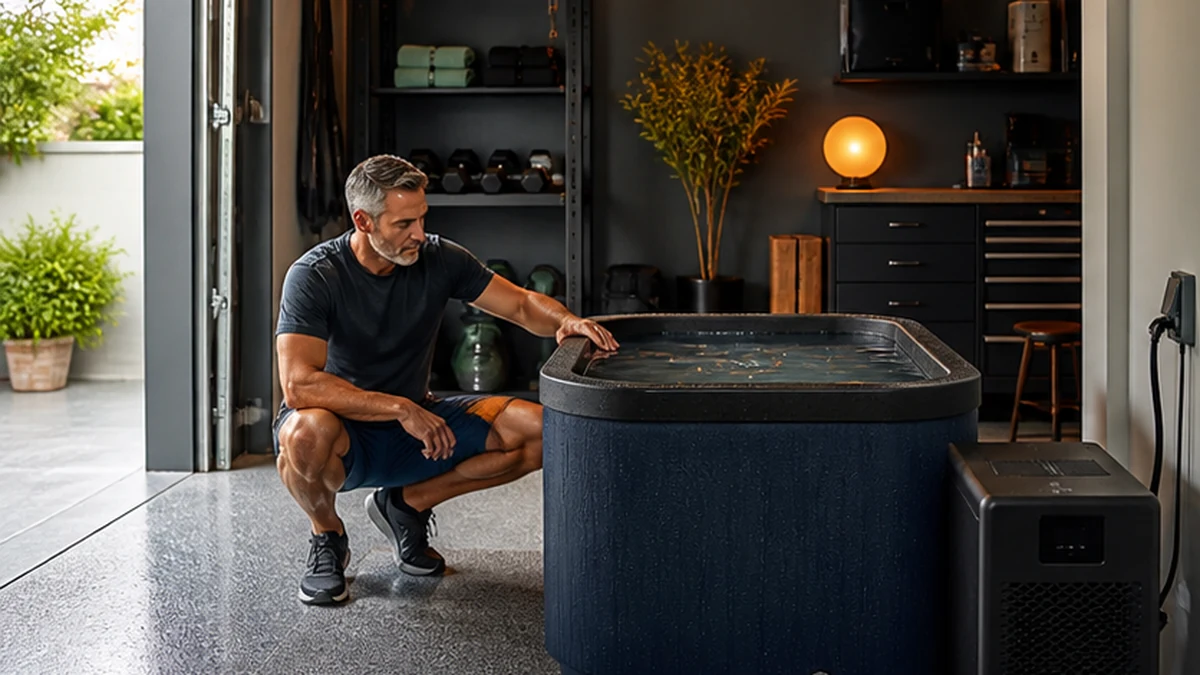 Cold Exposure
Best Cold Plunge Tubs for Home
Compare insulation, filtration, sanitation, running cost and safety before buying.
Open buying guide
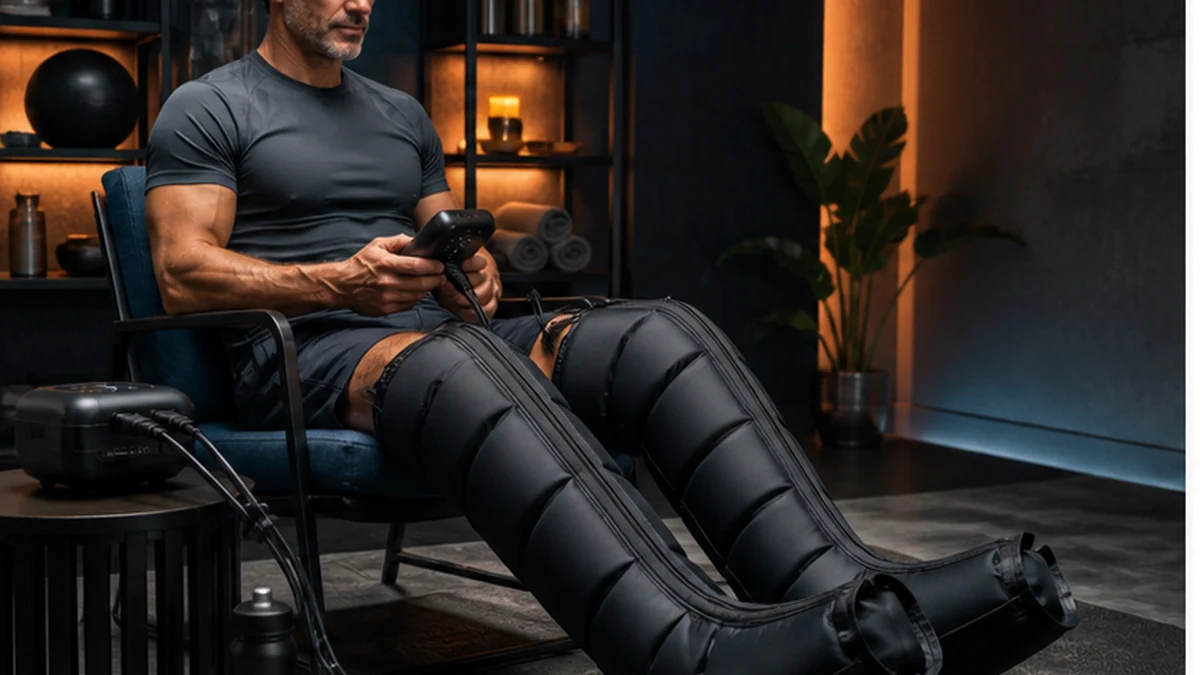 Compression
Best Recovery Boots for Athletes
Choose chamber coverage, controls and fit while keeping the evidence limits visible.
Open buying guide
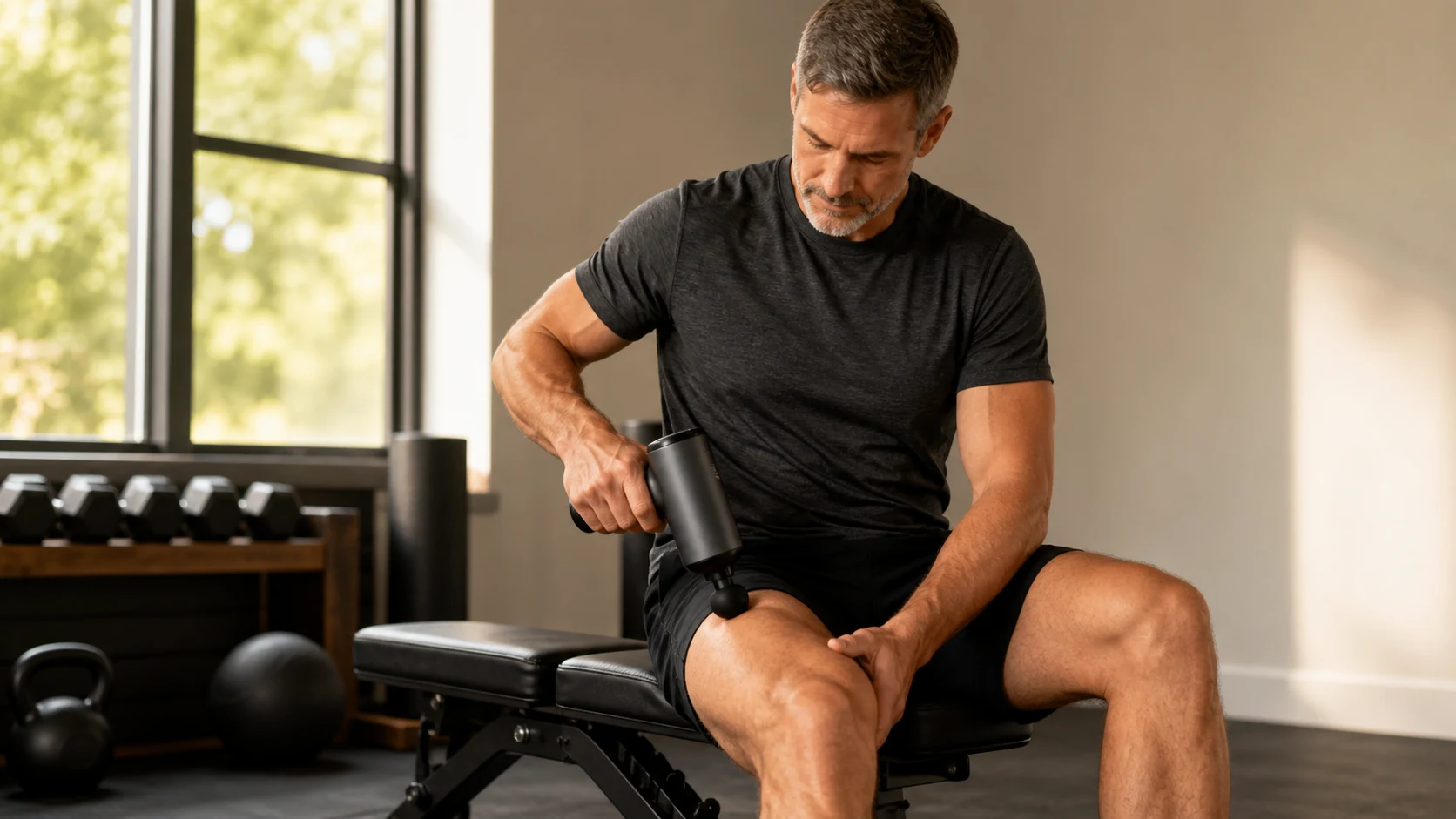 Percussion
Best Massage Guns for Workout Recovery
Match amplitude, attachments and ergonomics to the muscles you can safely reach.
Open buying guide
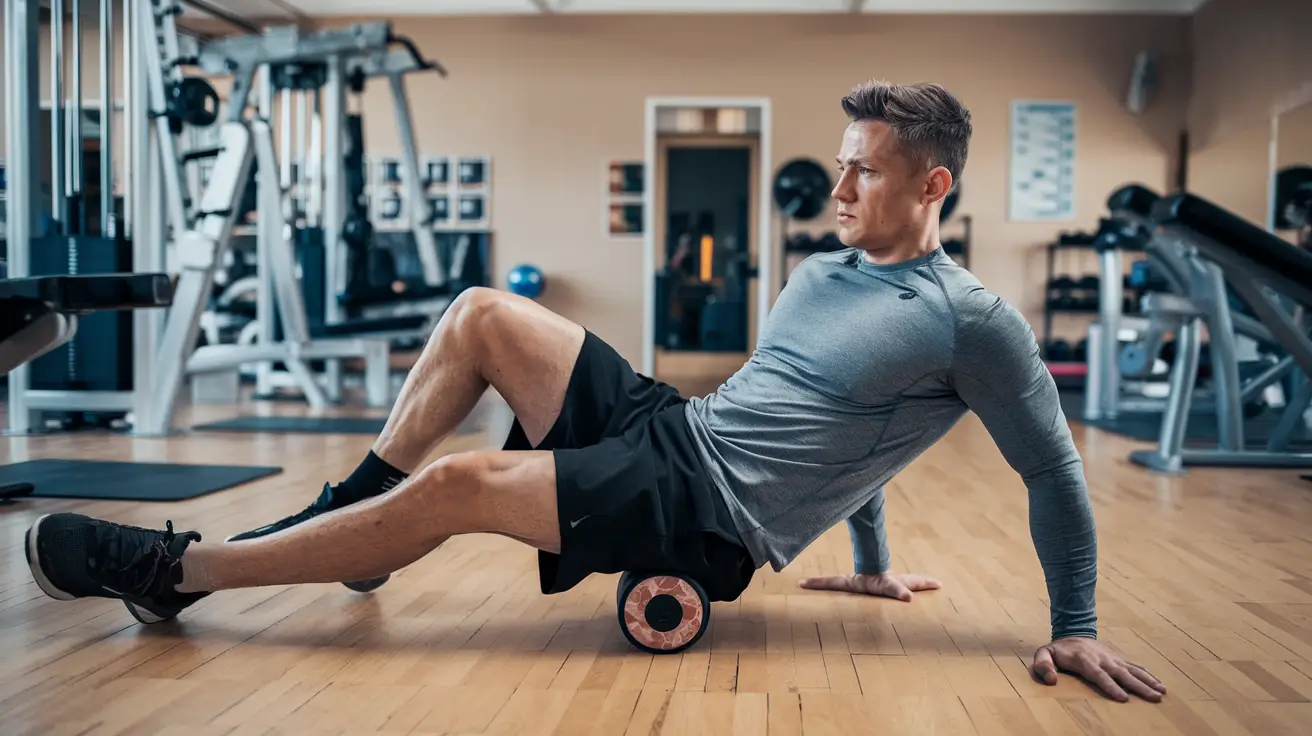 Low-Cost Option
Foam Rollers
Pick density, length and texture for a simple self-massage and mobility routine.
Open buying guide
Conclusion
Rest and recovery are how training becomes progress. You do not need a complicated recovery stack. You need enough sleep rhythm, food, hydration, easy movement, and deload discipline to let your next session show the benefit of the last one.
If progress has stalled, do not immediately search for a harder plan. First ask whether your current plan is giving your body enough room to adapt.
Next Step: Effective Home Workout Routines
If you need a weekly structure that balances hard work and recovery, use effective home workout routines. For recovery-specific movement, pair this guide with active recovery workouts, muscle recovery techniques, flexibility and stretching, and fitness for different ages.
Medical Disclaimer
This article is for general fitness education only and does not replace medical advice, diagnosis, physical therapy, or individualized coaching. If you have chest pain, fainting, uncontrolled blood pressure, unusual shortness of breath, swelling, numbness, weakness, spreading pain, or symptoms that worsen with exercise, speak with a qualified healthcare professional.
Affiliate Disclosure
PrimeForMen may earn a commission from qualifying purchases through affiliate links. Recommendations are based on practical training fit for the article topic, and affiliate relationships do not change the editorial standard.
Frequently Asked Questions About Rest and Recovery
What is the difference between rest and recovery?
Rest is time away from hard training. Recovery is the whole process that helps training become progress: sleep, food, hydration, lower-stress movement, deloads, and smart load management.
How many rest days do men over 40 need?
It depends on training intensity, sleep, stress, health status, and joint history. Many men over 40 do well with two or more lower-stress days each week, but the decision should follow recovery signals, not age alone.
Is soreness a sign I need a rest day?
Mild DOMS is not always a stop sign. Sharp pain, joint pain, altered technique, swelling, numbness, or symptoms that worsen are different and should change the plan.
Should I work out when tired?
If tired means one normal low-energy day, warm up and adjust. If tired means several poor sessions, heavy warm-ups, bad sleep, low appetite, and flat motivation, modify the session or recover.
How do I know if I need a deload week?
Use a deload when performance, joints, motivation, sleep, and warm-up feel trend down for several sessions, especially after weeks of hard training.
What should I do on an active recovery day?
Walk, bike easily, swim lightly, do mobility, breathe, or practice technique. It should feel easy enough that you finish better than you started.
How much sleep do I need for muscle recovery?
Most adults should use 7 or more hours as a rough target. Training hard with chronically short sleep makes recovery harder even if the workout plan is well designed.
What should I eat after a hard workout?
Use a simple protein-centered meal, add carbs when training was hard, and hydrate. The broader daily pattern matters more than a perfect 20-minute window.
Can walking help recovery?
Yes, easy walking can reduce stiffness, support circulation, and lower the friction of active recovery without adding much fatigue.
Do foam rollers actually help recovery?
A foam roller can support a short cooldown and make mobility feel easier, but it should not be treated as a replacement for sleep, food, hydration, or load management.
What are symptoms of under-recovery?
Common signs include repeated performance drops, heavy warm-ups, persistent soreness, irritated joints, poor sleep, low appetite, unusually flat motivation, and fatigue that does not improve with easy days.
What is overtraining syndrome?
Overtraining syndrome is a more serious, longer-term maladaptation to excessive training stress and insufficient recovery. Most men are dealing with under-recovery first, but persistent worsening symptoms deserve qualified help.
When should I stop training and see a professional?
Stop and get guidance for chest pain, fainting, unusual shortness of breath, swelling, numbness, weakness, spreading pain, or symptoms that worsen with exercise.
Is a deload better than taking a full week off?
Often, yes. A deload keeps the habit while reducing stress. A full week off may fit better when fatigue is systemic, symptoms are unusual, or life stress is overwhelming.
Can too much recovery hurt progress?
If recovery means avoiding useful training for no reason, yes, progress can slow. The goal is not maximum rest; it is the right stress-recovery balance.