Build a smarter home fitness starter kit with a mat, bands, dumbbells, safety checks, upgrades, and what men should skip early.
- Buy the smallest kit that removes friction first: mat, bands, and only then load.
- Choose gear by bottleneck: floor comfort, pulling, progressive load, storage, and safety.
- Delay benches, pull-up bars, cardio machines, and specialty gear until the routine proves the need.
Bottom line Essential gear should make training easier to repeat this week, not make a home gym look finished.
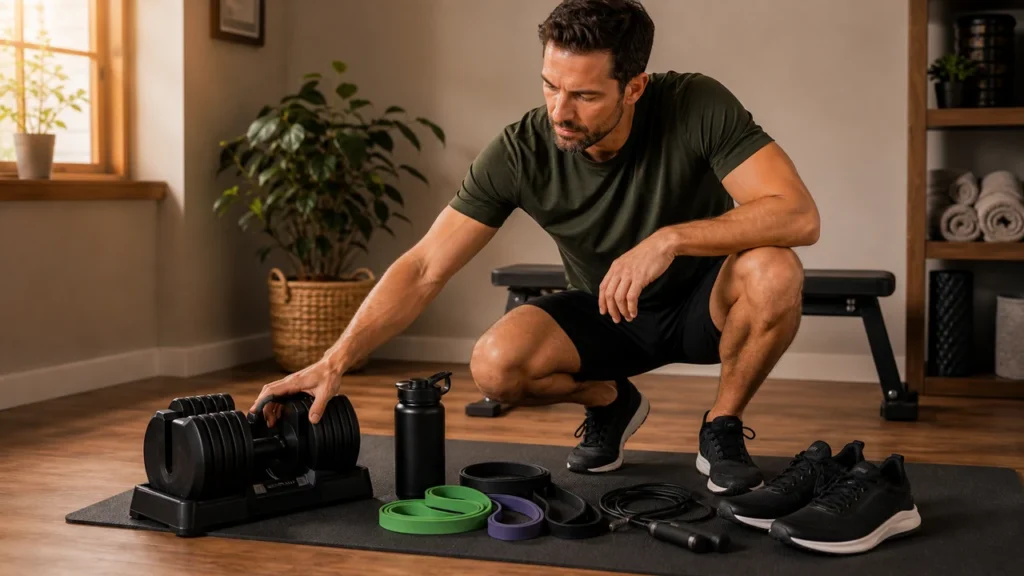
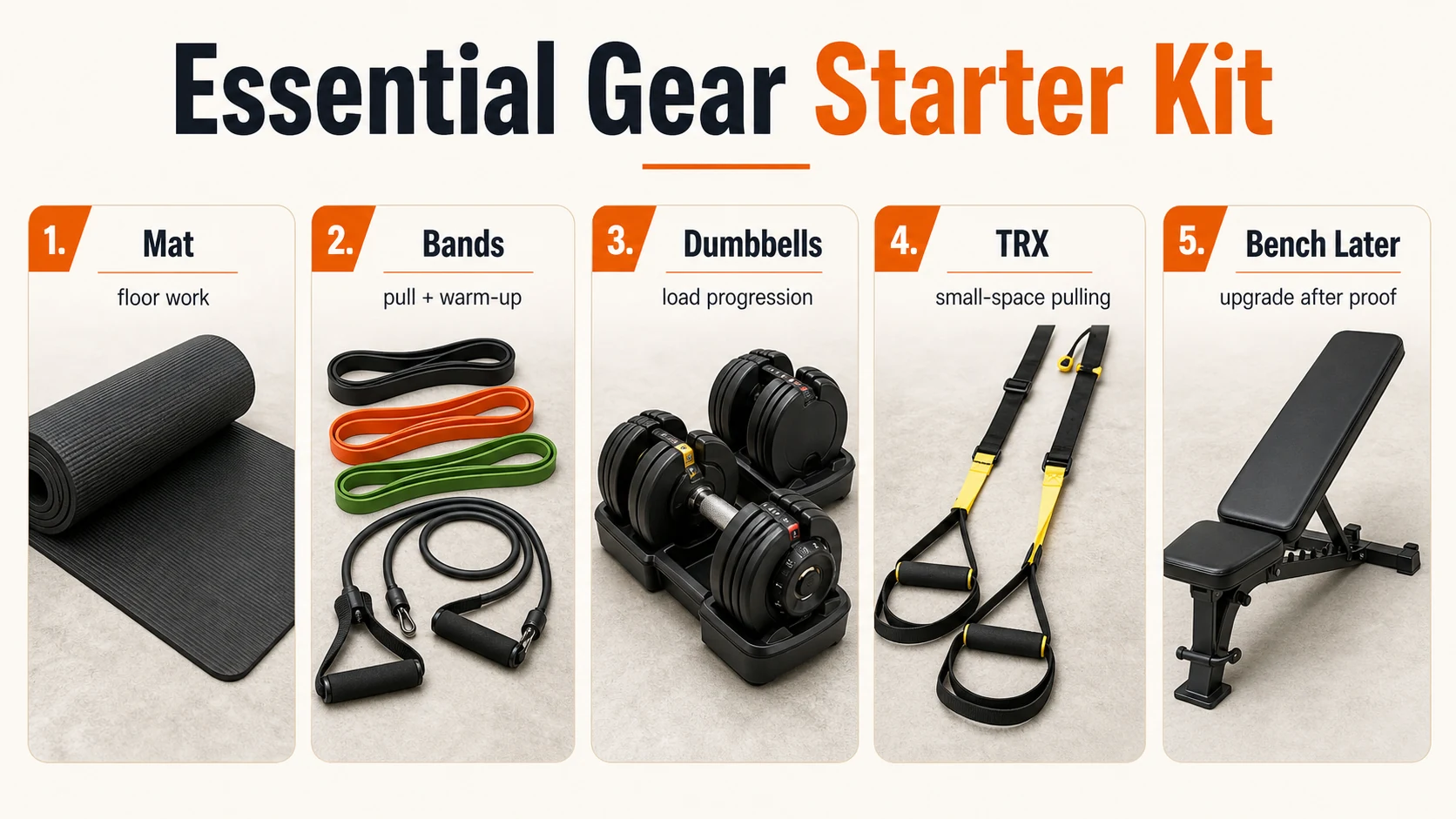
Essential fitness gear is not the biggest setup you can afford. It is the smallest kit that removes friction, supports the main movement patterns, and gives you a path to progress. Start with a mat for floor work, bands for pulling and warm-ups, and adjustable dumbbells only when bodyweight and band work stop being enough.
Quick Summary: Essential fitness gear
- Buy the smallest kit that makes training repeatable: mat, bands, and later dumbbells.
- Choose gear by bottleneck: hard floor, no pulling option, no load progression, or setup friction.
- Delay benches, pull-up bars, kettlebells, and cardio machines until the routine proves the need.
- For men over 40, the starter kit should support warm-ups, mobility, strength, and recovery-friendly progression.
- Cheap gear is not a bargain if it slips, tears, rattles, or makes you avoid training.
The Prime Perspective
Most men do not need more gear first. They need less friction. A useful starter kit makes the workout easier to start, easier to repeat, and easier to progress without turning a spare room into a showroom.
The correct order is simple: prove the space, prove the routine, then buy the upgrade that solves the next visible limitation. If consistency is still the limitation, the next purchase is probably not the real fix.
The minimum viable kit
- Mat for floor work and mobility.
- Bands for pulling, warm-ups, and travel.
- Dumbbells when load becomes the bottleneck.
Essential Fitness Gear Scorecard
Essential fitness gear should earn its spot by solving more than one job. A mat should support warm-ups, mobility, core, and floor work. Bands should support pulling, activation, anti-rotation, and travel training. Adjustable dumbbells should support measurable strength progression.
| Criterion | Weight | Why it matters |
|---|---|---|
| Multi-use value | 25% | A starter tool should support several exercises and training styles. |
| Progression potential | 20% | Gear should let you progress reps, load, range, control, or resistance. |
| Storage friction | 15% | If setup or storage is annoying, the gear will not get used. |
| Movement coverage | 15% | The kit should cover squat/lunge, hinge, push, pull, brace, carry, and warm-up work. |
| Safety / quality | 10% | Cheap gear gets expensive when it slips, tears, rattles, or fails under load. |
| Cost efficiency | 10% | Low price matters only if the tool stays useful for months. |
| Upgrade compatibility | 5% | Starter gear should still make sense when your home gym grows. |
Choose Gear by the Training Problem It Solves
Do not ask “What gear should I buy?” first. Ask “What stops the workout from happening?” Hard floors point to a mat. No pulling option points to bands. No load progression points to dumbbells. No cardio consistency points to walking before a machine.
| Training problem | Best first gear | Why | Upgrade when |
|---|---|---|---|
| Hard floors stop floor work | Workout mat | Planks, dead bugs, mobility, and push-ups become repeatable. | You need more space or floor protection. |
| No pulling option at home | Resistance bands | Rows, pull-aparts, pulldown patterns, and anti-rotation work become possible. | You need real vertical pulling or heavier rows. |
| Bodyweight too easy | Adjustable dumbbells | Load progression for presses, rows, squats, hinges, and carries. | Your strongest patterns outgrow the set. |
| Small apartment | Mat + bands | Low-noise, compact, fast setup. | The habit is stable and load is missing. |
| No stable pressing angle | Delay: bench | Floor press and push-ups work first. | Pressing or row angles become limited. |
| No conditioning tool | Walking first | Cardio should not be overbought before adherence is clear. | Cardio is the proven missing habit. |
The Minimum Viable Fitness Starter Kit
Workout mat
Use it for floor work, planks, dead bugs, push-ups, warm-ups, mobility, and cooldowns. Size and grip matter more than decorative thickness.
Resistance bands
Use bands for rows, pull-aparts, shoulder prep, pulldown patterns, anti-rotation, and travel training. Check anchors and band condition.
Adjustable dumbbells
Add them when bodyweight and bands are too easy. They make progressive loading practical without a rack of fixed dumbbells.
Essential Fitness Gear for Men Over 40
For men over 40, starter gear should make training more repeatable, not more complicated. A mat supports mobility and core work. Bands support warm-ups, shoulder-friendly pulling, and travel training. Dumbbells support measurable strength. The goal is a setup that works on normal weeks, not only on perfect days.
The CDC adult physical activity guidelines pair aerobic work with muscle-strengthening activity. That is why a small starter kit should support strength, warm-ups, and easy cardio habits instead of pretending one machine solves everything.
4-Week Essential Gear Starter Plan
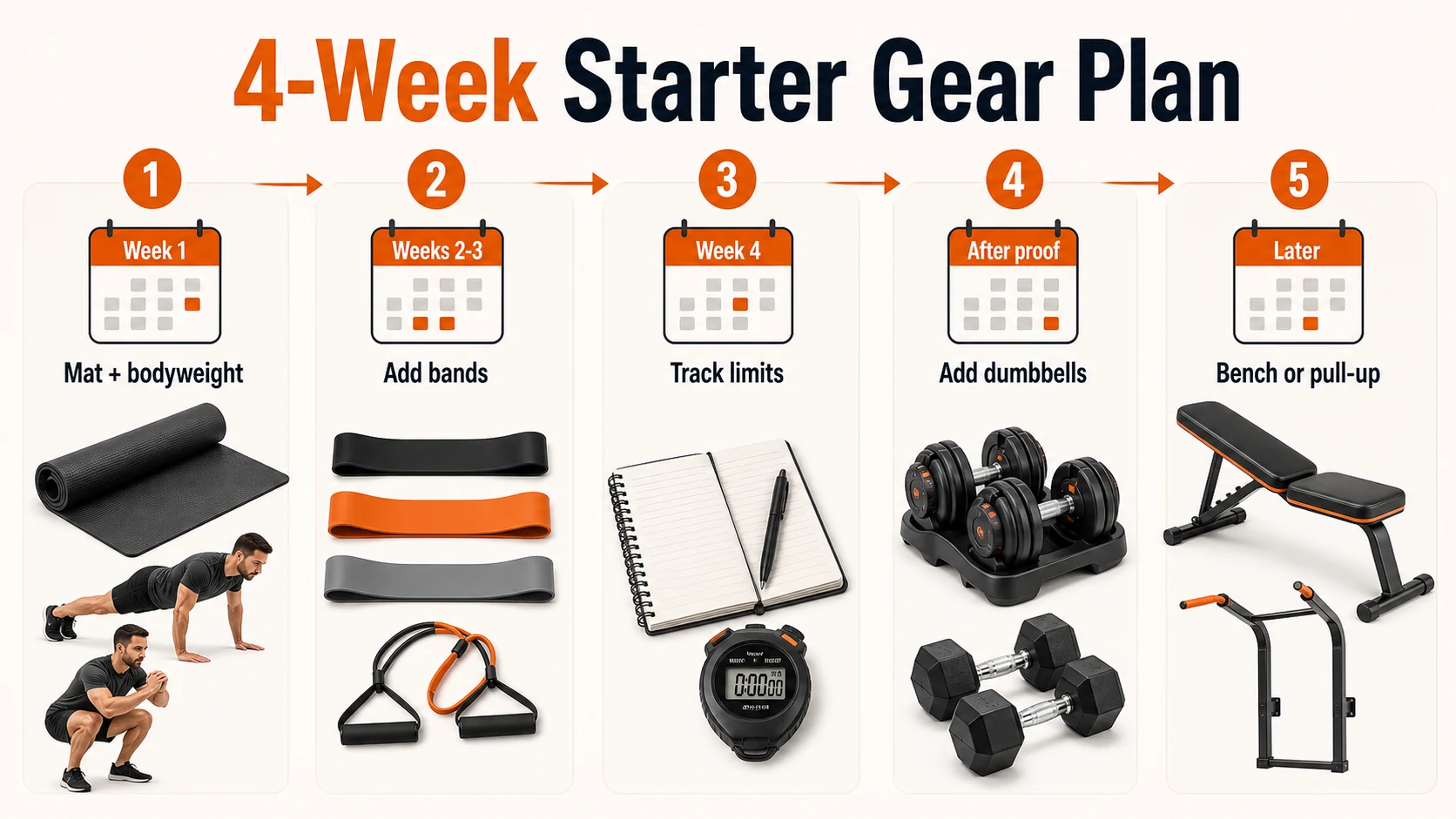
The first four weeks should prove the habit before expanding the setup. Use the mat to make floor work repeatable. Use bands to add pulling and warm-up options. Add dumbbells only when the same exercises need measurable load progression.
| Phase | Gear | Goal | Training |
|---|---|---|---|
| Week 1 | Mat + bodyweight | Prove the space and floor setup | 2-3 short full-body sessions |
| Weeks 2-3 | Mat + bands | Add pulling and warm-ups | Band rows, pull-aparts, Pallof press, mobility |
| Week 4 | Mat + bands + optional dumbbells | Find the true limitation | Track reps, sets, range, control, and recovery |
| After proof | Adjustable dumbbells | Begin load progression | Presses, rows, RDLs, split squats, carries |
| Later | Bench / pull-up bar / kettlebell | Close a proven gap | Only buy when the program asks for it |
Premium Starter Kit Picks by Buyer Situation
These are direct product CTAs, not generic category buttons. Buy by bottleneck: floor comfort, pulling, measurable load, small-space setup, or a later bench upgrade.

Manduka X Fitness Mat
Best first buy when hard floors, planks, mobility, push-ups, or core work keep getting skipped.
- Creates a repeatable floor-work zone without needing a full home gym.
- Useful for warm-ups, mobility, core, push-ups, stretching, and cooldowns.
- A good mat lowers friction before heavier or more expensive purchases.

Bodylastics Resistance Band Set
Best for adding pulling, warm-ups, anti-rotation work, and travel training to a starter kit.
- Covers rows, pulldown patterns, pull-aparts, mobility, and shoulder prep.
- Stackable resistance helps progression without buying a large machine.
- Door anchor and handles make it more complete than random mini bands.

PowerBlock Elite EXP Adjustable Dumbbells
Best first serious strength upgrade once bodyweight and band work stop providing enough load.
- Replaces a rack of fixed dumbbells while keeping the footprint compact.
- Useful for presses, rows, split squats, RDLs, curls, carries, and lunges.
- Expandable design makes it a better long-term buy than a light starter pair.

TRX All-In-One Suspension Trainer
Best small-space upgrade when you want rows, assisted strength work, and travel-friendly training.
- Solves the pulling gap when a pull-up bar or cable machine is not practical.
- Scales rows, presses, split squats, core work, and assisted movements.
- Strong fit for apartments, travel, and men who need fast setup.

Fitness Reality Adjustable Weight Bench
Best delayed upgrade when floor press, push-ups, and dumbbell rows start limiting training angles.
- Adds incline, flat, and supported row options after the habit is proven.
- Folding design fits the small-space logic better than bulky commercial benches.
- Buy after dumbbells become a real training tool, not before the routine exists.
* As an Amazon Associate, PrimeForMen earns from qualifying purchases. Product availability and pricing can change on Amazon.
Resistance Bands: What to Check Before Buying
Bands are essential because they give a home starter kit a pulling option. But band quality matters. Check the resistance range, anchor setup, handles, material condition, and whether the band actually supports the exercises in your plan.
ACSM’s updated resistance-training summary notes that elastic bands, bodyweight exercises, and home-based routines can produce meaningful benefits in strength, hypertrophy, and physical function. That makes bands legitimate starter gear, not just a travel workaround. See the ACSM resistance training update.
Resistance range
Too light becomes useless fast; too heavy makes technique worse. Stackable options are easier to progress.
Anchor quality
Door anchors and attachment points must be secure. A bad anchor turns a good band into a risk.
Band condition
Inspect for cracks, tears, thinning, or sticky material. Retire bands before they fail.
Adjustable Dumbbells: Starter Checks Before You Buy
Adjustable dumbbells are the first serious upgrade only when load is the real bottleneck. Before buying, check weight ceiling, increment size, lockup confidence, drop policy, and warranty. A compact pair is only a good deal if you trust it under presses, rows, hinges, and carries.
Safety is not theoretical. The CPSC BowFlex adjustable dumbbell recall reported that plates could dislodge from the handle, creating an impact hazard. If you buy used adjustable dumbbells, check recall status before training.
| Check | Why it matters |
|---|---|
| Weight ceiling | 50-60 lb per hand is not enough for every long-term leg or hinge pattern. |
| Increment size | Smaller jumps make progression easier and less chaotic. |
| Lockup confidence | No rattling, loose plates, or uncertain selector movement under load. |
| Recall status | Especially important for used, older, or marketplace-purchased models. |
| Drop policy | Many adjustable systems are not built for drops. |
Small-Space and Apartment Setup
Small-space gear succeeds when setup disappears. If you can pull out the mat, bands, and dumbbells in under two minutes, the kit has a chance. If the setup requires moving furniture, negotiating noise, or hunting for parts, it will lose to friction.
Hard floor
Use a mat or floor protection before floor work becomes annoying.
Noise
Use controlled reps, no drops, and soft setdowns under dumbbells.
Storage
Use one vertical bin, wall hooks, or under-bed storage. Do not scatter pieces.
No bench
Use floor press, push-ups, split squats, hip hinges, and rows first.
No machine
Use walking, bands, and short circuits before buying big cardio gear.
Shared space
If setup takes more than two minutes, simplify the kit.
What to Buy First, Delay, and Skip
| Decision | Gear | Why | Upgrade trigger |
|---|---|---|---|
| Buy first | Mat | Floor comfort, core, mobility, push-ups | Floor work becomes regular |
| Buy first | Resistance bands | Pulling, warm-ups, anti-rotation, travel | Band rows are too easy or vertical pulling is needed |
| Buy after proof | Adjustable dumbbells | Measurable load progression | Bodyweight and bands are too light |
| Delay | Bench | More pressing and row angles | Floor press and push-ups limit progress |
| Delay | Pull-up bar / TRX | More pulling options | Band rows are no longer enough |
| Delay | Kettlebell | Hinges, carries, conditioning | You need hinge power or loaded carries |
| Delay | Jump rope / treadmill | Conditioning | Cardio adherence is the proven gap |
| Skip early | Smart mirror / specialty bars | High cost, narrow use | Only after a stable routine proves the need |
What most gear guides miss
The best starter kit is not the one that looks most complete. It is the one that removes the first barrier. Start with the bottleneck: floor comfort, pulling, load, storage, or consistency. Then use the next four weeks to prove whether the next purchase is actually needed.
Add Accessories Only When They Solve a Limit
Accessories earn their place when they improve grip, joint comfort, movement quality or training focus. Use the guides below to choose the right category and avoid buying support gear before the underlying need is clear.
 Grip Support
Best Lifting Straps for Men
Choose loop, figure-eight or hook styles by lift, release control and wrist comfort.
Open buying guide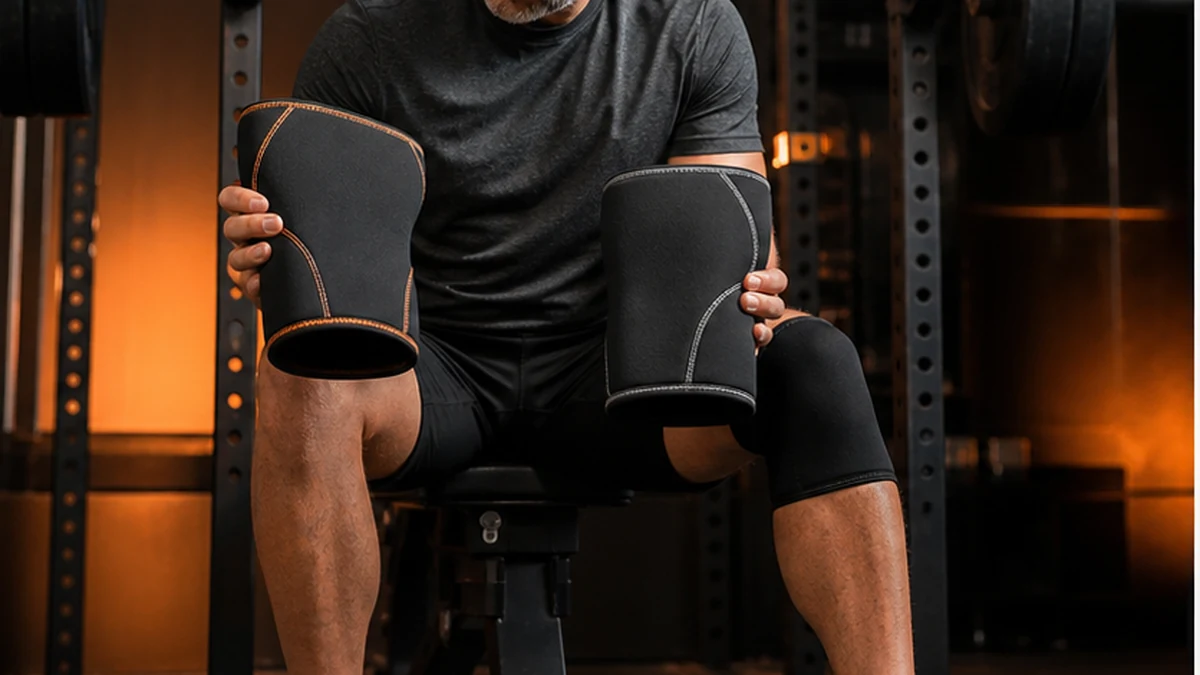 Joint Support
Best Knee Sleeves for Lifting
Compare thickness, fit and movement before using compression as a substitute for technique.
Open buying guide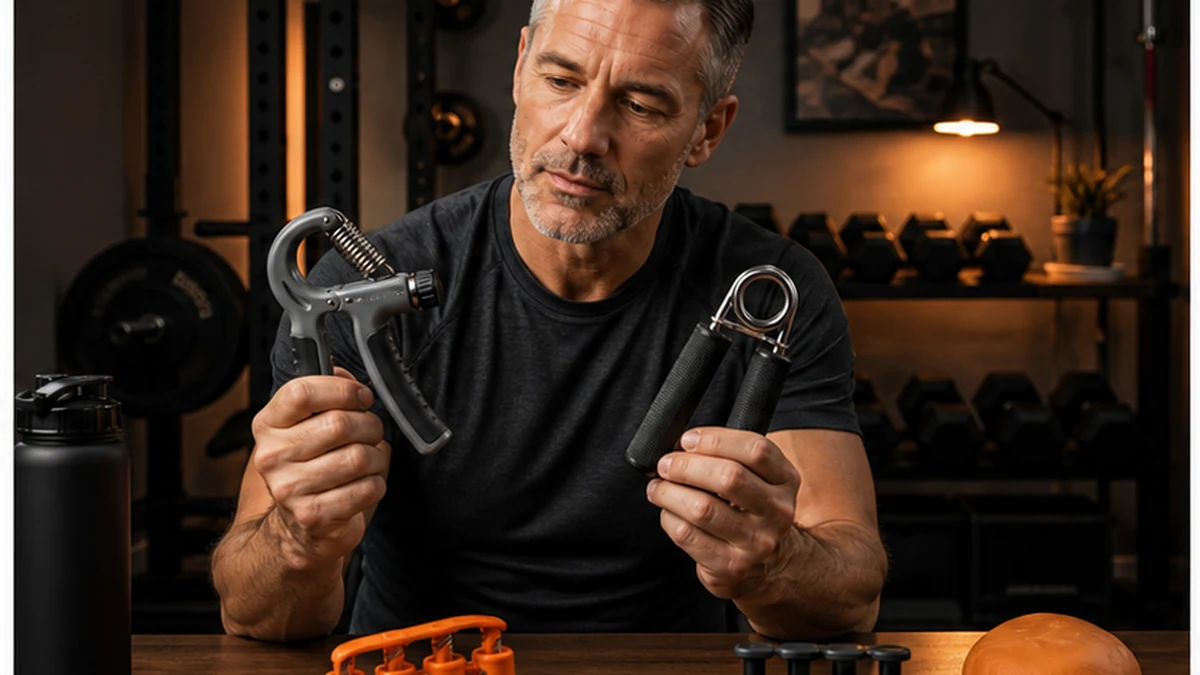 Grip Training
Best Grip Strengtheners for Men
Match resistance range and handle fit to measurable grip work rather than random squeezing.
Open buying guide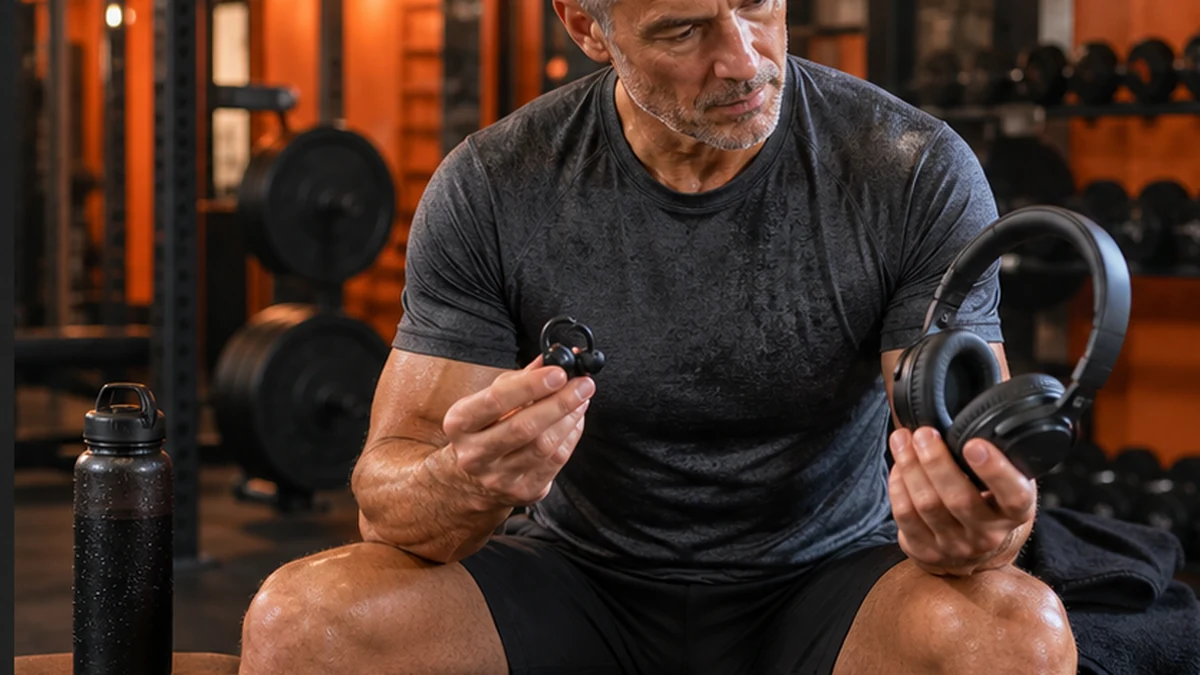 Training Focus
Best Workout Headphones for Men
Balance secure fit, sweat resistance, awareness and safe listening.
Open buying guide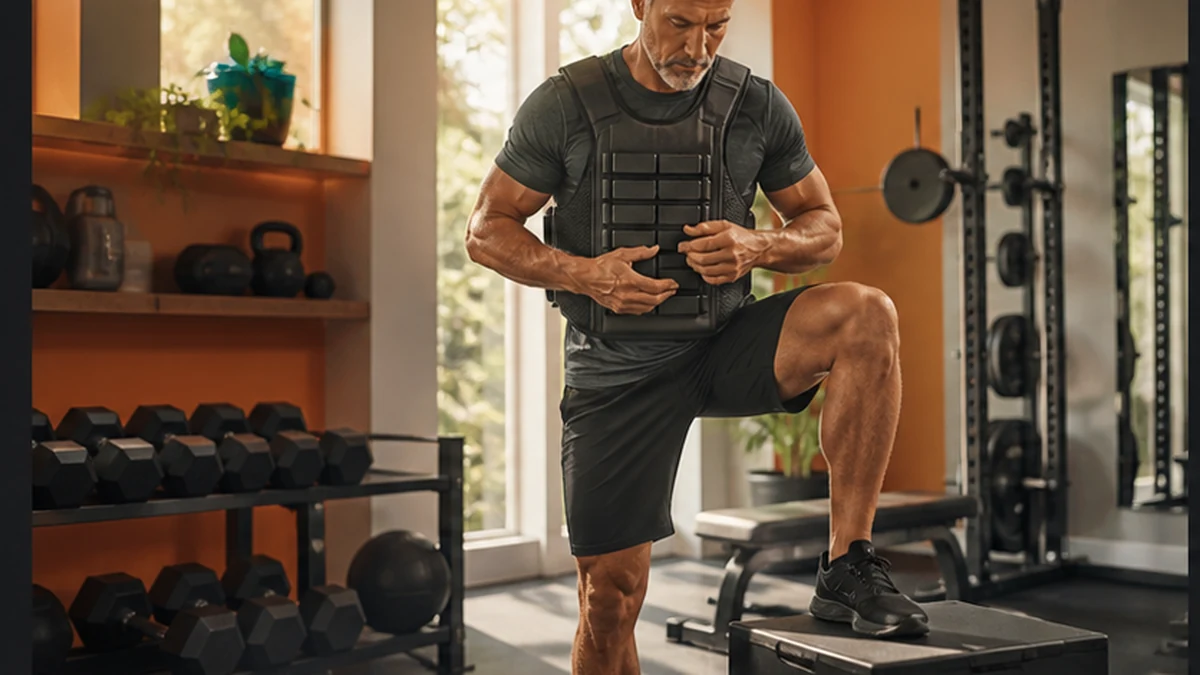 Progressive Load
Best Weighted Vests for Men
Use small adjustable increments and a stable fit instead of chasing maximum capacity.
Open buying guide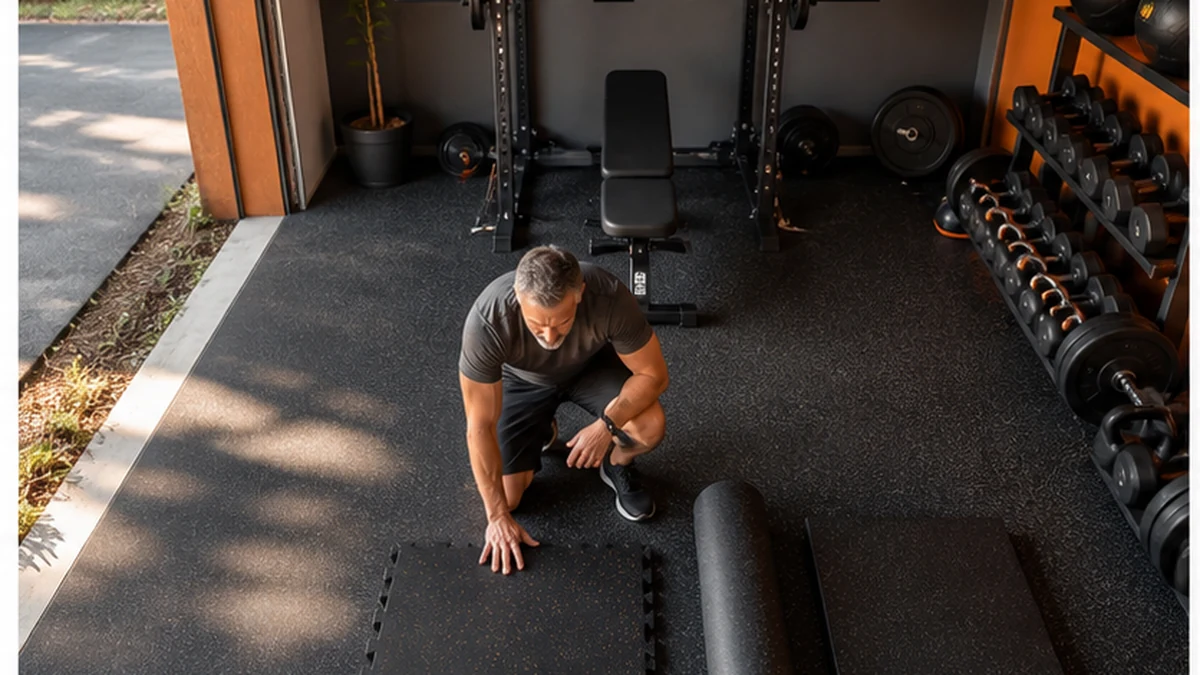 Room Protection
Best Home Gym Flooring
Protect the training zone by load, moisture and noise before heavier equipment arrives.
Open buying guideWhere to Go Next
If you want a broader equipment roadmap, use the fitness gear and equipment guide. If you are building a larger setup, move to home gym equipment. For specific upgrades, compare adjustable dumbbells, kettlebells, jump ropes, and treadmills.
For programming, pair this starter kit with home workout routines, strength training basics, and fitness on a budget. If recovery becomes the limiter, read rest and recovery before buying another tool.
Conclusion
Essential fitness gear should make training easier to repeat this week. A mat makes floor work possible. Bands add pulling and warm-up options. Adjustable dumbbells add measurable strength progression after the habit is real.
Buy first by friction. Upgrade by evidence. Skip anything that looks impressive but does not solve a current training problem.
Medical Disclaimer
This article is educational fitness content, not medical advice. If you have pain, dizziness, chest symptoms, balance problems, recent injury, or medical restrictions, consult a qualified professional before starting or changing training.
Affiliate Disclosure
PrimeForMen may earn a commission from qualifying Amazon purchases. Recommendations are based on use-case fit, article relevance, and practical training value, not on guaranteed outcomes.
FAQ
What fitness gear should men buy first?
Most men should buy a workout mat and resistance bands first, then add adjustable dumbbells when bodyweight and band work stop being enough.
What is the minimum home gym starter kit?
A smart minimum kit is a mat, a good set of resistance bands, and eventually adjustable dumbbells. That covers floor work, pulling, warm-ups, and progressive loading.
Do I need dumbbells or resistance bands first?
If you have no pulling option at home, bands usually come first. If load progression is already the bottleneck, adjustable dumbbells become the stronger purchase.
Are resistance bands enough for beginners?
They can be enough for many early workouts, especially for rows, pull-aparts, anti-rotation, warm-ups, and travel sessions. They are less complete for long-term heavy lower-body loading.
What size workout mat should I buy?
Buy a mat large enough for planks, dead bugs, push-ups, and mobility without constantly moving off the surface. Stability matters more than decorative thickness.
Are adjustable dumbbells worth it for beginners?
They are worth it after the habit exists and load becomes the limitation. If consistency is still the limitation, prove four weeks of training first.
Should I buy a bench before dumbbells?
Usually no. Floor press, push-ups, split squats, rows, and mat work can carry the first phase. Buy a bench when training angles become the real constraint.
What gear should men over 40 buy first?
Men over 40 should prioritize low-friction gear: mat, bands, and controlled dumbbells. The goal is repeatable strength, mobility, and warm-up options.
What should I avoid buying too early?
Delay smart mirrors, large cardio machines, specialty bars, heavy racks, and niche tools until the routine proves that they solve a real bottleneck.
How do I know if my starter kit is enough?
If you can train the main patterns twice per week and progress reps, range, control, or load, the starter kit is enough for now.
Sources: CDC adult physical activity guidelines, ACSM resistance training update, CPSC BowFlex adjustable dumbbell recall.