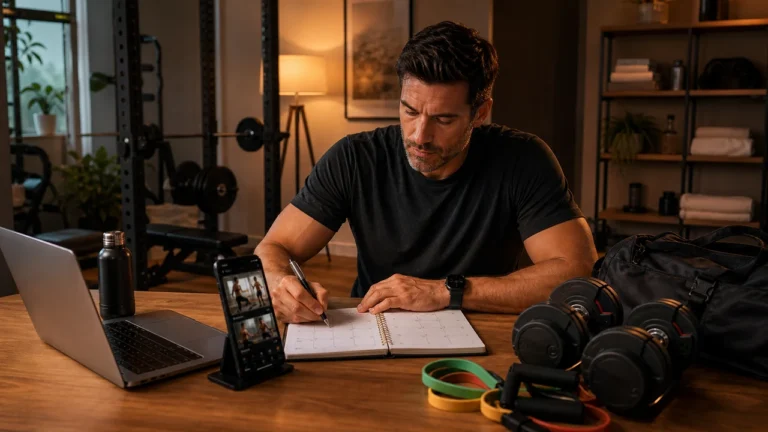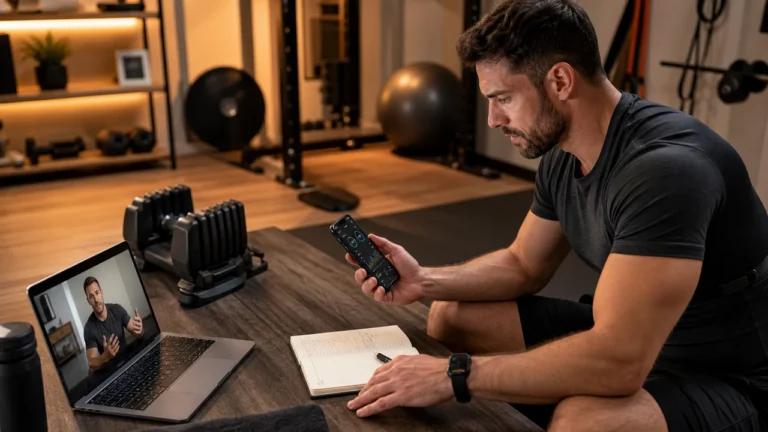

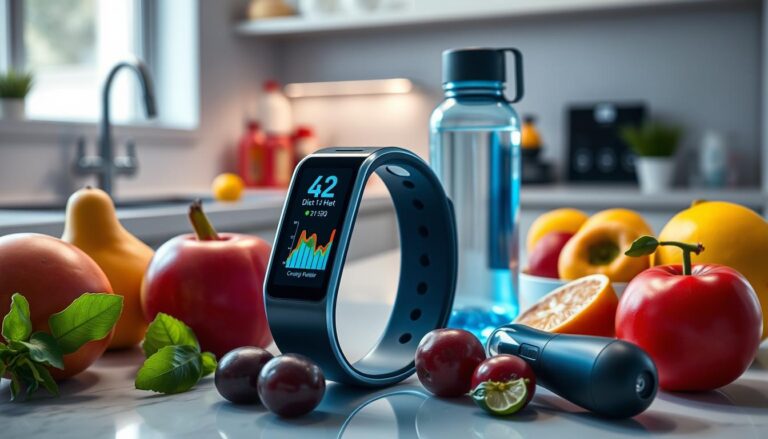
Nutritional wearables sounded like the perfect shortcut the first time I tried them. Wear the device, follow the app, eat smarter, get leaner. Reality was messier. I got a flood of numbers, a few useful patterns, and plenty of noise that looked scientific but did not change results.
The win is not owning more tech. The win is using one or two high-signal metrics to make better choices on meals, training fuel, and recovery. This guide gives you exactly that framework: what works, what is hype, and how to use nutritional wearables without turning your life into a dashboard.
The Prime Perspective
The best wearable is the one that tells you what to do at your next meal. If your data cannot drive a clear decision, it is not insight yet.
Nutritional Wearables: What They Measure and Why It Matters
Nutritional wearables aim to connect food intake with biological response in real time or near real time. The most practical examples today include continuous glucose monitors (CGM), sweat/hydration trackers, and app-connected tools that estimate macro intake against training load.
The value is personal feedback. You move from generic diet advice to your own response profile: which meals spike and crash energy, which pre-workout fuel improves output, and how hydration status changes performance.
But this only works when you separate signal from noise. One odd reading is not a trend. One trend is not a diagnosis.
Evidence Check: What Is Legit Today
The strongest use cases right now are glucose pattern tracking and context-aware feedback loops, not full micronutrient precision from a wrist sensor. Public research on wearable biosensing is promising but still evolving on real-world accuracy and long-term adherence.
For broader context, review NIH’s overview of wearable biosensor progress at NIH wearable sensor initiatives. For deeper technical directions, see this research article in Nature Biomedical Engineering.
Translation: use current devices as decision-support tools, not as absolute truth machines.
Device Types by Goal: What to Use First
| Goal | Best Wearable Type | Primary Metric | Reliability in Daily Use | Best For | Common Pitfall |
|---|---|---|---|---|---|
| Fat loss adherence | Smart scale + food log app | Weight trend + intake consistency | High | Most men | Overreacting to daily fluctuations |
| Energy stability | CGM | Glucose variability | Moderate-high | Data-driven users | Treating every spike as bad |
| Performance hydration | Sweat/hydration tracker | Fluid loss estimates | Moderate | Endurance and field sports | Ignoring weather/training context |
| Recovery support | Sleep + HR wearable | Sleep quality and readiness trends | Moderate | High-frequency trainers | Chasing score perfection |
What Most Guys Miss
A wearable cannot fix a broken routine. If sleep, protein intake, and meal consistency are unstable, extra biomarker data usually adds anxiety before it adds progress.
Signal vs Noise: The Interpretation Framework
| Data Pattern | Likely Meaning | Action | Do Not Do |
|---|---|---|---|
| Repeated post-meal energy crash | Meal composition or timing mismatch | Add protein/fiber and split carbs around training | Ban carbs completely |
| High day-to-day weight variance | Water/glycogen fluctuation | Track 7-day average trend | Panic-cut calories overnight |
| Hydration score drops on hard sessions | Fluid/electrolyte under-replacement | Set pre/intra/post hydration targets | Rely on thirst alone during long sessions |
| Readiness scores low despite good habits | Algorithm mismatch or stress load | Cross-check with performance and sleep logs | Skip training every low score day |
Best Use Cases for Men Over 30
- Body recomposition: Use scale trend + protein consistency + training performance.
- Desk-job energy management: Use meal timing plus glucose pattern awareness.
- Athletic sessions in heat: Use hydration planning based on sweat response.
- High-stress routines: Prioritize sleep/readiness context before aggressive diet cuts.
For broader training context, pair this with Effective Home Workout Routines, Progressive Overload, and Pre-Workout Supplements.
Common Mistakes with Nutritional Wearables
- Tracking everything and acting on nothing.
- Changing five variables at once so you cannot identify what worked.
- Confusing short-term fluctuation with long-term trend.
- Using a consumer app as medical diagnosis.
- Ignoring adherence: the best plan is the one you will still follow in 8 weeks.
Your 24-Hour Action Plan
- Step 1: Pick one primary goal for the next 14 days: fat loss adherence, energy stability, or hydration performance.
- Step 2: Track only two metrics tied to that goal (for example: 7-day weight average + daily protein intake).
- Step 3: Make one nutrition adjustment this week and evaluate trend, not single-day readings.
Conclusion: Use Wearables to Clarify Decisions, Not Complicate Them
Nutritional wearables can be useful, especially when you need tighter feedback loops around food timing, hydration, and consistency. But the edge comes from disciplined interpretation, not from chasing every datapoint.
If you want to understand how we rate evidence versus hype, review the PrimeForMen Editorial Policy.
The information provided in this article is for educational purposes only and is not intended as a substitute for advice from your physician or other health care professional.
PrimeForMen may earn commissions from qualifying purchases when readers use product links. This does not change our editorial standards for evidence, fit, and safety.