Meditation for athletes: understand the evidence for focus, anxiety and recovery, follow a five-minute routine, and place it correctly before training or competition.
- The core skill is returning attention after distraction, not eliminating thoughts.
- Benefits are more consistent for anxiety and stress than for objective performance.
- Use meditation as complementary mental-skills practice, not as treatment for significant mental-health symptoms.
Bottom line Practice five quiet minutes most days, then connect the same notice-label-return process to warm-ups, competition cues, and post-training downshifts.
Quick Summary: Meditation For Athletes
- Focused-attention practice gives athletes a repeatable response to distraction.
- Body-scan practice can improve awareness, but sensations are data—not always instructions to stop or push.
- Pre-event meditation should be familiar and brief; competition day is not the time for a new 30-minute routine.
- Slow breathing and meditation overlap but are not identical; avoid forceful breath holds if they cause dizziness.
- Sport psychologists and mental-health clinicians are appropriate when anxiety, low mood, trauma, sleep problems, or disordered eating affect safety or daily life.
PrimeForMen Perspective
Meditation does not make pressure disappear. It creates a small decision window between a thought—‘I am failing’—and the next action: return to the target, the breath, the cue, or the play.
Meditation practices attention and the ability to notice thoughts, emotion, and body sensations without immediately following them. That can support anxiety regulation, focus, and well-being; evidence for a direct, universal performance increase is less certain.
What the Athlete Research Shows
A 2022 systematic review and meta-analysis of 12 randomized trials with 614 elite athletes reported improvements in anxiety, stress, and psychological well-being, but heterogeneity was high. The size of the pooled effects should therefore not be read as a guaranteed result for an individual athlete.
A 2025 umbrella review covering 15 reviews and meta-analyses described the overall evidence as conflicting and called for better-standardized interventions and outcomes. The fair conclusion is promising complementary practice—not settled performance medicine.
Choose the Practice by the Problem
| Situation | Practice | Duration | Target |
|---|---|---|---|
| Distracted training | Focused attention | 5–10 min | Notice and return to one anchor |
| Pre-event worry | Eyes-open grounding | 1–3 min | External cues and next action |
| Post-training arousal | Body scan | 5–12 min | Notice tension without forcing relaxation |
| Frustration after errors | Open monitoring | 3–8 min | Let thoughts pass before the next decision |
| Persistent symptoms | Qualified support | Individual | Safety and treatment, not self-optimization |
Amazon Product Shortlist
None of these tools is required. A chair, a quiet timer, and a consistent cue are enough. PrimeForMen has not independently tested these products; check current fit, materials, and listing details.

Retrospec Sedona Meditation Cushion
For athletes who sit more comfortably with the hips slightly elevated during short home practices.
- Buckwheat-filled cushion with removable cover.
- Useful only if floor sitting is comfortable.
- A chair is an equally valid no-cost option.

Mindsight Original Breathing Buddha
For a simple visual pace cue when closing the eyes or counting breaths makes practice harder.
- Three visual breathing modes are listed.
- USB-rechargeable tabletop format.
- A pacing light is not treatment for anxiety or a medical breathing device.
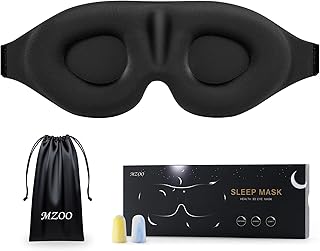
MZOO Contoured Sleep Mask
For travel or recovery environments where light is a clear barrier to sleep or a brief eyes-closed practice.
- Contoured light-blocking design.
- Adjustable strap for individual fit.
- It supports darkness but does not correct persistent insomnia.
*As an Amazon Associate, PrimeForMen earns from qualifying purchases. Availability and prices can change.
A Five-Minute Athlete Meditation
Guided audio · 4:02
Pre-Workout Focus Reset
Use this guided reset before your warm-up when you want to arrive with steadier breathing, one clear training objective, and a practical first-set cue.
Read the full transcript
Before you begin, choose a stable position. You may sit with both feet on the floor, or stand with your feet about hip-width apart. Keep your eyes open if closing them affects your balance. Breathe normally, and stop if you feel light-headed or uncomfortable.
This short practice is not about forcing yourself into a hyped-up state. It is about arriving at your workout with a clear mind, steady breathing, and one useful intention.
Let your shoulders drop away from your ears. Unclench your jaw. Allow your hands to rest without gripping. Notice the support beneath your feet. You do not need to change anything yet. Simply recognize that you are here, and that the next few minutes belong to this session.
Take a comfortable breath in through your nose. Then let the breath leave without pushing it. Again, breathe in at a pace that feels natural. Breathe out, and soften your shoulders. Continue with two more easy breaths.
Now bring your attention to the points where your body meets the floor or the chair. Feel the pressure under your heels. Notice the position of your hips and ribs. Sense whether you are leaning forward, backward, or to one side. Make one small adjustment toward a balanced position.
Scan your body from the ground upward. Notice your feet and ankles. Notice your knees. Notice your hips and lower back. Move your attention to your chest, shoulders, arms, and hands. Finally, notice your neck, jaw, and face.
You are not searching for perfection. You are gathering information. If an area feels stiff, acknowledge it. If something feels painful or unusually weak, do not try to override that warning. Adjust today's plan when needed.
Bring your attention back to your breathing. On your next exhale, let go of the noise that came before this workout. Tasks, messages, and unfinished conversations can wait. You are not solving them during your first set.
Now think about the purpose of today's session. Choose one clear objective. It may be practicing controlled technique. It may be completing your planned work sets. It may be moving well without aggravating a sensitive joint. It may simply be showing up and training consistently.
State that objective silently in one short sentence. For example: Today I will use controlled reps and stop before my form breaks down.
Picture the first exercise of your session. See yourself setting up carefully. Imagine your feet in the right position, your grip secure but not tense, and your breathing steady. See the first repetition begin under control. Picture the movement finishing with the same control. There is no rush.
Now identify one technique cue for that exercise. Keep it simple. Brace before you move. Keep the weight close. Drive through the whole foot. Maintain a comfortable range. Choose only the cue that matters most today.
Take another relaxed breath in. As you breathe out, release the need to prove anything. A productive workout does not require reckless effort. It requires attention, appropriate challenge, and decisions you can repeat next week.
Notice your energy level without judging it. If your energy is high, direct it into precise movement. If your energy is moderate, build gradually through the warm-up. If your energy is low, use the warm-up to decide whether the planned load still makes sense.
Bring some movement back into your hands and feet. Gently roll your shoulders once. Lift your chest without arching your lower back. Let your gaze settle on one point in front of you.
Take one final comfortable breath. On the exhale, repeat your intention. Controlled movement. Steady effort. Good decisions.
When you are ready, begin your warm-up. Start lighter than your work sets, pay attention to how your body responds, and earn the right to add load. Your goal is not merely to finish today's workout. Your goal is to train in a way that supports the next one.
You are ready. Begin with purpose.
- 0:00–0:30: Sit or stand comfortably; keep the eyes open if closing them feels unsettling.
- 0:30–1:30: Notice one breath sensation without changing it.
- 1:30–3:30: Each time attention wanders, label it briefly—planning, replaying, tension—and return.
- 3:30–4:30: Widen attention to feet, hands, jaw, and surrounding sound.
- 4:30–5:00: Choose one next-action cue: smooth first rep, see the target, or long exhale.
No. Minds produce thoughts. The trainable repetition is noticing that attention moved and returning without adding a second layer of frustration. A distracted session can still be useful practice.
Use the Skill Before, During, and After Sport
| Moment | Cue | Action |
|---|---|---|
| Before training | Arrive | Three breaths and name the session goal |
| Between sets | Reset | Feel feet and release unnecessary grip tension |
| After an error | Next | Label the replay and return to one external cue |
| During endurance work | Scan | Check posture, jaw, hands, and pacing |
| After training | Downshift | Five minutes of open or body-focused awareness |
Pick an Anchor That Matches the Sport
A useful anchor is specific enough to guide attention but simple enough to recover under pressure. Strength athletes may use foot pressure or bar path. Runners can use cadence, relaxed hands, or the sound of foot strike. Precision athletes often benefit from an external target or a short pre-shot cue. Combat and team-sport athletes need a broad, eyes-open anchor that preserves awareness of opponents and space.
Do not copy an anchor just because an elite athlete uses it. Test one cue during low-stakes practice, keep it when execution becomes more consistent, and discard it when it narrows attention at the wrong moment.
A 2021 systematic review of randomized trials found potential performance benefits but also examined methodological quality and proposed mechanisms. Transfer is most plausible when the meditation skill connects to the actual attentional demand of the sport.
A Seven-Day Starter Progression
- Day 1: two minutes of breath sensation after the warm-up.
- Day 2: five minutes seated, recording only whether you returned after distraction.
- Day 3: one mindful minute between the warm-up and first working set.
- Day 4: five-minute body scan after easy training.
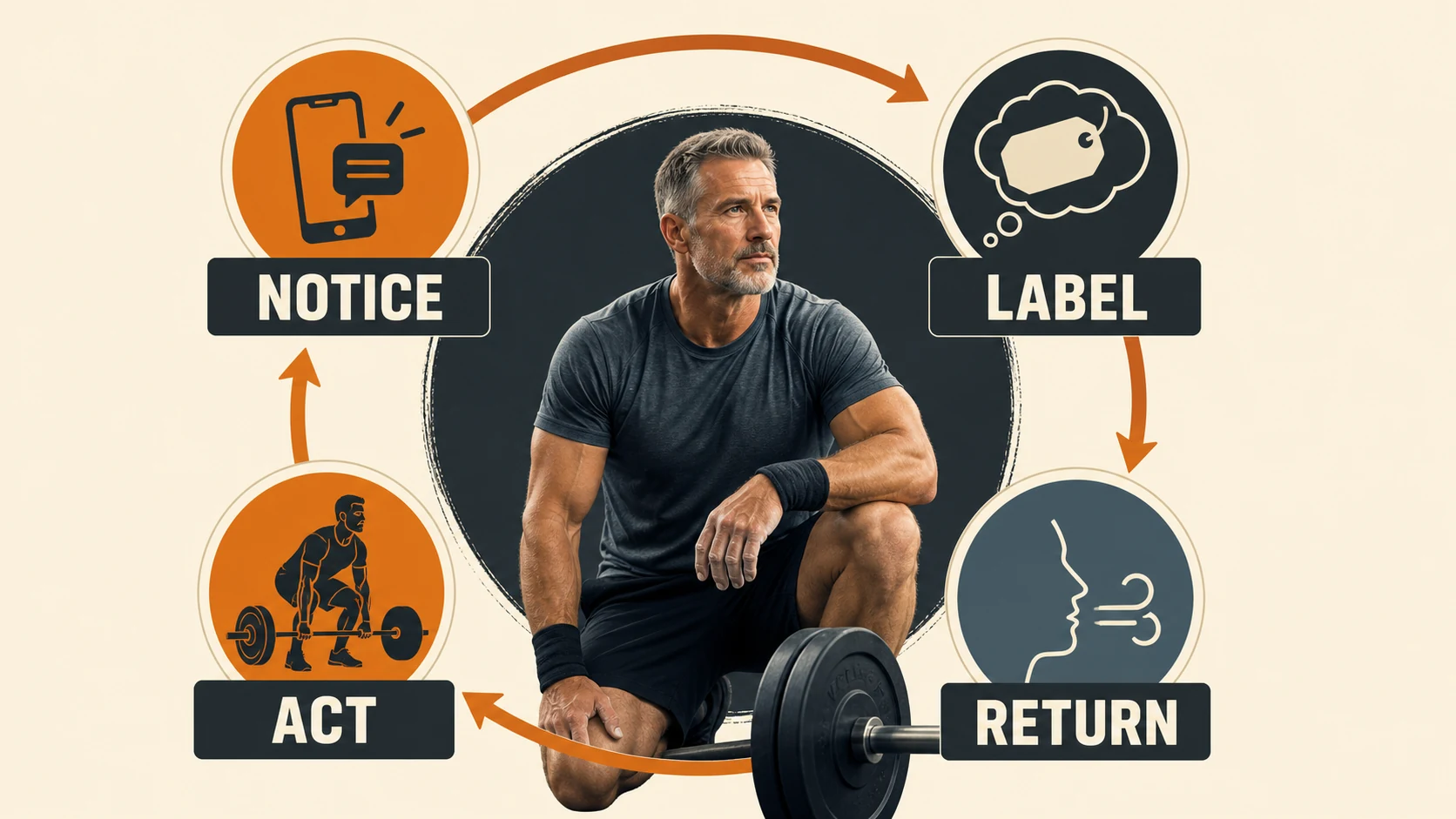
- Day 5: use notice-label-return after one deliberate practice error.
- Day 6: repeat the five-minute session before a moderate—not maximal—workout.
- Day 7: review which anchor and timing improved the next action, then keep only that version.
Progress is not a blank mind or a lower wearable score. Look for faster recovery of attention, fewer unnecessary reactions after mistakes, and more consistent execution of the chosen cue. If those behaviors do not change after several weeks, shorten the practice, change the anchor, or use a sport psychologist to make the skill more specific.
Common Mistakes
- Starting on competition day: build familiarity during ordinary weeks.
- Using a long calming practice before explosive work: choose a short eyes-open reset if you need alertness.
- Judging every session: record adherence and transfer, not mystical depth.
- Forcing slow breathing: return to natural breathing if lightheaded or air hungry.
- Using meditation to avoid care: significant anxiety, depression, trauma symptoms, or disordered eating deserve qualified support.
Apply It to Your Sport
Use external-target practice for archery, between-round resets in boxing and combat training, and composure under technical pressure in martial arts fitness. Endurance athletes can pair attention cues with triathlon training or distance-running track workouts. Keep the physical base grounded in cardio programming.
What to Do This Week
- Sit on a chair or cushion, set five minutes, and choose one neutral anchor such as breath sensation or ambient sound.
- When attention wanders, label it briefly—thinking, planning, tension—and return without judging the repetition.
- Before the next training session, use one minute to notice, label, and return to a single technical cue.
Conclusion
Practice five quiet minutes most days, then connect the same notice-label-return process to warm-ups, competition cues, and post-training downshifts.
Next Step: Turn the Answer Into a Measured Plan
Use the linked PrimeForMen guides to connect this decision with training, nutrition, and recovery instead of treating one method, mineral, or device as a complete system.
Frequently Asked Questions About Meditation For Athletes
Does meditation improve athletic performance?
It may improve attention, anxiety regulation, and some performance-related outcomes, but the evidence is mixed and heterogeneous. Treat it as mental-skills training rather than a guaranteed performance enhancer.
How long should athletes meditate?
Start with five minutes on most days. Consistency and transfer to sport cues matter more than forcing a long session that you will not repeat.
Should athletes meditate before competition?
A familiar one- to five-minute practice can help some athletes settle and refocus. Avoid experimenting with long or highly relaxing routines immediately before explosive events.
Is breathing practice the same as meditation?
No. Breathing deliberately changes respiratory rhythm, while meditation trains attention and awareness. They can be combined, but neither should involve straining or prolonged breath holds.
What if meditation makes anxiety worse?
Stop the practice and use an eyes-open external focus, gentle movement, or qualified support. People with trauma, panic, or significant symptoms may need individualized guidance.
This article is educational and does not replace individualized medical advice, diagnosis, or treatment. Discuss persistent symptoms, hormone concerns, cardiovascular risk, digestive problems, medications, or exercise restrictions with a qualified clinician.
Some links are affiliate links. PrimeForMen may earn a commission at no extra cost to you. Product inclusion does not override evidence, fit, or safety.