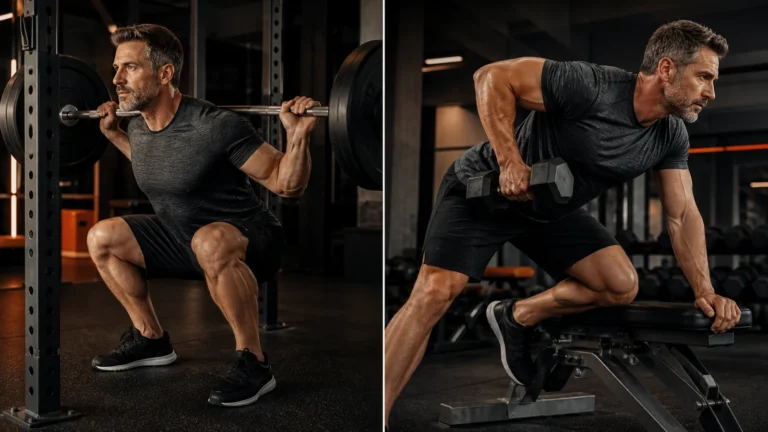
Cardio and cortisol explained without panic: training stress, recovery, sleep, nutrition, and when to adjust load.
- Cortisol is not bad by default; it helps mobilize energy and respond to stress.
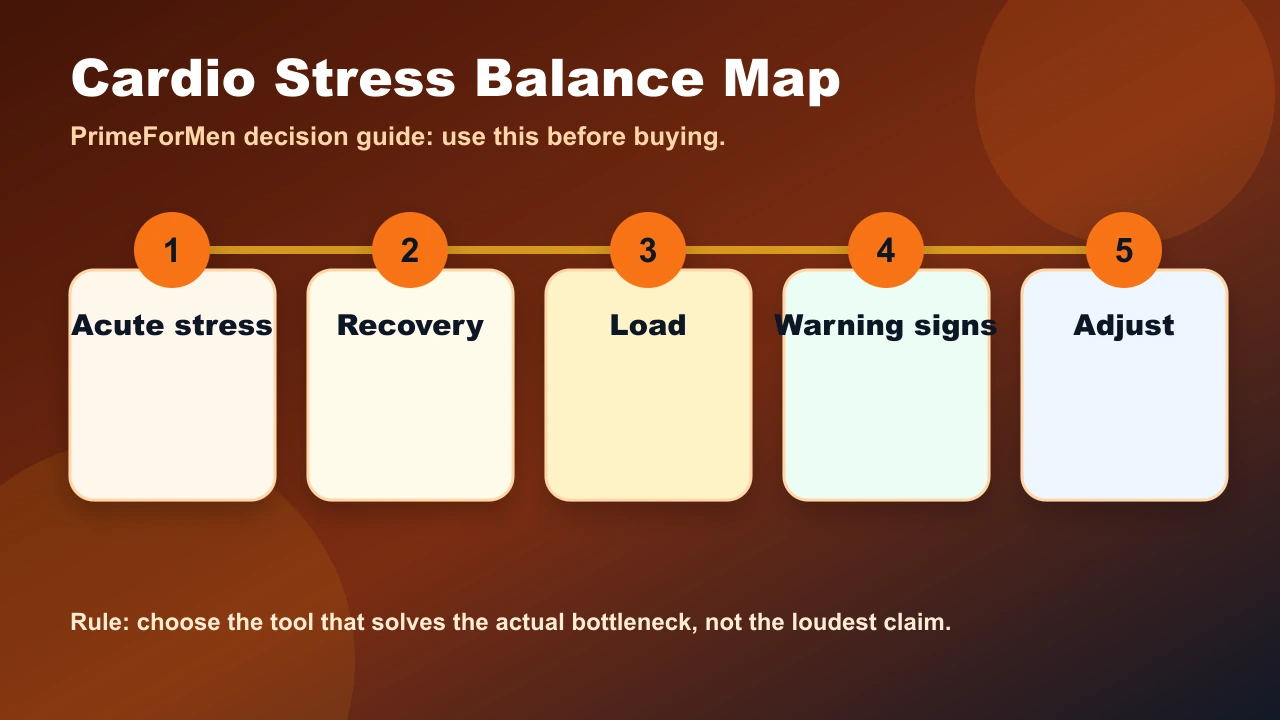
- Acute cardio stress is normal. Chronic under-recovery is the pattern to watch.
- The warning signs are not one sweaty workout, but flat performance, poor sleep, low mood, stubborn soreness, and appetite chaos.
Bottom line The answer is rarely "never do cardio." For most men, the better move is to keep cardio, control intensity, fuel the work, and recover like the training matters.
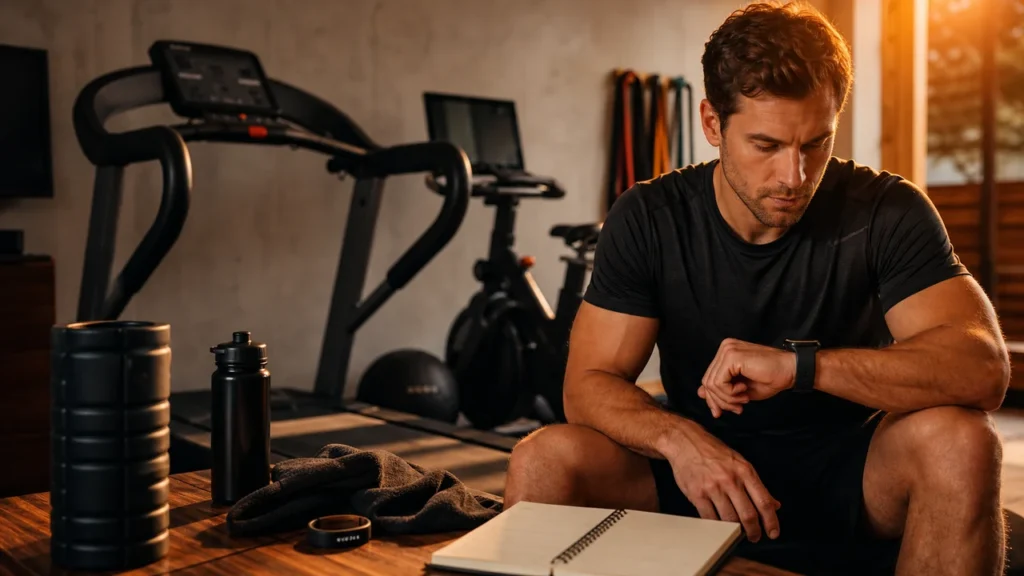
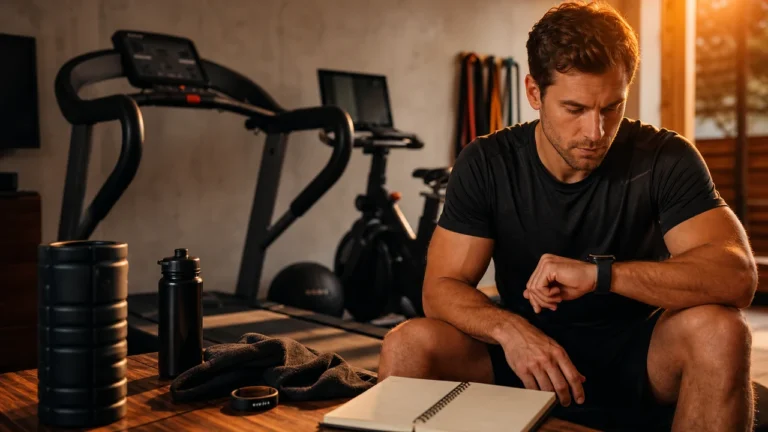
Cardio and cortisol get misunderstood because men often blame the hormone for what is really a recovery math problem. A hard ride, tempo run, or conditioning circuit can raise stress signals for a short window; that is part of adaptation. The bigger issue is when cardio gets stacked on poor sleep, low calories, dehydration, too much intensity, and no real downshift.
- Cortisol is not bad by default; it helps mobilize energy and respond to stress.
- Acute cardio stress is normal. Chronic under-recovery is the pattern to watch.
- The warning signs are not one sweaty workout, but flat performance, poor sleep, low mood, stubborn soreness, and appetite chaos.
- Most men do better by adjusting intensity, calories, hydration, and sleep before cutting cardio completely.
The useful question is not “does cardio raise cortisol?” It can, especially when the session is long, intense, fasted, or done under life stress. The better question is whether the stress is followed by enough recovery to make the body fitter. Training is a signal. Recovery is where the signal becomes adaptation.
Why Cortisol Gets Blamed for the Wrong Problem
Cortisol is commonly called a stress hormone, but that label is too narrow. The Endocrine Society explains that cortisol is produced by the adrenal glands and helps regulate blood sugar, metabolism, inflammation, salt and water balance, and blood pressure through the body’s stress-response system adrenal hormone function.
That matters for training because cardio requires energy availability. Your body needs to move fuel, control fluid balance, and keep output stable. A temporary cortisol rise after a demanding session is not proof that cardio is damaging your hormones.
Normal Training Stress vs. Poor Recovery
| Pattern | What it usually means | What to adjust first |
|---|---|---|
| Hard session, then normal appetite and sleep | Acute stress with a recovery window | Keep the plan; log performance trend |
| Cardio added while calories stay too low | Energy mismatch, not “bad cortisol” | Fuel the session and review protein intake |
| Repeated high-intensity days with flat legs | Load is outrunning adaptation | Reduce intensity before removing cardio |
| Waking wired, tired, and sore | Total stress is too high | Prioritize sleep, hydration, and easier zones |
If you need a smarter cardio structure, start with practical programming rather than hormone fear. Our guide to cardio workouts can help you separate easy aerobic work from conditioning that should be used more sparingly.
Training-Stress Load Meter
This meter is not a diagnostic tool. It is a quick visual reminder: the same cardio session lands differently depending on sleep, calories, hydration, work stress, and lifting volume.
The Four Things Men Overread
One demanding session is not the same as chronic stress. Look at the weekly pattern, not one spike.
Feeling drained after fasted work may reflect low fuel, not a broken endocrine system.
Hard training can shift water, glycogen, and sodium. That is not automatically fat gain or hormone damage.
Waking up alert is normal. Waking up panicky, under-slept, and unable to recover is a different pattern.
Recovery Tools That Match the Problem
Why these products here? They support the three most useful inputs for managing cardio load: effort control, fluid balance, and sleep feedback.
- Use effort data to stop turning every cardio day into a threshold test.
- Support hydration when sweat loss is high or training is longer.
- Track sleep trends so recovery decisions are not based on mood alone.
Amazon Product Shortlist
These are practical product starting points, not medical or performance guarantees. Use the images, sizing, labels, reviews, and return policy to compare the real item before buying.

Heart Rate Monitor
A better fit when zone control and recovery pacing matter more than guessing effort.
- Helps keep easy sessions easy and hard sessions intentional.
- Useful for cardio, cortisol-load management, and intervals.
- Gives clearer trend data than mood alone.

Electrolyte Powder
Best when sweat, heat, session length, or low-carb phases make plain water feel insufficient.
- Supports sodium/fluid replacement during sweaty sessions.
- More useful for long or hot training than casual sipping.
- Powder or tablets make dosing easier to adjust.
Sleep Tracking Tool
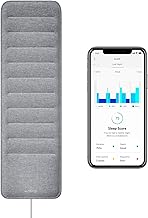
A focused support option when sleep routine and recovery habits are the real bottleneck.
- Fits best after caffeine timing, light, and routine are addressed.
- Useful for comparing dose and form before buying.
- Should not replace medical care for ongoing sleep problems.
*Affiliate disclosure: PrimeForMen may earn from qualifying purchases. Product images are loaded from Amazon media URLs and product availability can change.
*Affiliate disclosure: PrimeForMen may earn a commission if you buy through these links, at no extra cost to you. Recommendations are based on fit for the training problem, not medical need.
Where the Cortisol Conversation Gets More Useful
A 2022 systematic review and meta-analysis on physical activity, cortisol, and sleep found that physical activity programs may lower cortisol and improve sleep quality, while also noting limits in generalizing the evidence because the included trials had few male and older adult participants physical activity, cortisol, and sleep research. That is the right tone for this topic: cardio can help stress regulation, but context and evidence quality matter.
For men over 40, the recovery picture often includes lifting volume, protein timing, sleep debt, and work stress. If your cardio is climbing while strength work is also heavy, review muscle recovery techniques and tighten the basics before assuming a hormone problem.
Most cortisol content talks as if the hormone itself is the villain. The missed distinction is total load. A man can tolerate more cardio when he sleeps well, eats enough, hydrates, and keeps most aerobic work easy. The same plan can become a problem when he is dieting hard, sleeping five hours, lifting to failure, and adding intervals because he feels behind.
Cardio Mistakes That Make Recovery Look Like a Hormone Issue
- Too many medium-hard days: Every session feels productive, but none are easy enough to recover from or hard enough to clearly progress.
- Under-eating around training: Low energy availability can make normal workouts feel disproportionately stressful.
- Ignoring sodium and fluid loss: Hydration problems can feel like nervous-system fatigue. See our guides to hydration supplements and electrolytes for athletes for practical context.
- Stacking cardio after brutal lifting: If leg training is already hard, intervals may need to move or shrink.
- Chasing hormone hacks: The basics usually matter more than supplement claims or fear-based routines.
How to Program Cardio Without Cortisol Panic
- Keep two or three easy zone-based sessions where you can nasal-breathe or talk in short sentences.
- Limit hard intervals to one session if lifting volume is high.
- Add calories around longer sessions instead of doing every workout fasted.
- Track sleep duration, resting energy, and performance for seven days.
- If soreness and fatigue stay high, reduce intensity first, then volume.
Hormone anxiety can also lead men to overread testosterone claims. Cardio does not automatically erase strength progress, and lifting does not magically solve every hormone concern. For a more grounded view, read does weight lifting increase testosterone, then make sure your post-training nutrition is handled with protein timing for men over 40.
When to Pull Back
Pull back when several signs cluster for more than a few days: declining performance, sleep disruption, unusual irritability, persistent soreness, elevated resting heart rate, low libido, appetite swings, or a sense that easy sessions no longer feel easy. That does not prove a cortisol disorder. It does mean your total stress load deserves attention.
Get medical guidance if symptoms are severe, persistent, rapidly worsening, or include unexplained weight change, fainting, chest pain, heart rhythm symptoms, unusually high blood pressure, or signs that do not match your training load.
Conclusion
Cardio and cortisol is a bad topic when it turns into hormone fear. It becomes useful when it helps you ask better questions: Is the session appropriate? Are you eating enough? Are you sleeping enough? Is most of your aerobic work actually easy? Are you combining hard conditioning with hard lifting and a hard diet?
The answer is rarely “never do cardio.” For most men, the better move is to keep cardio, control intensity, fuel the work, and recover like the training matters.
This article is for general education only and does not diagnose, treat, or replace care from a qualified medical professional. Talk with a clinician about persistent fatigue, suspected hormone problems, cardiovascular symptoms, medication interactions, or any training plan that may be unsafe for your health status.
Frequently Asked Questions About Cardio and Cortisol
Does cardio always raise cortisol?
No. Cardio can raise stress-response signals acutely, especially when it is intense or long, but that is not automatically harmful. The recovery environment determines whether the stress becomes productive.
Is fasted cardio worse for cortisol?
It can feel more stressful for some men because fuel availability is lower. If fasted cardio hurts sleep, mood, or performance, try an easier session or add a small pre-workout meal.
Should I stop cardio if I am trying to build muscle?
Usually no. Keep most cardio easy, avoid excessive interval volume, and place hard conditioning away from heavy lower-body lifting when possible.
What signs suggest I am not recovering from cardio?
Watch for declining performance, poor sleep, persistent soreness, unusual irritability, elevated resting heart rate, and easy sessions feeling harder than normal.
Can better sleep lower training stress?
Better sleep can improve recovery capacity and make the same training load easier to absorb. Sleep does not erase bad programming, but it changes how much stress you can handle.