Does Pineapple Boost Testosterone Levels? Learn if this tropical fruit can actually boost your hormone levels and improve overall health.
- Pineapple does not have strong human evidence showing a direct testosterone increase.
- Its real value is nutrition fit: fruit carbs, vitamin C, manganese, and an easy swap for ultra-processed sweets.
- Bromelain is interesting for inflammation research, but that is not the same as proven testosterone support.
Bottom line Pineapple is useful when it helps you eat better overall.
Does pineapple boost testosterone? No, pineapple is not a proven testosterone booster. It can fit a testosterone-supportive diet because it provides carbs, vitamin C, manganese, fluid, and a lighter dessert option, but it should not be sold as a hormone hack.
Quick Summary: Does pineapple boost testosterone levels?
- Pineapple does not have strong human evidence showing a direct testosterone increase.
- Its real value is nutrition fit: fruit carbs, vitamin C, manganese, and an easy swap for ultra-processed sweets.
- Bromelain is interesting for inflammation research, but that is not the same as proven testosterone support.
- For male hormone health, the bigger levers are sleep, resistance training, body composition, calories, and micronutrient adequacy.
Prime Perspective
Pineapple is useful when it helps you eat better overall. It is not useful when it becomes another single-food testosterone myth. If adding pineapple helps replace candy, improve post-workout carbs, or make a high-protein meal easier to repeat, it can support the system around testosterone without pretending to be a drug.
The Real Pineapple And Testosterone Connection
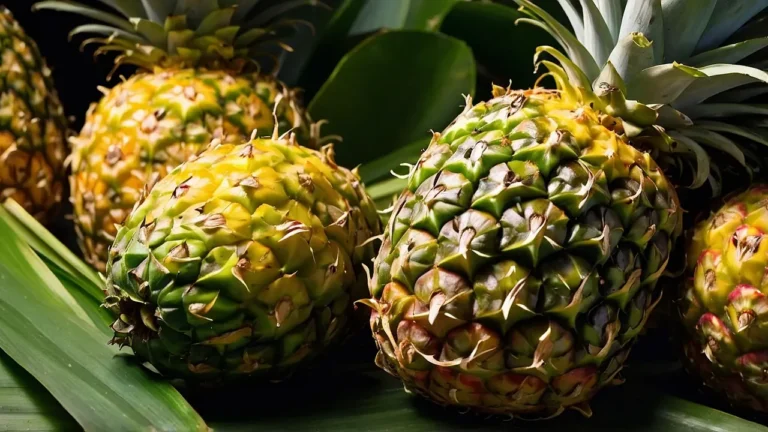
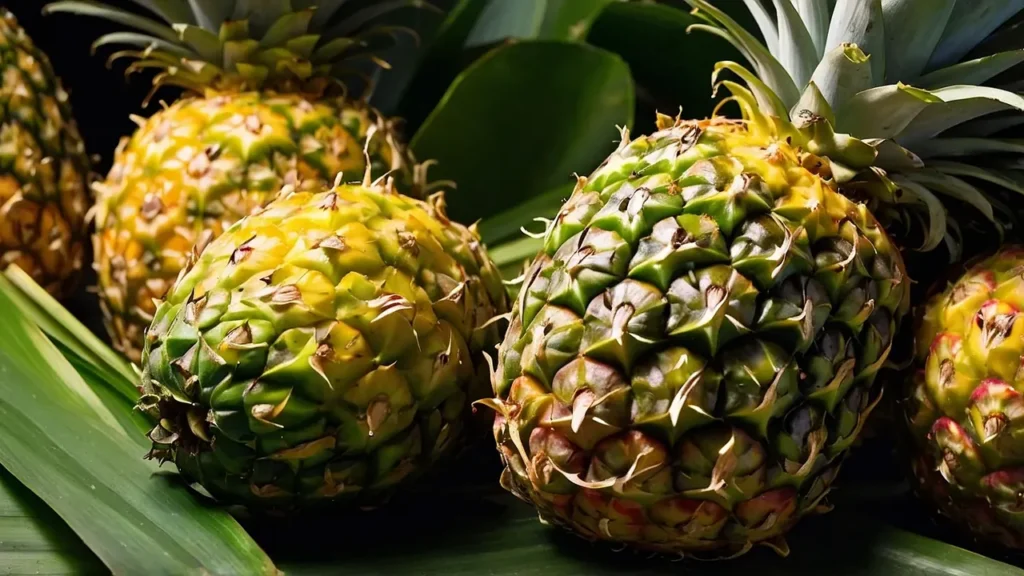
Pineapple contains nutrients that matter for general health, but no single nutrient in pineapple guarantees higher testosterone. USDA FoodData Central lists raw pineapple as a fruit source of carbohydrate, vitamin C, manganese, and water-rich volume through its raw pineapple nutrient profile. Those are useful, but they are not a substitute for diagnosed hormone care.
The common bromelain claim also needs perspective. A systematic review on bromelain and inflammatory pathways discusses anti-inflammatory mechanisms, not a direct testosterone-boosting effect in men eating pineapple.
| Pineapple angle | What it can do | What it cannot prove | Practical use |
|---|---|---|---|
| Vitamin C | Supports normal antioxidant and immune function. | Does not guarantee a testosterone increase. | Use fruit to replace low-nutrient desserts. |
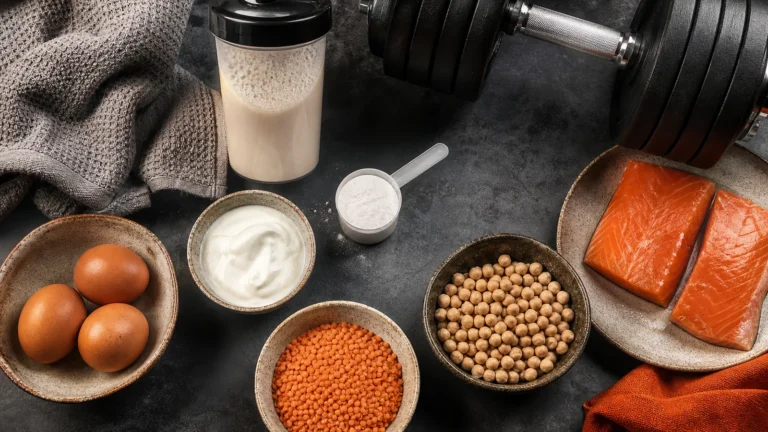
| Carbohydrates | Can help fuel training around workouts. | Does not compensate for poor programming or low protein. | Pair with Greek yogurt, whey, eggs, or lean protein. |
| Bromelain | Studied for inflammation-related effects. | Not proven as a male hormone enhancer from pineapple servings. | Treat as a food bonus, not a therapy. |
Amazon.com Picks
Build A Better Hormone-Friendly Pantry
Use pineapple as part of a repeatable diet pattern: protein, micronutrients, and convenient fruit instead of random hormone hacks.
- Makes high-protein meals easier to repeat.
- Supports training fuel without ultra-processed sweets.
- Focuses on food structure instead of overclaiming one fruit.
Pineapple Snacks
A convenient option when you want fruit flavor with fewer candy-style choices.
See CategoryProtein Powder
Pairs well with pineapple smoothies when protein intake is the actual gap.
See CategoryZinc And Magnesium
Useful to compare only if your diet or labs suggest a real micronutrient shortfall.
See Category* As an Amazon Associate, we earn from qualifying purchases.
When Pineapple Helps Most
Pineapple helps most when it improves adherence. A bowl of pineapple with high-protein Greek yogurt may be more useful than a bland plan you quit by Thursday. If your goal is body composition, compare this with our smoothie for testosterone guide and the bigger picture in natural high testosterone foods.
If you train hard, pineapple can also be an easy carbohydrate around lifting sessions. That does not make it anabolic by itself; it simply helps fuel the work that actually drives adaptation. For the training side, see whether weight lifting boosts testosterone and post-workout supplement basics.
The Knowledge Gap Most Pineapple Claims Miss
Most viral claims confuse “contains useful nutrients” with “raises testosterone.” To prove a testosterone claim, you would need controlled human data showing that pineapple intake changes testosterone compared with a matched diet. That is a much higher bar than listing vitamin C or bromelain.
A Simple Pineapple Protocol
- Use 1 cup of pineapple with a protein source, not as a standalone “testosterone meal.”
- Put it near training if you need easy carbs before or after lifting.
- Choose fresh, frozen, or unsweetened options most of the time.
- Keep the rest of the day built around protein, whole foods, sleep, and progressive training.
Bottom Line
Pineapple is a good fruit, not a hormone treatment. It can support the diet pattern around better training, recovery, and body composition, but it should not be framed as a direct testosterone booster.
For the next step, use our diets that boost testosterone guide to build a full pattern instead of betting on one food.
FAQ
Does pineapple boost testosterone quickly?
No. Pineapple is not a quick testosterone booster. It is better viewed as a nutritious fruit that can support a better overall diet.
Is bromelain in pineapple good for testosterone?
Bromelain has been studied for inflammation-related effects, but that does not prove that eating pineapple raises testosterone in men.
Should men eat pineapple before workouts?
It can work as an easy carbohydrate source before or after training, especially when paired with protein. The training program still matters more.
Can pineapple replace testosterone supplements?
No. It should not replace medical care, lab testing, or clinician-guided treatment when low testosterone is suspected.
What foods matter more for testosterone than pineapple?
Look at the whole diet: enough calories, protein, healthy fats, vitamin D, zinc, magnesium, fiber, and fewer ultra-processed foods.