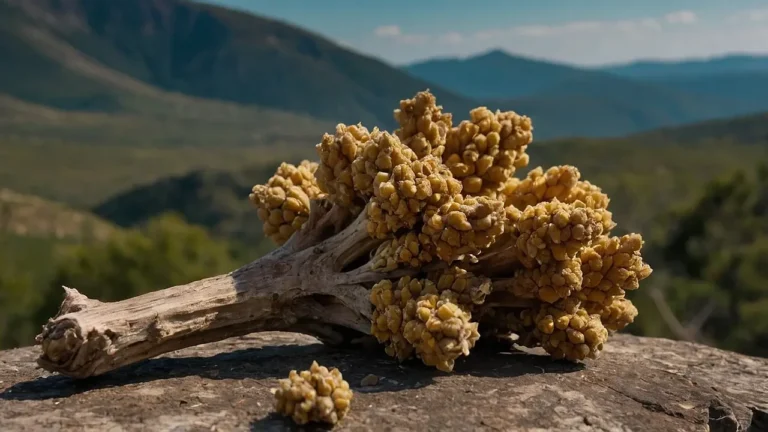
Discover if Cistanche can boost testosterone levels naturally. Learn about its potential benefits, scientific evidence, and how it may impact hormonal health.
- Cistanche is a traditional herb with animal data around fertility and steroidogenic pathways.
- Human testosterone evidence is thin, so claims should stay conservative.
- Safety data are limited; avoid assuming it is harmless because it is natural.
Bottom line Cistanche is one of those herbs where marketing runs ahead of clinical proof.
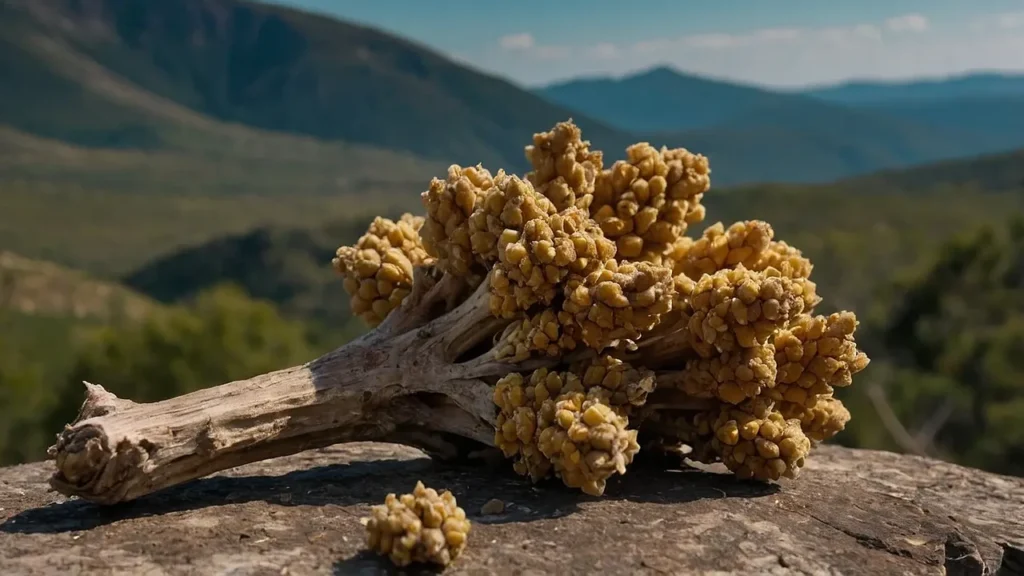
Does cistanche increase testosterone? The honest answer is “not proven in men.” Cistanche has interesting animal and mechanistic research around reproductive biology, but human evidence is too limited to treat it as a reliable testosterone booster.
- Cistanche is a traditional herb with animal data around fertility and steroidogenic pathways.
- Human testosterone evidence is thin, so claims should stay conservative.
- Safety data are limited; avoid assuming it is harmless because it is natural.
- If testosterone or fertility is the concern, labs and clinician guidance come first.
Cistanche is one of those herbs where marketing runs ahead of clinical proof. Men comparing herbs should also read ingredients that boost testosterone and the safety-first guide to testosterone booster safety.
The Direct Answer: Promising Signals, Not Proof
Cistanche extracts contain compounds such as phenylethanoid glycosides, including echinacoside and acteoside. Animal studies suggest possible effects on oxidative stress, inflammation, sperm parameters, and steroidogenic enzymes. That is biologically interesting, but it is not the same as proving that a supplement raises testosterone in adult men.
WebMD summarizes the evidence conservatively: cistanche is used for several conditions, but there is no good scientific evidence supporting those uses, and there is not enough reliable information to know whether it is safe when taken by mouth. See its overview of Cistanche deserticola.
Evidence Scorecard
| Question | Current read | What to do with it |
|---|---|---|
| Does it raise testosterone in men? | Not proven by strong human trials. | Do not use it as a replacement for lab-guided care. |
| Does it affect fertility markers? | Mostly animal and formulation-based research. | Fertility concerns need semen analysis and clinician support. |
| Is the mechanism plausible? | Some preclinical data suggest antioxidant and steroidogenic-enzyme effects. | Plausible is not the same as clinically reliable. |
| Is it low risk? | Long-term human safety is not well established. | Be cautious with medications, chronic disease, and stacking. |
Useful Tools for This Topic
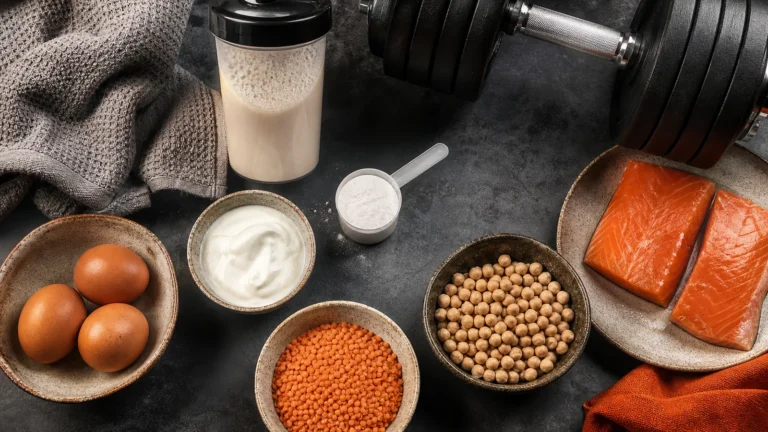
These categories fit the practical next step: improve nutrition consistency, track the habit, or compare supplement labels without treating a smoothie or herb like medicine.
- Choose third-party-tested products when possible.
- Match the product to a real routine, not a miracle claim.
- Check labels for dose, allergens, stimulants, and medication warnings.
*Affiliate disclosure: PrimeForMen may earn a commission from qualifying purchases through these Amazon links, at no extra cost to you.
What the Research Is Really About
A Frontiers review describes cistanche as containing more than 120 isolated compounds and highlights phenylethanoid glycosides as an important compound group. That supports the idea that the plant is chemically complex, but it does not prove a testosterone outcome in supplement users. Review the paper on active ingredients and health applications of cistanche.
Some animal work, including diabetic-rat models, explores reproductive function and testicular tissue pathways. Those models help researchers form hypotheses. They do not tell you what will happen in a healthy 35-year-old man buying a capsule online.
The missing piece is high-quality human research: standardized extract, verified dose, third-party testing, baseline testosterone, free testosterone, LH, SHBG, sperm markers, symptom scores, adverse events, and follow-up. Without that, the correct language is “may be investigated,” not “boosts testosterone.”
Who Should Avoid Guessing With Cistanche?
Men pursuing fertility
Use semen analysis and reproductive specialist guidance instead of trying to self-treat with herbs.
Medication users
Unknown interactions are still interactions worth respecting. Ask a clinician or pharmacist.
Low-T symptoms
Symptoms overlap with sleep apnea, depression, thyroid issues, diabetes, overtraining, and calorie restriction.
A Practical Decision Framework
Before cistanche, fix the higher-confidence levers: body composition, resistance training, sleep, protein, vitamin D status when appropriate, and alcohol intake. Compare those with quitting sugar and testosterone, vitamin D for testosterone, and testosterone for muscle growth.
If you still trial cistanche, do not stack it with multiple hormone-marketed herbs. Use one variable, set a short review window, stop if side effects appear, and do not let subjective libido changes replace lab evidence.
Bottom Line
Cistanche is scientifically interesting but clinically unproven as a testosterone booster for men. The best use of this information is to stay skeptical, avoid overclaiming, and put testing and proven lifestyle foundations first.
This article is educational and does not diagnose, treat, or replace medical care. Speak with a qualified clinician before using cistanche if you have hormone symptoms, fertility concerns, kidney disease, diabetes, liver disease, mood concerns, or take prescription medication.
Frequently Asked Questions About Cistanche and Testosterone
Does cistanche increase testosterone?
It is not proven to reliably increase testosterone in men. Most supportive evidence is animal, mechanistic, or based on traditional use.
Why do people call cistanche a testosterone booster?
Because some preclinical studies suggest effects on reproductive pathways and steroidogenic enzymes. Marketing often turns that into a stronger claim than the evidence supports.
Is cistanche safe?
There is not enough reliable human safety information to assume it is safe for everyone, especially with medications or chronic conditions.
Can cistanche help fertility?
Human fertility evidence is limited. Men with fertility concerns should use semen analysis and clinician guidance rather than self-treatment.
What should I try before cistanche?
Prioritize sleep, resistance training, body composition, protein intake, alcohol reduction, and lab testing when symptoms suggest low testosterone.