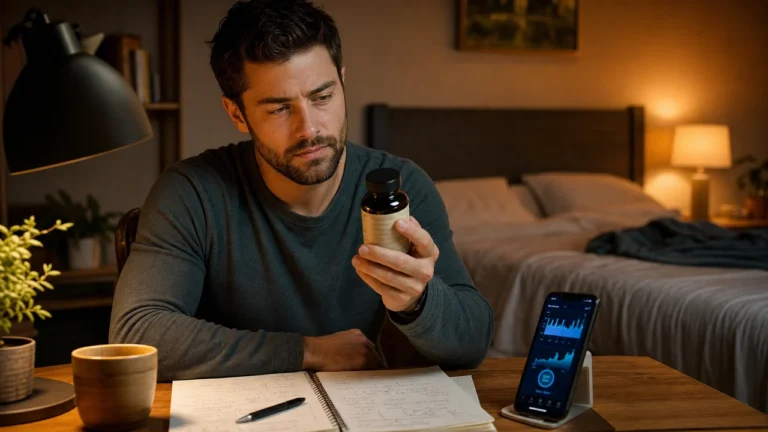
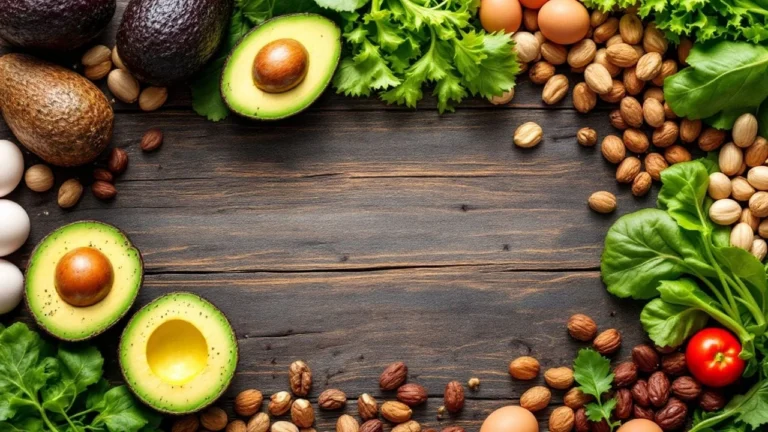
Explore natural high testosterone foods to boost your levels with tasty options and lifestyle tips!
- Food supports normal testosterone physiology; it does not override sleep loss, illness, obesity, medication effects, or true hypogonadism.
- Prioritize enough calories, protein, healthy fats, zinc-rich foods, vitamin D status, and fiber-rich plants.
- Very low-fat dieting and chronic under-eating can work against training, recovery, and libido.
Bottom line PrimeForMen treats testosterone content as decision support, not as a promise that one product, food, or routine will transform your labs.
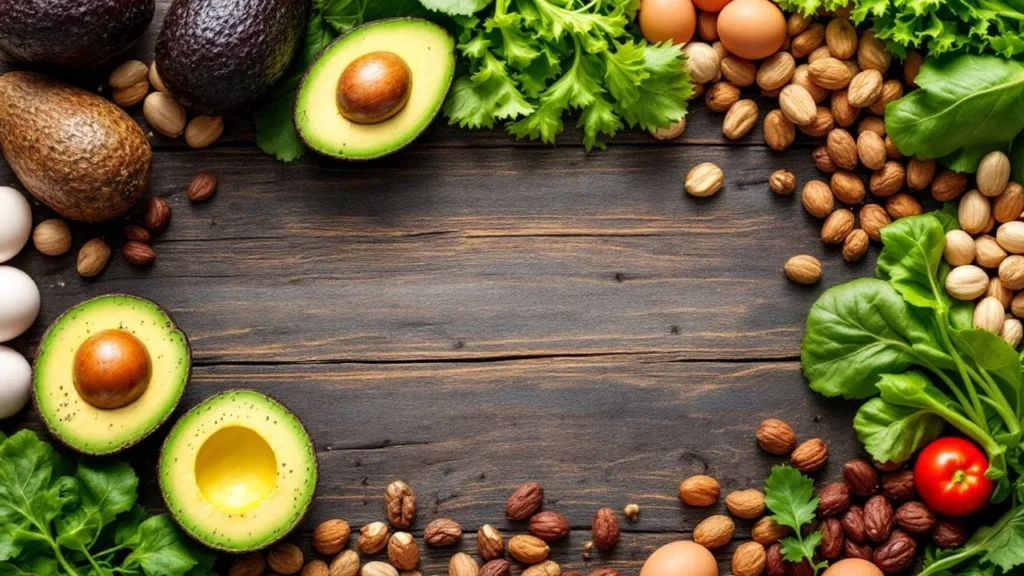
What Are Natural High Testosterone Foods? deserves a calmer answer than most supplement ads give. Natural high testosterone foods are foods that help your body meet the nutrient, energy, and recovery demands linked with normal testosterone production. They do not work like a drug, and no single steak, egg, oyster, or seed guarantees higher testosterone. The useful question is whether your normal diet supplies enough protein, fats, zinc, magnesium, vitamin D support, and calories to avoid pushing your body into a low-recovery state.
Quick Summary: What are natural high testosterone foods?
Fast answer before you buy anything
- Food supports normal testosterone physiology; it does not override sleep loss, illness, obesity, medication effects, or true hypogonadism.
- Prioritize enough calories, protein, healthy fats, zinc-rich foods, vitamin D status, and fiber-rich plants.
- Very low-fat dieting and chronic under-eating can work against training, recovery, and libido.
- Use supplements only to close a likely gap, not to replace a consistent diet.
Prime Perspective
PrimeForMen treats testosterone content as decision support, not as a promise that one product, food, or routine will transform your labs. The better standard is simple: remove the obvious bottlenecks first, use supplements only for plausible gaps, and involve a clinician when symptoms or blood work point beyond lifestyle.
What the phrase really means
The phrase natural high testosterone foods is often used online as if testosterone were a single lever. In real life, testosterone is influenced by sleep, body composition, energy availability, training load, medication history, alcohol, illness, and age. That is why a useful plan starts with context before it starts with capsules.
The Endocrine Society clinical guideline emphasizes that low testosterone should be interpreted with symptoms and consistently low measured levels, not a single vague feeling. That framing matters even when you are only considering non-prescription products.
Recovery first
If sleep is short, training is excessive, or calories are too low, a supplement trial is built on weak ground.
Nutrition second
Protein, fats, zinc, magnesium, vitamin D status, and enough total food are the base layer.
Evidence third
Claims should match ingredient doses, third-party testing, and realistic outcomes.
Labs when needed
Persistent symptoms deserve morning labs and professional interpretation, not guesswork.
The practical scorecard
| Area | What to check | Why it matters |
|---|---|---|
| Oysters, beef, pumpkin seeds | Zinc and protein support normal reproductive physiology. | More is not always better; excessive zinc can create problems. |
| Eggs, fatty fish, fortified dairy | Protein, fat, vitamin D support, and micronutrients. | Useful when they fit your overall calorie and lipid goals. |
| Olive oil, avocado, nuts | Dietary fat and energy density. | Helpful for men who diet too aggressively. |
| Beans, oats, berries, vegetables | Fiber and cardiometabolic support. | Hormone health is not separate from metabolic health. |
Supplement fit check
Useful Amazon categories when the basics are already handled
These categories fit the article only as support tools. They do not diagnose low testosterone and they do not promise a guaranteed hormone increase.
- Use them to close a practical gap, not to replace sleep, food, training, or lab work.
- Prefer transparent labels and avoid proprietary mega-stacks.
- Stop using anything that worsens sleep, mood, blood pressure, digestion, or skin.
Vitamin D3 SupplementsA practical option for men with limited sun exposure or low measured status.View on Amazon
High-Protein Pantry StaplesHelps close the protein and calorie consistency gap.View on Amazon
*Affiliate disclosure: PrimeForMen may earn from qualifying Amazon purchases through these links, at no extra cost to you.
Knowledge gap
The missing piece in most testosterone advice: men are told what to buy before they are told how to interpret the result. If libido, mood, strength, waist size, and sleep all change at once, you cannot know whether the supplement helped or whether your routine finally became more consistent.
How to make the decision safer
Start with a two-week baseline. Track sleep duration, morning energy, libido, workouts, alcohol, waist trend, and stress. If your baseline is chaotic, fix that first. If your baseline is stable and you still want a trial, keep it boring: one product, label dose, no stimulant stacking, and a clear stop date.
Nutrition claims are also easy to overstate. The NIH Office of Dietary Supplements notes that zinc is an essential mineral found in foods and supplements, but more is not automatically better. A deficiency is different from a marketing opportunity.
For training context, connect this article with PrimeForMen guides on testosterone for muscle growth, pre-workout supplements, best protein powders, cardio and cortisol, and vitamin B12 and testosterone.
A 7-day practical reset before adding more
Days 1-2
Set a consistent bedtime and remove the late caffeine or alcohol pattern that hurts sleep quality.
Days 3-4
Hit protein targets, include healthy fats, and stop accidental under-eating during busy days.
Days 5-6
Train hard enough to progress, but leave the gym with recovery still possible.
Day 7
Review what changed. If the basics moved the needle, the supplement was not the first bottleneck.
Bottom line
What Are Natural High Testosterone Foods? is best answered with a decision framework, not a slogan. If the issue is a lifestyle gap, fix the gap. If the issue looks medical, test and discuss it. If you still use a supplement, keep the trial limited, track the result, and refuse products that promise certainty where the evidence is mixed.
Next PrimeForMen read
For a wider performance plan, move next to the PrimeForMen blog hub and build outward from training, nutrition, recovery, and supplement basics instead of treating testosterone as an isolated shortcut.
Frequently Asked Questions About natural high testosterone foods
What are the best natural high testosterone foods?
The most useful pattern includes protein-rich foods, zinc-rich foods, vitamin D sources, healthy fats, and plenty of plants. Oysters, beef, eggs, salmon, Greek yogurt, pumpkin seeds, beans, olive oil, and leafy greens are practical examples.
Do oysters increase testosterone immediately?
Oysters are rich in zinc, but eating them does not create an instant hormone surge. They are useful when they help correct a real nutrient gap.
Is a high-fat diet necessary for testosterone?
No. Extremely low-fat dieting can be a problem for some men, but that does not mean a very high-fat diet is required or healthier.
Can vegan diets support testosterone?
Yes, if calories, protein, fats, zinc, iodine, vitamin B12, iron status, and overall food quality are managed carefully.
Should I take zinc if I eat zinc-rich foods?
Not automatically. If your intake is already adequate, more zinc is not a better testosterone strategy. Consider labs or clinician guidance if you suspect deficiency.
Medical and safety disclaimer: This article is educational content, not medical advice, diagnosis, or treatment. Testosterone symptoms, hormone testing, fertility concerns, medication interactions, and supplement safety should be discussed with a qualified healthcare professional.