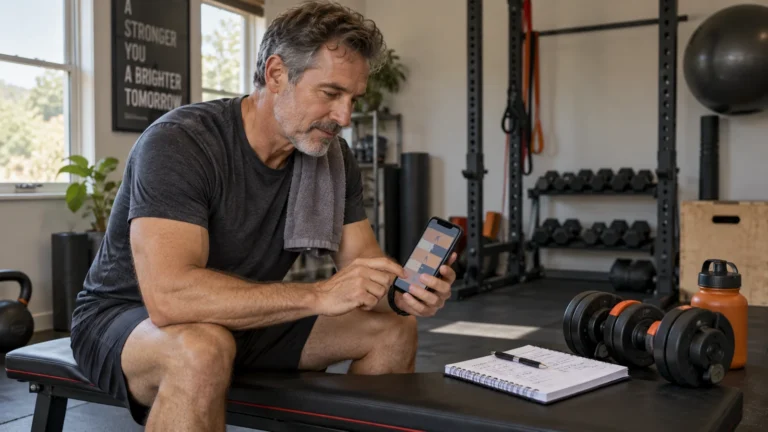
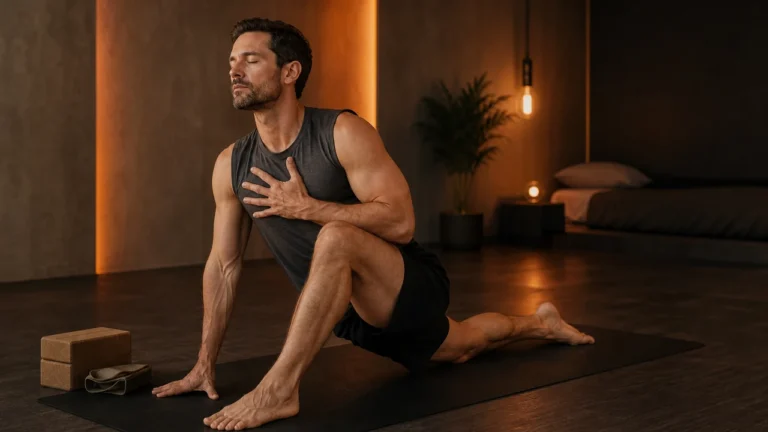
Mind-body fitness for men: how breath, mobility, balance, and recovery work best without turning training into hype.
- Start with the problem you want this trend or tool to solve.
- Prefer clear structure, realistic claims, and repeatable habits over novelty.
- Use products as support tools only; they do not replace coaching, sleep, recovery, or medical care.
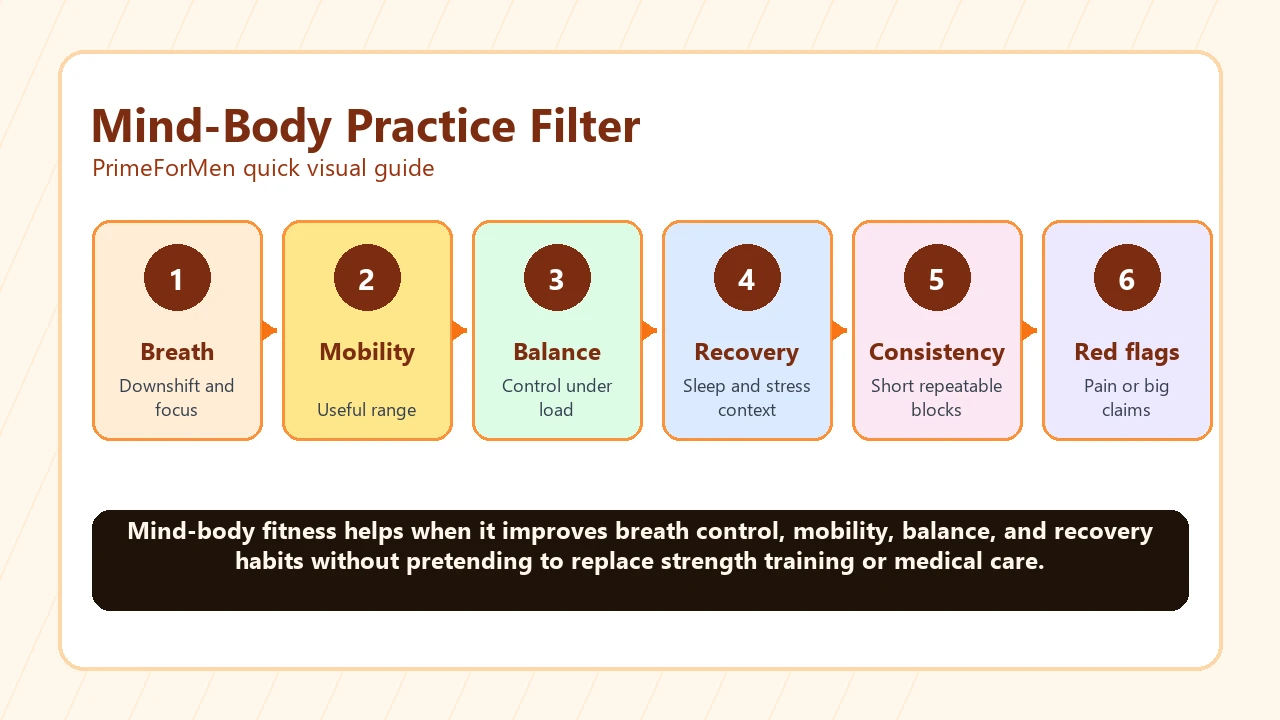
Bottom line Mind-body fitness helps when it improves breath control, mobility, balance, and recovery habits without pretending to replace strength training or medical care.
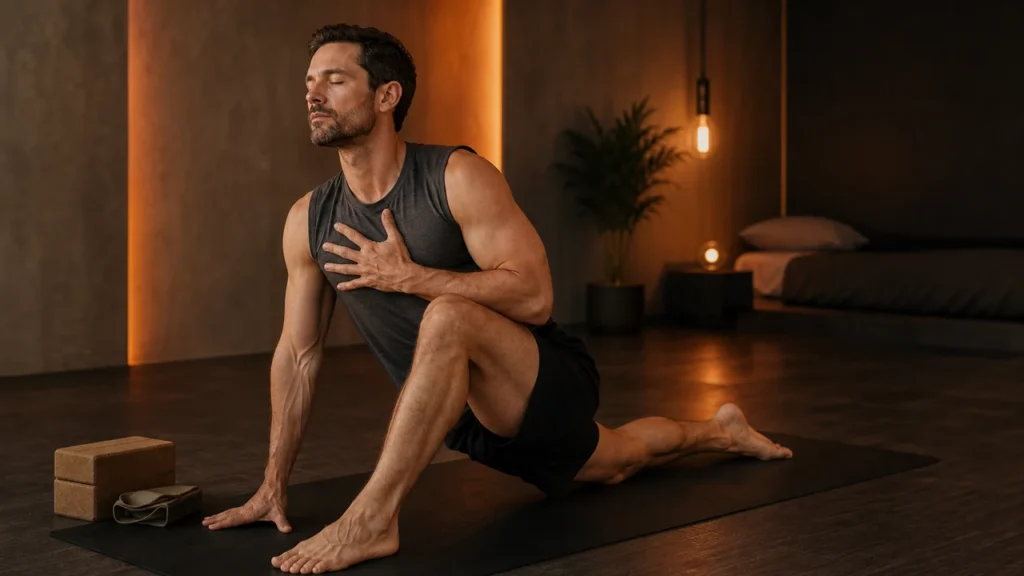
Mind-Body Fitness in 2026 should be judged by practical fit, not trend language. This refresh replaces the old broad overview with a decision guide built around what a man can actually use, sustain, and verify.
Mind-body fitness helps when it improves breath control, mobility, balance, and recovery habits without pretending to replace strength training or medical care.
- Start with the problem you want this trend or tool to solve.
- Prefer clear structure, realistic claims, and repeatable habits over novelty.
- Use products as support tools only; they do not replace coaching, sleep, recovery, or medical care.
- Stop or scale back if pain, dizziness, unusual symptoms, or burnout signals appear.
The Prime Perspective: Trends Only Matter When They Change Behavior
For men, the useful version is practical: breathe better, move through controlled ranges, recover more intentionally, and carry that control back into lifting, cardio, work, and sleep.
For 2026 context, this article uses NCCIH mind and body practices and ACSM 2026 fitness trends. The practical filter is simple: does the trend help you train, recover, or participate more consistently?
What This Guide Is Really Solving
Old trend articles often list what is popular without helping readers decide. This version focuses on fit: goal, schedule, access, recovery, privacy, equipment, and whether the idea survives normal life.
Related PrimeForMen paths include importance of rest and recovery, sleep aids, and muscle recovery techniques.
Amazon Product Shortlist
Mind-body fitness is easier to repeat when the setup removes friction: stable floor space, accessible positions, and better recovery habits.

Yoga blocks
Amazon Basics Non-Slip Yoga Blocks
- Make mobility positions easier to scale without forcing range.
- Support hips, hamstrings, spine, and balance work with better control.
- Help beginners use cleaner positions during yoga-inspired sessions.

Exercise mat
CAP Barbell High Density Exercise Yoga Mat
- Creates a consistent space for breathwork, mobility, and floor-based recovery.
- Adds comfort for knees, wrists, and spine during controlled practice.
- Makes short daily sessions easier to start at home.

Sleep mask
MZOO Luxury Sleep Eye Mask
- Supports a darker sleep environment when light control is poor.
- Fits the recovery side of mind-body practice without making treatment claims.
- Useful for travel, naps, and bedtime routines after evening training.
*Affiliate disclosure: PrimeForMen may earn from qualifying purchases. Product images are loaded from Amazon media URLs and product availability can change.
How to Evaluate the Trend
Use the table before committing. A good choice should reduce friction, improve clarity, or make participation easier. If it mostly adds pressure, confusion, or cost, it is not the next move.
| Option | Best use | Decision signal |
|---|---|---|
| Breathwork block | Focus, downshifting, session transitions | Use as a short reset, not a cure-all. |
| Mobility practice | Hips, t-spine, shoulders, ankles | Use to improve usable range and control. |
| Balance and control | Single-leg work, slow tempo, stability | Use to connect mind-body work to strength. |
| Wellness hype | Guaranteed stress or hormone claims | Skip when claims outrun evidence. |
Calm-control-vs-hype meter
The moving bar is a visual reminder: the useful direction is away from hype and toward a repeatable, recoverable plan.
Useful control
The Knowledge Gap: Trend Fit Beats Trend Adoption
The missing question is not whether the trend is popular. The missing question is whether it creates a better entry point, better recovery, better accountability, or better progression for the person using it.
- Define the outcome before buying or joining.
- Check safety, privacy, and recovery boundaries.
- Use scalable tools and realistic schedules.
- Review after two weeks: keep what improved consistency and remove what created friction.
Practical Setup Notes
Start small
Make the first version easy enough to repeat twice before upgrading the plan.
Track one signal
Use one useful metric: sessions completed, sleep quality, effort, steps, recovery, or consistency.
Protect recovery
Trends fail when they ignore fatigue. Use core flexibility exercises when soreness or stress stacks up.
Keep the exit option
Do not stay with a program, retreat, or challenge that relies on shame, extreme claims, or poor fit.
Simple 24-Hour Decision Protocol
- Write down the exact problem you want solved.
- Check whether the idea fits your current schedule, body, and recovery.
- Compare the support tools above only after the goal is clear.
- Try the smallest version for two weeks.
- Keep it only if it improves consistency without raising unnecessary stress.
Bottom Line
Mind-Body Fitness deserve attention only when they make training, recovery, or participation easier to sustain. Choose fit over novelty, evidence over marketing, and repeatability over intensity.
For the broader system, continue with sustainable fitness.
This article is general education only and does not replace medical advice, physical therapy, mental health care, or individualized coaching. Stop if you feel sharp pain, dizziness, chest pain, faintness, numbness, worsening symptoms, or unusual discomfort.
Some product links are affiliate links. PrimeForMen may earn a commission from qualifying purchases at no extra cost to you.
If you want to connect this topic to a realistic fitness routine, use wellness retreats and keep the plan grounded in your actual week.
Frequently Asked Questions About Mind-Body Fitness
What is mind-body fitness?
Mind-body fitness uses breath, attention, mobility, balance, and controlled movement to support training quality, recovery, and consistency.
Is mind-body fitness useful for men?
Yes, when it is practical. It can help men build better movement control, recovery habits, and body awareness without replacing strength or cardio training.
Does breathwork replace exercise?
No. Breathwork can support focus and downshifting, but it does not replace strength training, aerobic activity, sleep, or medical care when symptoms need attention.
How often should I do mind-body fitness?
Start with five to ten minutes on most days or after hard sessions. Consistency matters more than long, complicated sessions.
What equipment helps with mind-body practice?
A mat, yoga blocks, and simple sleep-support tools can make practice easier to repeat, but the main requirement is a realistic routine.