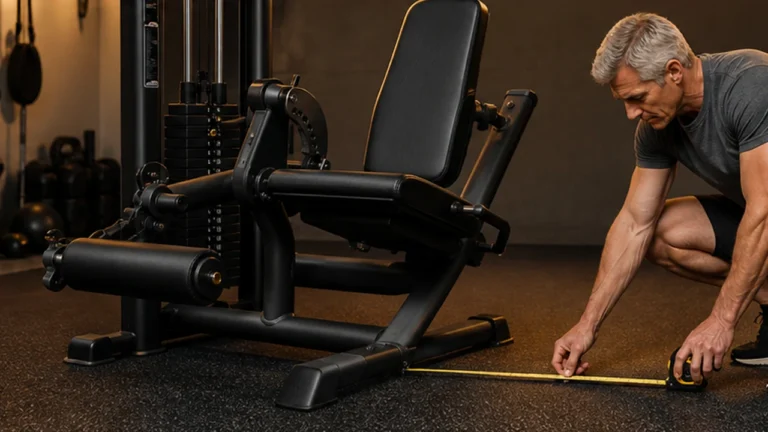
Compare seated and lying leg curl machines by body fit, loading, working space and bench compatibility. See what to check before buying.
- Body-Solid and Titan address seated curls; GMWD LE08 2.0 addresses lying curls.
- Plate-post diameter and included adapters can change the real purchase cost.
- Published footprint does not include all movement and loading clearance.
Bottom line Make the seller resolve any uncertain fit or attachment compatibility before you commit to return freight.
Quick Answer
Choose a seated extension/curl machine if you want both exercises without lying down; choose a prone-curl model only if that position suits you. Verify knee alignment, roller reach and operating space before capacity. A bench attachment is worthwhile only when the exact bench and attachment are compatible.
- Choose the curl position
- Check body fit
- Measure the moving area
The best leg extension and curl machines for home gyms solve a specific problem: adding repeatable quad and hamstring work without rebuilding your setup between sets. They do not all solve it in the same position. A seated curl machine, a prone-curl machine and a weight-bench attachment can look similar in a shopping result but feel very different to get into and adjust.
Quick Summary: Best Leg Extension and Curl Machines
- Start with the curl position: choose seated or lying before comparing accessories.
- For seated training: compare the Body-Solid GCEC340B and Titan plate-loaded machine.
- For lying curls: the GMWD LE08 2.0 is a separate shortlist option, not another seated-curl pick.
- Before ordering: check knee alignment, roller reach, plate compatibility and the space needed to move and load the machine.
The Prime Perspective
For a man training after 50, a machine earns its place when you can enter it, set it up and repeat the movement without wrestling with the equipment. That is not an age-based claim that everyone needs a machine. It is a practical reason to judge adjustment access and position changes as seriously as the maximum load printed on the listing.
This is a research-based buying guide, not a hands-on test. We checked current manufacturer information and identifiable US listings on August 31, 2026. Our choices are segmented by use case; we have not measured resistance curves, durability or comfort. See our editorial policy for how we separate product claims from evidence.
How We Selected the Shortlist
We prioritized a clearly identified model, support for both movements, usable adjustments and a loading system a home buyer can understand. Body fit comes first; exercise switching and working space come next. We did not score machines by review stars, accessory count or an unverified claim that the resistance stays constant.
If you are still buying your first training setup, start with our home gym equipment guide. A specialized leg station is an addition to a usable training plan, not the foundation every room needs.
Three Leg-Machine Options to Compare
Choose the exact model and bundle. Prices, delivery and stock can change.

Body-Solid GCEC340B
For buyers who want both exercises from a seated position.
- Pop-pin arm adjustment changes the exercise setup.
- Adjustable cam and oversized rollers provide fit points to inspect.
- A 1-inch loading post can use the specified optional Olympic adapter.
Skip if: you need a prone curl or cannot confirm the fit and adapter bundle.
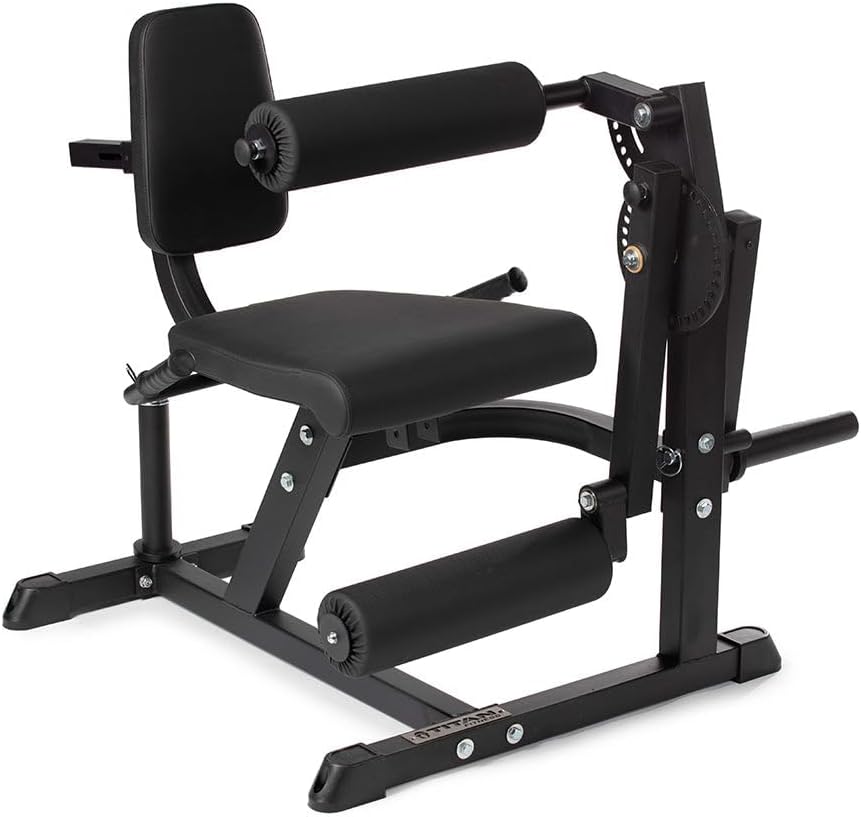
Titan Plate-Loaded Extension & Curl
For a household that benefits from multiple seat-depth settings.
- Seven published seat-depth positions allow setup changes.
- Adjustable thigh restraint helps establish the seated-curl position.
- Olympic-size loading post suits a compatible plate collection.
Skip if: the seat entry, restraint or high starting position does not fit you.

GMWD LE08 2.0
For buyers who specifically prefer supported prone hamstring curls.
- Provides seated extensions and lying curls on one station.
- Backrest and lower-leg adjustments offer separate fit checks.
- Plate loading lets you use compatible existing weights.
Skip if: you want seated curls or cannot comfortably lie down and get up.
*As an Amazon Associate, we earn from qualifying purchases. Buying through these links may earn us a commission at no extra cost to you.
Seated Curl, Lying Curl or Bench Attachment?
| Format | What you gain | What you must check | Who should look elsewhere? |
|---|---|---|---|
| Dedicated seated extension/curl | Both exercises without lying face down | Seat depth, thigh restraint, knee position and whether the roller reaches your lower leg | Anyone who cannot comfortably enter or secure the seated position |
| Extension plus prone curl | A dedicated supported lying-curl position | Torso-pad length, stepping around the lever, roller clearance and getting up again | Buyers who specifically dislike lying curls |
| Bench with a leg developer | Uses a bench for more than pressing | Exact bench-generation fit, attachment load, pad geometry and clearance under the lever | Households needing quick switches between several users and exercises |
| Selectorized station | Load changes without carrying loose plates | Starting resistance, increment size, delivery access and assembled weight | Rooms where a large fixed station cannot stay assembled |
A seated leg curl bends the knee while you remain seated with the thighs supported or restrained. A prone curl bends the knee while you lie face down on a supporting pad. Those are distinct positions; a product titled “seated leg extension and curl” does not necessarily provide a seated curl. Check the actual curl photograph or demonstration.
A bench attachment can be sensible when you already own the compatible bench and genuinely use its other functions. It is not automatically the cheaper route when you must also replace your bench. Our weight-bench buying guide covers the base equipment decision. Do not assume attachments interchange because two receivers look alike.
Compare the Published Dimensions and Loading Systems
| Model | Curl position | Listed depth/length × width × height | Important loading detail |
|---|---|---|---|
| Body-Solid GCEC340B | Seated | 56 × 44 × 37 in 142.2 × 111.8 × 94.0 cm |
Manufacturer specifies a 1-inch post; Olympic adapter is optional |
| Titan plate-loaded extension/curl | Seated | 36 × 42 × 39 in 91.4 × 106.7 × 99.1 cm |
49 mm weight post; listed post length 10 inches |
| GMWD LE08 2.0 | Lying/prone | 50.4 × 52.2 × 38.8 in 128.0 × 132.6 × 98.6 cm |
Amazon listing separates working plate load from storage capacity |
The Body-Solid and Titan dimensions above come from their current product specifications; GMWD dimensions are from the identified LE08 2.0 Amazon listing. Metric equivalents are calculated conversions, rounded to one decimal. Packaging dimensions are not a substitute for assembled dimensions.
The current GCEC340B specification also clarifies the optional Olympic adapter. Older GCEC340 documents can show different measurements. Match the model suffix, photograph and current manual before you decide a machine will fit a tight corner.
A Body-Fit Check That Goes Beyond Your Height
A manufacturer’s height range is a starting filter, not a fit guarantee. Two equally tall people can have different thigh and lower-leg lengths. When a seller only says “fits all sizes,” ask for the adjustable distances that matter rather than accepting the phrase as an answer.
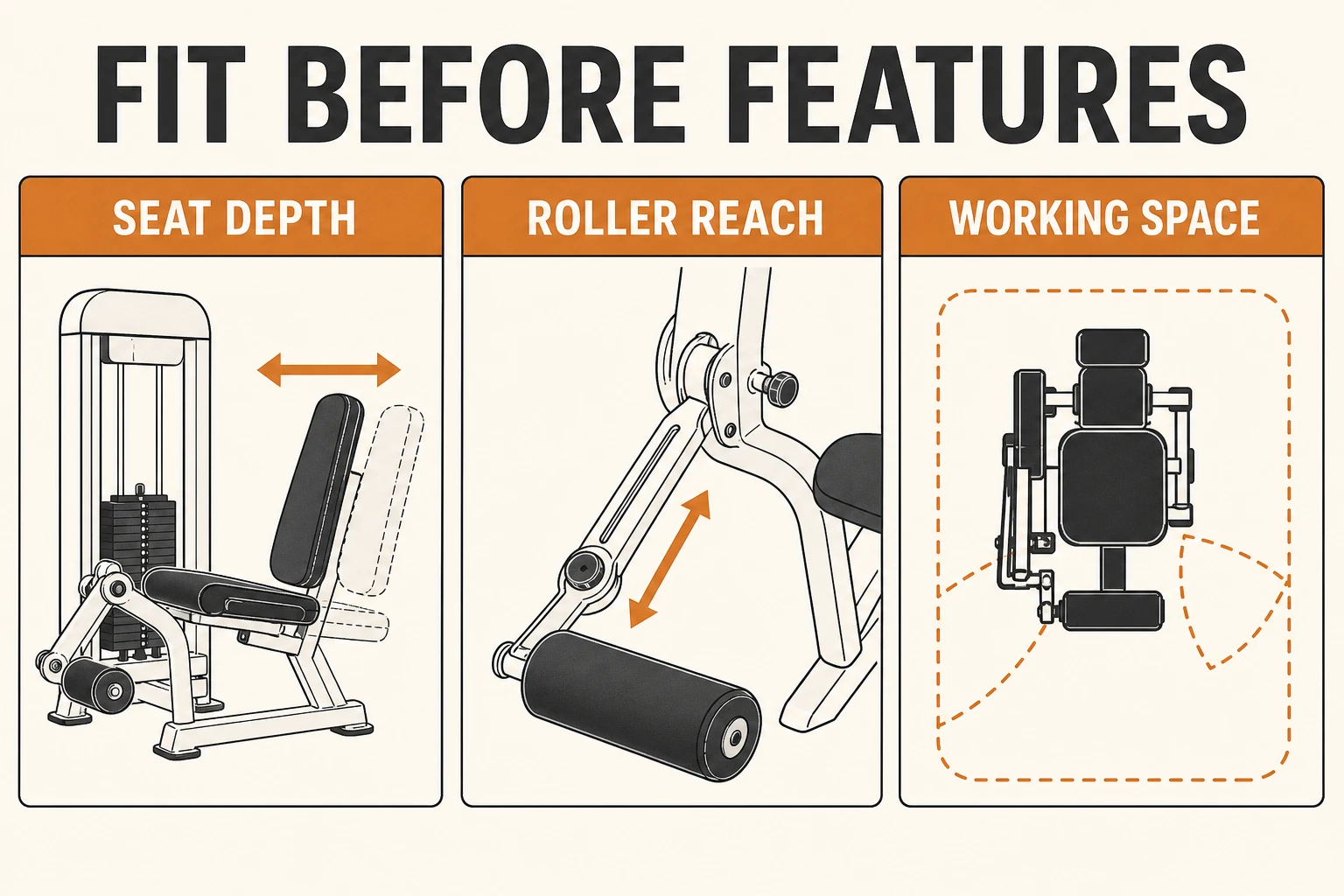
- Find the intended knee position. Following the manual, check that the seat adjustment can place your knee near the machine’s intended rotation axis. Do not slide forward off the seat simply to reach a pad.
- Check lower-leg roller reach. The roller should reach the intended lower-leg contact area for both exercises without sitting on a joint or forcing your ankle into an awkward position.
- Secure the thigh support. For a seated curl, confirm that the restraint can hold your thighs comfortably without blocking entry. An adjustment that technically exists but cannot be reached is a practical limitation.
- Rehearse the transition. Can you get out, reposition the lever and get back in without stepping over loaded plates? For a prone model, consider torso support and the effort of lying down and standing up.
Ask for a demonstration showing both movements at your approximate leg dimensions. A tall-model marketing photograph does not establish short-user fit. If the seller cannot clarify the adjustment range, a trial opportunity or a workable return policy becomes more important.
What the Weight Number Does Not Tell You
What most buyers miss: plate weight, load on the moving arm, storage capacity and user capacity are different quantities. Adding them together does not create a meaningful training-load rating.
The feel of a plate-loaded lever depends on where the weight sits relative to the pivot as the arm moves. Cables, cams and different lever lengths can change that relationship. Consequently, 50 pounds on one machine is not automatically equivalent to 50 pounds on another.
Do not interpret an adjustable load ratio as proof that every part of the movement has identical resistance. We have not instrumented these machines. For progression, record the same model, same setup positions and same load setting; compare your own repeatable sessions instead of transferring numbers from another machine.
Titan’s published specification and manual link distinguish the post dimensions and adjustment positions. Check the manual for capacity definitions and assembly requirements. A large capacity headline should never override an unclear user limit or an instruction to anchor the frame.
Measure the Working Area, Not Just the Feet
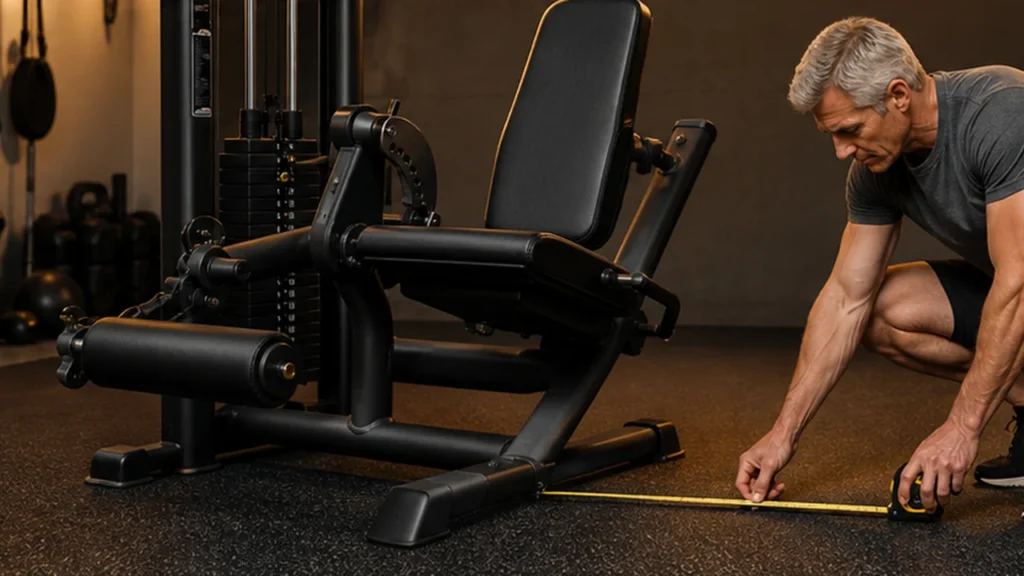
Tape out the listed base dimensions, then add the space you actually need for the moving arm, your feet, entry and plate handling. Check the longest operating configuration. A machine that fits while empty may block a door when its lever is raised or when a loaded sleeve points into the walkway.
Illustrative room check, not a universal clearance rule: a 42-inch-wide machine in a 72-inch-wide zone leaves 30 inches total, or 15 inches per side if centered. That arithmetic alone does not prove that a 45-pound plate can be carried, turned and slid onto its loading post. Rehearse that task with your own plates before buying.
Include the route from delivery point to final position. Measure doorways and turns, and establish whether the machine is delivered assembled or in boxes. Compare the installed layout with our home-gym flooring guide; a soft or uneven surface is not a fix for frame instability.
A dedicated leg station is different from a home leg press. The leg press involves a combined lower-body push, while extensions and curls isolate knee movements. Buy the station that fills the missing part of your program, not the one that merely looks substantial.
Calculate the Complete Purchase
Write down the machine price plus delivery, assembly help, any required anchoring, adapters, plates and collars. Then write down the return conditions. Return freight on heavy equipment can matter more than a small difference in the advertised purchase price.
- Already own plates? Confirm their hole diameter matches the loading post or an explicitly compatible adapter.
- Starting light? Ask about the unloaded moving-arm resistance and the smallest permitted increase. A generous maximum tells you nothing about the starting point.
- Multiple users? Identify the adjustments each person changes. Save the settings in a training log rather than relying on memory.
- Buying used? Confirm the exact model, missing pins, pad condition and availability of replacement parts before arranging transport.
We omit live price rankings because prices, bundles and delivery charges change. None of the shortlist labels means a product is always in stock, always cheapest or suitable for every buyer.
First-Session and Buy-or-Skip Checklist
After assembly, follow the manual’s fastener, cable, pin and anchoring checks before use. Start with an easy load and controlled movement to establish a comfortable setup. Do not use momentum to overcome a position that does not fit. Keep children and pets clear of the lever and plate path.
For the training plan itself, use our lower-body home workouts. A new machine does not require adding an entire extra leg workout on top of your current volume. If you have current knee pain, recent surgery or specific rehabilitation restrictions, get individualized guidance before choosing exercises or equipment.
Buy when: you can name the weekly exercise gap, verify your body fit and reserve enough working area.
Wait when: the model identity is unclear, the useful adjustment cannot be confirmed, or the delivered machine would obstruct the room.
Choose another category when: your actual goal is a hip-hinge or Nordic-curl station. Our Nordic and back-extension buyer guide separates those options.
Conclusion
Choose the curl position first. Then compare the shortlisted model against your leg dimensions, loading equipment and operating space. The Body-Solid and Titan deserve a look for seated work; the GMWD LE08 2.0 addresses the lying-curl preference. If those checks remain unresolved, postponing the purchase is more useful than choosing a machine from its capacity headline.
Use our home gym equipment guide to place this purchase alongside the bench, rack, flooring and training space you already need.
Frequently Asked Questions About Leg Extension and Curl Machines
Is a seated or lying leg curl machine better for a home gym?
Neither is universally better. A seated machine avoids lying face down, while a prone machine provides a different support position. Choose the format you can enter, adjust and use comfortably; verify both exercises on the exact model.
Can I add a leg developer to any weight bench?
No. Receiver dimensions, pin positions, bench height and permitted loads vary. Use only a combination the manufacturer explicitly supports. Include the cost of a compatible bench when comparing an attachment with a dedicated machine.
Do these machines include weight plates?
Do not assume so. Product photographs may show plates, collars or adapters that are sold separately. Check the selected bundle’s included-parts list and the loading-post diameter before ordering.
Are leg extensions automatically safe for painful knees?
No exercise machine provides that guarantee. Load, range of motion, your condition and setup all matter. A buying guide cannot prescribe rehabilitation; discuss persistent pain or post-surgical restrictions with a qualified clinician.
Can a leg extension machine replace a leg press?
Not movement for movement. Extensions focus on straightening the knee, whereas a leg press is a multi-joint push. Decide which training function is missing before assigning scarce floor space to either machine.
Medical Disclaimer: This is general equipment and fitness information, not medical advice or a rehabilitation plan. Follow the product manual and seek qualified guidance for pain, injury, recent surgery or exercise restrictions.
Affiliate Disclosure: As an Amazon Associate, PrimeForMen earns from qualifying purchases. Recommendations are based on documented fit and intended use, not an obligation to buy. Product specifications and offers can change.
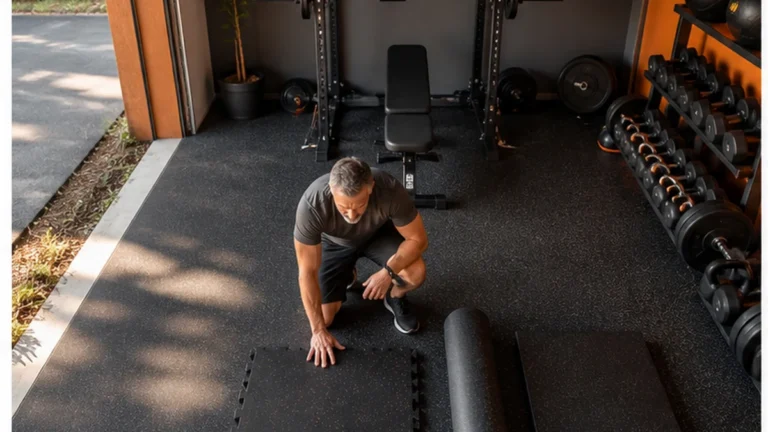
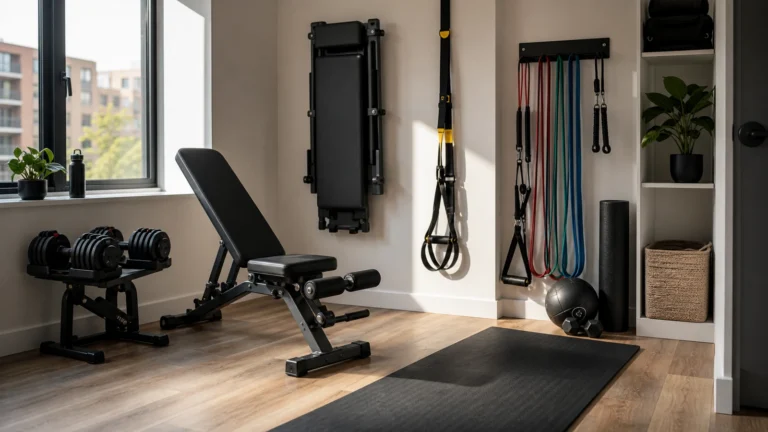
Image note: The featured scene and explanatory infographic are AI-generated editorial illustrations, not photographs of our testing or exact representations of the listed products. Amazon card images depict the identified marketplace products.