Compare weighted vests for men by fit, adjustable load, balance, movement, comfort and training goal.
- Start lighter than you think.
- Balance weight front to back.
- Use the vest for a defined training goal.
Bottom line An adjustable, close-fitting vest with small load increments is the most useful format for walking, calisthenics and step-ups.
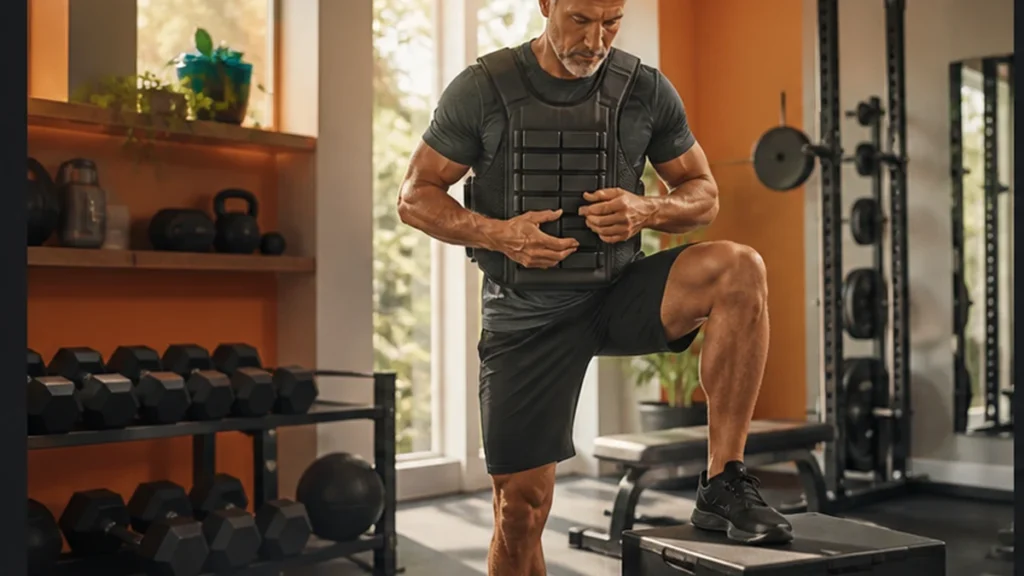
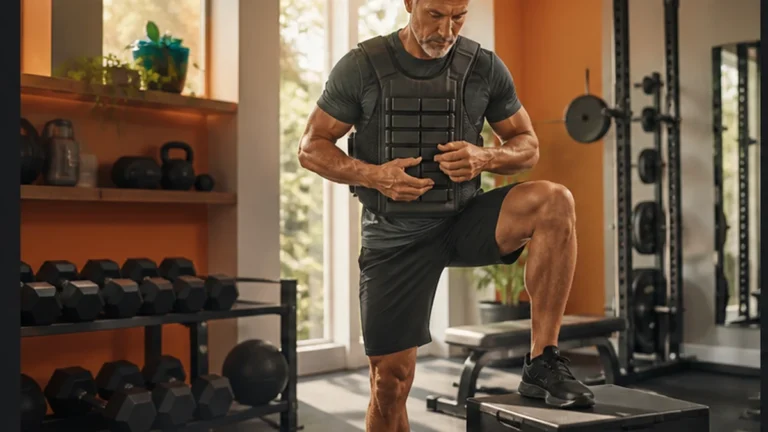
The best weighted vests for men fit close without bouncing, spread load across the torso and let you increase weight in small steps. A compact adjustable vest suits push-ups, pull-ups and step-ups; a lighter fixed vest is simpler for walking; plate-carrier styles are durable but can be bulky. Begin with a conservative load and judge posture and movement before adding weight.
Choose low bounce, easy breathing and modest load.
Use compact front-back loading with shoulder clearance.
Prioritize balance and secure side adjustment.
Best weighted vests for men should solve a defined training or ownership problem without adding avoidable risk, maintenance or clutter. PrimeForMen compared current product formats, published specifications, live retail listings and authoritative guidance; we did not personally test every model. Our editorial policy explains that distinction.
Quick Summary: Best Weighted Vests for Men
- Walking: Choose low bounce, easy breathing and modest load.
- Calisthenics: Use compact front-back loading with shoulder clearance.
- Step-ups: Prioritize balance and secure side adjustment.
- Rucking: A backpack may distribute longer-duration load better.
- Progression: Small removable increments are more useful than a huge maximum.
The Prime Perspective
A vest makes ordinary movement more demanding, but the value comes from a repeatable dose. If posture changes, joints become painful or the vest bounces, the load is no longer productive. Fit and progression outrank headline capacity.
Which Type Fits Your Use?
| Format | Best for | Main advantage | Main limitation |
|---|---|---|---|
| Light fixed vest | Walking, easy circuits | Simple and quiet | Limited progression |
| Pocketed adjustable | Calisthenics, steps | Small load changes | More parts and bulk |
| Plate carrier | Rucking, rugged use | Stable dense load | Rigid and movement-specific |
| Soft sand vest | General fitness | Body-conforming | Can shift or retain sweat |
Our Buying-Criteria Priority
This chart is not a product score. It shows how heavily we weight each factor when screening a purchase for real home use. A high number means the criterion can veto an otherwise attractive option.
96
90
88
82
58
Fit the use
Start with the person, movement and room. A feature has value only when it solves that use.
Check ownership
Include setup, cleaning, storage, parts, returns and the realistic frequency of use.
Control risk
Favor stable fit, conservative progression and clear manufacturer instructions over dramatic claims.
Compare Current Options on Amazon
Availability, variant details and seller terms can change. Confirm size, dimensions, included parts, warranty and return conditions on the current listing.

ERIC FLAG Adjustable 40 lb Vest
For calisthenics users who want many removable iron-weight increments.
- Begin with only a few inserts.
- Balance front and back pockets.
- Check shoulder clearance on pull-ups.

APEXUP Adjustable Weighted Vest
For walking and general training with a softer adjustable format.
- Select the correct starting weight range.
- Tighten enough to limit bounce.
- Use reflective details only as a supplement to visibility gear.

ZELUS Adjustable Weight Vest
For buyers comparing several removable-load ranges at a moderate price.
- Confirm the exact variant before checkout.
- Check pocket closure after each change.
- Wash only as the maker directs.
Affiliate disclosure: PrimeForMen may earn a commission from qualifying purchases at no extra cost to you.
Match the Vest to the Session
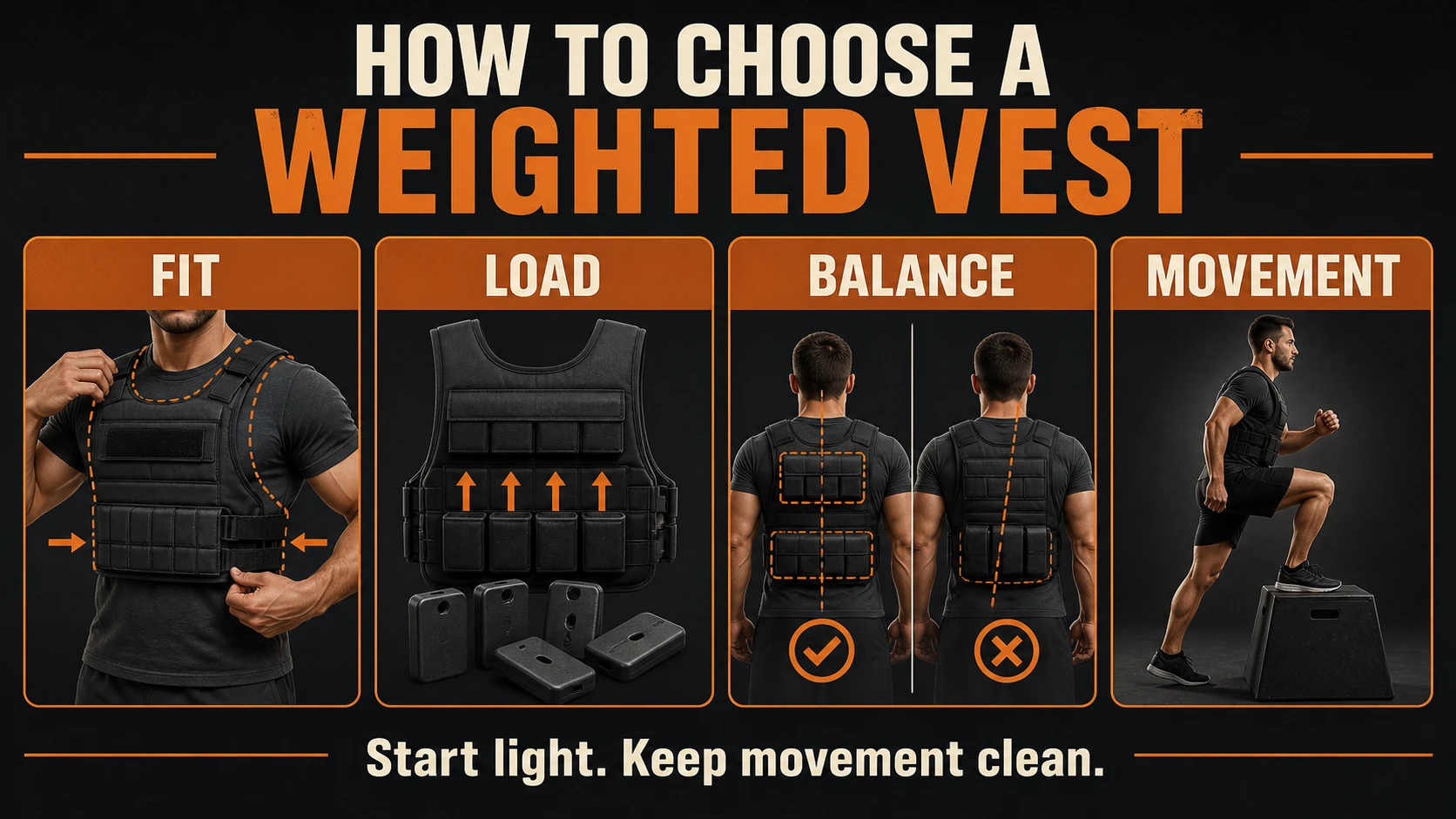
Walking requires comfort, breathing room and minimal bounce. Calisthenics needs shoulder and hip freedom. Step-ups demand front-back balance, while running amplifies every fit problem and is rarely the best place to begin. Define one primary use before choosing the shell and load system.
How Much Weight to Start With
Ignore aggressive percentage rules as universal prescriptions. Start with a light load that leaves gait, landing and trunk position unchanged. Add time or repetitions before adding more weight. Men returning after a layoff, carrying extra body weight or managing joint symptoms should be especially conservative.
For the surrounding setup, compare our walking pad guide and no-equipment workout.
Fit, Bounce and Pressure Points
The vest should stay close during a brisk walk, squat and step-up without restricting a full breath. Check collarbone, neck and lower-rib pressure. Wider shoulders may need more strap range; shorter torsos need a compact shell that does not hit the belt line or thighs.
Load Distribution and Increments
Removable weights should lock into closed pockets and distribute evenly. Small increments let you progress without turning a clean movement into a grind. Dense plates create a compact load but can feel rigid; sand-filled packets conform more comfortably but may shift. Count the complete vest weight, not just the removable inserts.
Keep the purchase inside a complete plan with the pull-up bars and workout plan for men over 50.
What Most Vest Guides Miss
A weighted vest increases the cost of every step, including mistakes. It is not a shortcut to fat loss and it does not automatically make walking safer or more effective. Surface, footwear, heat, duration and current training capacity still matter. Stop for chest pressure, unusual breathlessness, joint pain or altered gait.
A Four-Week Entry Plan
Use two short sessions per week at a load that feels almost too easy. In week two, extend duration slightly. In week three, add one set or a few minutes. Only in week four consider a small load increase if movement remains normal. Keep at least one comparable session vest-free so you can detect whether the added load is degrading performance.
What Most Buying Guides Miss
A vest should preserve the movement you intended to train. Once it changes gait, posture or breathing, a lower load is the stronger decision.
Five-Step Pre-Purchase Check
- Choose one primary activity.
- Fit the empty vest and take a full breath.
- Add the lightest balanced load.
- Test walking, squatting and step-ups.
- Progress duration before maximum weight.
Evidence and Source Check
We used the PubMed weighted-vest review for conservative starts, gradual loading and the limits of current evidence. Product specifications and availability can change, so confirm the live manual and listing before purchase. Evidence about a category does not validate every consumer product or marketing claim.
Who Should Skip This Purchase?
Skip it when the item has no defined role, the room or body fit is uncertain, or the routine depends on motivation rather than a repeatable schedule. Borrow, try a gym version or choose a simpler substitute when the expected use is occasional. A good return policy helps with fit; it does not make an unsuitable category valuable.
Calculate the Real Ownership Cost
The checkout price is only the first line. Add delivery, assembly, floor protection, accessories, replacement wear parts, cleaning supplies, batteries or electricity where relevant. Then divide that realistic total by the number of sessions you expect during the first year. This is not a promise that cost per use will become low; it is a way to expose a purchase that has no credible schedule. Also confirm who pays return freight, whether opened fitness equipment can be returned and which components the warranty excludes.
Make a One-Page Decision Before Checkout
Write down the primary user, primary exercise or use, room location, minimum acceptable fit, three veto criteria and the exact model or variant. Save the current manual, dimension diagram and warranty rather than relying on a marketplace title. Photograph the measured space and keep the packaging until fit, function and condition have been checked. Finally, schedule the first four uses. If you cannot describe when and how the product enters the routine, the strongest decision is to wait rather than let a limited-time discount decide.
Conclusion
Choose the vest you can load gradually and wear without changing your movement. For most men, a compact adjustable model beats a heavier fixed vest because progression, balance and fit stay under your control.
Place This Purchase Inside the Full Training Plan
A product decision works better when it connects to your room, program and recovery priorities. Use the pillar that matches the constraint you are solving next.
Frequently Asked Questions About Best Weighted Vests for Men
What weight vest should a man start with?
Start light enough that walking, breathing and technique look unchanged. Progress duration or repetitions before adding more weight.
Are weighted vests good for walking?
They can increase demand, but fit, surface and gradual loading matter. A vest is not appropriate for everyone, especially with unresolved joint or cardiovascular concerns.
Can I run in a weighted vest?
Running magnifies bounce and impact. Build tolerance with walking and controlled exercises first, and use a vest designed to stay stable.
Are plate carriers better than weighted vests?
They are rugged and compact but more rigid. Pocketed fitness vests usually offer smaller increments and easier movement.
How should a weighted vest fit?
Close enough to limit bounce, with full breathing room and no rubbing at the neck, ribs or shoulders.
Follow the current manufacturer instructions, inspect equipment before use, progress conservatively and stop for pain, dizziness, numbness or loss of control.
Some links are affiliate links. PrimeForMen may earn a commission from qualifying purchases at no additional cost to you.