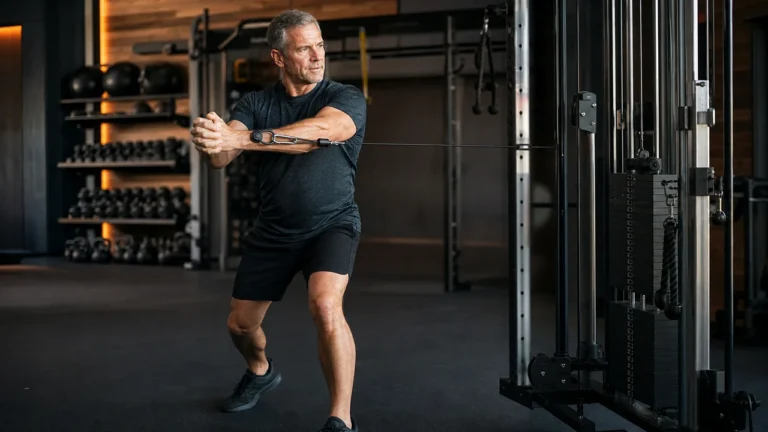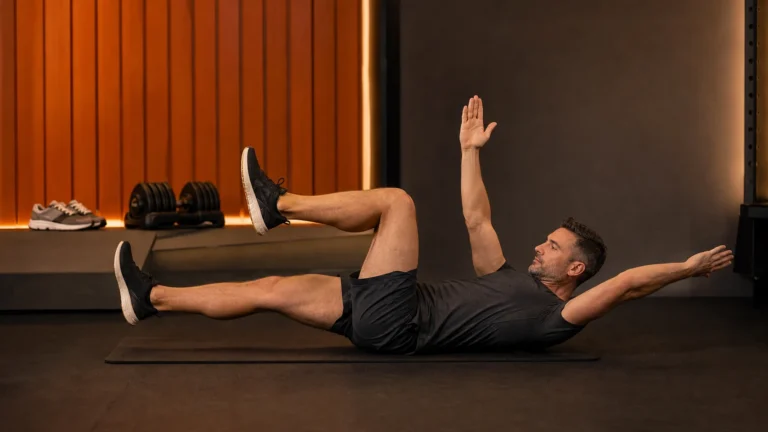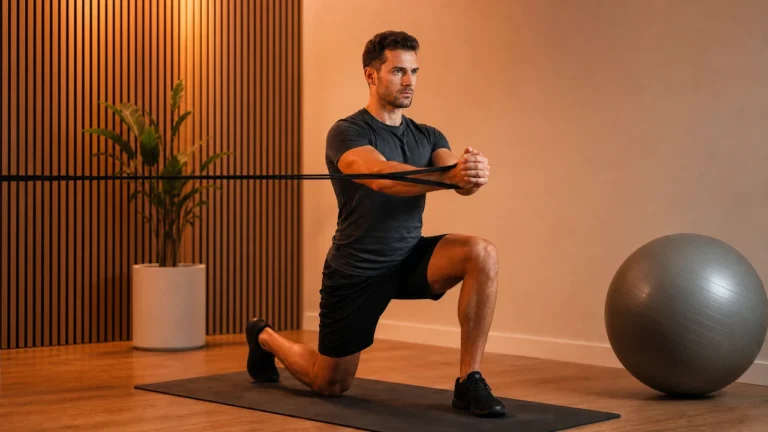
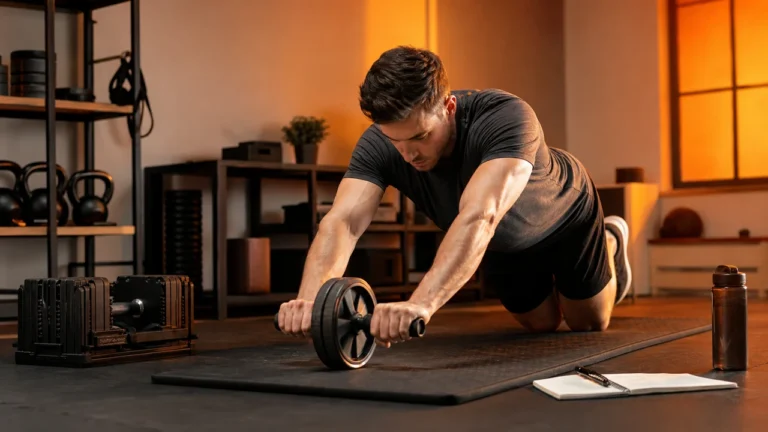
Core strengthening exercises for safer bracing, anti-extension strength, loaded carries, and smarter progression.
- Use this guide to choose the version that fits your body, space, and training week.
- Progression matters more than novelty: add range, load, time, or density only when quality stays high.
- The Amazon shortlist below is practical gear support, not a shortcut or medical promise.
Bottom line Use core strengthening exercises as a repeatable training filter: clear purpose, clean execution, and progression matter more than doing more.
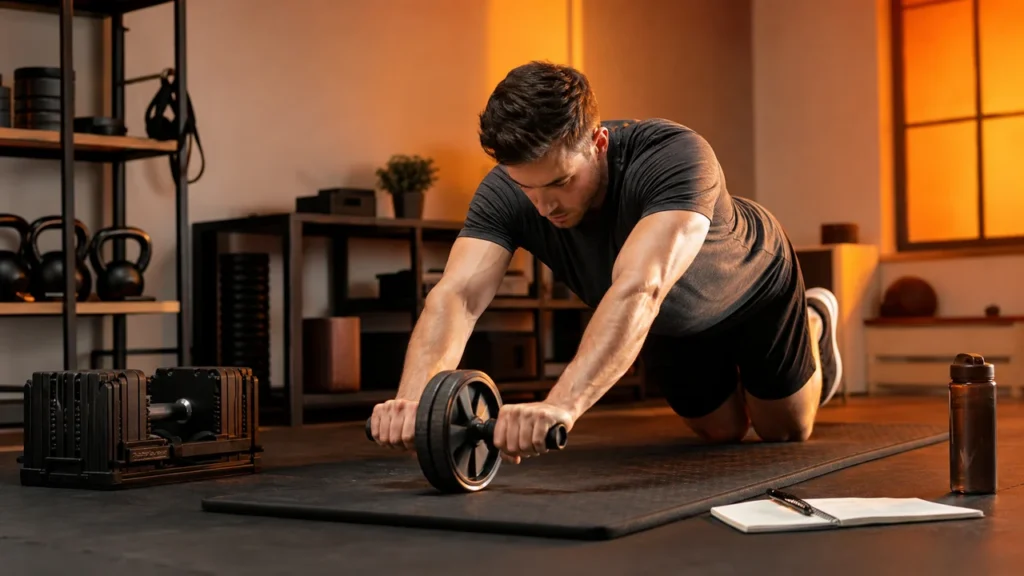
Core Strengthening Exercises should help a man train with more control, not just collect soreness. This refresh separates the real buying or training decision from old generic advice and focuses on what actually changes the next workout.
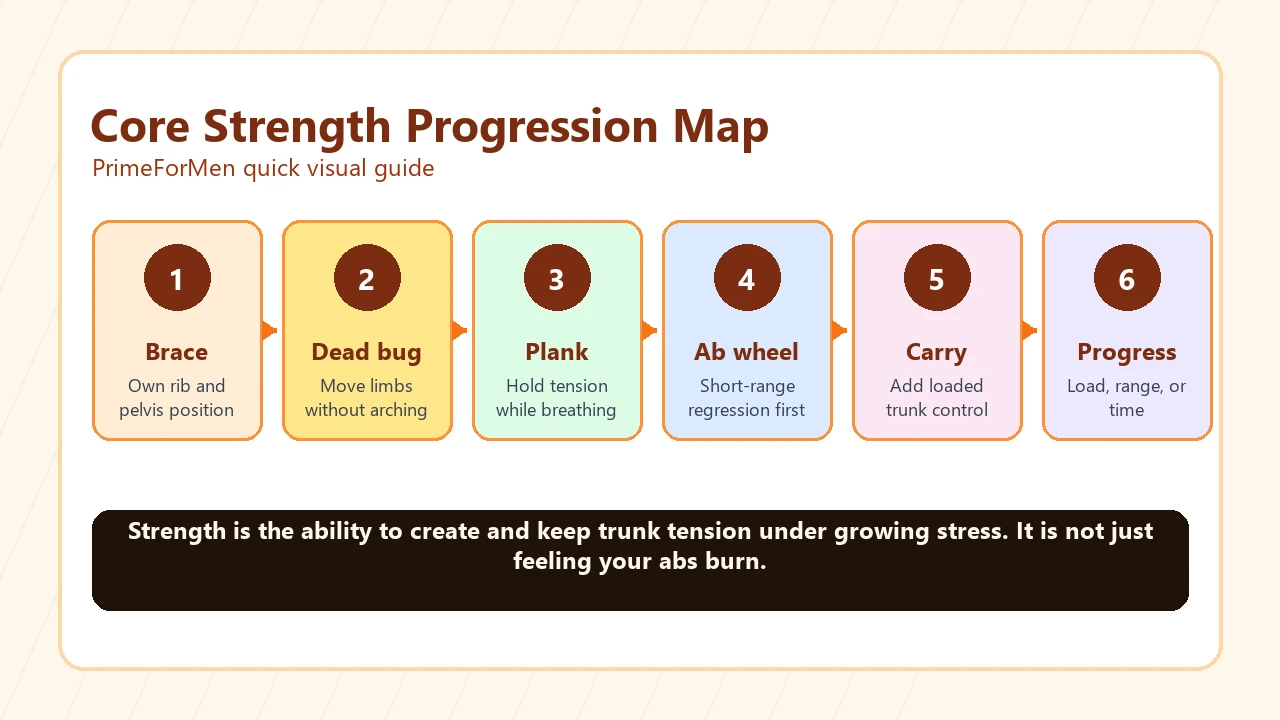
Strength is the ability to create and keep trunk tension under growing stress. It is not just feeling your abs burn.
- Use this guide to choose the version that fits your body, space, and training week.
- Progression matters more than novelty: add range, load, time, or density only when quality stays high.
- The Amazon shortlist below is practical gear support, not a shortcut or medical promise.
- For exercise topics, pain, dizziness, numbness, or worsening symptoms are stop signs.
The Prime Perspective: Practical Progress Beats Hype
Most core-strength guides jump too quickly to hard ab exercises. The smarter path is brace first, then increase leverage, range, time, and load only when your lower back stays quiet.
That is why this article ties the recommendation back to repeatable training. For broader context, compare the point here with Mayo Clinic core exercises and ACSM core training overview.
What This Post Is Really Solving
The common mistake is treating every option as equal. A good choice solves one clear problem: comfort, control, consistency, measurable progress, or safer setup. If it does not solve one of those, it is probably not the next priority.
Use the main core workout guide when you want the broader pillar view, then come back here for the narrower decision.
Amazon Product Shortlist
These tools help you move from basic floor control to harder anti-extension and loaded exercises without buying a full gym.

Exercise mat
CAP Barbell High Density Exercise Yoga Mat
- Cushions elbows, knees, and spine during floor drills.
- Makes dead bugs, planks, and rollouts easier to repeat at home.
- Stores quickly beside bands, dumbbells, or an ab wheel.

Ab wheel
Abiarst Ab Roller Wheel
- Turns anti-extension training into a measurable progression.
- Short rollout range lets beginners scale difficulty safely.
- Rewards bracing control instead of high-rep crunch fatigue.

Adjustable dumbbells
Adjustable Dumbbell Set for Home Gym
- Adds load to carries, dead bugs, and core-friendly strength work.
- Saves space compared with a full dumbbell rack.
- Supports progressive overload beyond bodyweight core sessions.
*Affiliate disclosure: PrimeForMen may earn from qualifying purchases. Product images are loaded from Amazon media URLs and product availability can change.
How to Choose the Right Starting Point
Start with the lowest-friction version you can repeat. More intensity only helps when technique, recovery, and setup are already stable. That is especially important if you are training at home, where space and equipment quality can decide whether the habit survives.
| Option | Best use | Decision signal |
|---|---|---|
| Dead bug | Anti-extension control | Lower back stays down while limbs move slowly. |
| Front plank | Brace endurance | You can breathe without sagging or shrugging. |
| Ab wheel regression | Hard anti-extension | Only if a short rollout stays pain-free and controlled. |
| Suitcase carry | Loaded side control | Torso stays tall while one side is loaded. |
Core-strength progression meter
This visual meter shows the useful direction: move away from guesswork and toward a setup you can repeat with clean reps.
Ready to load
The Knowledge Gap: The Best Option Is the One You Can Progress
Old SEO posts often list exercises or products without explaining how a man should decide. The missing piece is progression: can you make the movement, tool, or routine slightly harder without losing the reason you chose it?
- If control breaks, reduce load, range, or speed.
- If the product does not fit your space, it will not matter how good it looks online.
- If the exercise cannot be repeated twice per week, simplify the plan first.
Programming and Setup Notes
Start conservative
Choose a version that feels almost too easy in week one. The goal is a repeatable baseline, not a one-day test.
Track one variable
Use reps, time, load, resistance, stride feel, or session consistency. Do not change everything at once.
Respect recovery
More volume helps only if joints, sleep, and next-session performance stay stable.
Review after two weeks
Keep what you used repeatedly. Change what created friction, pain, or avoidance.
For a deeper progression framework, use progressive overload. Related supporting guides include core workout basics, core workouts for men, bodyweight core workouts, and core workouts with equipment.
Simple 24-Hour Action Plan
- Write down the exact problem this exercise or product should solve.
- Choose the easiest version that still trains the target quality.
- Check space, comfort, grip, noise, return policy, and progression path before buying.
- Run two short sessions before adding intensity.
- Keep the setup only if it makes training easier to repeat.
Bottom Line
Core Strengthening Exercises work best when the decision is specific, repeatable, and honest about limits. Start with control, match the gear to the job, and progress one variable at a time.
This article is general fitness education only and does not replace medical advice, physical therapy, or individualized coaching. Stop any exercise that causes sharp pain, dizziness, numbness, worsening symptoms, chest pain, or unusual discomfort, and speak with a qualified professional when needed.
Some product links are affiliate links. PrimeForMen may earn a commission from qualifying purchases at no extra cost to you.
If you want to connect this post to the wider training system, continue with core workout and build from the foundation instead of chasing random difficulty.
Frequently Asked Questions About Core Strengthening Exercises
What are the best core strengthening exercises?
Start with dead bugs, planks, side planks, Pallof presses, ab wheel regressions, and loaded carries. Choose the hardest version you can control without low-back compensation.
How often should I do core strengthening exercises?
Two to four short sessions per week is enough for most men. Add difficulty only when form stays repeatable across the full set.
Are crunches enough for core strength?
Crunches can train spinal flexion, but they do not cover bracing, anti-rotation, carries, or loaded control. Use them as an accessory, not the whole plan.
When should I use an ab wheel?
Use an ab wheel after you can hold clean planks and dead bugs. Start from the knees, shorten the range, and stop before your lower back arches.
Can core strengthening exercises reduce back pain?
They may help some people move and train with better control, but persistent or sharp pain should be assessed by a qualified clinician or physical therapist.