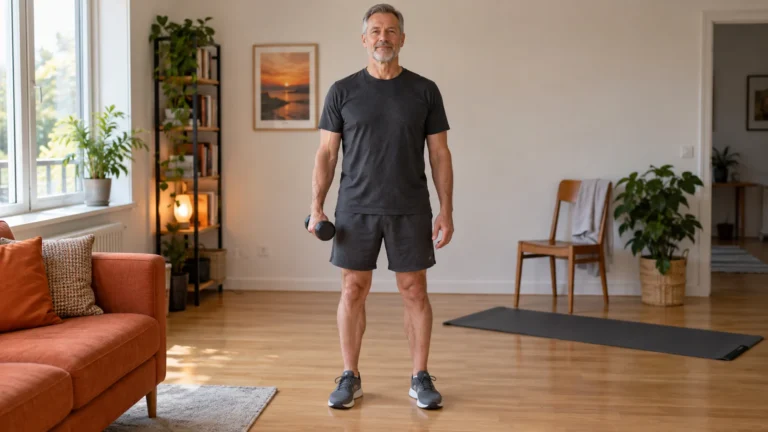
Choose seated, standing or familiar floor core work after 50. Count existing lifting and carries, plan rests and record the work on both sides.
- Choose a position you can enter and leave comfortably.
- Count the core work already in your strength session.
- Include both sides, rests and transitions in a short block.
Bottom line Choose one familiar core task that fills a gap in your current session, and record its position, dose and work on both sides.
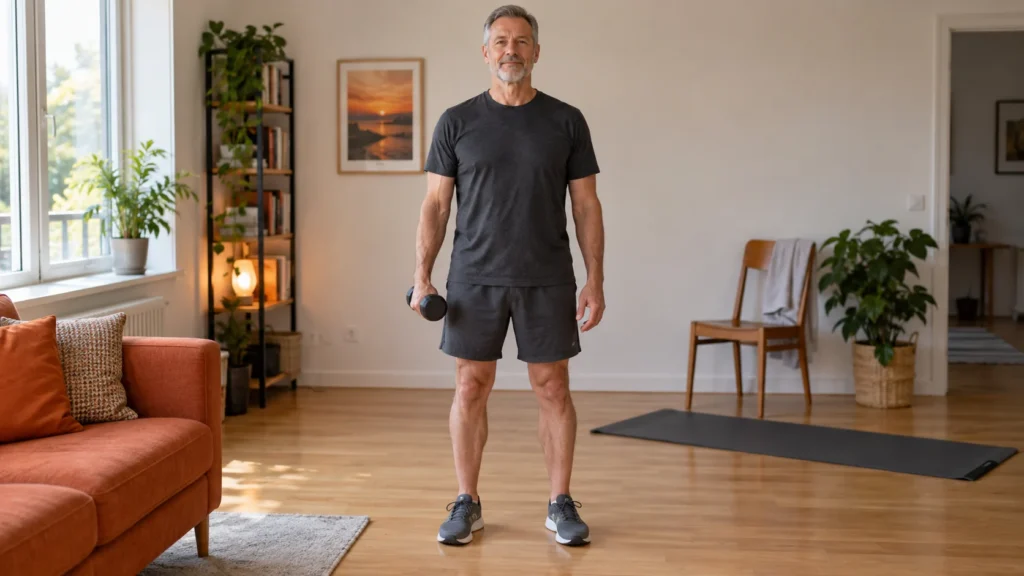
Core workouts for men over 50 should fit the positions you can use and the strength work you already do. You can choose seated, standing or familiar floor practice. Choose the next block by the task it adds to your session.
This guide helps you place a short core block inside an existing routine, count work on both sides and avoid adding a second copy of the same carry. For complete mat sessions, use core workouts at home. For bracing, reach and support changes, use core stability exercises. New exercisers can start with the beginner core guide.
Quick Summary: Core Workouts for Men Over 50
- Choose a position you can enter, maintain and leave comfortably.
- List existing squats, rows, presses and carries before adding another block.
- Keep breathing and count the left and right work separately.
- Include rests, side changes and floor transitions in the available time.
- Use the record to repeat or replace work; no hold time clears symptoms or restrictions.
The Prime Perspective
A seated version can make practice accessible without proving that it is easier for every person. A carry can train the trunk while also demanding grip and walking. Choose the task you need, then ask whether the position and dose fit. Age alone cannot make those decisions.
Core work is already part of many strength exercises
The core includes muscles around the abdomen, back and pelvis. Mayo Clinic explains that coordinated trunk work can happen in free-weight exercises as well as dedicated core drills. A separate abs session is therefore one option within a broader routine.
Holding your torso during a row, squat or press does not mean every specific core task is covered. It does mean those exercises belong in the workload record. Grip fatigue, difficult balance or already tired support muscles may make another carry or plank a poor addition that day.
| Already in the session | Additional demand to notice | Question for the extra block |
|---|---|---|
| Squats or hinges | Maintaining trunk position while the legs and hips work. | Would a brief control drill help, or would another loaded hinge repeat the main task? |
| Rows or presses | Support and trunk control during upper-body effort. | Are the shoulder and support position still comfortable for a plank? |
| One-sided hold or carry | Trunk control, grip and, for a carry, walking. | Have you already completed the planned work on both sides? |
| No dedicated familiar core task | A possible place for focused practice. | Which position and dose can you repeat without guessing suitability? |
If your full-body session already finishes with two suitcase carries per side, count those four carries in the record. You might keep them and omit a second loaded carry block. You can also replace them with an appropriate different task when you have a clear reason. Adding both because one appears under strength and the other under core increases work even though the label changed.
Buy only for the position and task you chose
An existing weight or mat may be sufficient. A seated block needs neither. Check what the exercise needs and what fits your space before buying equipment. We have not independently tested these products.
* As an Amazon Associate, PrimeForMen earns from qualifying purchases.
Best for: For a familiar floor option when the surface and getting down and back up are appropriate. Skip if seated or standing work meets the need, or you already have a suitable mat. Current Amazon listing: Gorilla Mats Large Exercise Mat - 6x4/7x4/7x5/8x4/10x4 ft - Home Gym Mat Best for: For a familiar one-sided hold or carry when an available setting and handle suit you. Skip if an existing manageable weight works or the available load settings are unsuitable. Current Amazon listing: Amazon Basics Adjustable Dumbbell with 5 Weight Options, 25 lb, Single Dumbbell, Black * As an Amazon Associate, PrimeForMen earns from qualifying purchases.Recommended Products

Gorilla Mats exercise mat
View on Amazon
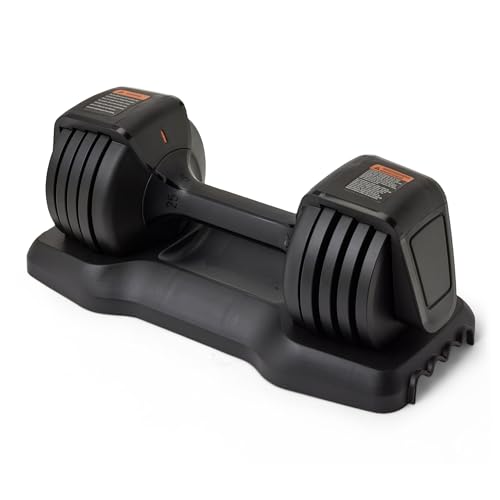
Amazon Basics adjustable single dumbbell, 25-pound model
View on Amazon
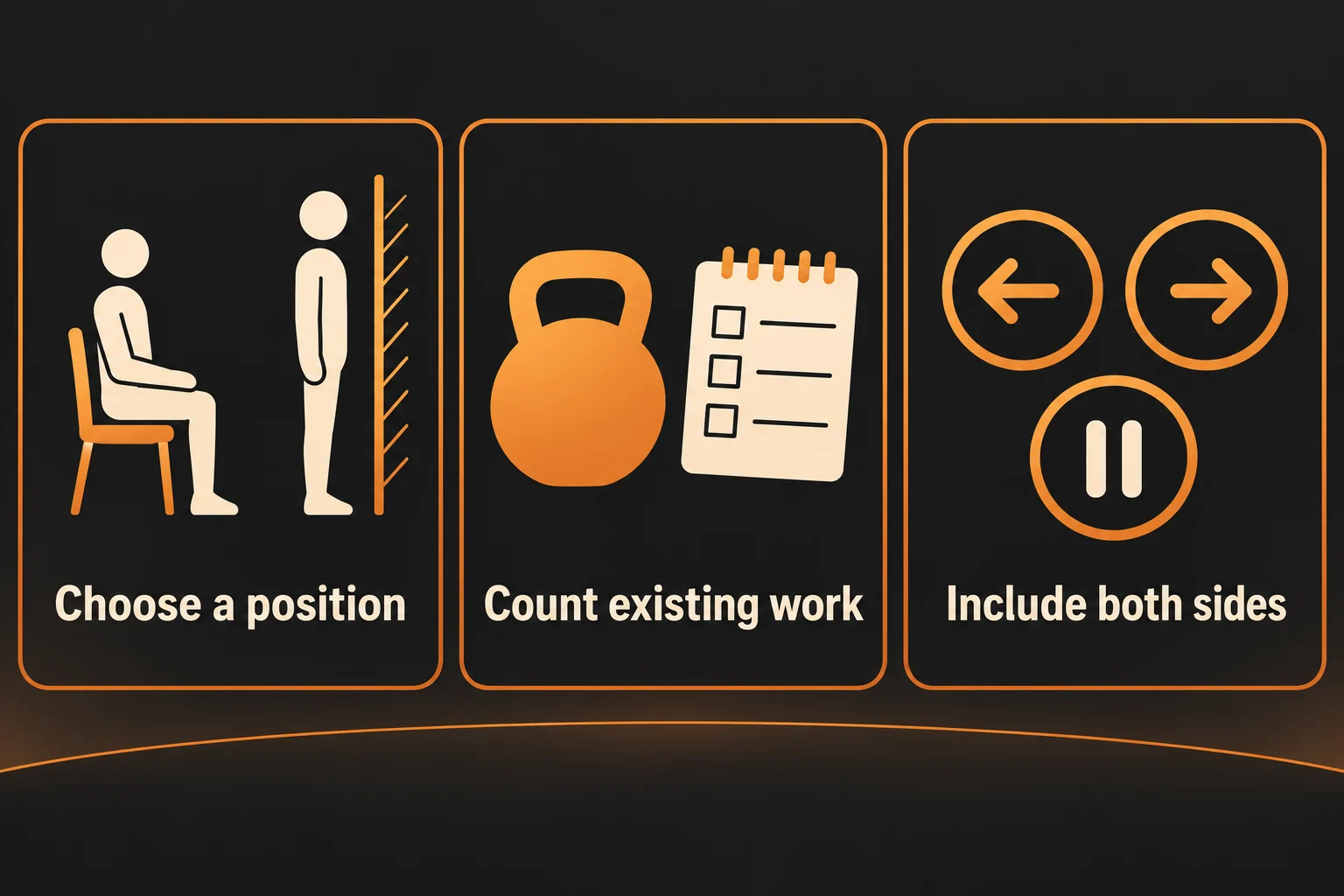
Count the carry already in your session
A carry already in the strength session enters the record before another core block is considered. The illustration has no diagnostic score or automatic extra set. Open the silent animation.
Choose access before choosing difficulty
Use a stable chair without wheels for seated practice and a solid wall or verified support for standing work. Place feet securely on a level surface. For floor practice, confirm that getting down, changing position and getting back up are comfortable and understood before the exercise begins. An unfamiliar transfer can consume effort and time that the workout title ignores.
Seated, standing and floor positions change the task. Seated marching asks you to control the trunk as a leg moves. A wall-supported hold asks you to maintain a position against support. A suitcase hold adds one-sided external load. You do not need to move through these as a mandatory age-based ladder.
| Position | A familiar example | What it does not establish |
|---|---|---|
| Seated | Small alternating march on a stable chair. | It does not reproduce the load of a standing carry or assess balance while walking. |
| Standing with support | Brief wall-supported hold. | Solid support does not remove wrist, shoulder or medical suitability questions. |
| Standing with a load | One-sided hold with a manageable weight. | A comfortable stationary hold does not automatically make carrying the load appropriate. |
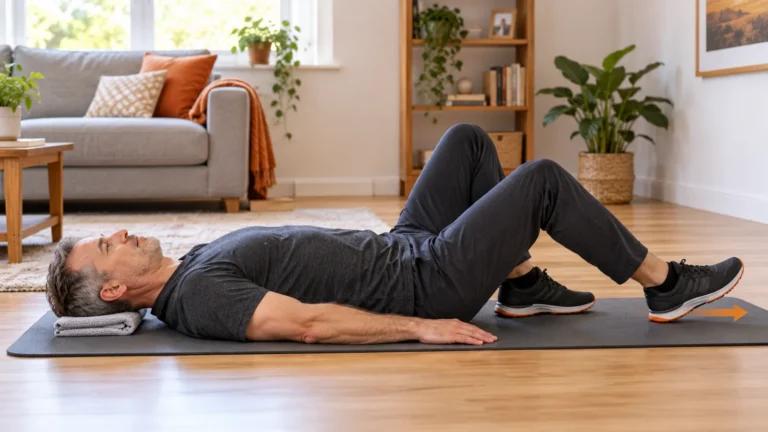
| Familiar floor position | Heel slide, bridge or another instructed drill. | Getting into position once is not clearance for every reach, plank or duration. |
Keep a transfer question separate from a core question. If getting onto or off the floor is difficult, choose an appropriate accessible position or get instruction for the transfer. Do not judge the quality of your core from whether you can kneel on a particular mat.
Seated, wall-supported and one-sided options
Seated march with a small lift
Sit upright on the checked chair with both feet flat. Lift one bent leg a small comfortable distance, return it and alternate. Keep the shoulders and pelvis as steady as the task permits, and breathe normally. Holding the seat can be part of your appropriate version; write that support into the record.
Use a smaller lift if a large one makes you rock backward. Do not pull the knee toward the chest with the hands to finish a counted repetition. The NHS sitting guide shows hip marching, and North Tees and Hartlepool NHS chair guidance describes alternating leg lifts with possible adjustments. Their patient exercise advice does not prescribe your starting dose.
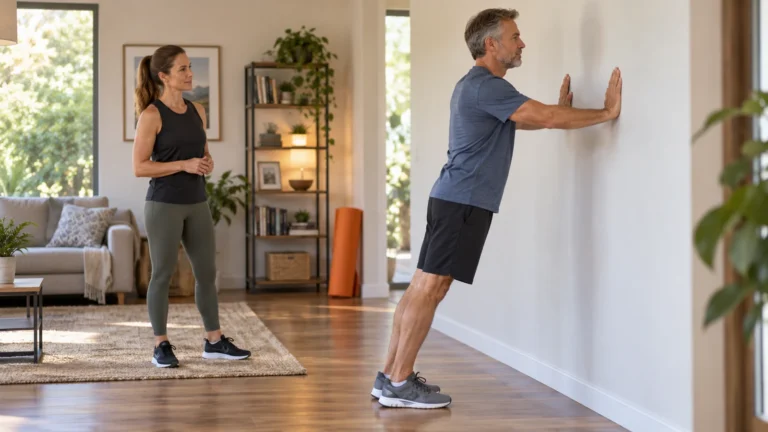
Wall-supported hold
Face a solid wall and place your hands at a comfortable height around shoulder level. Choose a close stance first, then gently lean toward the wall while keeping a comfortable line through the torso and legs. Hold only while you can maintain the support and ordinary breathing. Press away or step closer deliberately to finish.
This is a brief position-control drill, not a maximal plank test. A foot farther from the wall changes leverage. If hands slip, the shoulder pinches or the waist sags, end the hold and reassess. Our core stability guide provides more detail on support and breathing without requiring a floor version.
Suitcase hold, with carrying optional
Use one familiar manageable weight. Follow its adjustment and locking instructions, pick it up with a technique you know and stand with the weight at one side. Keep both feet planted and breathe as you resist a large sideways lean. Put the weight down under control before changing hands; do not swing it across your body.
A carry adds walking, grip and route choices. Clear a level path and use deliberate turns or stop, set down and reset. Record route length or duration consistently and count both hands. Do not use a carry as the automatic alternative when you are uncertain about standing balance, handling the weight or pain. The unilateral training guide explains how one-sided tasks change the demand.
Place one core task in your session
This helper organizes your own observations. It does not assess balance, diagnose pain, choose a weight or clear you for exercise. Entries stay on this page until you print or copy them; they are not saved when you leave.
If suitability is unclear, get individual guidance. List existing core-demanding work first. Use a familiar seated, standing or floor position and count each side plus rests. Do not add a second copy of a carry already in the session.
If the helper does not respond, use these questions and the free PDF to write the same record by hand.
Two short block examples, with the time accounted for
These are planning examples for appropriate familiar movements, not individually prescribed workouts. Their numbers are optional ceilings. Use fewer repetitions, shorter holds and longer rests when needed, or stop rather than complete a timer through a changing movement.
Accessible block: seated movement and wall support
Begin with two minutes of comfortable movement and rehearsal appropriate for you. If the standing transition or wall support is unsuitable, do not perform the wall hold; record a seated-only practice and ask for a suitable adaptation. The example assumes you can use both positions.
| Exercise or change | Example work | Rest or transition |
|---|---|---|
| Seated march | 6 repetitions per side, alternating; 12 leg lifts total. | 45 seconds afterward. |
| Seated alternating arm reach | 6 small forward reaches per side with feet planted. | 45 seconds afterward. |
| Change to wall position | Set up deliberately; no exercise dose. | Allow 30 seconds or more. |
| Wall-supported hold | One hold up to 15 seconds. | 45 seconds afterward. |
| Record and finish | Write actual doses, support and response. | Allow 1 minute or more. |
For the seated arm reach, lift one arm forward through a comfortable range, return and change sides. Keep the feet planted and avoid leaning far to chase distance. It gives another limb-movement task without lifting a leg; it is not a substitute for a loaded press or a balance assessment.
| Part | Time |
|---|---|
| Movement and rehearsal | 2 minutes |
| 12 marches at 4 seconds each | 48 seconds |
| 12 arm reaches at 4 seconds each | 48 seconds |
| Three 45-second rests | 2 minutes 15 seconds |
| Position change | 30 seconds |
| Wall hold | 15 seconds |
| Record and finish | 1 minute |
| Total | 7 minutes 36 seconds |
The four-second repetition is an arithmetic assumption, not a prescribed tempo. Longer rests and a slower position change increase the total. Seated-only work removes the wall hold and transition but still needs the rests that suit the practice. Reserve time rather than shorten rest to hit a seven-minute headline.
Standing block: a familiar suitcase hold
Use this only when the weight, pickup and stance are appropriate and known. Allow two minutes for checking the load, rehearsing the pickup and settling the stance. Complete up to fifteen seconds on one side, put the weight down and rest thirty seconds or longer. Repeat on the other side. A second left-and-right pair is optional; do not add it if the same dose is already in the main session.
| Part | Time under these assumptions |
|---|---|
| Setup and rehearsal | 2 minutes |
| Four 15-second holds | 1 minute |
| Three 30-second rests between holds | 1 minute 30 seconds |
| Final rest | 45 seconds |
| Record and finish | 1 minute |
| Total | 6 minutes 15 seconds, plus any extra handling time |
For one hold per side, the same assumptions total 4 minutes 45 seconds: two-minute setup, thirty seconds of holding, one thirty-second side-change rest, forty-five-second final rest and one minute of notes. Count extra time for putting the load down or adjusting it. Carrying instead of holding changes the task; the stationary example does not include a walking route.
My core work inside a strength session
Use the eight-field record to list existing lifting or carries, the position you chose and the actual work on each side. Save your completed PDF or print it. Leave unresolved suitability questions for a qualified professional.
Download the fillable practice record
You can fill the PDF in a compatible viewer. Save your completed file before closing it. Printed paper remains useful if your viewer does not support forms.
Watch Mayo Clinic discuss the core and back pain
Mayo Clinic Health System neurosurgeon T. K. Schiefer discusses core musculature in this short clip. It gives general back-pain context, not a demonstration of our session blocks. Back pain has several possible causes; the clip does not show that this routine prevents or treats your symptoms. Use the written setup guidance and get individual instruction when needed.
Mayo Clinic Health System: Core Strength and Back Pain on YouTube
Fit familiar floor work into the session
If getting down and back up is comfortable and the exercises are familiar, you can use the complete sessions in our core workouts at home guide. It includes complete heel-slide, bird-dog, side-plank and bridge sessions. Choose a session or a short part of one that fits your existing work rather than combine every routine from several articles.
A floor drill can replace an appropriate slot in a strength session. For example, a familiar short heel-slide practice can take the place of an extra loaded carry when you want to rehearse limb movement without another grip-demanding set. That choice does not claim equal strength stimulus or treatment benefit. Record the replacement so you can compare the same task next time.
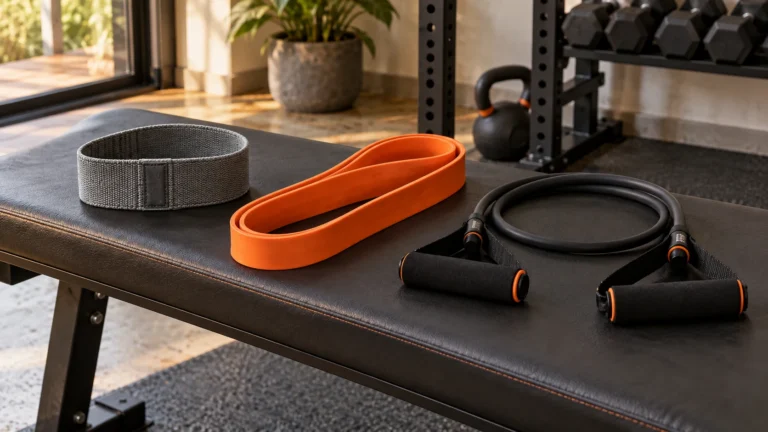
A band-based anti-rotation exercise adds an anchor requirement. Follow the band and anchor manufacturer’s instructions, inspect the material and verify the pull direction. Never improvise a door-handle, towel or furniture attachment because a standing exercise looks more accessible than the floor.
Adjust one part of the task and keep the record comparable
Change from what you can observe during repeated familiar practice. A longer hold is not useful if you must hold your breath or shift the weight to finish it. A larger seated leg lift that tips the torso backward is a different task from the smaller controlled version.
| Observation | Possible next action |
|---|---|
| Seated trunk rocks as the leg lifts | Shorten the lift or use fewer appropriate reps before considering resistance. |
| Wall hold needs a breath hold or sagging waist | End earlier and review stance, support or an alternative drill. |
| Grip limits a suitcase hold before the intended trunk task | Review the load and task; a different core drill may fit better than extra grip work. |
| Carry already completed on both sides in the main session | Keep it in the workload record; do not automatically add another identical block. |
| The same appropriate version remains comfortable and repeatable | Repeat it or consider one suitable change, keeping the other details steady. |
| Pain, new numbness or unresolved restrictions | Stop and get individual guidance rather than choose the tool’s easier-looking option. |
Record actual left and right work, not an assumed pair. If one side ends at eight seconds and the other at fifteen, those are the durations that happened. Do not force a painful side to match a number. A clinician or qualified instructor can help decide why the task differs when the difference is persistent or concerning.
Adding a repetition, changing reach, adding a hold or choosing load each changes the exercise. Review one change and your response, alongside the broader strength training plan. Use the weekly workout plan to decide where the block belongs.
Back pain and urgent symptoms need their own assessment
Core training does not diagnose why your back hurts or guarantee injury prevention. New or worsening symptoms, recent surgery, exercise restrictions or an uncertain floor transfer are reasons to get qualified guidance. Do not turn a completed chair exercise into evidence that a loaded carry is suitable.
The NHS back-pain guidance calls for emergency help when back pain occurs with new bladder or bowel problems, loss of feeling around the genitals or anus, or weakness, numbness or tingling in both legs. Persistent, severe or rapidly worsening symptoms need assessment rather than another exercise progression.
Stop for chest pain, faintness or unusual breathlessness. Chest pressure that persists or spreads, especially with sweating, nausea or shortness of breath, needs emergency help. See NHS chest-pain guidance and use your local emergency number; in the US call 911.
Conclusion
Choose an accessible familiar position, list the work already in your session and add or replace one task for a clear reason. Count both sides, rests and transitions. The core workout hub connects technique practice, beginner entry and complete home sessions without asking you to do all three together.
Frequently Asked Questions About Core Workouts for Men Over 50
Do men over 50 need different core exercises?
Age alone does not choose an exercise. Current experience, symptoms, access to positions and existing workload matter. Seated, standing and floor options can serve different tasks; no position is automatically suitable for everyone.
Can I train my core without getting on the floor?
Yes, seated limb movement, wall-supported practice and appropriate standing tasks offer options. They have different demands from floor drills. Choose a familiar version, check support and get guidance when suitability is uncertain.
Should I add a core session after every strength workout?
No universal frequency fits every routine. Count the trunk-demanding work already there and choose a focused addition or replacement when it serves a purpose. Do not add the same loaded carry twice under different headings.
Are the blocks exactly seven or six minutes long?
No. The timing tables use explicit assumptions about repetitions, rests and setup. Extra rest, handling and transitions increase the duration. The accessible example totals 7 minutes 36 seconds and the two-pair hold example totals 6 minutes 15 seconds under those assumptions.
Will core workouts treat my back pain?
This guide cannot determine the cause of back pain or prescribe its treatment. The exercises are general training examples. Persistent, worsening or urgent symptoms need an appropriate assessment.
This is general exercise education, not diagnosis, rehabilitation or an individually assessed exercise prescription. Symptoms and restrictions need qualified advice. The planning helper does not test balance, choose a load or establish medical readiness.
Generated images and animation are illustrations, not measured outcomes or independently tested technique. Read our editorial policy for our evidence and affiliate approach.