
Home Fortress Training
You do not need a gym membership to execute effective home workout routines. You need gravity, intensity, and the architectural blueprint for mechanical tension.
Transparency: This page contains affiliate links. As an Amazon Associate, we earn from qualifying purchases at no extra cost to you.
The Kinetic Output Matrix
To build muscle at home, you must manipulate variables that gyms automate for you. This matrix categorizes the physiological demands of specific training modalities. Whether you are limited to bodyweight or have a full dumbbell rack, your rep ranges and rest intervals must change to trigger the correct adaptation.
| Training Objective | Primary Driver | Repetition Range | Rest Interval | Tempo (Eccentric) | Required Tool |
|---|---|---|---|---|---|
| Myofibrillar Hypertrophy | Mechanical Tension | 6 – 10 Reps | 90 – 120 Seconds | 3 Seconds | Heavy Dumbbells / Weighted Vest |
| Sarcoplasmic Hypertrophy | Metabolic Stress | 12 – 20 Reps | 45 – 60 Seconds | 2 Seconds | Bands / Bodyweight |
| Neurological Strength | Motor Unit Recruitment | 1 – 5 Reps | 3 – 5 Minutes | Explosive | Barbell / Heavy Loads |
| Fat Oxidation (HIIT) | EPOC (Afterburn) | Time Based (40s ON) | 20 Seconds | Fast / Dynamic | Kettlebell / Bodyweight |
| Core Stabilization | Isometric Tension | Time Under Tension | 60 Seconds | Static Hold | Plank / Ab Wheel |
| Joint Mobility | Synovial Fluid | 15 – 20 Reps | Continuous Flow | Controlled | Foam Roller / Bands |
| Explosive Power | Elastic Recoil | 3 – 5 Reps | 120 Seconds | Max Velocity | Box Jumps / Plyometrics |
| Posterior Chain | Spinal Erector Load | 10 – 15 Reps | 90 Seconds | 4 Seconds | Kettlebell Swing / RDL |
Foundational Training Architecture
Most home workouts fail because they lack structure. Doing “a little bit of everything” results in zero adaptation.
We treat home training as a discipline, not a compromise. Our architecture focuses on the four pillars of home-based growth: Calisthenic Mastery for relative strength, Dumbbell Precision for isolation, Band Tension for variable resistance, and Metabolic Conditioning for work capacity.

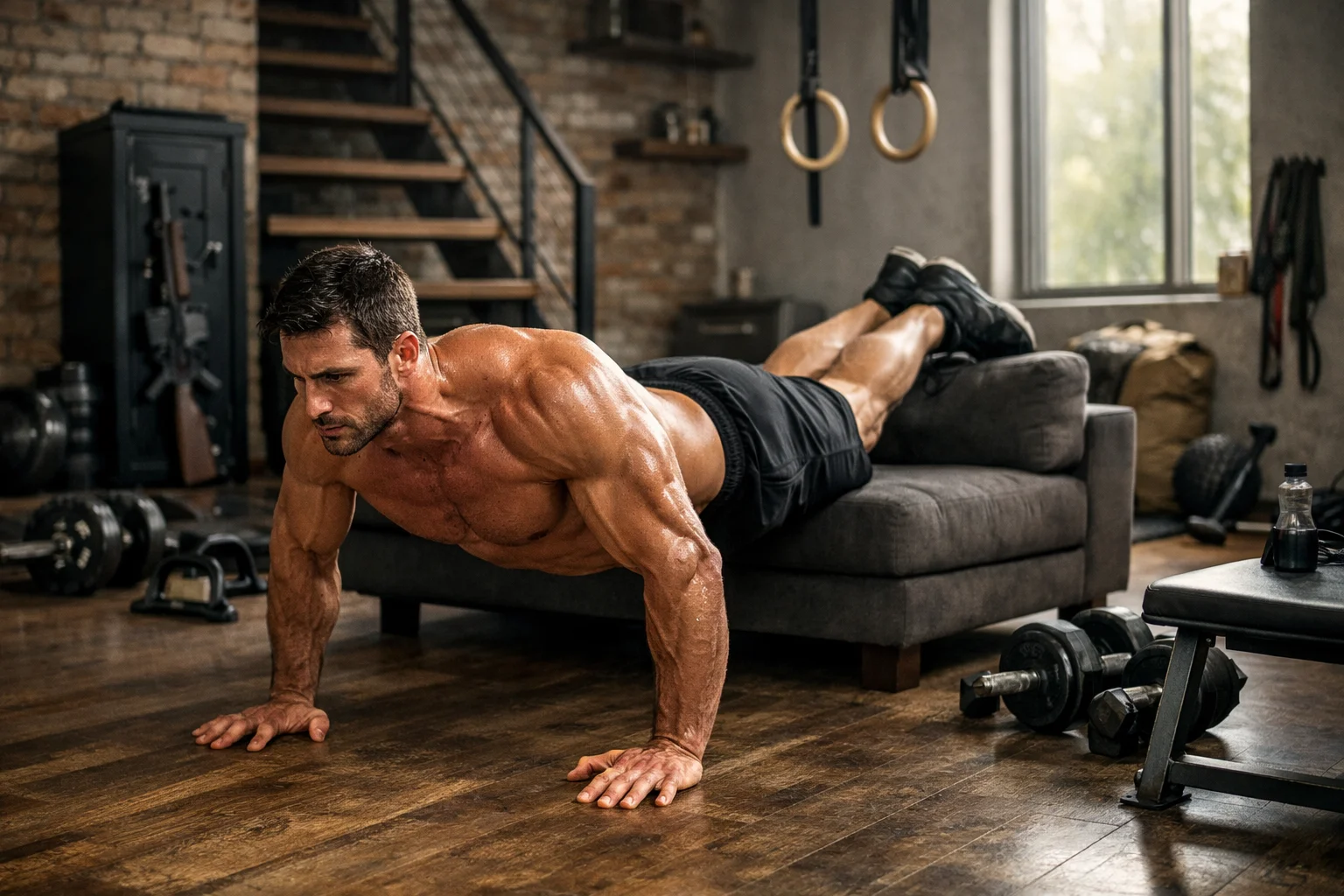
Bodyweight Mastery
How to use leverage and gravity to build a gymnast-like physique without touching a single weight.
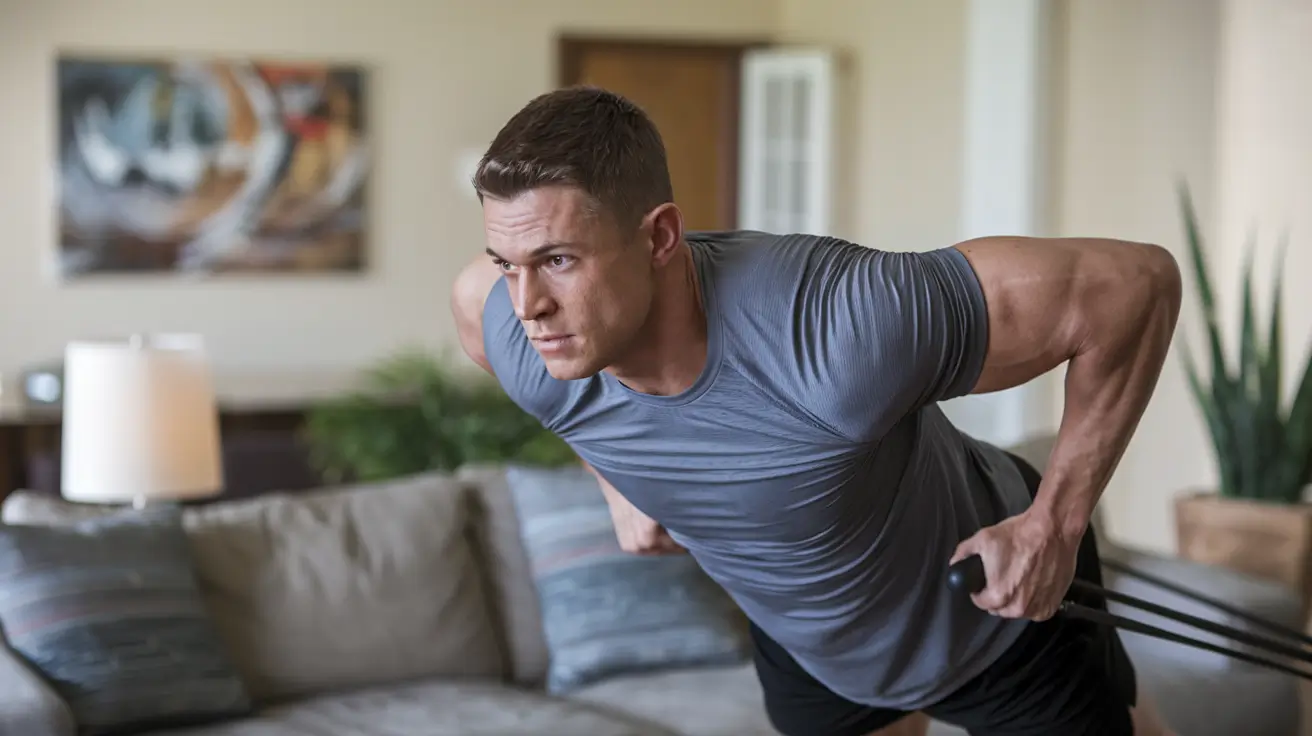
Dumbbell Anabolism
The single most effective tool for home hypertrophy. Learn to manipulate angles to target specific muscle fibers.
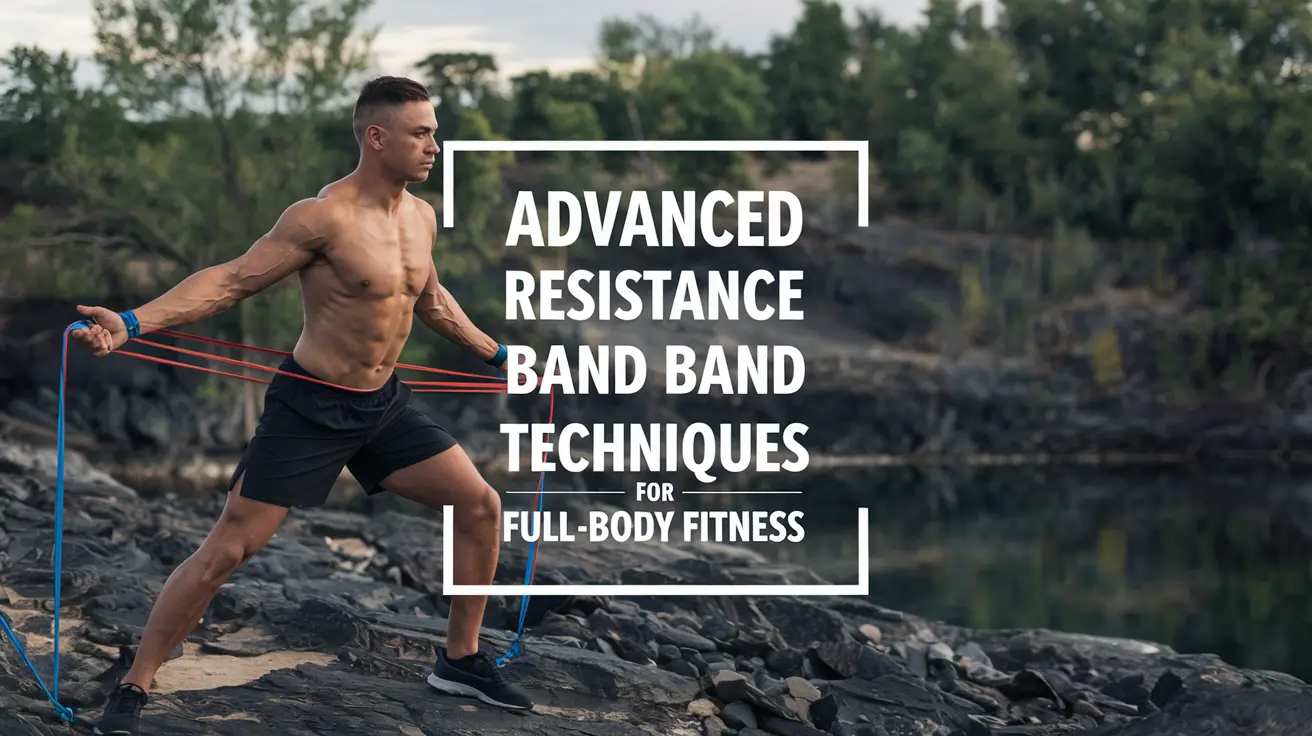
Variable Resistance
Why bands are superior for joint health and peak contraction, and how to stack them with weights.
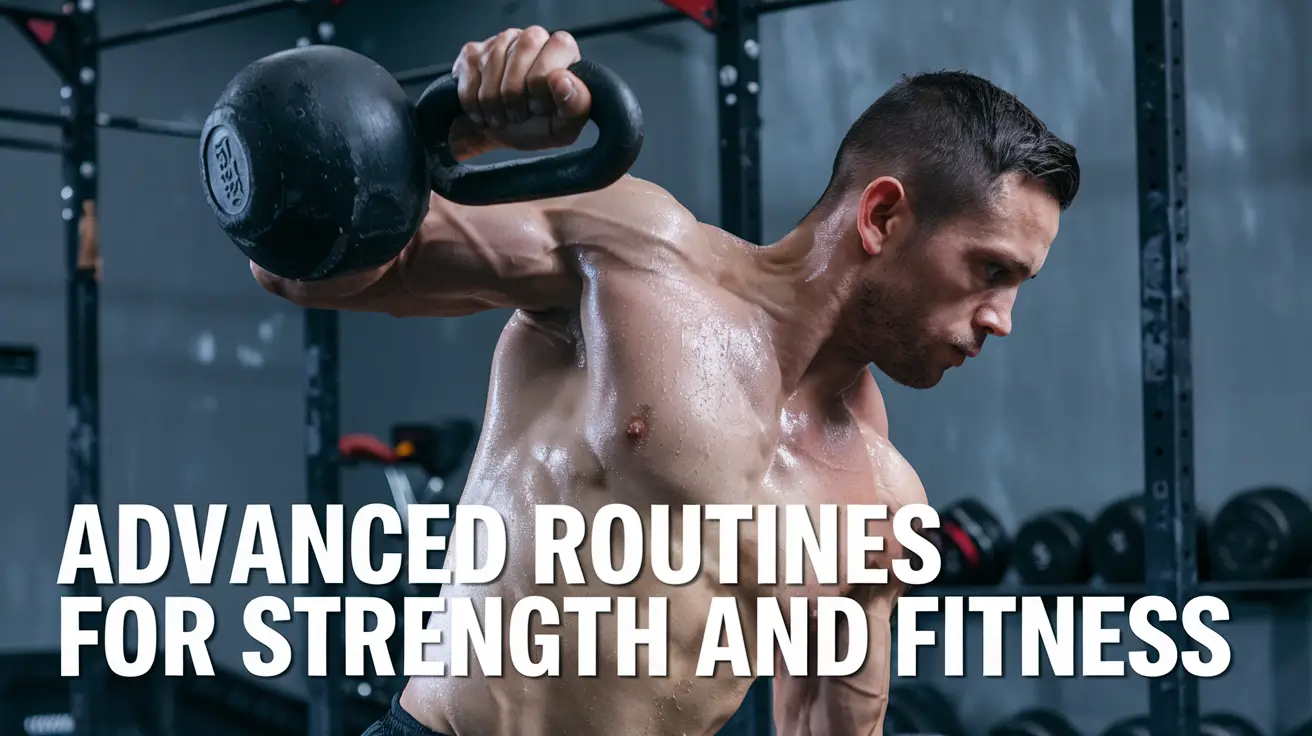
Functional Power
Kettlebell flows and metabolic circuits to torch visceral fat while maintaining explosive athleticism.
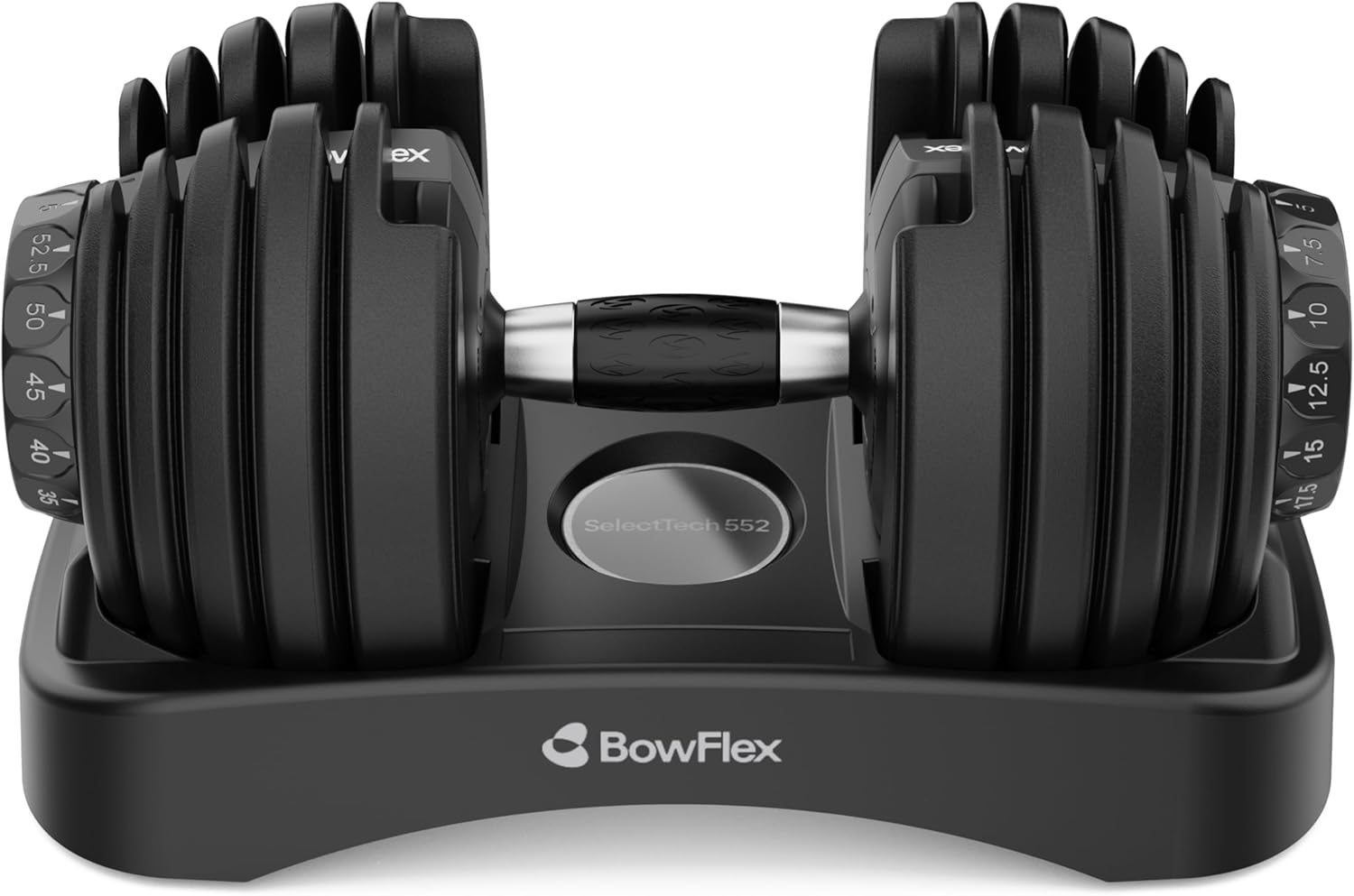
Bowflex SelectTech 552
Space is the enemy of the home gym. The Bowflex SelectTech 552s replace 15 sets of weights, offering a range from 5 to 52.5 lbs in a compact footprint. For progressive overload—the absolute requirement for muscle growth—you must be able to micro-load your lifts. This is the single highest ROI investment for your home fortress.
- Replaces 15 pairs of dumbbells
- Rapid dial selection system
- Silent molding (no metal clanking)
- Compact footprint for apartments
Physiological Drivers of Growth
Your muscles do not know if you are in a gym or a garage. They only understand tension. Trigger these three biological pathways to force adaptation.
Mechanical Tension
The primary driver of growth. This involves lifting heavy loads through a full range of motion. At home, this means slowing down your reps (tempo training) or using unilateral movements (single-leg squats) to increase the load on the target muscle.
Master Progressive Overload →Metabolic Stress
Often called “the pump.” This is the accumulation of metabolites (lactate) in the muscle. Achieved through high reps (15-25), short rest periods (30s), and occlusion training. Perfect for band work and finishers.
Explore Pump Protocols →Muscle Damage
The micro-tearing of muscle fibers, primarily caused by the eccentric (lowering) portion of the lift. Focus on controlling the negative phase of every push-up, squat, and curl to maximize this pathway.
Eccentric Loading Guide →The Vertical Pulling Station
The biggest gap in home training is the “Vertical Pull.” You can push off the floor, but you cannot pull without equipment. To build the V-Taper (Lats) and protect shoulder health, a stable Pull-Up Bar Station is non-negotiable. This unlocks pull-ups, chin-ups, and hanging leg raises.
Equip Your StationThe Elite Stack: Effective Home Workout Routines
Random workouts produce random results. We categorize our routines into three distinct tiers: The Foundations (Beginner), The Hypertrophy Split (Intermediate), and The Athletic Flow (Advanced).

Full Body Reconstruction
The 3-day-per-week protocol hitting every muscle group with high frequency. Best for building the initial base of strength.
View Routine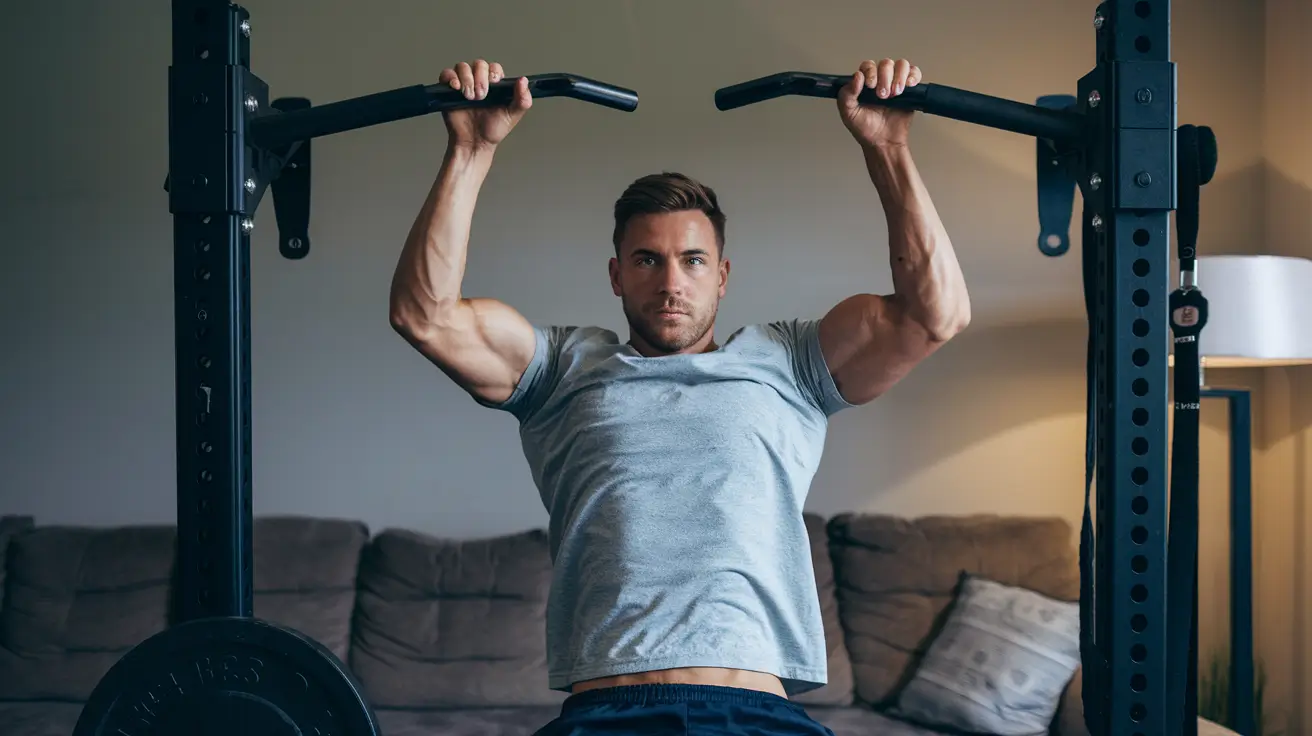
Upper / Lower Split
Dedicated days for pushing/pulling (upper) and lower body destruction. The gold standard for home hypertrophy.
View Routine
The “Furnace” Protocol
High-Intensity Interval Training designed to spike EPOC levels and burn fat for 24 hours post-workout.
View Routine
Bulletproof Core
Beyond crunches. Anti-rotation and isometric stability work to build a midsection that can handle heavy loads.
View Routine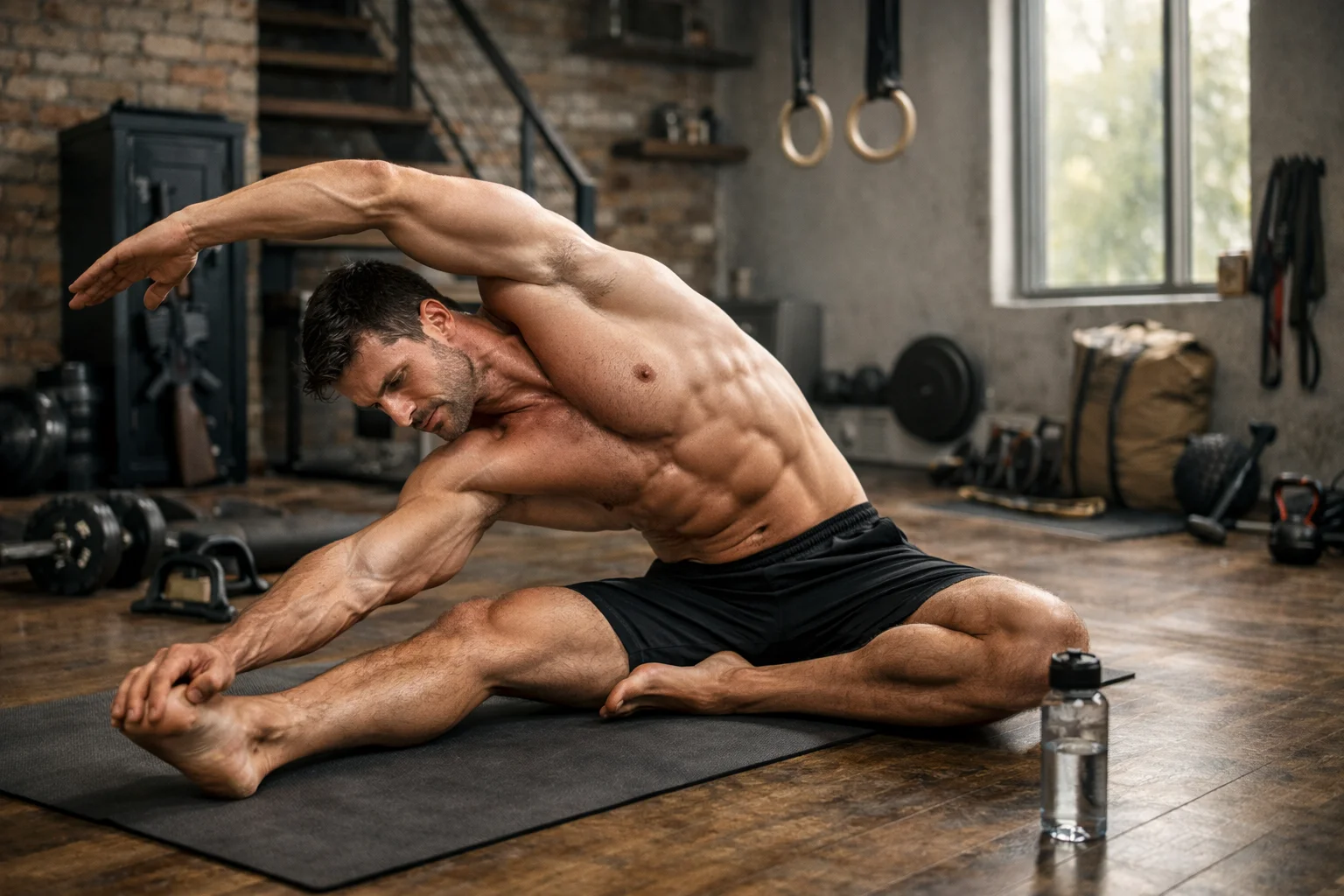
Morning Mobility Flow
A 10-minute daily practice to open the hips, thoracic spine, and shoulders, counteracting the effects of sitting.
View Routine
The “Busy Dad” 20-Min
Maximum density training. How to get a muscle-preserving stimulus in 20 minutes flat using supersets.
View RoutineThe Home Protocol
The biggest enemy of the home workout is distraction. You cannot train with intensity if the TV is on or if you are checking emails. The Environment Protocol is designed to turn your garage, living room, or spare bedroom into a psychological trigger for effort.
The “Threshold” Rule
When you step onto your workout mat or enter your garage, you cross a mental threshold. Phone goes on “Do Not Disturb” (Airplane Mode). Music goes on. No conversations. Treat this square footage as sacred ground.
Environmental Design
Optimize your space to reduce friction. If you have to spend 15 minutes setting up, you will skip the workout.
- 1. Lighting: Use bright, cool-white light (5000K) to stimulate alertness, or red light for recovery sessions.
- 2. Airflow: A high-velocity industrial fan is essential to keep core temperature manageable during HIIT.
- 3. The Mirror: Essential not for vanity, but for feedback on form and technique to prevent injury.
Protocol: Keep your equipment laid out the night before. Visual cues trigger habit formation.
Active Recovery & Biohacking
You don’t grow when you train; you grow when you recover. Biohacking your recovery involves using tools to accelerate blood flow and clear metabolic waste products from the tissue.
Percussive Therapy
Using a massage gun (Theragun) for 2 minutes on target muscle groups increases blood flow and desensitizes pain receptors, allowing for better mobility pre-workout.
Read MoreContrast Showers
Alternating between hot (vasodilation) and cold (vasoconstriction) water acts as a “pump” for your lymphatic system, flushing out inflammation after heavy lifting.
Read MoreFoam Rolling (SMR)
Self-Myofascial Release is critical for home trainees who sit all day. Focus on the thoracic spine (upper back) and hip flexors to unlock proper squat depth.
Read MoreTraining Myth-Busters
Myth: “You can’t build big legs without a squat rack.”
The Truth: While barbell squats are king, unilateral movements like the Bulgarian Split Squat or Walking Lunge can apply immense mechanical tension to the quads and glutes with just a pair of 50lb dumbbells. Your legs will fail before your spine does.
Myth: “Calisthenics is just for endurance.”
The Truth: Gymnasts have some of the most developed upper bodies in the world. By manipulating leverage (e.g., Feet-Elevated Pike Pushups instead of regular pushups), you can increase the load percentage of your bodyweight to stimulate hypertrophy.
Myth: “You need to train every day to see results.”
The Truth: Muscles grow during rest. Training 3-4 days a week with high intensity is superior to training 7 days a week with low intensity. Systemic fatigue from overtraining is the fastest way to kill your progress.
Myth: “You can spot reduce belly fat with ab workouts.”
The Truth: Impossible. Ab exercises build the muscle underneath the fat, but only a caloric deficit (nutrition) burns the fat on top. You cannot crunch away a bad diet.
The Iron Armory
Execution is the bridge between a plan and a result. The “Iron Armory” refers to the essential hardware required to perform biomechanically correct movements safely.
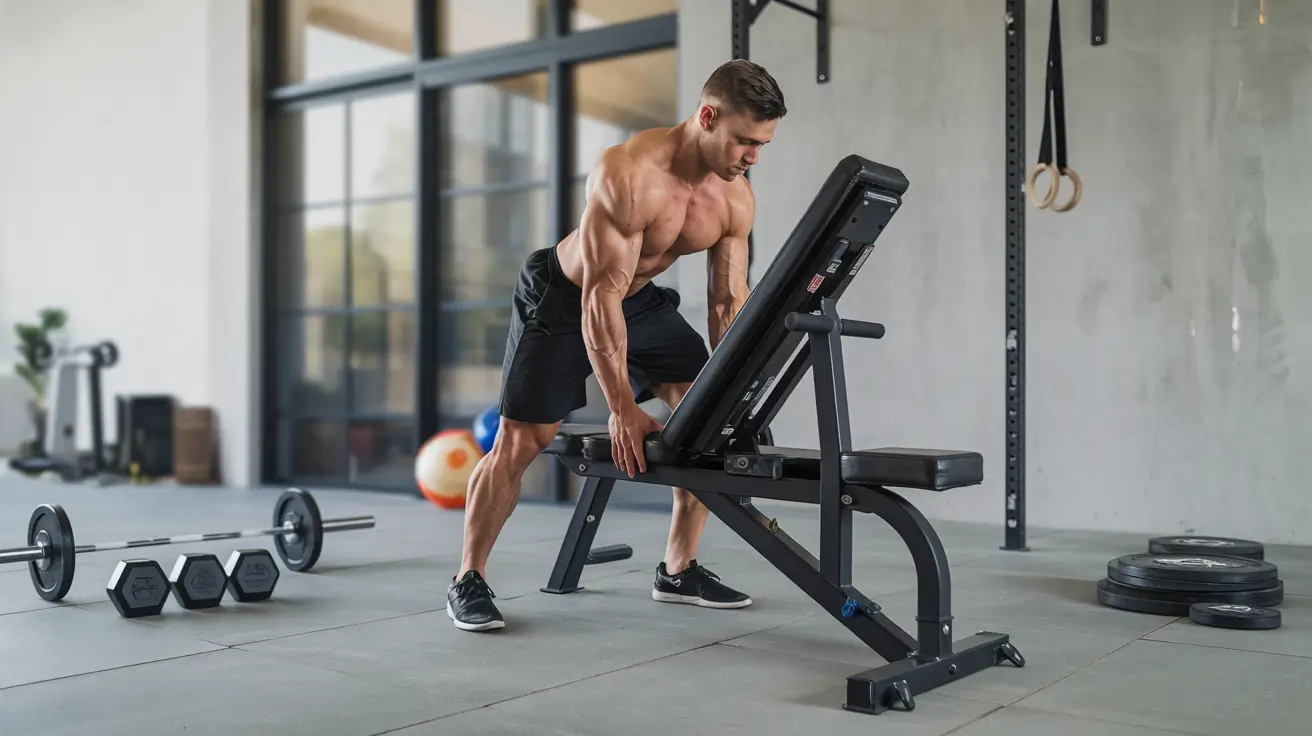
Flybird Adjustable Utility Bench
A flat floor limits your range of motion. An adjustable bench unlocks inclines (Upper Chest), declines (Lower Chest), and seated overhead presses (Shoulders). This piece of equipment creates the stability required to lift heavy dumbbells safely without compromising your lower back.
Upgrade Stability
Sportsroyals Power Tower
The doorway pull-up bar is for amateurs. A stable Power Tower allows for wide-grip pull-ups, weighted dips, and hanging leg raises. These three movements are the holy trinity of upper body bodyweight training. If you cannot do 10 strict pull-ups, this is your new priority.
Build The V-TaperThe Prime Toolkit
Essential Accessories
-
1
Liquid Chalk
Grip strength often fails before muscle strength. Chalk fixes this instantly.
-
2
Dip Belt
Allows you to hang weights for weighted pull-ups and dips. Progressive overload hack.
-
3
Loop Bands
Critical for warming up the rotator cuffs and glutes before heavy compounds.
-
4
Ab Wheel
The single most effective tool for anterior core strength (anti-extension).
Useless Gadgets
-
X
Shake Weights / Vibro Plates
Marketing gimmicks with zero basis in physiological adaptation.
-
X
Cheap “Plastic” Weights
Too bulky to use effectively and often filled with sand that leaks.
-
X
Ab Rockers
They reduce the load on the abs, making the exercise easier, not harder.
-
X
Electrical Muscle Stimulators (EMS)
Does not provide the mechanical tension required for actual hypertrophy.
10 Commandments of Home Training
01. Consistency
A mediocre workout done consistently beats a perfect workout done sporadically.
02. Progressive Overload
You must do more than last time. More weight, more reps, or less rest. Log every session.
03. Form First
At home, you have no spotter. Ego lifting is dangerous. Master the technique before adding load.
04. Tempo
Use a 3-1-1 tempo (3s down, 1s pause, 1s up). This makes light weights feel heavy.
05. Full Range
Half reps yield half results. Go all the way down. Touch your chest on pushups.
06. Compound Lifts
Prioritize movements that move multiple joints (Squats, Presses) over isolations (Curls).
07. Unilateral Work
Train one limb at a time to fix imbalances and double the effective load of your dumbbells.
08. Short Rest
Keep home workouts dense. Rest 60-90 seconds max to keep heart rate and intensity high.
09. Mind-Muscle
Focus on squeezing the target muscle, not just moving the weight from A to B.
10. Protect the Spine
Always brace your core before lifting. Treat your home gym with the same respect as a commercial gym.
Home Training Intelligence
Yes, but it requires more skill than weights. You must use “progressive calisthenics,” meaning you move to harder variations (e.g., Pushup -> Archer Pushup -> One Arm Pushup) rather than just adding weight. Eventually, adding external load (weighted vest) is optimal for maximal size.
Surprisingly little. A 6×8 foot area is sufficient for 99% of exercises using dumbbells and your body weight. Vertical storage (Power Tower) helps maximize tight spaces like apartments.
Absolutely. Buying individual pairs of hex dumbbells from 5-50lbs would cost over $1,000 and take up an entire wall. A set of Bowflex or PowerBlocks costs a fraction of that and fits in a corner. They are the highest ROI item you can buy.
Unilateral training. The Bulgarian Split Squat puts immense load on the quad and glute without needing heavy spinal loading. Goblet Squats and Dumbbell Romanian Deadlifts are also highly effective for leg development.
Yes, if the intensity is high. A Full Body routine performed Mon/Wed/Fri allows for 48 hours of recovery between sessions, which is ideal for natural lifters. Frequency is less important than consistency and volume.