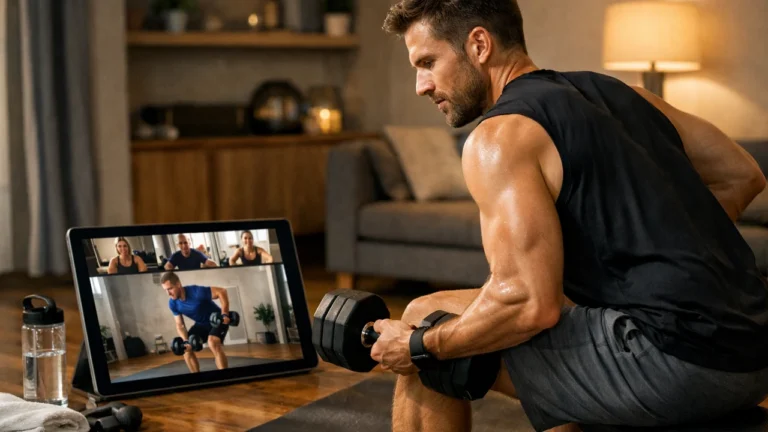

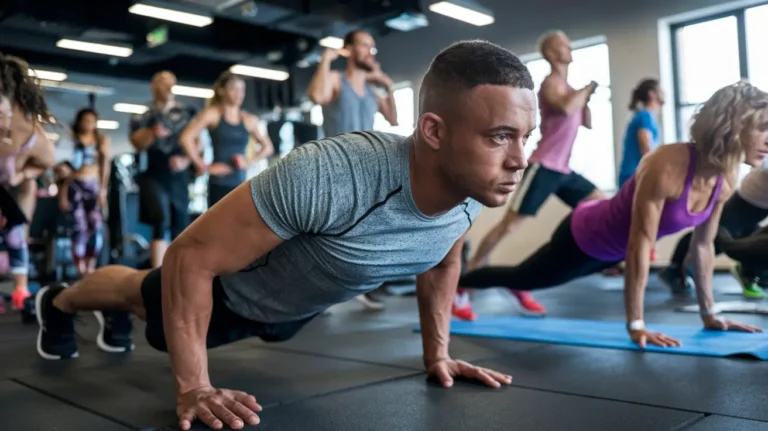
Group workout trends are shifting from generic class formats to data-aware, community-driven systems that improve retention and results. The biggest change is not a single class type. It is the blend of social accountability, flexible delivery, and smarter progression models.
TL;DR
- Modern group workouts combine in-person energy with digital flexibility.
- Retention improves when classes offer clear progression, not random intensity.
- Recovery and mental load are now core programming variables, not afterthoughts.
- Inclusive formats and scalable coaching are driving broader participation.
- The best trend to follow is the one your schedule can sustain.
Group Fitness Is Becoming Smarter, Not Just Harder
Winning programs are built around adherence, progression, and community behavior, not hype and burnout cycles.
Accountability and social consistency loops.
Clear progression and recoverable intensity.
Useful feedback without data overload.
To connect this topic to your bigger roadmap, see hybrid workouts, online group challenges, and inclusive fitness trends.
The Prime Perspective
Most men do better in group systems when coaching clarity is high and ego-driven pacing is controlled. Group energy is powerful, but only if progression is managed.
Top Group Workout Trends Reshaping Fitness Classes
| Trend | Why It Is Growing | Where It Works Best | Risk If Misused |
|---|---|---|---|
| Hybrid class models | Higher schedule flexibility | Busy professionals, parents, travelers | No quality control between formats |
| Small-group coaching | More feedback without one-on-one pricing | Skill-building phases | Overcrowded sessions reduce coaching quality |
| Recovery-integrated classes | Better retention and lower burnout | High-stress populations | Treated as optional add-on |
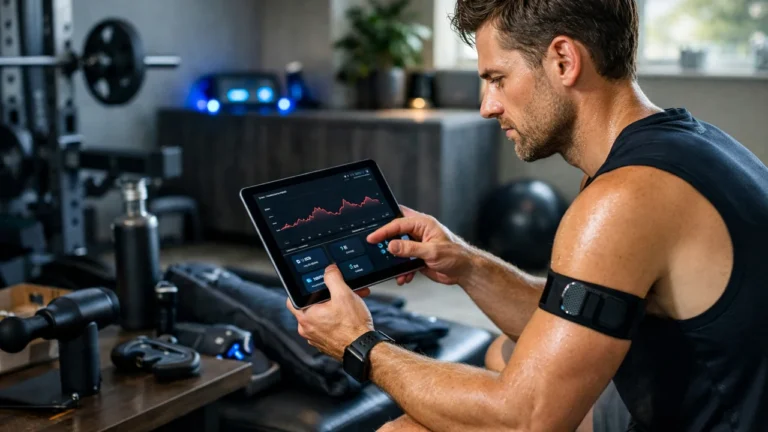
| Data-assisted programming | Objective load and intensity adjustments | Intermediate to advanced members | Dashboard overload without action rules |
| Inclusive class design | Broadens access and long-term participation | Mixed-age and mixed-level groups | One-size-fits-none programming |
US Market Signals Behind Group Workout Trends
Population-level activity guidance in the US continues to support regular aerobic and strength work, which group formats can deliver effectively when class structure is consistent (CDC guidelines). Global evidence also points to physical activity as a major protective factor for long-term health outcomes, reinforcing demand for scalable and sustainable group models (WHO physical activity guidance).
Amazon.com Picks
Group Training Upgrade Kit
Why these picks: they support shared sessions, adaptable intensity, and faster setup for classes and challenge blocks.
Mini Resistance Bands
Great for scalable warm-ups, activation work, and low-equipment circuits.
- Easy load scaling
- Portable for classes
- Joint-friendly options
Heart Rate Monitors
Improves intensity control in interval-based group sessions.
- Objective pacing
- Recovery tracking
- Better class programming
Recovery Tools
Helps members recover between hard classes and maintain training frequency.
- Lower soreness carryover
- Better session readiness
- Supports retention
* As an Amazon Associate, we earn from qualifying purchases.
Programming Model: Group Classes That Actually Progress
| Week Block | Primary Focus | Class Emphasis | Progress Metric |
|---|---|---|---|
| Weeks 1-2 | Base and movement quality | Technique + moderate conditioning | Attendance and pacing control |
| Weeks 3-4 | Volume build | Higher work density | Round quality and consistency |
| Weeks 5-6 | Intensity exposure | Targeted harder intervals | HR response and recovery speed |
| Week 7 | Consolidation | Lower stress and skill reinforcement | Readiness and soreness trends |
| Week 8 | Benchmark and reset | Controlled test format | Performance vs week 1 baseline |
This structure keeps classes engaging without turning every session into maximum effort. For members needing home support between classes, route them to quick workouts and effective home workout routines.
Why Group Workout Trends Now Include Mental and Recovery Layers
High churn in group fitness often comes from recovery mismatch, not motivation failure. Smart programs now include:
- Stress-aware intensity options inside the same class.
- Simple pre-class breathing or focus protocols.
- Post-class downshift and mobility routines.
- Clear weekly communication on expected effort zones.
This is how programs stay hard enough for progress and sustainable enough for real life.
What Most Gyms Miss
People do not leave group classes because classes are too easy. They leave when sessions are too chaotic, too unpredictable, or too hard to recover from.
Common Errors in Group Class Design
| Error | Outcome | Fix | Impact |
|---|---|---|---|
| No level scaling | Beginners feel lost, advanced members plateau | Provide A/B/C options in every block | Higher retention across levels |
| Intensity every class | Fatigue and dropout | Alternate hard and moderate sessions | Better consistency and fewer injuries |
| Weak coaching cues | Poor execution quality | One clear technical cue per movement | Safer and more effective sessions |
| No feedback loop | No visible progression | Weekly metric review and class adjustments | Better member confidence |
Recovery and Fueling for Group-Fitness Members
Members handling multiple classes per week need basics done well:
- Protein intake aligned with training volume.
- Hydration and electrolytes around high-sweat sessions.
- Sleep consistency before adding class volume.
- Deload weeks or lower-intensity windows each cycle.
Useful supports include hydration supplements and post-workout supplements.
Your 24-Hour Action Plan
- Step 1: Choose one group format for the next 8 weeks and commit to a fixed schedule.
- Step 2: Track one metric per class (attendance, pace, or HR recovery).
- Step 3: Add one recovery habit after every class (hydration, mobility, or breath downshift).
Conclusion
Group workout trends are moving toward smarter structure, stronger community, and better recovery integration. Follow that direction and your classes will be more effective, more enjoyable, and easier to sustain.
For wider context, continue with the ultimate guide to fitness trends.
Frequently Asked Questions About Group Workout Trends
Are group workouts still effective compared with solo training?
Yes, especially for adherence and motivation, as long as class intensity and progression are managed well.
What is the biggest trend in group fitness right now?
Hybrid delivery models that combine in-person classes with remote or app-supported sessions.
How often should I attend group classes each week?
Most men do well with 2-4 classes weekly, adjusted for recovery, sleep, and work stress.
Do I need wearables to benefit from group workout trends?
No, but simple tracking tools can improve pacing, recovery decisions, and progression clarity.
What causes dropout in group programs?
Usually poor session scaling, inconsistent coaching quality, and recovery mismatch, not lack of motivation.
The information provided in this article is for educational purposes only and is not intended as a substitute for advice from your physician or other health care professional.
PrimeForMen may earn commissions from qualifying purchases when readers use product links. This does not change our editorial standards for evidence, fit, and safety.