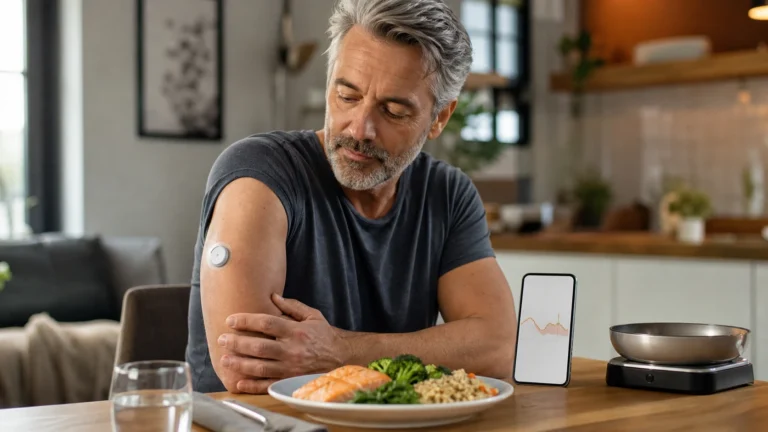
Nutritional Wearables: What They Measure, What They Miss, and Who Benefits
Nutritional wearables can show glucose or sweat-related signals, but they do not score food quality or diagnose disease. Learn when data is useful and when it misleads.

On Primeformen we explain Fitness Technology in a plain way: what it is, why it matters, and how to apply it without wasting time. This tag helps frame where to build your base first and where to specialize later.
For men, adaptation depends as much on recovery discipline as on total session volume. Use deliberate increments and avoid changing too many variables in one block. Strength topics are best used when the plan is built around progressive overload and measurable execution.
Common mistake to avoid: adding too much too fast and expecting immediate long-term results. How to start: define a baseline, choose one measurable target, and commit to a 3 to 4 week review.
What to track: effort, consistency, and recovery quality across training days. Used correctly, Fitness Technology becomes part of a complete performance framework that supports both progress and longevity. This keyword is used at Primeformen to connect fitness technology with practical workouts, safe progression, and realistic expectations for men’s performance goals.
Nutritional wearables can show glucose or sweat-related signals, but they do not score food quality or diagnose disease. Learn when data is useful and when it misleads.
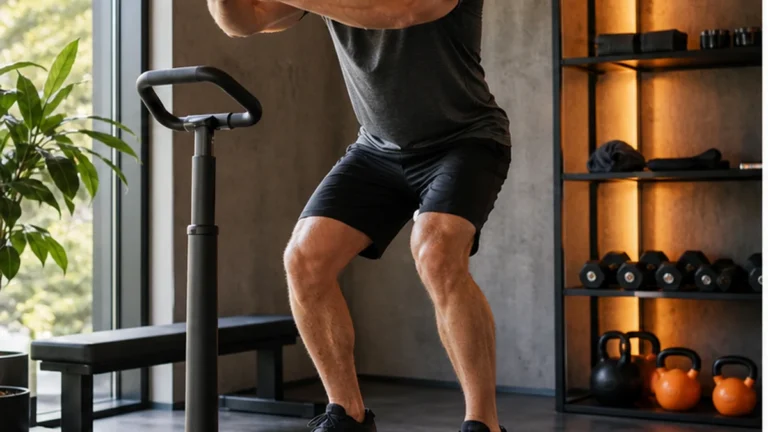
Choose a vibration plate by stability, usable platform, motion and controls while keeping health claims realistic.
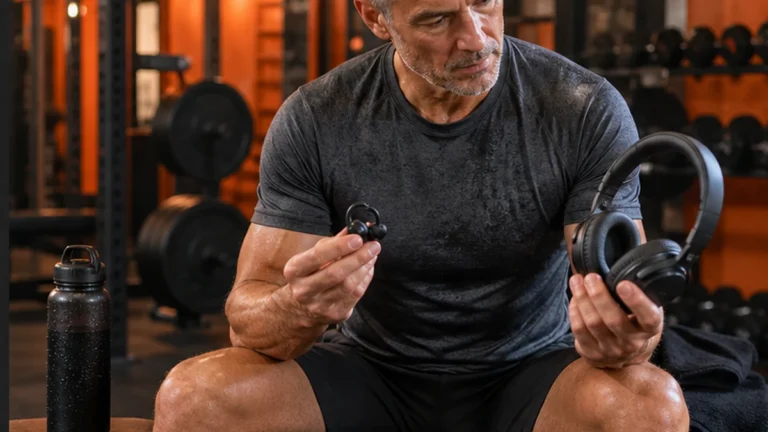
Choose workout headphones by fit, sweat rating, awareness, controls and safe listening—not bass or ANC alone.
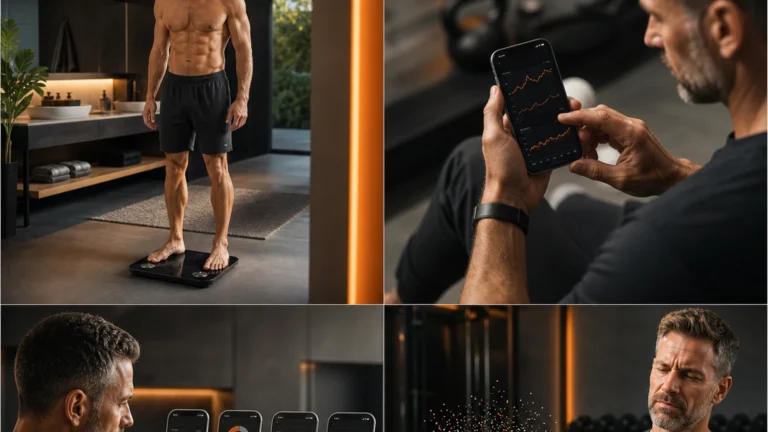
Compare smart scales for men by weight consistency, app and ecosystem fit, user support, privacy and realistic body-composition limits.
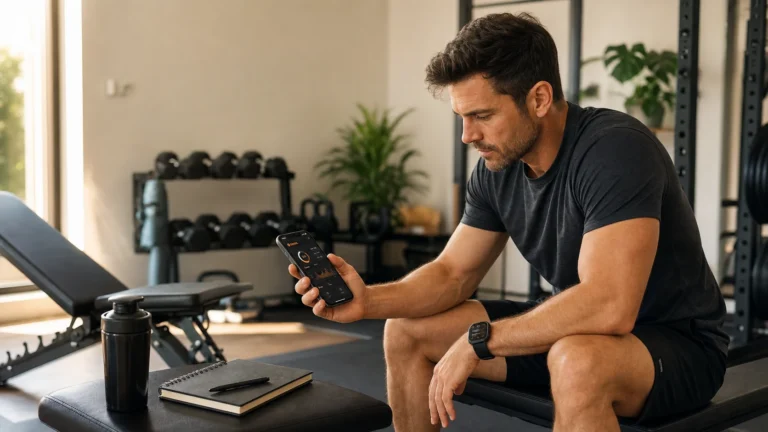
Choose fitness apps for men by goal, data export, wearable sync, privacy, and training fit instead of app-store hype.