Compare men's lifting shoes by heel height, width, stability, lockdown and fit for squats, Olympic lifts and mixed training.
- Match the shoe to the lift before choosing a brand.
- A raised heel helps some squat positions, not every lift.
- Width and lockdown decide whether stability is usable.
Bottom line The right lifting shoe makes your base predictable; it does not fix mobility or technique by itself.
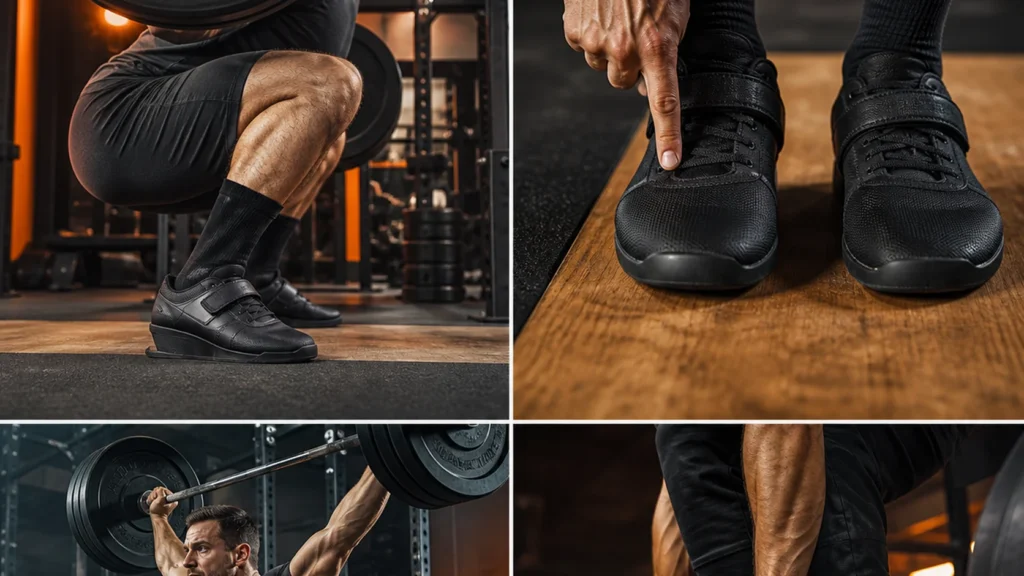
The best weightlifting shoes for men match the lift, foot shape, and ankle mobility. A rigid raised-heel shoe is built for Olympic lifting and upright squat positions. A lower heel is a versatile squat choice. A flat, stable trainer suits deadlifts and mixed sessions better. Fit and lockdown matter more than a famous logo.
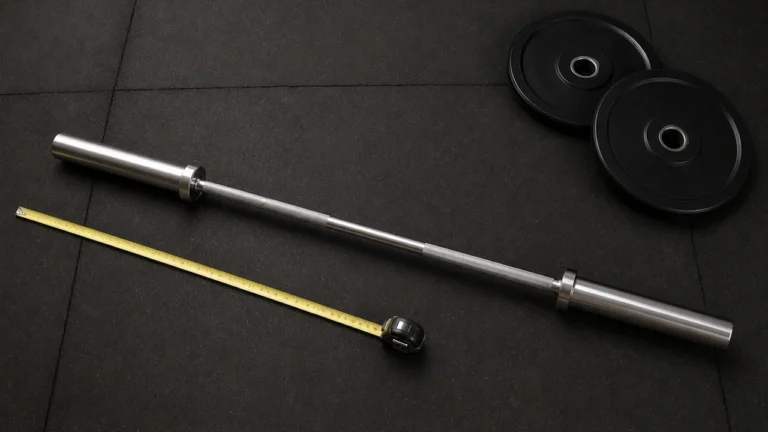
Rigid sole and raised heel.
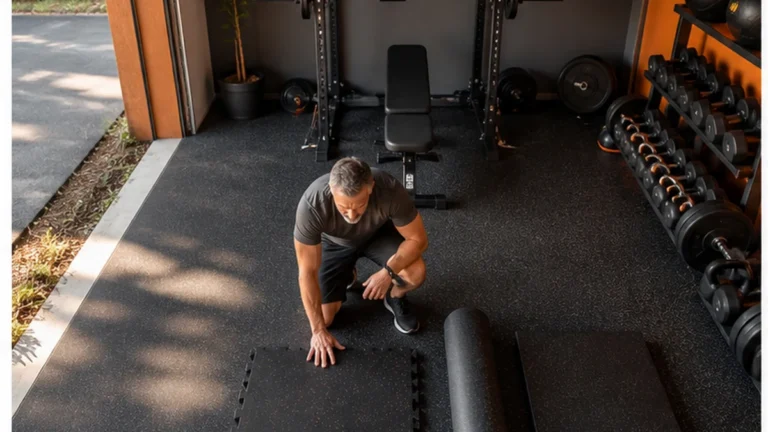
Choose heel by stance and mobility.
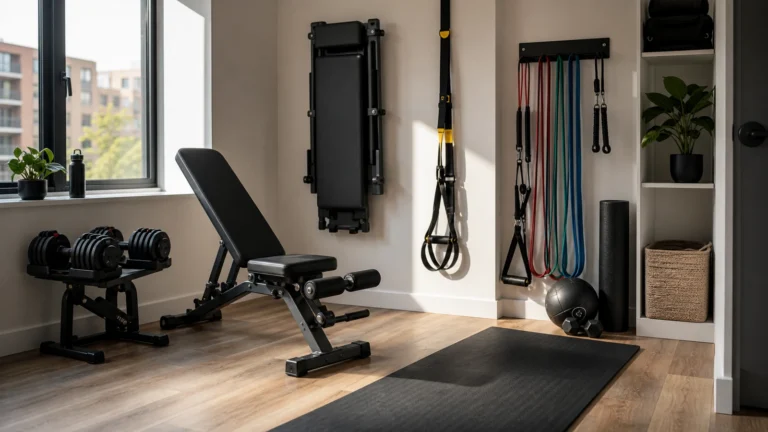
Lower, more flexible trainer.
Best weightlifting shoes for men should create a predictable base under load. They should not pinch the forefoot, let the heel lift, or force one shoe to handle running, jumping, deadlifting, and Olympic lifting equally. PrimeForMen researched current designs and published specifications but did not personally test every model. Our editorial policy explains that distinction.
Quick Summary: Best Weightlifting Shoes for Men
- Olympic lifting: choose a stable TPU or comparable hard midsole with a secure raised heel.
- Squat emphasis: use heel elevation to support the position your anatomy and technique require.
- Wide feet: prioritize the last and usable toe-box shape, not only a “wide” label.
- Deadlifts: prefer a low, thin, stable sole rather than an elevated lifting heel.
- Mixed gym work: use a stable cross-trainer if the session includes carries, short conditioning, or lateral movement.
The Prime Perspective
A lifting shoe changes the interface between you and the floor. It may make depth or balance easier, but it cannot replace ankle control, bracing, or sound programming. Buy for the movement you want to improve and keep ordinary trainers for everything else.
Weightlifting-Shoe Categories Compared
| Shoe type | Best for | What it changes | Main limitation |
|---|---|---|---|
| High-heel lifter | Olympic lifts, upright squats | Supports knee travel and a more vertical torso | Less natural for deadlifts and mixed movement |
| Moderate-heel lifter | General squat training | Balances elevation with approachable positioning | Still specialized and relatively rigid |
| Flat lifting shoe | Deadlifts, low-bar squats | Shortens pull distance and maximizes ground feel | Does not assist limited ankle dorsiflexion |
| Stable cross-trainer | Mixed strength sessions | Provides lateral support and some forefoot flexibility | Not as rigid as a dedicated lifter |
Compare Lifting-Shoe Options on Amazon
Check current size guidance, return policy, heel specification, and color-specific availability before ordering.

adidas Powerlift 5
For squat-focused lifters who want moderate heel elevation and approachable pricing.
- Confirm the selected size and color listing.
- Use the midfoot strap for secure lockdown.
- Expect a narrower fit than some wide-toe options.

Reebok Legacy Lifter III
For Olympic lifting and squat work that benefits from a rigid platform and pronounced heel.
- Check heel height against your preferred position.
- Allow break-in time around the upper.
- Use only for stable lifting, not running.

Under Armour TriBase Reign 6
For mixed strength sessions where a flat stable base and forefoot movement matter more than heel lift.
- Use for mixed training, not as an Olympic lifter.
- Check width feedback for your foot shape.
- Keep a dedicated running shoe for longer cardio.
*Affiliate disclosure: PrimeForMen may earn a commission from qualifying purchases at no extra cost to you.
Choose the Shoe by Lifting Style
Olympic lifts reward a hard platform, secure heel, and consistent elevation because the lifter receives the bar in deep positions. High-bar squats often benefit for similar reasons. Low-bar squatters may prefer less elevation, while conventional and sumo deadlifters usually want a thin flat sole. A cross-trainer is the compromise for sessions that combine strength work with sleds, carries, and short conditioning.
If you are still building the movement pattern, start with our strength training basics and powerlifting basics before treating footwear as the main solution.
Heel Height: Useful Tool, Not a Score
Heel-to-toe elevation can help the knees travel forward while the heel stays planted, which may support an upright torso and deeper squat. More elevation is not automatically better. Too much can shift balance forward or feel wrong for a hip-dominant stance. Compare your current squat in a controlled heel wedge before committing to an extreme shoe.
Lower heel
Often suits general strength training, lifters with adequate ankle mobility, or those transitioning from flat shoes.
Moderate heel
A practical middle ground for many squat-focused lifters.
Higher heel
Useful for Olympic receiving positions and some long-femur squatters, provided balance remains centered.
Fit, Width, and Toe Box
A stable shoe should hold the heel and midfoot without crushing the toes. “Wide” can mean extra upper volume rather than a genuinely broad last. Measure both feet late in the day, use the larger measurement, and compare brand-specific size charts. Your toes need enough room to lie flat and create pressure, but the foot should not slide during the catch or ascent.
RunRepeat’s lab-based lifting-shoe guide is useful because it separates measured platform traits from marketing language. Still, no lab number replaces your foot shape and return-window try-on.
Midsole, Outsole, and Lockdown
Dedicated lifters use incompressible platforms so force does not disappear into soft foam. Rubber coverage provides grip on wood or rubber flooring. Laces distribute pressure; straps reduce movement across the midfoot. Two straps are not automatically more secure than one well-positioned strap and a supportive upper. Check whether the tongue bunches and whether the heel counter rubs before loading heavily.
What Most Lifting-Shoe Guides Miss
Age and training history change priorities. Men returning after ankle, knee, or foot issues may need a gradual break-in and lower training load, not a more aggressive heel. If a shoe produces numbness, sharp pressure, or altered balance, it is not “supportive”—it is a poor fit.
How to Test a Pair at Home
- Wear the socks you use for lifting.
- Check toe contact, heel slip, and midfoot pressure while standing.
- Perform bodyweight squats and empty-bar warm-ups.
- Compare balance at the bottom and during the ascent.
- Stop if the foot slides, toes curl, or pressure becomes painful.
- Keep the outsole clean in case the return policy requires indoor-only use.
BarBend’s weightlifting-shoe comparison also segments shoes by squat, Olympic, beginner, and budget use cases—the right framing for a specialized purchase.
When Ordinary Trainers Are Enough
You do not need dedicated lifters for machines, dumbbell work, moderate goblet squats, or casual general fitness. A stable trainer may serve better if you switch movements often. For broader kit choices, see essential fitness gear, men’s sportswear, and our home power-rack guide.
Conclusion
The best weightlifting shoes for men match the lift and the foot. Choose a rigid raised heel for Olympic work, a suitable heel for your squat, or a flat stable trainer for deadlifts and mixed sessions. Fit should be secure, not painful, and the shoe should make your base more predictable from warm-up to working sets.
Frequently Asked Questions About Men’s Weightlifting Shoes
Do weightlifting shoes improve squats?
They can improve stability and make depth easier for lifters who benefit from heel elevation. They do not replace mobility, bracing, or a squat stance suited to your anatomy.
How high should a lifting-shoe heel be?
Use the lowest elevation that supports a balanced, repeatable position. Olympic lifters often prefer more height than powerlifters or general gym users.
Should weightlifting shoes fit tight?
They should secure the heel and midfoot without numbness, toe compression, or painful pressure. A performance fit is snug, not restrictive.
Can I deadlift in weightlifting shoes?
You can, but a raised heel increases the start height and changes mechanics. Most deadlifters prefer a flat, thin, stable sole.
Can I run in weightlifting shoes?
No. Their rigid platform and raised heel are built for lifting. Use a running shoe or appropriate cross-trainer for cardio.
Footwear does not make a lift safe. Progress loads gradually and consult a qualified professional for persistent foot, ankle, knee, or balance problems.
Some links are affiliate links. PrimeForMen may earn a commission from qualifying purchases at no additional cost to you.