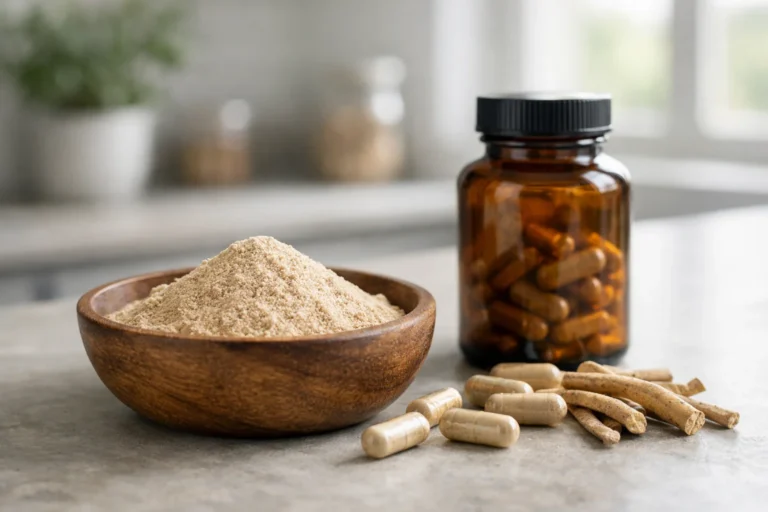


Magnesium for testosterone boost is one of those topics where hype moves faster than evidence. I have seen guys spend on three stacks, sleep five hours, skip recovery, and then blame one mineral for not transforming their hormones in two weeks. That is not how physiology works.
This guide gives you a practical framework: what the evidence supports, who is most likely to benefit, how to choose forms and doses, and what mistakes waste time and money.
The Prime Perspective
Most men do not need a magic testosterone mineral. They need a recovery foundation where magnesium can finally do its job.
Magnesium for Testosterone Boost in Men: What Works, What Is Overhyped
Magnesium is involved in hundreds of enzymatic processes tied to energy production, neuromuscular function, sleep regulation, and stress response. Those systems can influence hormonal health indirectly. That is the key point most articles miss.
The strongest real-world use case is not “massive testosterone spike.” It is supporting a physiology that is less stressed, sleeps better, and recovers more reliably.
Evidence Reality Check
Small trials and sport populations suggest magnesium status can interact with exercise and hormone markers, but results are not universally strong across all populations. Men who are deficient, stressed, under-recovered, or sleeping poorly are usually more likely to notice meaningful changes than men who already have strong baseline habits.
For context on exercise-hydration and recovery interactions that also affect hormonal environment, see broader performance evidence in sports nutrition and endurance literature and metabolic stress reviews at open-access physiology analysis.
Inference for practice: magnesium is usually a support variable, not the primary driver of testosterone outcomes.
Which Magnesium Form Should You Use?
| Form | Typical Use | Tolerability | Cost | PrimeForMen Verdict |
|---|---|---|---|---|
| Glycinate | Evening recovery/sleep routines | Often good | Moderate | Strong default for many men |
| Citrate | General magnesium support | Good for many, GI-sensitive in some | Moderate | Good option if tolerated |
| Oxide | Low-cost availability | Lower tolerance for some users | Low | Budget option, monitor GI response |
| Mixed formulas (ZMA-style) | Combined mineral approach | Variable by formula | Variable | Use only with clear rationale |
What Most Guys Miss
If sleep debt, high alcohol intake, poor protein intake, and chaotic training are untouched, magnesium becomes a bandage over bigger leaks.
Who Benefits Most from Magnesium Support?
| Profile | Likely Benefit | Main Mechanism | Priority Action |
|---|---|---|---|
| Likely low magnesium intake | Moderate to meaningful | Correcting suboptimal status | Fix diet + supplement consistency |
| High-stress, poor sleep male | Modest to moderate | Sleep and stress regulation support | Evening routine and recovery hygiene |
| Hard-training athlete in deficit | Context-dependent | Recovery and neuromuscular support | Match intake to training load |
| Adequate-status male with strong habits | Usually small | Marginal optimization only | Do not expect dramatic hormone jumps |
Common Mistakes with Magnesium and Testosterone Goals
- Expecting rapid hormone transformation from one supplement.
- Ignoring sleep duration and recovery load.
- Using high doses despite poor tolerance.
- Stacking multiple new supplements at once (no signal clarity).
- Skipping bloodwork/medical guidance when symptoms are persistent.
To align this with training outcomes, pair with Progressive Overload, Pre-Workout Supplements, and Effective Home Workout Routines.
Your 24-Hour Action Plan
- Step 1: Audit your last 7 days of sleep, stress, and recovery before changing supplements.
- Step 2: Choose one magnesium form, one dose schedule, and run it consistently for 3-4 weeks.
- Step 3: Track sleep quality, morning readiness, training performance, and mood stability before judging results.
Conclusion
Magnesium for testosterone boost is best understood as a recovery and physiology support strategy, not a miracle hormone switch. Men with deficient status or weak recovery habits usually have the most to gain. Men with strong baselines should expect incremental benefits, not dramatic jumps.
For our evidence approach and editorial standards, review the PrimeForMen Editorial Policy.
The information provided in this article is for educational purposes only and is not intended as a substitute for advice from your physician or other health care professional.
PrimeForMen may earn commissions from qualifying purchases when readers use product links. This does not change our editorial standards for evidence, fit, and safety.