Compare knee sleeves for lifting by thickness, fit, warmth, stiffness, sizing and competition rules.
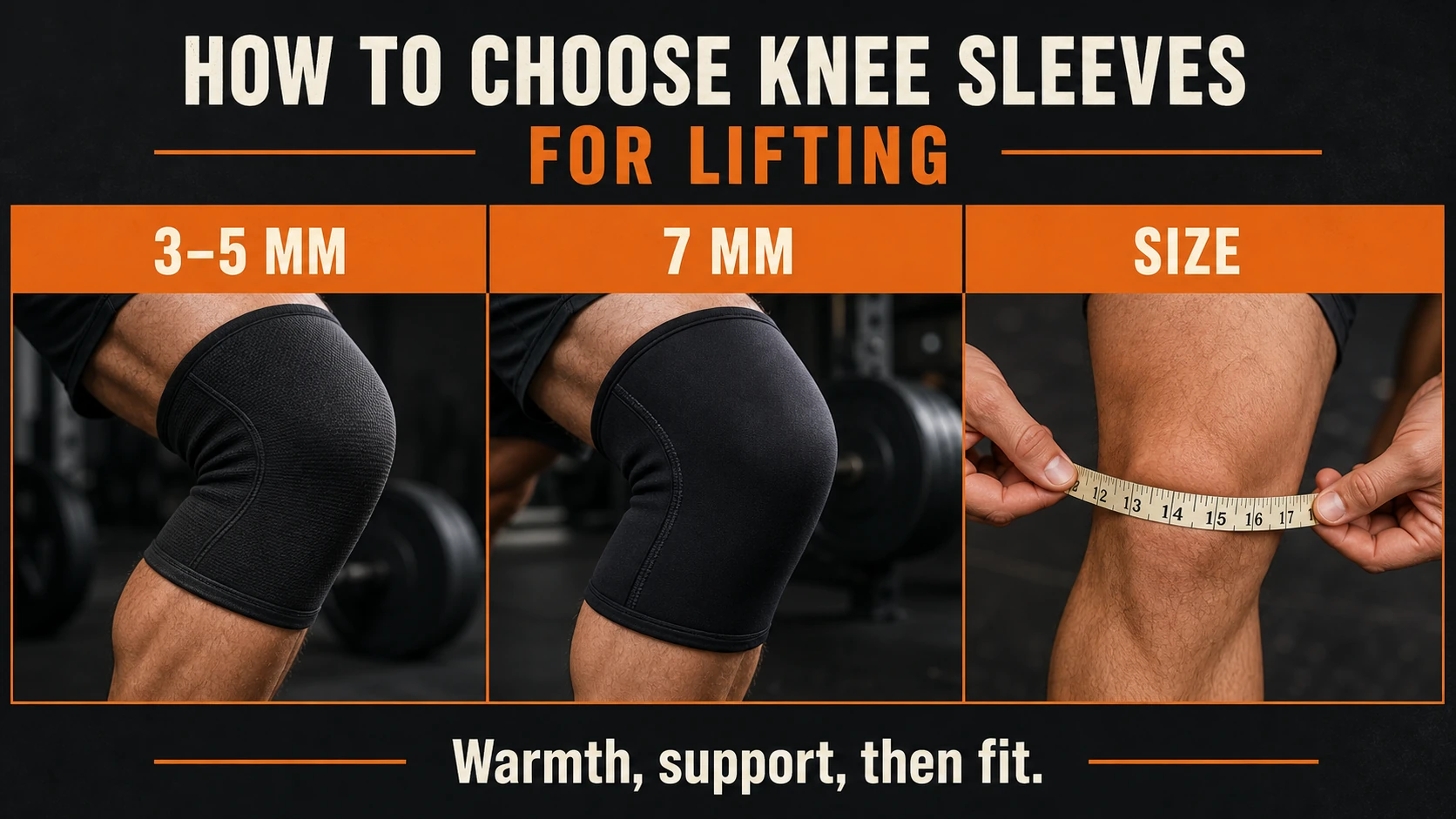
- 5mm moves easier; 7mm feels firmer.
- Measure exactly where the brand instructs.
- Support is not treatment for pain.
Bottom line A well-sized 5mm sleeve suits mixed training; a firm 7mm sleeve suits squat-focused strength work.
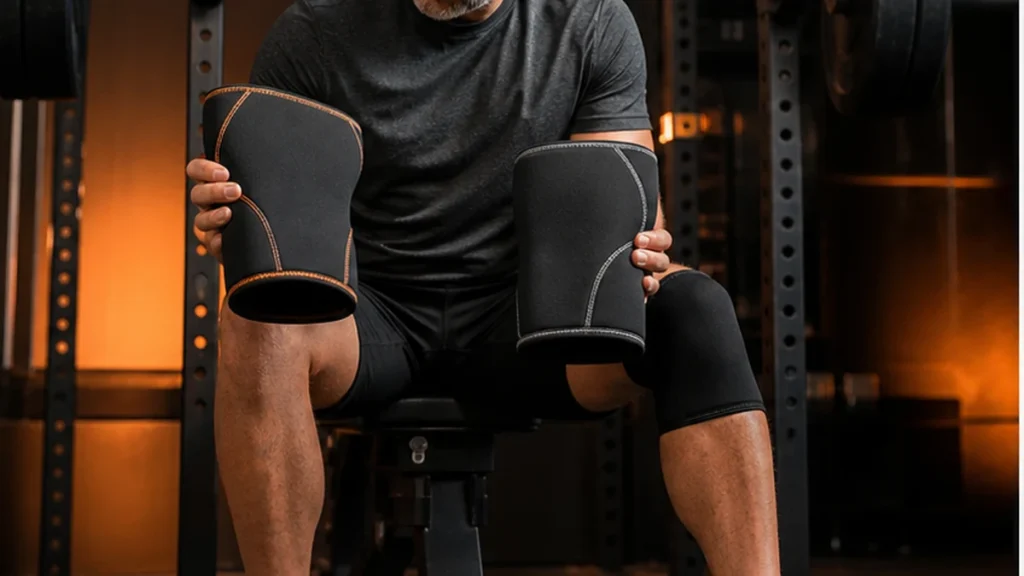
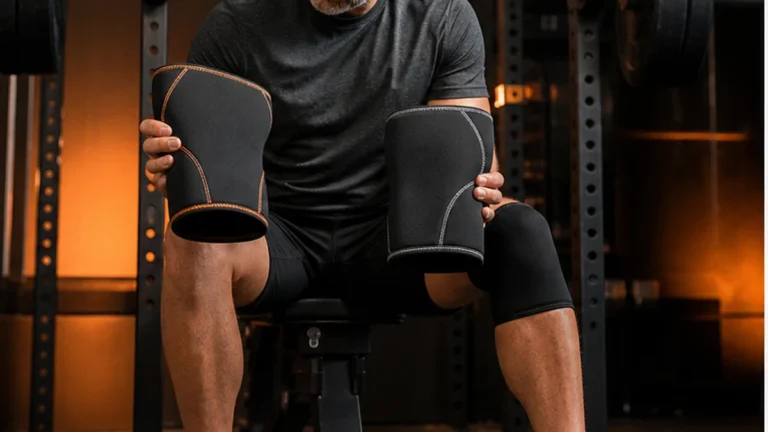
The best knee sleeves for lifting match the session and your measurements. Five-millimeter neoprene is easier for mixed training and longer sessions; seven-millimeter sleeves provide a firmer, warmer feel for heavy squats. Competition lifters must check current federation approvals. A sleeve should feel snug without numbness, rolling or sharp pressure.
Choose flexible 3–5mm sleeves.
A firm 7mm sleeve gives more warmth and tactile support.
Verify the current approved list and dimensions.
Best knee sleeves for lifting should solve a defined training or ownership problem without adding avoidable risk, maintenance or clutter. PrimeForMen compared current product formats, published specifications, live retail listings and authoritative guidance; we did not personally test every model. Our editorial policy explains that distinction.
Quick Summary: Best Knee Sleeves for Lifting
- Mixed training: Choose flexible 3–5mm sleeves.
- Heavy squats: A firm 7mm sleeve gives more warmth and tactile support.
- Competition: Verify the current approved list and dimensions.
- Sizing: Use the maker's exact measurement location.
- Pain: Do not use compression to hide an unresolved injury.
The Prime Perspective
Knee sleeves mainly change warmth, compression and confidence. They do not stabilize a damaged knee or correct a poor squat. A slightly less aggressive sleeve that fits every session is often more useful than a competition-stiff pair you avoid wearing.
Which Type Fits Your Use?
| Format | Best for | Main advantage | Main limitation |
|---|---|---|---|
| 3mm | Warm-up, endurance | Flexible and cool | Least support feel |
| 5mm | General strength | Balanced movement | Less rigid under max loads |
| 7mm | Squats, powerlifting | Firm compression | Hotter and harder to put on |
| Knee wrap | Specific strength use | Adjustable tension | Different tool and rule set |
Our Buying-Criteria Priority
This chart is not a product score. It shows how heavily we weight each factor when screening a purchase for real home use. A high number means the criterion can veto an otherwise attractive option.
98
92
84
73
55
Fit the use
Start with the person, movement and room. A feature has value only when it solves that use.
Check ownership
Include setup, cleaning, storage, parts, returns and the realistic frequency of use.
Control risk
Favor stable fit, conservative progression and clear manufacturer instructions over dramatic claims.
Compare Current Options on Amazon
Availability, variant details and seller terms can change. Confirm size, dimensions, included parts, warranty and return conditions on the current listing.

Gymreapers 7mm Knee Sleeves
For squat-focused lifters seeking a firm pair with published IPF approval.
- Measure before choosing a size.
- Confirm the exact pair and color variant.
- Recheck the current approved list before competition.

Rehband RX 7mm Knee Support
For buyers who want a contoured 7mm sleeve and are willing to verify unit quantity.
- Check whether the listing is one sleeve or a pair.
- Follow Rehband's measurement chart.
- Dry completely between sessions.

Nordic Lifting Neoprene Sleeves
For general lifting at a lower price point with conventional neoprene compression.
- Confirm thickness and selected size.
- Test for rolling at full depth.
- Stop if compression causes tingling.
Affiliate disclosure: PrimeForMen may earn a commission from qualifying purchases at no extra cost to you.
5mm vs 7mm
Five millimeters is the practical middle ground for lifters who squat, lunge and move through conditioning in one session. Seven millimeters feels more rigid and warm, which many squat-focused lifters prefer. Thicker is not automatically safer. If the sleeve changes depth, pinches behind the knee or takes excessive effort to position, it may be too aggressive.
Measure and Size Correctly
Brands use different measurement points and compression assumptions. Measure the bare leg exactly as the chart states, compare both knees and avoid sizing down simply for a tighter feel. Put the sleeve on when the skin is dry, center the panel over the joint and perform several bodyweight squats before loading.
For the surrounding setup, compare our strength training for men over 50 and powerlifting basics.
Construction and Edge Comfort
Look for even neoprene, flat or protected seams and edges that do not cut into the thigh or calf. A tapered anatomical shape may stay in place better than a straight tube. The interior must grip without abrading skin. Strong odor, delamination or cracking are reasons to return or replace the pair.
Competition Rules
Federations regulate dimensions, materials and approved brands. The IPF technical rules also specify how sleeves sit relative to the suit and socks. Approval can change, so a product-page badge is not enough. Check the federation list shortly before a meet and bring the exact pair you trained in.
Keep the purchase inside a complete plan with the weightlifting shoes and lifting belt guide.
What Most Sleeve Guides Miss
A sleeve can make a painful knee feel warm enough to continue, which is not the same as resolving the cause. Swelling, locking, giving way or persistent pain deserves assessment. For ordinary training, load management, exercise selection and technique have a larger safety role than neoprene thickness.
Care and Replacement
Turn sleeves inside out after training, air them fully and wash according to the label. Do not leave damp neoprene sealed in a gym bag. Replace sleeves that have stretched unevenly, split seams, permanent folds or reduced grip. Rotate pairs if you train frequently so each can dry.
What Most Buying Guides Miss
Compression should make the knee feel warm and predictable, not numb. Correct sizing and movement quality beat the stiffest possible sleeve.
Five-Step Pre-Purchase Check
- Measure both knees as directed.
- Confirm one sleeve versus pair.
- Test full-depth bodyweight squats.
- Check current federation approval if competing.
- Air-dry after every session.
Evidence and Source Check
We used the 2026 IPF Technical Rulebook Changes for current sleeve placement and competition-equipment rules. Product specifications and availability can change, so confirm the live manual and listing before purchase. Evidence about a category does not validate every consumer product or marketing claim.
Who Should Skip This Purchase?
Skip it when the item has no defined role, the room or body fit is uncertain, or the routine depends on motivation rather than a repeatable schedule. Borrow, try a gym version or choose a simpler substitute when the expected use is occasional. A good return policy helps with fit; it does not make an unsuitable category valuable.
Calculate the Real Ownership Cost
The checkout price is only the first line. Add delivery, assembly, floor protection, accessories, replacement wear parts, cleaning supplies, batteries or electricity where relevant. Then divide that realistic total by the number of sessions you expect during the first year. This is not a promise that cost per use will become low; it is a way to expose a purchase that has no credible schedule. Also confirm who pays return freight, whether opened fitness equipment can be returned and which components the warranty excludes.
Make a One-Page Decision Before Checkout
Write down the primary user, primary exercise or use, room location, minimum acceptable fit, three veto criteria and the exact model or variant. Save the current manual, dimension diagram and warranty rather than relying on a marketplace title. Photograph the measured space and keep the packaging until fit, function and condition have been checked. Finally, schedule the first four uses. If you cannot describe when and how the product enters the routine, the strongest decision is to wait rather than let a limited-time discount decide.
Conclusion
Choose knee sleeves by session, exact measurement and edge comfort. A flexible 5mm pair is the versatile option; a properly fitted 7mm pair serves squat-focused lifting. Neither should hide pain or replace sound load management.
Place This Purchase Inside the Full Training Plan
A product decision works better when it connects to your room, program and recovery priorities. Use the pillar that matches the constraint you are solving next.
Frequently Asked Questions About Best Knee Sleeves for Lifting
Are 5mm or 7mm knee sleeves better?
Five millimeters suits mixed training; seven millimeters gives a firmer feel for heavy squats. Choose by session and fit.
How tight should knee sleeves be?
Snug without numbness, tingling, rolling or sharp pressure. You should reach full depth without the sleeve dictating the movement.
Do knee sleeves prevent injury?
They provide warmth and compression but do not guarantee injury prevention or treat structural problems.
Can I wear knee sleeves for every workout?
You can use them when helpful, but they are unnecessary for many upper-body and light sessions. Keep the skin and sleeves clean and dry.
Are all 7mm sleeves IPF approved?
No. Verify the exact brand and model on the current approved list and follow the federation's placement rules.
Follow the current manufacturer instructions, inspect equipment before use, progress conservatively and stop for pain, dizziness, numbness or loss of control.
Some links are affiliate links. PrimeForMen may earn a commission from qualifying purchases at no additional cost to you.