Learn strength training basics for men: movement patterns, safe load selection, progressive overload, equipment picks and a simple 4-week plan.
- Start with 2-3 full-body sessions and repeat the same core lifts long enough to measure progress.
- Use squat, hinge, push, pull, carry, and core patterns before chasing exercise variety.
- Pick loads with 1-3 reps in reserve, then progress through reps and control before weight.
Bottom line The strongest beginner plan is repeatable: clean movement patterns, conservative loading, and small weekly progress you can recover from.
Strength training basics are simple: learn a few safe movement patterns, train them consistently, and add load only when your form stays repeatable. You do not need a complicated split, a max-effort mindset, or a garage full of equipment to start building real strength.
The mistake most beginners make is treating strength training like a random list of exercises. A better approach is to build a small system: squat, hinge, push, pull, carry, recover, and progress. That gives you enough structure to improve without burying yourself in soreness or technique confusion.
Quick Summary: Strength training basics
- Start with 2-3 full-body strength sessions per week, not daily max-effort lifting.
- Use movement patterns before exercise variety: squat, hinge, push, pull, carry, and core control.
- Run a simple 4-week plan before changing exercises; beginners need repeatable practice more than variety.
- Progress by adding reps first, then small weight increases when form still looks clean.
- Stop sets with 1-3 good reps left in the tank during your first training phase.
- If you are starting after 40, warm up longer, leave more margin, and let joint feedback shape the plan.
The Prime Perspective
Strength training is not only about lifting heavier. For most men, the first win is learning how to create tension, move through stable positions, and recover well enough to repeat the work next week.
If you are returning after a long break, starting after 40, or building a home setup, the smartest program is the one you can execute cleanly for months. Technique, consistency, and controlled progression beat novelty.
Strength Training Basics for Men Over 40
If you are starting strength training after 40, the rules do not become complicated. They become less forgiving. You can still build strength, muscle, and confidence, but the plan has to respect recovery, joint feedback, and the fact that old personal records are not your starting point.
The better target is repeatable progress. Start with two or three full-body sessions, warm up longer than you think you need, keep one to three good reps in reserve, and increase the challenge only when the next session still feels manageable.
| Area | Common mistake | Better beginner rule |
|---|---|---|
| Warm-up | Jumping straight into work sets | Use 5-8 minutes plus easy ramp-up sets |
| Joints | Treating joint pain like normal soreness | Change load, range, or variation when joints complain |
| Progression | Chasing old numbers too soon | Add reps and control before weight |
| Recovery | Starting with 4-5 hard lifting days | Use 2-3 full-body days until recovery is predictable |
| Cardio | Dropping all conditioning work | Keep easy walking or Zone 2 work in the week |
What Strength Training Actually Means
Strength training is any planned work where your muscles produce force against resistance. That resistance can come from dumbbells, barbells, machines, bands, kettlebells, weighted carries, or your own bodyweight.
The goal is not to destroy a muscle group. The goal is to give your body a clear signal: this movement needs to become stronger, more stable, and easier to repeat. Public health guidance from the CDC adult physical activity guidelines also emphasizes muscle-strengthening activity as part of a complete weekly fitness routine.
The beginner rule
If you cannot explain what the exercise is training, what good form looks like, and how you will progress it next week, the plan is probably too vague. Keep the first phase boring enough to measure. Add a belt only after you can brace consistently; the lifting-belt fit and closure guide explains when leather, lever, or nylon makes sense.
Amazon.com Picks: Beginner Strength Setup
These categories give beginners enough load options, warm-up support, and movement variety without turning a simple start into an expensive home gym build.
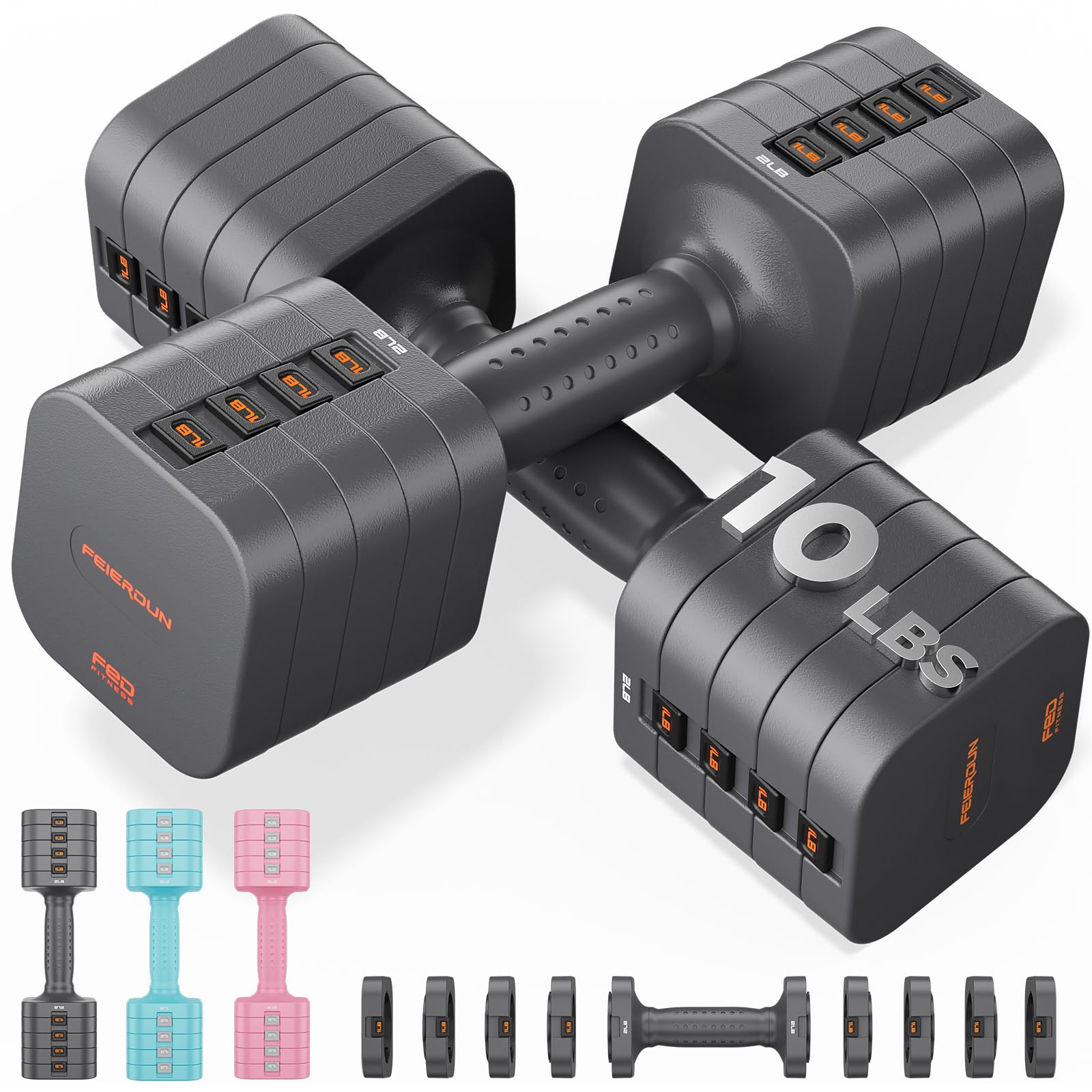
Adjustable Dumbbells
Best for simple full-body progress when space is limited and you need small load jumps.
- Useful for goblet squats, rows, presses, and split squats
- Lets beginners progress without buying many fixed pairs
- Works well for home workouts and repeatable tracking
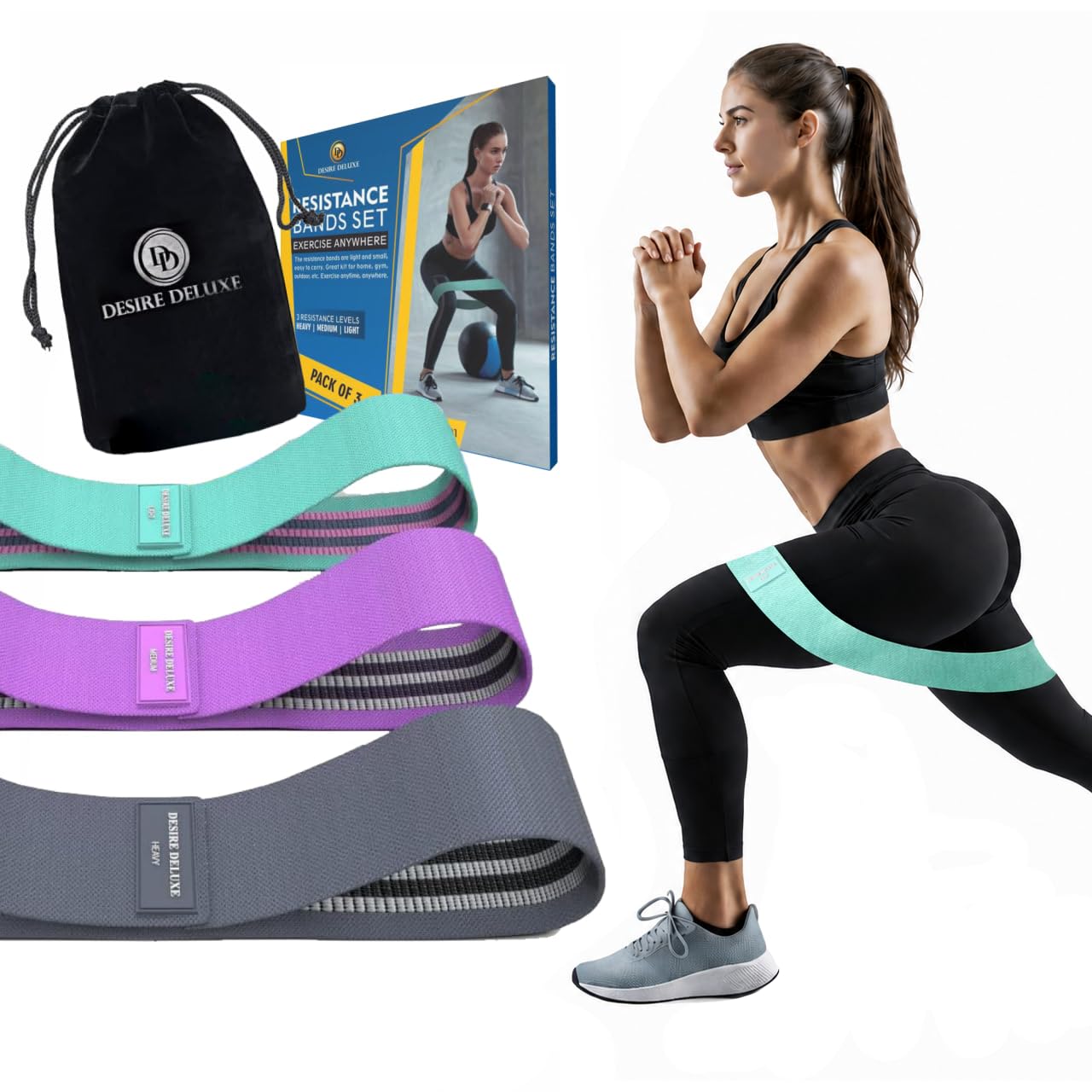
Resistance Bands
Best for warm-ups, assisted reps, shoulder prep, and low-risk accessory work.
- Helps groove pulling, pressing, and hip activation patterns
- Easy way to add tension without heavy loading
- Travel-friendly option for consistency on busy weeks
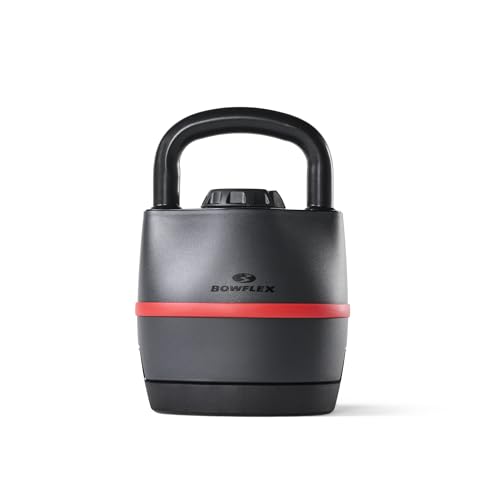
Kettlebells
Best for carries, hinges, goblet squats, and compact strength conditioning.
- Builds grip, trunk control, and hip power in one tool
- Great for farmer carries and simple hinge practice
- Space-efficient for apartments and small home gyms
*As an Amazon Associate, we earn from qualifying purchases. Product categories are chosen for training fit, not as a substitute for coaching or medical advice.
The Six Movement Patterns Beginners Should Learn
Exercise names change, but the patterns repeat. If your weekly plan covers these six categories, you have the foundation for most strength goals: more muscle, better joints, stronger posture, and better performance in sports or daily life. The NSCA movement-pattern framework is a useful way to think about technique before load.
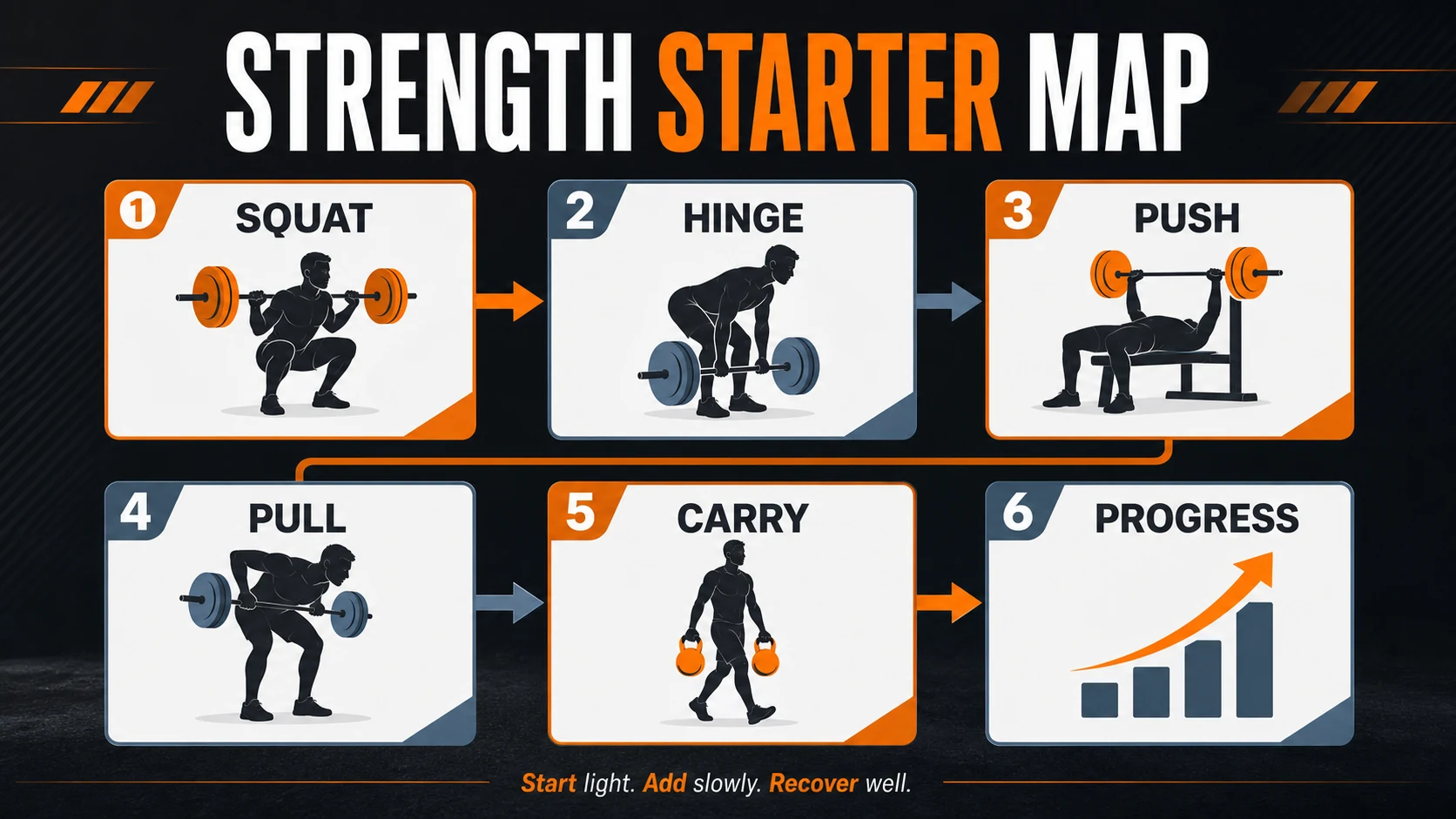
| Pattern | Beginner examples | What to watch |
|---|---|---|
| Squat | Goblet squat, box squat, split squat | Feet stable, knees track cleanly, torso controlled |
| Hinge | Romanian deadlift, kettlebell deadlift, hip thrust | Hips move back, spine stays neutral, hamstrings load |
| Push | Push-up, dumbbell press, overhead press | Ribs down, shoulders controlled, no sloppy lockout |
| Pull | One-arm row, band row, assisted pull-up | Elbows drive, shoulder blades move, neck stays relaxed |
| Carry | Farmer carry, suitcase carry, front rack carry | Tall posture, quiet steps, strong grip |
| Progress | Add reps, add sets, add small load | Only progress when form and recovery are stable |
Choose the Right Version of Each Movement Pattern
Beginners do not need a new exercise menu every week. They need the right version of the same pattern. Make the movement easier when technique breaks, and make it harder only when posture, speed, joint comfort, and recovery stay stable.
| Pattern | Regression | Standard | Progression |
|---|---|---|---|
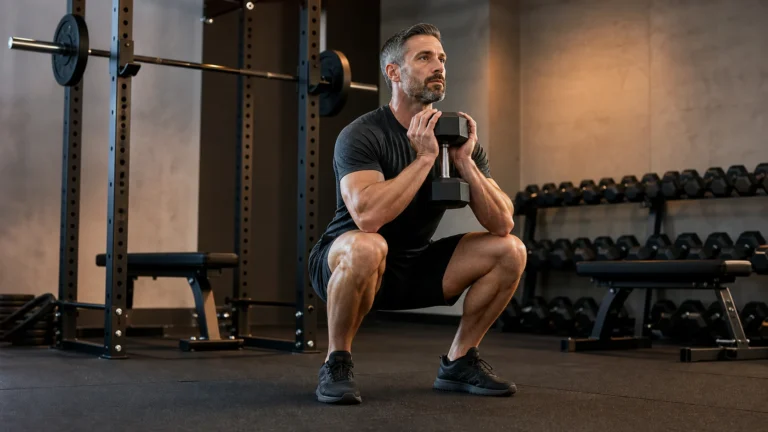
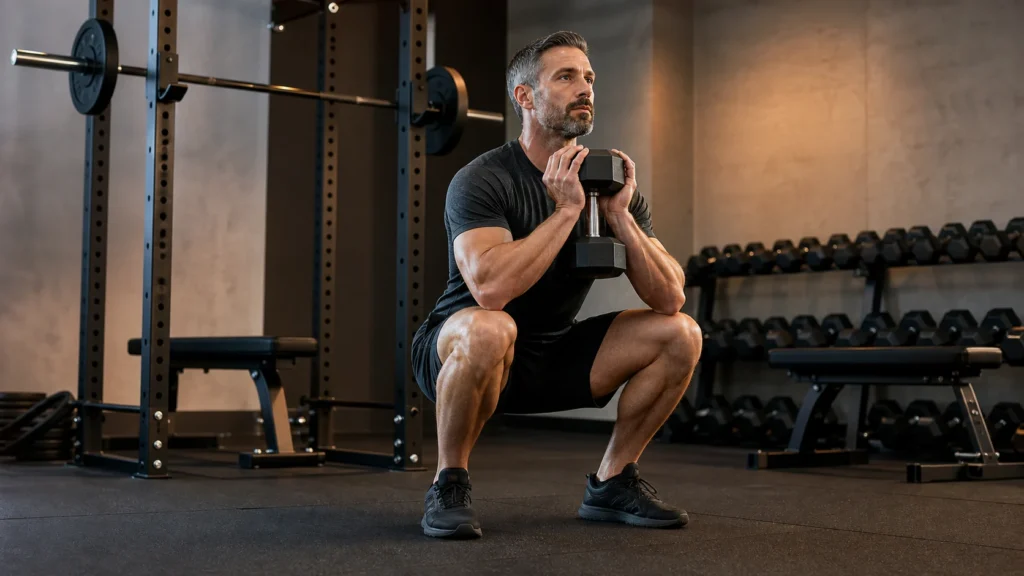
| Squat | Chair squat | Goblet squat | Split squat |
| Hinge | Hip hinge drill | Romanian deadlift | Single-leg RDL |
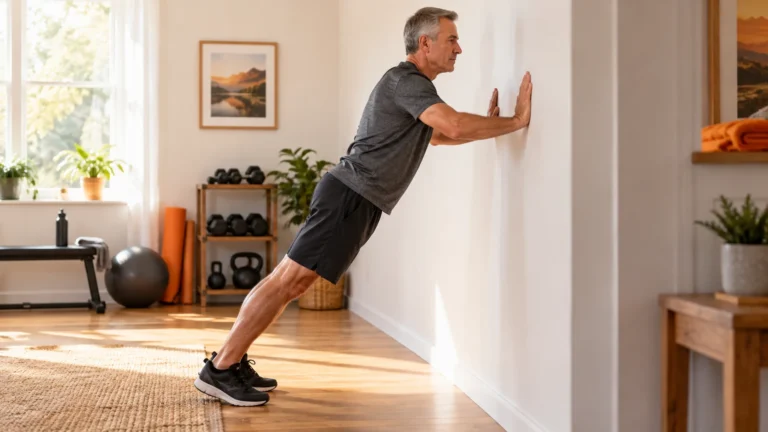
| Push | Wall push-up | Incline or floor push-up | Dumbbell press |
| Pull | Band row | One-arm dumbbell row | Assisted pull-up |
| Carry | Light farmer carry | Farmer carry | Suitcase or front-rack carry |
| Core | Dead bug | Plank | Side plank or loaded carry |
A Simple 4-Week Beginner Strength Training Plan
For most beginners, two or three full-body sessions per week is enough. The first month should teach the movement patterns, build confidence, and create a baseline you can actually measure.
| Week | Main goal | Progression rule |
|---|---|---|
| Week 1 | Learn the movements | Use two sessions, light load, and form notes |
| Week 2 | Repeat the same plan | Add 1 rep per set only if technique stays clean |
| Week 3 | Add a small dose | Optional extra set on 1-2 exercises, not everything |
| Week 4 | Consolidate | Move the same loads better; do not max out |
Session A
- Goblet squat or box squat: 2-3 x 6-10
- Dumbbell row or band row: 2-3 x 8-12
- Push-up or dumbbell press: 2-3 x 6-10
- Farmer carry: 2-4 short walks
- Plank or dead bug: 2-3 controlled sets
Session B
- Romanian deadlift or kettlebell deadlift: 2-3 x 6-10
- Split squat or step-up: 2-3 x 6-10 per side
- Band row or assisted pull-up: 2-3 x 8-12
- Overhead press or incline push-up: 2-3 x 6-10
- Suitcase carry: 2-4 short walks per side
If you train at home, pair this article with the strength training at home guide. If you want a dumbbell-only structure, the dumbbell-only home workout plan gives you a more specific next step.
How Heavy Should You Start?
Start lighter than your ego wants. A beginner set should feel like practice with resistance, not a public test of toughness. You should finish most sets with one to three good reps still available.
This is especially important if you have been inactive, have a prior injury, or are returning after illness. MedlinePlus gives a broad overview of exercise and physical fitness, but your own starting point should still be adjusted to your current capacity.
The gap most beginner guides leave open
They tell you which exercises to do, but not how to decide whether the weight is right. Use this test: if speed, posture, breathing, or joint comfort changes sharply during the set, the load is too heavy for your current technique.
How Heavy Should You Start? Use This Load Test
The right beginner weight lets you complete the target reps with stable posture, controlled speed, normal breathing, and no unusual joint discomfort. If any of those change sharply, reduce the load or choose an easier variation.
Progressive Overload Without Getting Reckless
Over 50? The dedicated strength training for men over 50 guide adds joint-tolerant exercise selection, rep-range progression, and practical deload rules.
Progressive overload means gradually increasing the training challenge over time. It does not mean adding weight every session forever.
Beginners can progress through better control, more range of motion, more reps, one extra set, slower tempo, shorter rest periods, or a small load increase. Weight is only one lever.
| Step | Progression | Beginner example |
|---|---|---|
| 1 | Cleaner technique | Same load, better control and bracing |
| 2 | More reps | 6 reps to 8 reps to 10 reps |
| 3 | More range of motion | Controlled deeper squat or fuller row |
| 4 | Slower tempo | Lower the weight for three seconds |
| 5 | One extra set | 2 sets to 3 sets on one or two lifts |
| 6 | Small load increase | Use the smallest jump available |
| 7 | Harder variation | Goblet squat to split squat |
Practical rule: weight is the last progression, not the only progression. Beginners often improve fastest by owning the same load better before making the load heavier.
Beginner Strength Warm-Up: 8 Minutes Before You Lift
A warm-up does not need to be long. It needs to prepare the exact patterns you are about to train: move, hinge, squat, pull, brace, then do one or two easy ramp-up sets before the working weight.
| Step | Warm-up action | Target |
|---|---|---|
| 1 | Brisk walk, bike, or low-impact movement | 2 minutes |
| 2 | Hip hinge drill | 8 reps |
| 3 | Bodyweight squat to box | 8 reps |
| 4 | Band row or band pull-apart | 10-15 reps |
| 5 | Dead bug or plank breathing | 30-45 seconds |
| 6 | Ramp-up sets for the first lift | 1-2 easy sets |
Technique Cues That Matter
Do not collect dozens of cues. Pick a few that solve the biggest beginner problems: loose bracing, rushed reps, unstable feet, and chasing range before control.
- Brace before you move: breathe into your midsection and keep your ribs stacked over your pelvis.
- Use controlled eccentrics: lower the weight with intent instead of dropping into the bottom position.
- Own the bottom: pause briefly where the lift is hardest and check whether you still control the position.
- Stop before form breaks: the set ends when quality ends, not when the number on paper is reached.
Common Beginner Mistakes
| Mistake | Why it backfires | Better move |
|---|---|---|
| Training to failure every session | Technique degrades and soreness rises faster than skill | Leave 1-3 reps in reserve |
| Changing exercises constantly | You never practice long enough to improve the lift | Repeat core movements for 4-6 weeks |
| Skipping pulling work | Pressing volume can outpace shoulder and upper-back control | Match most presses with rows or pull variations |
| Ignoring recovery | Sleep, protein, and rest days drive adaptation | Track performance and soreness honestly |
Equipment: What You Actually Need
You can start with bodyweight, but a small amount of adjustable resistance makes progress easier to measure. Adjustable dumbbells, resistance bands, and kettlebells cover most beginner strength patterns without requiring a full rack.
If you are deciding what to buy first, compare this with the PrimeForMen guide to adjustable dumbbells and the broader fitness gear and equipment hub.
What Strength Equipment Should Beginners Buy First?
Do not buy a full home gym before you prove the routine. Buy the tool that solves the current training limitation. The ACSM resistance training guideline update also supports the practical point that useful strength work can happen beyond a traditional gym setting, including bodyweight, bands, and home-based routines.
| Your problem | Best first buy | Why it fits |
|---|---|---|
| No progressive load at home | Adjustable dumbbells | Small load jumps for full-body training |
| No pulling or warm-up options | Resistance bands | Rows, shoulder prep, assisted reps, travel use |
| Compact carries and hinges | Kettlebell | Goblet squats, deadlifts, carries, conditioning |
| Very small budget | Bands first | Cheapest way to add pulling and prep work |
| Long-term home gym | Dumbbells first, kettlebell later | More measurable progression before variety |
How Strength Fits With Cardio, Mobility, and Recovery
Strength training is the backbone of the plan, not the whole plan. A beginner week should still include easy movement, mobility, recovery days, and enough food to adapt. If lifting improves but sleep, walking, protein, and joint feedback are ignored, progress becomes harder to repeat.
| Pillar | Beginner minimum | Why it matters |
|---|---|---|
| Strength | 2-3 full-body sessions | Enough practice without daily recovery debt |
| Cardio | 2-4 walks or easy cardio blocks | Supports conditioning and general health |
| Mobility | 5-10 minutes around training | Keeps movement patterns easier to access |
| Recovery | At least one day between hard full-body days | Lets performance improve instead of decline |
| Nutrition | Regular protein anchors and enough total food | Gives the body material to adapt |
| Tracking | Exercises, sets, reps, load, and form notes | Turns guessing into a feedback loop |
Your 24-Hour Start Protocol
Turn a Training Limitation Into the Right Equipment Decision
Build technique and progression first. When grip, knee comfort or lower-body loading becomes the real constraint, use the matching buying guide instead of adding gear at random.
Conclusion
Strength training basics work because they remove noise. Train the major patterns, use clean reps, progress slowly, and recover hard enough to repeat the process. That is the foundation before advanced splits, specialty methods, or heavy personal records.
If you want the simplest path, start with two full-body sessions this week and keep the same lifts for a month. Once the basics are stable, you can branch into functional fitness training, more specific hypertrophy work, or sport-focused conditioning.
Next Step: Beginner Fitness Hub
If this article gave you the strength framework, the logical next step is the beginner’s guide to fitness. Use it to connect strength work with cardio, mobility, recovery, and weekly planning.
Medical Disclaimer
This article is for general fitness education only and does not replace medical advice, diagnosis, physical therapy, or individualized coaching. If you have chest pain, dizziness, uncontrolled blood pressure, a recent injury, or symptoms that worsen with exercise, speak with a qualified healthcare professional before starting or intensifying strength training.
Affiliate Disclosure
PrimeForMen may earn a commission from qualifying purchases through affiliate links. Recommendations are based on practical training fit for the article topic, and affiliate relationships do not change the editorial standard.
Frequently Asked Questions About Strength Training Basics
How many days per week should a beginner strength train?
Most beginners do well with 2-3 full-body sessions per week. That frequency gives you enough practice to improve while leaving recovery days between sessions.
What is the best beginner strength training plan?
The best beginner plan is a repeatable full-body plan built around squat, hinge, push, pull, carry, and core control. Keep the same core lifts for at least four weeks before adding variety.
How many sets and reps should beginners do?
Start with 2-3 sets of 6-10 reps for most major lifts and 8-12 reps for rows or accessory work. The exact number matters less than clean form, recoverable volume, and steady progression.
Should beginners train full body or split routines?
Full-body training is usually better at the start because it gives more practice with the main movement patterns and fewer recovery problems than hard body-part splits.
Should beginners use machines, dumbbells, or bodyweight?
All three can work. Bodyweight teaches control, machines reduce coordination demands, and dumbbells build balance and progression flexibility. Choose the option you can perform safely and repeat consistently.
How do I know when to add weight?
Add weight when you can complete the top of your rep range with stable form, controlled speed, and no unusual joint discomfort. Small increases are better than large jumps.
What does reps in reserve mean?
Reps in reserve means how many good reps you could still perform when the set ends. Beginners should usually stop with 1-3 clean reps left instead of training to failure.
Can men over 40 start strength training safely?
Many men over 40 can start strength training safely, but the plan should be repeatable: warm up longer, start lighter, leave reps in reserve, and adjust for joint feedback, injuries, or medical concerns.
Is soreness required for strength gains?
No. Mild soreness can happen, especially early, but it is not the goal. Better indicators are cleaner reps, more control, improved load tolerance, and steady performance.
Can strength training help with fat loss?
Strength training can support fat loss by preserving or building muscle while you manage nutrition and activity. It is most effective when paired with a sustainable calorie strategy, protein intake, sleep, and regular movement.
What equipment should I buy first for strength training?
If you need measurable progression at home, start with adjustable dumbbells. If your main gap is pulling, warm-up, or travel training, resistance bands are usually the cheapest useful first purchase.
Should I do cardio with strength training?
Yes. Keep easy walking or moderate cardio in the week. Strength training builds force and muscle, while cardio supports work capacity, heart health, and recovery between sessions.
When should I speak with a doctor before lifting?
Speak with a healthcare professional before starting or intensifying lifting if you have chest pain, dizziness, uncontrolled blood pressure, a recent injury, or symptoms that worsen during exercise.