Quick workouts for men over 50: effective 5-, 12-, and 20-minute plans, progressions, safety rules, and a realistic weekly schedule.
- Short sessions count when effort and progression are real.
- Strength, cardio, mobility, and balance need different doses.
- Use quick workouts as a weekly system—not random finishers.
Bottom line Pick the shortest session you can repeat, then build duration or resistance only after consistency is stable.
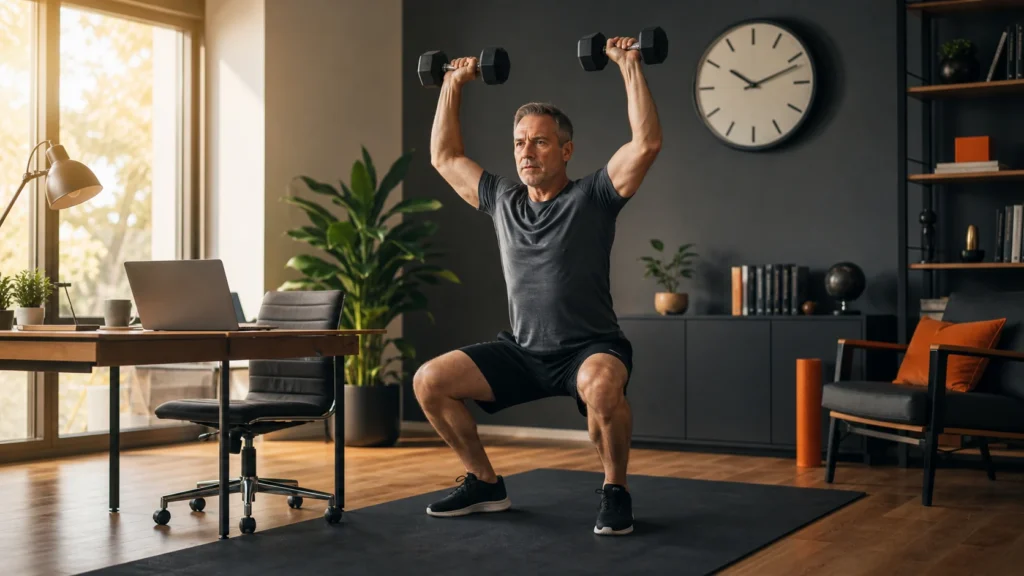
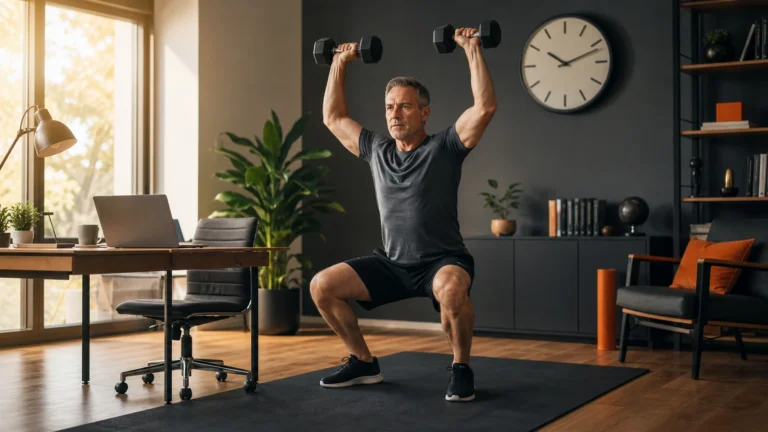
Quick workouts are not a loophole that turns five easy minutes into an hour of training. They are a scheduling tool. For men over 50, that distinction matters: a short, well-designed session can maintain momentum, improve work capacity, and add useful weekly strength volume without turning every busy day into a missed day.
The goal is not to make training tiny forever. The goal is to make the next useful dose obvious.
Quick Summary: Quick Workouts
- All movement counts, and health benefits do not require a minimum 10-minute bout.
- Use large movement patterns: squat, hinge, push, pull, carry, and brisk locomotion.
- Stop one to three clean reps before form breaks; short does not mean reckless.
- Progress one variable at a time: reps, load, range, density, or session length.
- Build toward two weekly strength days plus aerobic and balance work.
The Prime Perspective
The best quick workout is the one that solves today’s constraint without stealing from tomorrow. If you have 12 minutes, do not spend eight deciding what to do. Use a fixed template, record one performance marker, and finish knowing what will progress next time.
What Makes a Short Workout Effective?
Time is only one training variable. A 12-minute session can be productive when the movements cover a lot of muscle, the sets are challenging enough, and the same pattern returns often enough to progress. It becomes weak when it is random, too easy, or so frantic that technique collapses.
The current U.S. physical-activity guidance emphasizes total weekly activity rather than a minimum bout length. It also retains the larger target: adults should accumulate aerobic activity and perform muscle-strengthening work at least twice per week. See the Physical Activity Guidelines for Americans.
| Session | Best use | Structure | Progression |
|---|---|---|---|
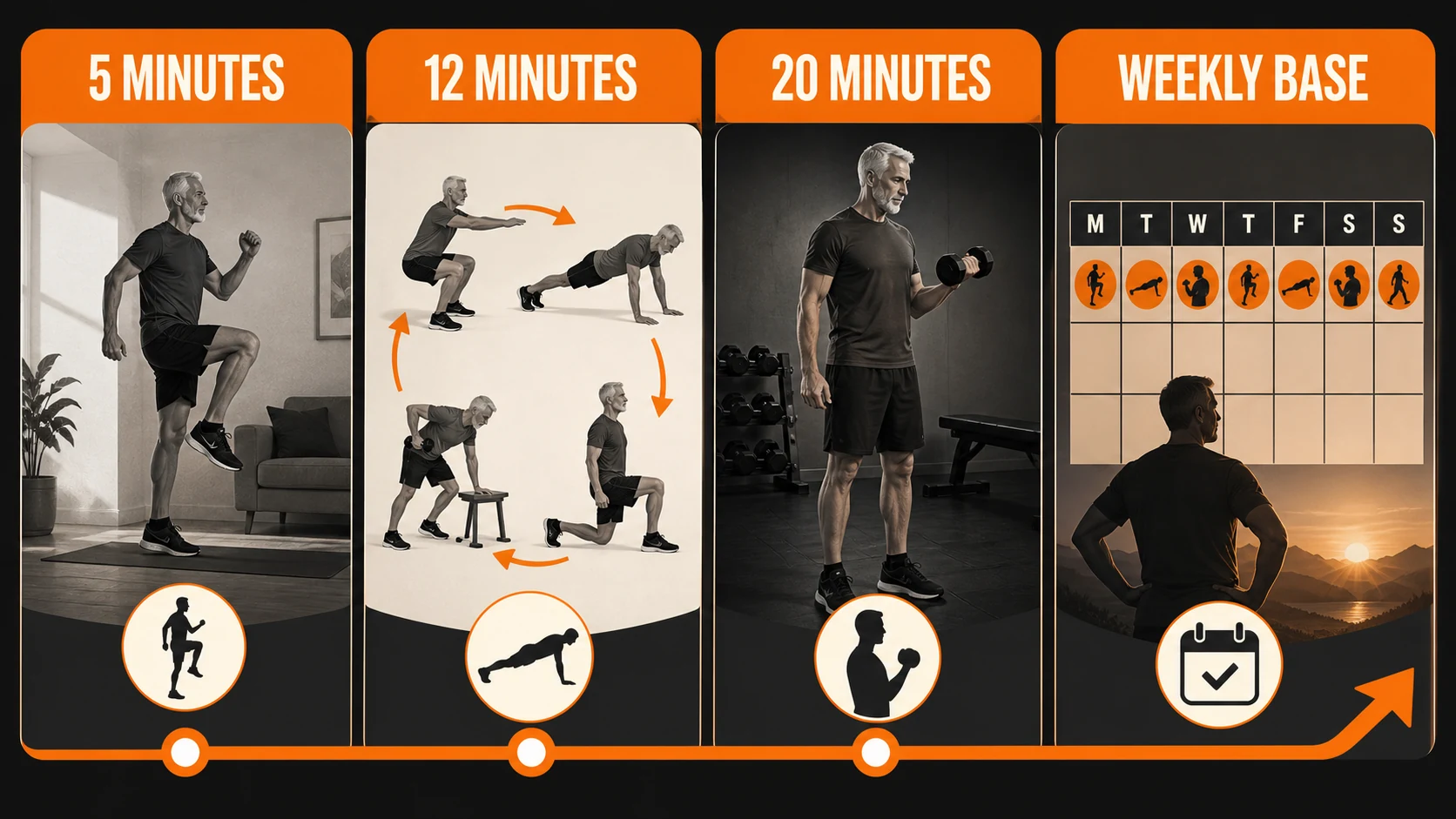
| 5 minutes | Break inactivity or preserve the habit | One movement snack: sit-to-stand, incline push-up, step-up, carry | Add a clean round or improve control |
| 12 minutes | Compact full-body strength | Four moves, 40 seconds work / 20 seconds transition, three rounds | Use more range or resistance |
| 20 minutes | Focused training day | Warm-up, two paired strength blocks, short finisher | Add reps or load while keeping form |
| 30+ minutes | Broader strength or conditioning | More rest, more sets, more exercise variety | Track weekly volume and performance |
Amazon Product Shortlist
Gear should make starting faster. It should not turn a 12-minute plan into a shopping project.
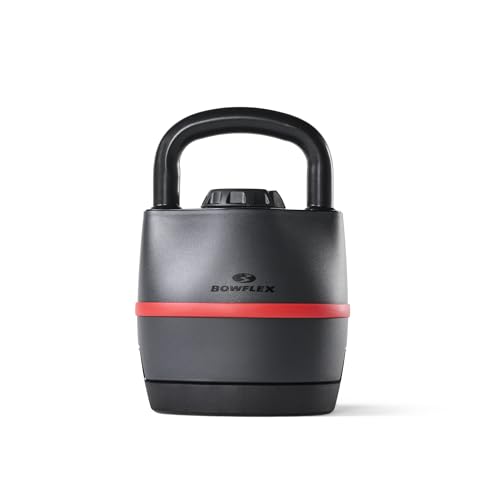
Adjustable Kettlebell
Best when one tool needs to cover squats, hinges, rows, carries, and presses.
- Fast weight changes reduce setup time.
- One compact tool covers major patterns.
- Carries add grip and trunk work.

Fitness Tracker
Useful when consistency, heart-rate trends, and session timing need less guesswork.
- Makes short sessions easy to time.
- Tracks weekly consistency rather than hype.
- Can support walking and sleep trends.
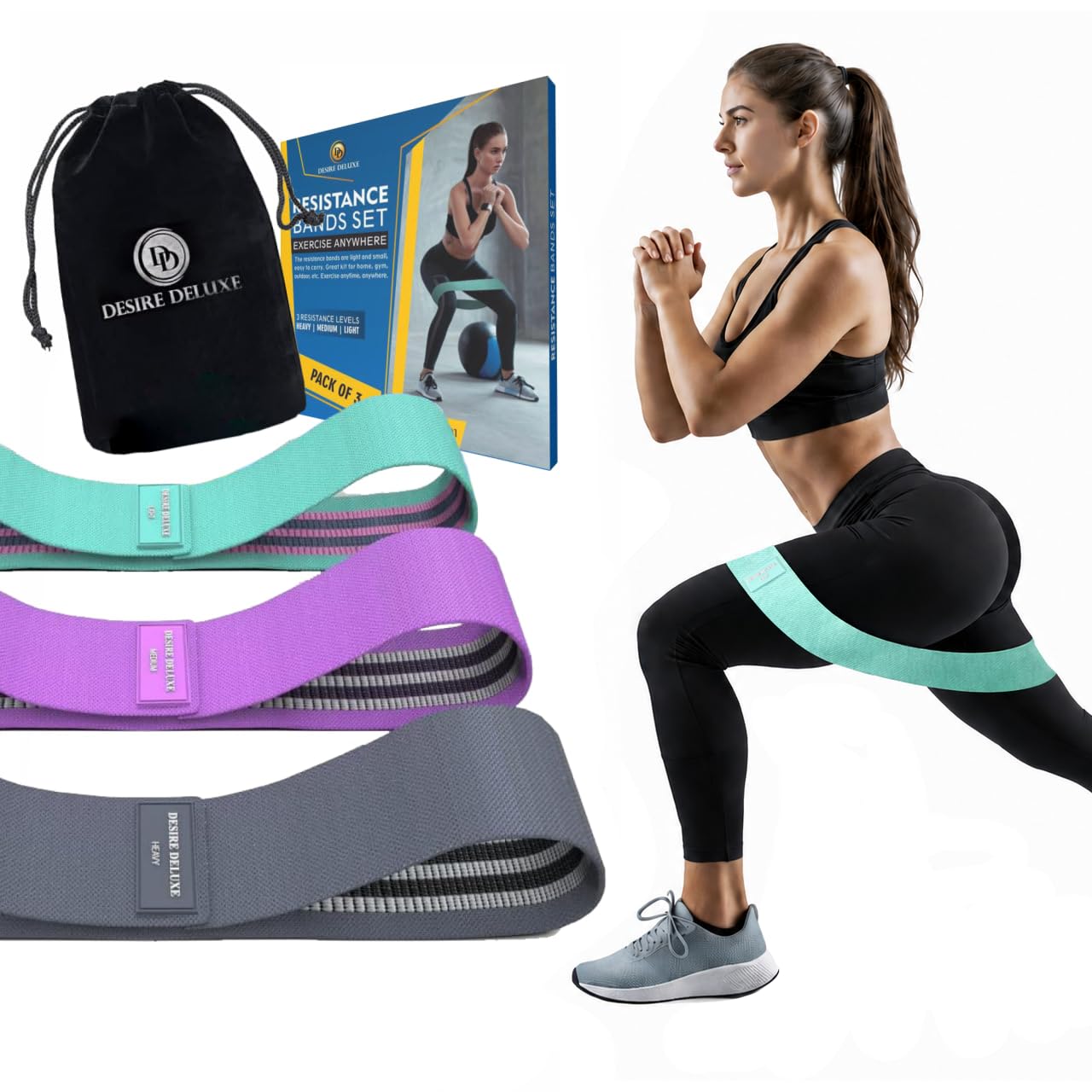
Resistance Bands
Best for rows, presses, pull-aparts, and joint-friendly travel sessions.
- Adds pulling work without a machine.
- Easy to scale and store.
- Useful for warm-ups and finishers.
*As an Amazon Associate, PrimeForMen earns from qualifying purchases. Availability and prices can change.
Three Quick Workouts You Can Use Today
The 5-Minute Movement Snack
Alternate 30 seconds of controlled sit-to-stands with 30 seconds of wall or counter push-ups for five rounds. Keep two clean reps in reserve. If your knees dislike the chair height, raise the seat. If your wrists dislike the push-up angle, use a wall.
The 12-Minute Full-Body Circuit
Perform 40 seconds each of goblet squat, supported one-arm row, incline push-up, and suitcase march. Use 20 seconds to transition. Complete three rounds. Choose a load that lets the last ten seconds feel purposeful without changing your movement.
The 20-Minute Strength Session
Warm up for three minutes. Then alternate squat and row for three sets, followed by hip hinge and incline push-up for three sets. Rest 30 to 60 seconds as needed. Finish with two minutes of brisk marching or a carry. This is not HIIT unless the intensity and recovery are programmed that way.
A calendar full of different seven-minute circuits is not progression. Repeat a small number of templates for four to six weeks. Log reps, load, range, and perceived effort. That is how a short session becomes training instead of entertainment.
When one short block is not enough, organize the same movement patterns into a repeatable sequence. Our circuit training guide for men over 50 shows how to choose stations, work-rest ratios, and progression without sacrificing technique to the clock.
How to Build a Real Week
| Day | Minimum plan | If you have more time |
|---|---|---|
| Monday | 12-minute full-body strength | Add one set to each movement |
| Tuesday | Two 5-minute brisk walks | Extend one walk to 20 minutes |
| Wednesday | Mobility and balance snack | Add easy cycling or walking |
| Thursday | 20-minute strength session | Add loaded carries |
| Friday | 5-minute movement snack | Add moderate intervals if recovered |
| Weekend | Longer walk, hike, or sport | Keep one true recovery day |
If you want a deeper strength base, move next to our strength training for men over 50 guide. For more home options, use the dumbbell-only home workout plan, HIIT at home, and active recovery workouts.
What to Do This Week
- Choose one 12-minute template and schedule it twice.
- Record reps, load, and how many clean reps you had left.
- Add two five-minute walks after meals.
- Next week, progress only one variable.
Strength, Cardio, and Mobility Are Not Interchangeable
A fast circuit can raise your heart rate and train strength at the same time, but it does not maximize both. If muscle and strength are the priority, keep enough rest to use meaningful resistance and clean reps. If aerobic fitness is the priority, use rhythmic movements you can sustain without technique becoming the limiter. Mobility work belongs where it improves positions you actually need—not as random stretching between hard sets.
For men over 50, balance deserves its own small dose. A supported single-leg stand, tandem walk, controlled step-down, or suitcase carry can fit into the warm-up or a separate five-minute block. Balance is difficult to train well when you are already exhausted.
Track the Right Marker
Use one marker per session: total clean reps, load used, push-up surface height, squat depth, distance carried, or average pace. Avoid turning calorie estimates into the score. Wearables estimate energy expenditure; they do not know whether your squat technique improved.
When a Quick Workout Is the Wrong Choice
Choose a longer or supervised session when you are learning a technical lift, returning from injury, testing heavy strength, or need extended warm-up time. Short workouts reduce schedule friction. They should not reduce the time required for safe setup, pain-free movement, or competent technique.
Conclusion: Short Is Useful When It Is Repeatable
Quick workouts can be the bridge between a busy life and a durable training week. Start with the smallest honest dose, cover the major patterns, and repeat the same plan long enough to improve it. If a short session keeps happening, it beats the perfect 60-minute plan that never starts.
Next Step: Build the Full 50+ Plan
Use our workout plan for men over 50 to connect short sessions with strength, cardio, mobility, and recovery across the week.
Frequently Asked Questions About Quick Workouts
Can a 10-minute workout really build muscle?
It can contribute to muscle growth if the sets are challenging, the major muscles are trained, and volume progresses over time. Advanced lifters usually need more total work.
Are quick workouts good for weight loss?
They help increase activity and preserve fitness, but weight loss still depends heavily on total energy balance, food habits, sleep, and weekly movement.
Should men over 50 do quick HIIT every day?
No. Daily hard intervals can outpace recovery. Alternate strength, aerobic, mobility, and easier movement days.
Is five minutes of exercise worth doing?
Yes. It can interrupt sitting, reinforce the habit, and add useful activity. Treat it as a starting dose, not the final ceiling.
How often should I repeat the same quick workout?
Two or three times per week for four to six weeks is enough to judge progression for most beginner and intermediate templates.
This article is educational and does not replace individualized medical advice, diagnosis, or treatment. Discuss persistent symptoms, medications, hormone concerns, cardiovascular risk, or exercise restrictions with a qualified clinician.
Some links are affiliate links. PrimeForMen may earn a commission at no extra cost to you. Product inclusion does not override evidence, fit, or safety.