Compare trap bars by frame style, handle height, sleeve length, rackability and storage. Choose the right hex bar for your plates, room and lifts.
- Open frames create room for carries and split-stance work; closed frames keep the classic geometry.
- Confirm sleeve length, plate diameter and loaded storage before buying.
- Handle height should suit your mobility and training goal—not merely make every pull easier.
Bottom line Choose the geometry around the exercises you will perform, then verify that the bar fits your plates and storage space.
Strength Equipment Buying Guide
Quick Answer
The best trap bar for a home gym matches your plates, stance, grip, storage, and pulling goals. A closed hex bar is the best-value choice for basic deadlifts and carries; an open trap bar is easier for lunges and loading; raised handles reduce the start range but should not replace progressive mobility and technique work.
- Best value: A closed dual-handle hex bar for deadlifts, shrugs, and carries.
- Best versatility: An open frame with built-in jack behavior and room for lunges.
- Best fit check: Enough internal width, sleeve length, and handle diameter for your body and plates.
Best trap bars for home gyms should solve a real training or tracking problem without creating a bigger problem in fit, space, cost, or complexity. This guide gives you the selection logic, transparent limitations, and current Amazon options needed to make that decision without pretending that every buyer needs the most expensive model.
Quick Summary: Best Trap Bars For Home Gyms
- Open frames improve movement freedom and often make plate changes easier; closed frames are simpler and usually cheaper.
- Dual handles provide a raised start position and a lower position, but actual handle height varies by model.
- Measure usable sleeve length if you own thick bumper plates; total load capacity alone can be misleading.
- A neutral grip can change comfort and loading, but technique, programming, and progressive volume still determine results.
The Prime Perspective
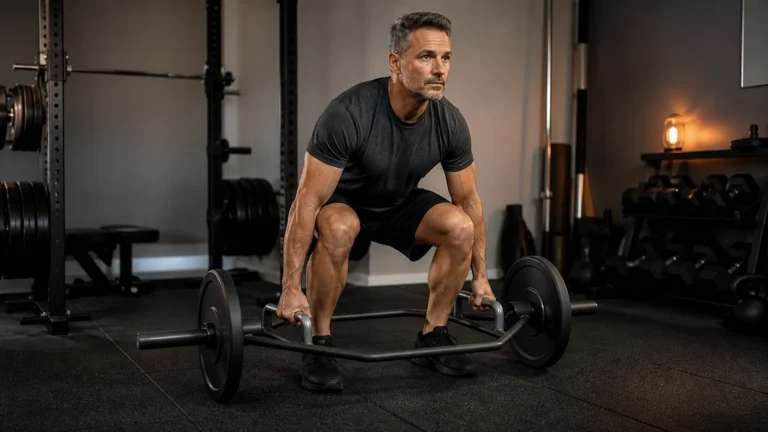
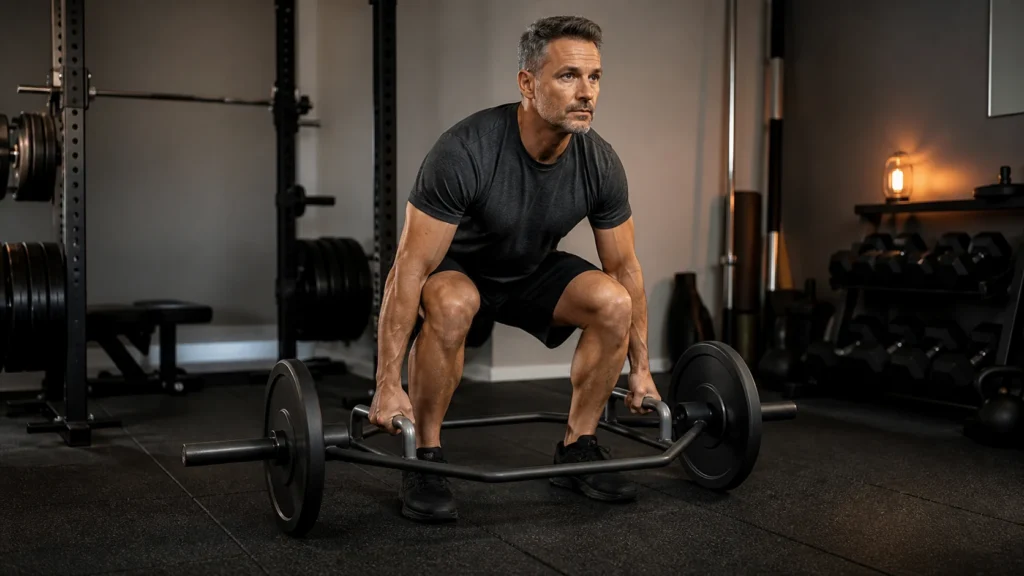
A trap bar is not a magic safer deadlift. It is a different tool: the load sits around the body, the grip is neutral, and many lifters can use more knee bend and a more upright torso than with a straight bar.
That can make the movement easier to learn or tolerate, but the right bar still needs to fit your stance and plates. PrimeForMen prioritizes geometry, sleeve space, handle quality, balance, and loading convenience over inflated capacity claims.
How We Evaluated the Category
We evaluated current US Amazon listings, published geometry, frame style, handle options, plate compatibility, load claims, and practical home-gym ownership. We did not physically load-test every bar. Confirm actual bar weight, usable sleeve length, handle diameter, warranty, and shipping condition for the exact listing you buy.
Our shortlist is a researched buying framework, not a claim that PrimeForMen personally stress-tested every unit. We separate verified listing details from editorial judgment, avoid invented durability claims, and recommend checking the exact seller, variant, return terms, and current manual before purchase.
| Pick | Best for | Why it fits | Important limit |
|---|---|---|---|
| Sunny Health & Fitness Olympic Hex Trap Bar | Best rotating-handle option | For lifters who want multiple handle positions and Olympic-plate compatibility in a home-gym-oriented closed hex bar. | Confirm sleeve length before assuming all your bumper plates will fit. |
| PROIRON Olympic Trap Bar | Best conventional value pick | For straightforward deadlifts, shrugs, and carries without paying for a premium open-frame design. | Check bar weight, overall width, and handle diameter rather than assuming standard dimensions. |
| CAP Olympic Trap and Shrug Bar | Best familiar budget format | For buyers who want an accessible raised-handle hex bar for moderate home training and already own Olympic plates. | Treat the listed capacity as a ceiling, not a reason to ignore weld and sleeve inspection. |
Amazon.com Shortlist
Three Current Options Worth Comparing
Each card solves a different buyer problem. Prices, sellers, configurations, and availability can change; verify the exact listing before checkout.

Sunny Health & Fitness Olympic Hex Trap Bar
For lifters who want multiple handle positions and Olympic-plate compatibility in a home-gym-oriented closed hex bar.
- Rotating handle choices can help match start height and grip preference.
- Closed frame works well for deadlifts, shrugs, and carries in a fixed footprint.
- Confirm sleeve length before assuming all your bumper plates will fit.

PROIRON Olympic Trap Bar
For straightforward deadlifts, shrugs, and carries without paying for a premium open-frame design.
- Dual-height handles make the start position easier to scale.
- A conventional frame is simple to learn and store against a wall.
- Check bar weight, overall width, and handle diameter rather than assuming standard dimensions.
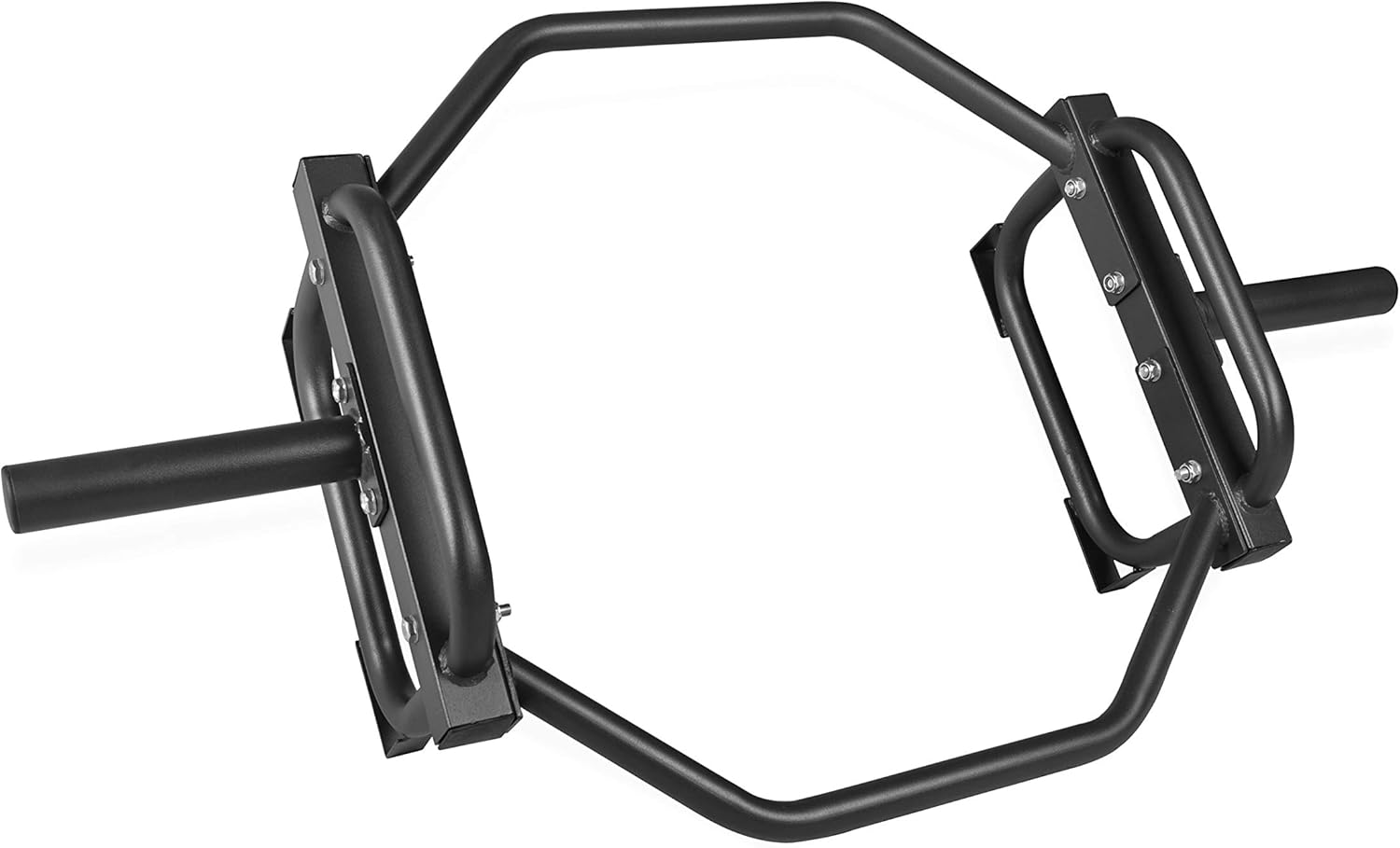
CAP Olympic Trap and Shrug Bar
For buyers who want an accessible raised-handle hex bar for moderate home training and already own Olympic plates.
- Raised handles reduce range of motion when floor pulls are not yet comfortable.
- Useful for controlled deadlifts, loaded carries, and shrug variations.
- Treat the listed capacity as a ceiling, not a reason to ignore weld and sleeve inspection.
* As an Amazon Associate, PrimeForMen may earn from qualifying purchases. Editorial fit and limitations come first.
Trap Bar Decision Map
Four specifications decide whether the bar will be used weekly or become awkward wall storage.
Frame
Closed for value and simplicity; open for lunges, carries, and easier loading.
Handles
Low and raised positions that match your range of motion and grip.
Sleeves
Enough usable length and correct diameter for your existing plates.
Storage
Bar weight, balance, rackability, and a safe place off the floor.
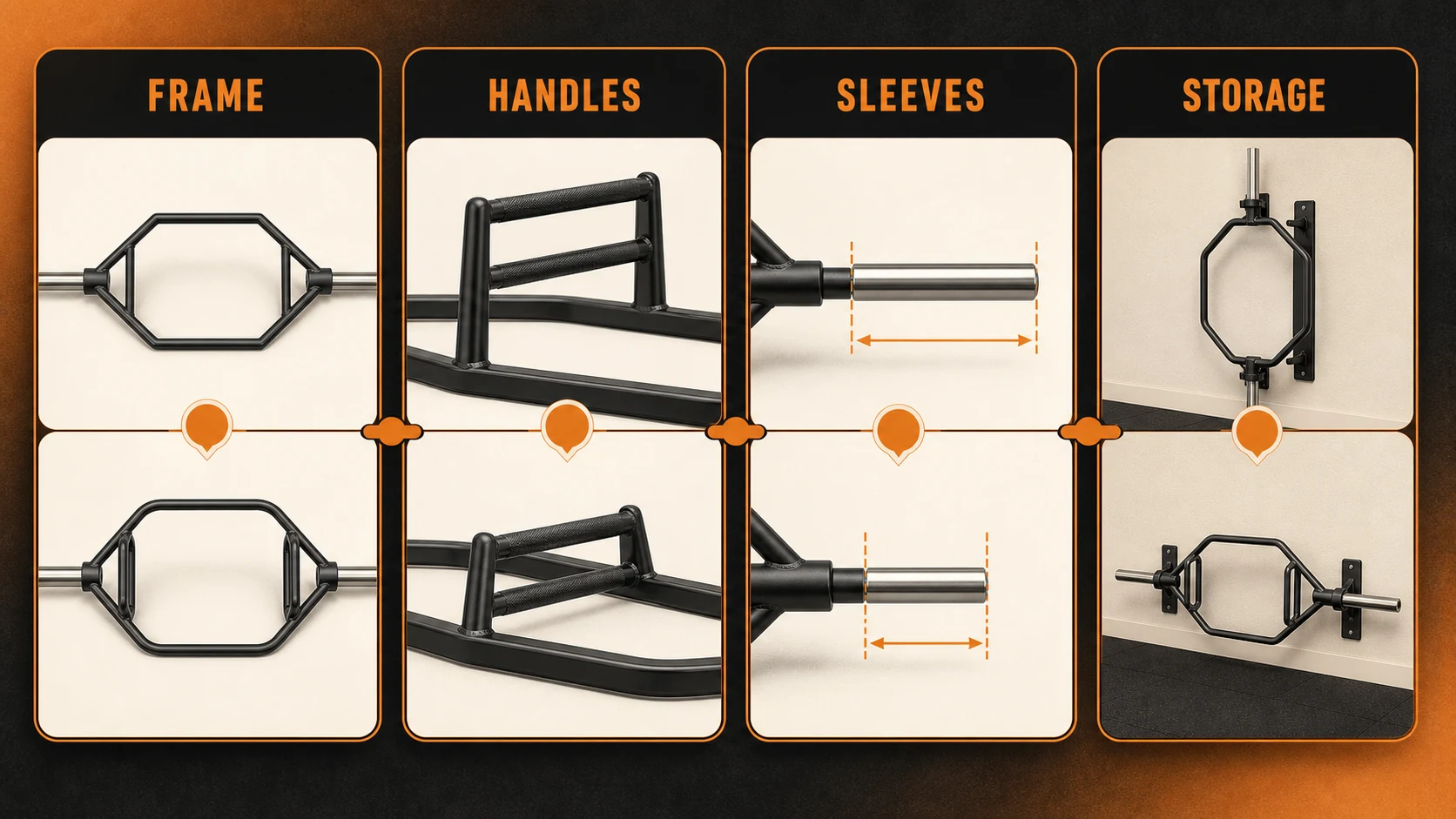
Open Trap Bar vs Closed Hex Bar
A closed hex bar surrounds the lifter. It is stable, familiar, and effective for deadlifts, shrugs, and carries, but the rear frame limits walking lunges and can make loading plates less convenient.
An open trap bar removes the rear section. That creates space for split squats, lunges, Romanian deadlifts, and carries. Many premium open bars also stand upright on their handles for easier plate loading. The cost and storage burden are usually higher, so buy that versatility only if it appears in your program.
Raised Handles vs Low Handles
Raised handles shorten the pull and can help a beginner or returning lifter maintain position while building strength. Low handles create a longer range and may demand more hip and knee mobility. Dual-handle bars let you progress between the two.
Do not assume every raised handle is the same height. A few inches can materially change the exercise. Start where you can brace, push through the floor, and finish without hitching. Then use the progression principles in our progressive overload guide.
Sleeve Length, Plates, and Real Capacity
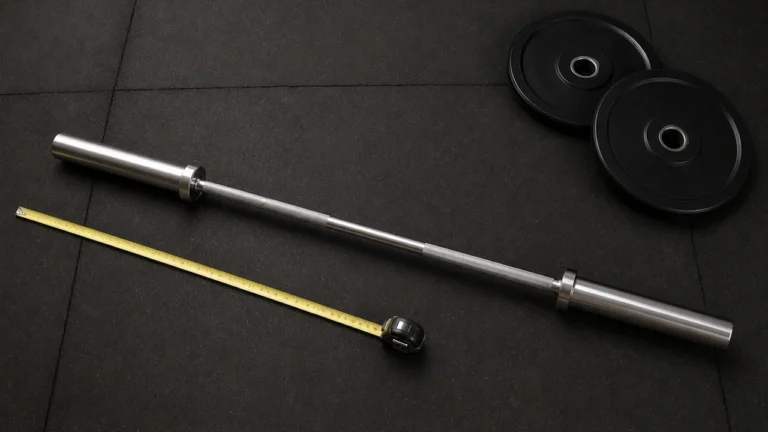
A bar can claim a high load capacity and still run out of sleeve space with thick bumper plates. Measure one plate stack and compare it with usable sleeve length, excluding collars and any taper. Also confirm whether the sleeves fit Olympic two-inch plates.
Bar weight is not universally 45 pounds. Record the actual stated weight and use the plate loading calculator accordingly. Inspect welds, handles, and sleeves on arrival before the return window closes.
Trap Bar Geometry and Training Effect
Research comparing hex-bar and straight-bar deadlifts has found meaningful differences in joint moments, force, and power, but that does not make one bar universally superior. The trap bar often allows a more knee-dominant pattern and can support high power output; the straight bar remains specific to conventional deadlifting.
Use the trap bar for the outcome it serves: accessible pulling strength, loaded carries, jump or power variations when coached appropriately, and lower-body training that fits your body. See lower-body home workouts for complementary single-leg work and powerlifting basics if competition specificity matters.
A Practical First Month
Week 1: use the raised handles, practice five sets of three controlled reps with a load that leaves several clean reps in reserve. Week 2: add a small amount of weight only if setup remains repeatable. Week 3: add carries or shrugs after the main sets. Week 4: test the low handles with a lighter load if mobility and position allow.
Grip can limit carries before the legs and trunk do. That may be useful, but if grip stops the intended training effect, compare lifting straps for men and use them selectively rather than masking poor control.
What Most Buying Guides Leave Unclear
A peer-reviewed comparison in the Journal of Strength and Conditioning Research reported different joint moments and power characteristics between straight-bar and hex-bar deadlifts. That supports treating them as related but distinct tools, not declaring one universally better.
The knowledge gap is not another list of features. It is the connection between a specification and a decision: whether the product fits your body, your room, your weekly plan, and your willingness to maintain it. That is why this guide includes who should skip the category as well as who should buy.
Conclusion
Choose a closed dual-handle hex bar for the simplest, most affordable deadlift-and-carry tool. Choose an open trap bar when lunges, easy plate loading, or a broader exercise menu justify the cost. In either case, verify geometry and sleeve space before capacity claims.
Next Step: Place This Purchase in the Full System
A trap bar works best inside a coherent strength setup. Use our essential fitness gear guide to decide whether the next dollar should go to plates, flooring, a bench, or another tool that expands the program more.
Frequently Asked Questions About Best Trap Bars For Home Gyms
Is an open trap bar better than a closed trap bar?
It is more versatile for lunges, split squats, and easier plate loading. A closed bar is usually cheaper and fully adequate for deadlifts, shrugs, and carries.
Are trap bars safer than straight barbells?
They can make a neutral grip and more centered loading easier for some lifters, but no bar removes risk. Technique, load, fatigue, equipment condition, and individual limitations still matter.
Should I use high or low trap bar handles?
Use the height that lets you brace and pull with control. Raised handles shorten the range; low handles increase it. Progress only when position remains repeatable.
How much does a trap bar weigh?
There is no universal weight. Many differ from a standard 45-pound bar, so confirm the manufacturer specification and record it for loading calculations.
Will bumper plates fit a trap bar?
Usually if the sleeves are Olympic diameter, but thick bumpers may run out of usable sleeve length. Measure your plate stack and leave room for collars.
This article provides general fitness and consumer education, not medical advice or an individualized exercise prescription. If you have pain, dizziness, chest symptoms, a recent procedure, or a condition that affects training safety, seek qualified guidance before changing exercise.
PrimeForMen may earn a commission from qualifying purchases through links in this article. That does not change our editorial standard: buyer fit, verified details, limitations, and practical value take priority.