
Compare caffeine-free drinks with decaf, check labels and allergens, and build a practical swap record without promises of instant energy.
- Caffeine-free and reduced-caffeine drinks serve different goals.
- Choose a replacement around taste, the break ritual and the label.
- Persistent tiredness needs attention beyond changing the drink.
Bottom line Choose one familiar drink occasion to review, confirm the replacement ingredients and record the actual timing and response.

Caffeine alternatives work best when they replace the part of the routine you actually want to change. Pure rooibos, a suitable caffeine-free herbal infusion, a coffee-free roasted blend or plain water can replace a beverage without adding caffeine. Decaf coffee, black or green tea, matcha and yerba mate belong in a different group because they can still supply caffeine. None is a guaranteed remedy for persistent tiredness.
Quick Summary: Caffeine Alternatives
- Choose between reducing caffeine and avoiding it; decaf is not necessarily caffeine-free.
- Check the whole ingredient list, serving size and other daily sources.
- Pick a replacement for taste, the break ritual or convenience instead of an unsupported energy claim.
- Gradual reduction can make withdrawal easier to manage; there is no universal taper schedule.
- Persistent fatigue or ongoing sleep trouble deserves assessment, even after changing drinks.
The Prime Perspective
If the afternoon coffee is mostly a chance to stand up and leave the desk, keep the break and change the drink. If you love coffee’s taste, decaf may be a better fit than an herbal powder with promises about focus. If you are exhausted every day, another stimulant will not identify the cause.
We use the PrimeForMen editorial policy to separate a product’s ingredients from claims about what it can achieve. We have not personally taste-tested these recommendations.
Caffeine-free versus lower caffeine
A switch from regular coffee to tea may reduce intake, depending on the drink and portion, but it does not remove caffeine. A blend called mushroom coffee may still list coffee first. The words herbal, clean or plant-based do not settle the question.
| Option | Caffeine question | Practical fit | Check before choosing |
|---|---|---|---|
| Pure rooibos | A naturally caffeine-free herbal infusion. | A warm tea-style break without coffee preparation. | A blend may add caffeinated tea or other ingredients; inspect the package. |
| Coffee-free roasted blend | Can be caffeine-free when the ingredients and label confirm it. | A roasted, bitter drink for someone who misses brewing coffee. | Coffee additions, barley or other allergens, preparation method and your digestive tolerance. |
| Water or sparkling water | Plain versions have no caffeine. | A cold drink with no brewing or supplement purchase. | Flavored energy waters may add caffeine; follow any individual fluid restriction. |
| Decaf coffee | Reduced caffeine, with some remaining. | Preserving coffee flavor and equipment. | The exact serving and whether even a small amount conflicts with your goal. |
| Black/green tea, matcha or yerba mate | Contain caffeine; serving and preparation matter. | A different drink when reduction is the goal. | Do not treat a calming flavor or green color as proof of zero caffeine. |
| Energy or nootropic blends | May contain caffeine or other active ingredients. | Often unnecessary for replacing a familiar drink. | Complete amounts, stimulant sources, medication compatibility and evidence behind each promise. |
The FDA explains that sensitivity and how quickly people clear caffeine vary. Its often-quoted 400 mg daily figure is an amount generally not associated with negative effects for most adults, not a target or individual clearance. Decaf coffee typically contains some caffeine. A smaller amount may still bother you or conflict with professional advice.
Choose a replacement for the job it needs to do
You want the coffee ritual
Use your existing mug and equipment where practical. Decaf is an option if reduced caffeine meets your goal. If you need a caffeine-free drink, compare coffee-free roasted blends and confirm the ingredients. Expect a different flavor rather than an exact coffee replica.
For example, a drip-coffee drinker could replace the afternoon brew while keeping the usual preparation time. That makes the routine change smaller without claiming the replacement will improve energy.
You want a warm evening drink
Consider a simple caffeine-free infusion with a short ingredient list. Pure rooibos is one option. Choose a flavor you already enjoy, and prepare it according to the package instead of assuming a medicinal-strength brew will work better.
A mug, tea bags and hot water may be all you need. An elaborate supplement latte adds cost and extra ingredients without establishing better sleep.
You want a break from the desk
Keep a drink available and take the break you had associated with coffee. A short comfortable walk or change of task can be part of that routine if suitable for you. This does not promise a measurable energy boost or replace sleep.
If missed meals are part of the pattern, arrange actual food rather than asking a flavored drink to do the job of lunch. The nutrition and supplements guide covers the broader eating context.
Check blends for caffeine, allergens and active herbs
Read both the ingredient list and the serving information. Look for coffee, tea, matcha, yerba mate, guarana or added caffeine. Cocoa also deserves attention when strict avoidance matters. A label may give an amount for one serving while the container holds several. Keep unknown amounts recorded as unknown; a long ingredient list cannot tell you the caffeine total.
Consider what you will add after brewing. Chocolate flavoring, another coffee shot or a caffeinated mixer can change the finished drink. Check added sugar and milk ingredients if they matter to your eating routine.
The NCCIH energy-drink overview warns that caffeine content varies and ingredients such as guarana can add more. An energy product advertised as natural should therefore be checked as carefully as coffee. Mixing energy drinks with alcohol creates a separate safety problem; a non-caffeinated drink is not an alcohol-safety workaround.
Herbal does not automatically mean suitable with every medicine. Licorice root, for example, can affect blood pressure and potassium and has particular risks for people with relevant heart or kidney conditions. There is no need to choose an active-herb blend just to replace an afternoon cup. Ask a pharmacist when you have medication or condition questions.
The roasted French Roast blend linked below currently lists barley and is produced on machinery that also processes almonds. A caffeine-free statement does not answer a gluten or allergy question. Read the package you receive, and choose an appropriate alternative if those ingredients or warnings matter.
Plan the drink change
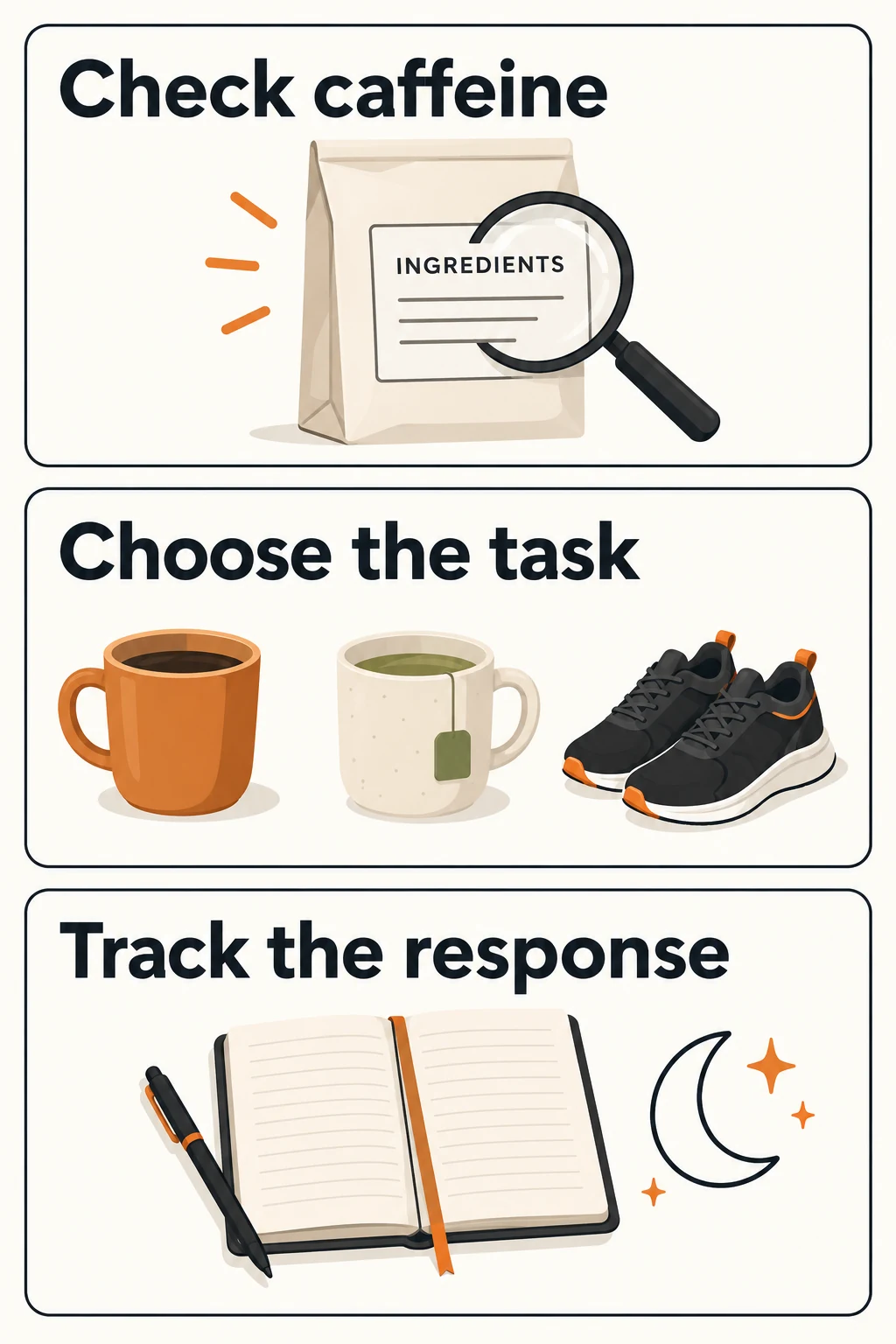
Check the caffeine information and choose what the drink needs to do, such as keep a familiar ritual or provide fluid. Record sleep and your response to the change. Decaf does not mean caffeine-free, and a caffeine-free drink does not promise the same stimulant effect.
Silent, 8.5 seconds. Open the animation directly. Playback pauses offscreen; reduced-motion preferences keep playback manual. Essential explanations remain in readable text.
Why timing and amount both matter for sleep
A fixed rule such as no caffeine after 2 p.m. does not account for different bedtimes, shift work, amounts or sensitivity. Record the actual time and portion rather than assuming a morning drink cannot affect the night.
A randomized crossover trial published in 2024 studied 23 men averaging about 25 years old who habitually consumed moderate amounts of caffeine. They received placebo or 100 mg or 400 mg at 12, eight or four hours before bedtime. The higher dose affected sleep measures even when taken much earlier, with larger disruption closer to bedtime. The 100 mg conditions did not significantly affect the measured sleep outcomes.
That smaller-dose result is not a guarantee for every person, especially someone older, more sensitive or with a different health context. The experiment also used defined doses; it does not establish how much caffeine is in your mug. Use it to understand why both amount and timing belong in the record, without converting the study into a personal safe cutoff.
If sleep is the main concern, review the routine beyond drinks. A regular sleep opportunity, a suitable room and the reason you are awake matter too. Our sleep aids guide separates routine changes from products and questions needing professional care.
Watch Mayo Clinic explain sleep hygiene
Mayo Clinic sleep specialist Lois Krahn discusses caffeine near bedtime, a regular routine and the sleep environment. The clip helps put the drink change in context; it does not prove a particular alternative improves sleep or set a caffeine cutoff for every person.
Watch the original video on YouTube if the embed does not play.
Record a manageable reduction
The Mayo Clinic reduction guidance favors gradual changes and caffeine-reduced or caffeine-free substitutions. Stopping abruptly can cause withdrawal symptoms such as headache and tiredness. Choose the pace around your actual intake and any individual advice; this article does not set a taper dose or calendar.
- Record several ordinary days, including coffee-shop sizes, tea, energy products, supplements and caffeine-containing medicines.
- Choose one repeated serving or occasion to review, such as the after-lunch coffee.
- Identify a replacement whose caffeine status fits your goal and whose ingredients suit you.
- Record the amount and timing you actually used, together with sleep and how you felt.
- Review the pattern before changing several more things. Discuss troublesome withdrawal or uncertainty with a healthcare professional.
For example, a regular coffee at breakfast and a second cup late in the afternoon are two separate occasions. Replacing the afternoon cup with confirmed caffeine-free rooibos preserves the break. It does not require banning the morning cup, and it does not prove that every sleep change came from the substitution.
Keep other changes visible. A harder training week, travel, unusual work hours or a missed meal can affect how you feel during the same period. The rest and recovery guide can help you review the training side of the routine.
Match the replacement to your routine
Choose the occasion and the replacement label. The result helps organize a change to review. It does not calculate a safe caffeine amount, prescribe a taper or diagnose tiredness.
Choose whether the goal is reduction or avoiding caffeine. Decaf belongs in reduction; confirm the label for caffeine-free options. If caffeine information is unclear, keep it unknown. Persistent fatigue, symptoms or restrictions need individual guidance.
When a new drink is not enough
The NHS recommends assessment when tiredness lasts a few weeks without a clear reason, affects daily life or comes with other symptoms. Unintended weight loss, mood changes, or reported gasping and choking during sleep are examples worth discussing. A clinician may consider causes that changing caffeine cannot identify.
Do not assume fatigue means low testosterone, a vitamin deficiency or a need for adaptogens. These are not interchangeable explanations. Describe the timing, duration and effect on daily activities, and bring your medicine and supplement list. Our multivitamins for men guide discusses a separate supplement decision; a multivitamin does not establish the cause of tiredness.
If you are struggling to stay awake while driving or operating equipment, stop the activity and arrange a safe alternative. A drink, short walk or new supplement cannot be relied on to make that situation safe. Acute chest pain, fainting or severe breathing difficulty needs urgent help rather than a caffeine experiment.
Keep your review with you
Use the eight-field routine sheet to record the original drink, verified replacement, timing and observations. Keep unknown amounts blank or mark them unknown. Fill and save the PDF, or print it; this is a record, not a safe-dose or taper calculator.
Download my caffeine routine and replacement record (fillable PDF). The helper print button creates a separate record with your current choices, notes and checkmarks.
These choices cover a pure herbal infusion, a roasted caffeine-free brew and reduced-caffeine coffee for compatible pod equipment. They are alternatives, not an energy stack. Taste is personal, existing suitable drinks are enough, and none is recommended as treatment for insomnia or fatigue.
Affiliate Disclosure: PrimeForMen may earn a commission from qualifying Amazon purchases at no extra cost to you. The choices reflect verified product identity and practical fit; we have not personally tested their taste or measured their caffeine.
Optional drinks for your caffeine goal
Choose tea bags, a ground roasted blend or decaf pods according to your caffeine goal and brewing equipment. We have not independently tested these products.
* As an Amazon Associate, PrimeForMen earns from qualifying purchases. Check the exact selected product, current label and suitability before ordering.
Best for: For a caffeine-free tea-style break with a simple ingredient list. Skip if you dislike rooibos or already have a suitable caffeine-free infusion; check individual ingredient suitability. Current Amazon listing: Twinings Pure Rooibos Red Herbal Tea Individually Wrapped Bags, 20 Count (Pack of 1), Sweet with Uplifting Aroma, Naturally Caffeine-Free, Enjoy Hot or Iced, 20 Teabags Best for: For a caffeine-free roasted brew using suitable coffee-style equipment. Skip if barley or almond processing warnings conflict with your needs, or chicory does not suit your digestion. Current Amazon listing: Teeccino French Roast Chicory Coffee Alternative - Caffeine-Free Grnd 11 Oz Best for: For keeping coffee preparation when reduced caffeine meets the goal. Skip for strict caffeine avoidance or if your brewer is not confirmed compatible; a compatible drink you already own is enough. Current Amazon listing: San Francisco Bay DECAF French Roast K-Cup Compatible Coffee Pods, 36 ct * As an Amazon Associate, PrimeForMen earns from qualifying purchases.Recommended Products

Twinings Pure Rooibos tea bags, 20 count
View on Amazon

Teeccino French Roast ground blend, 11 oz
View on Amazon
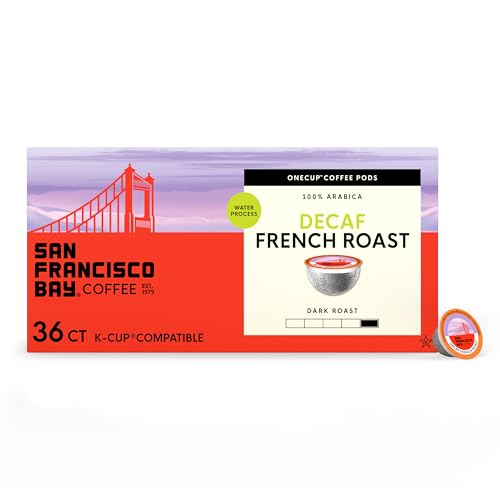
San Francisco Bay Decaf French Roast pods, 36 count
View on Amazon
Conclusion
Choose caffeine alternatives by the amount you want to reduce, the occasion you want to keep and the actual label. Pure rooibos or an appropriate coffee-free blend can serve a caffeine-free goal; decaf belongs in a reduction plan. Track the change without expecting a drink to diagnose fatigue or guarantee better sleep.
Use supplement recommendations to check a separate ingredient question before buying an energy blend. If tiredness persists, bring the routine record to a qualified healthcare professional.
Frequently asked questions about caffeine alternatives
Is decaf coffee completely caffeine-free?
No. Decaf usually retains some caffeine. It can suit reduction, but it may not fit strict avoidance or your individual advice. Check the actual serving and product information.
Are matcha and yerba mate caffeine alternatives?
They are alternatives to coffee, but they contain caffeine. Treat them as different caffeinated beverages, not as caffeine-free replacements. Amounts depend on preparation and serving.
Can a caffeine-free drink give me the same energy as coffee?
You should not expect the same stimulant effect. A replacement can preserve the taste or break ritual. Persistent tiredness needs attention to its cause, not a promise of equivalent energy from herbs.
Should I stop caffeine all at once?
Gradual reduction can make withdrawal easier to manage. Choose a change based on actual intake and any professional advice. There is no single taper schedule that fits everyone.
Are all herbal coffee substitutes gluten-free?
No. Some contain barley, rye or other ingredients that matter for gluten avoidance or allergies. Check the exact formula and package warnings; a caffeine-free claim does not establish allergen suitability.
Medical Disclaimer: This article is general education and does not diagnose fatigue, treat sleep disorders or establish a safe caffeine amount for you. Discuss persistent symptoms, medication interactions and individual restrictions with a qualified healthcare professional. Seek urgent help for severe or acute symptoms.