
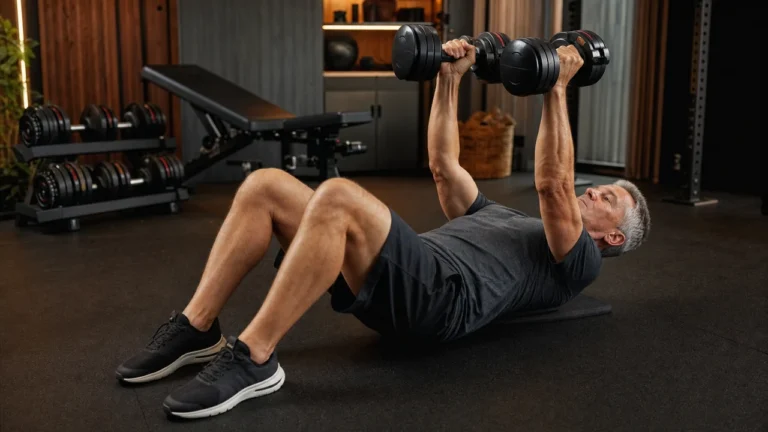
Follow a joint-friendly full-body dumbbell workout after 50 with three training days, substitutions and simple progression rules.
- Train the full body on three non-consecutive days.
- Choose neutral grips and supported variations when useful.
- Add reps before weight and keep most sets shy of failure.
Bottom line One adjustable pair and a repeatable progression rule can support months of productive full-body training.
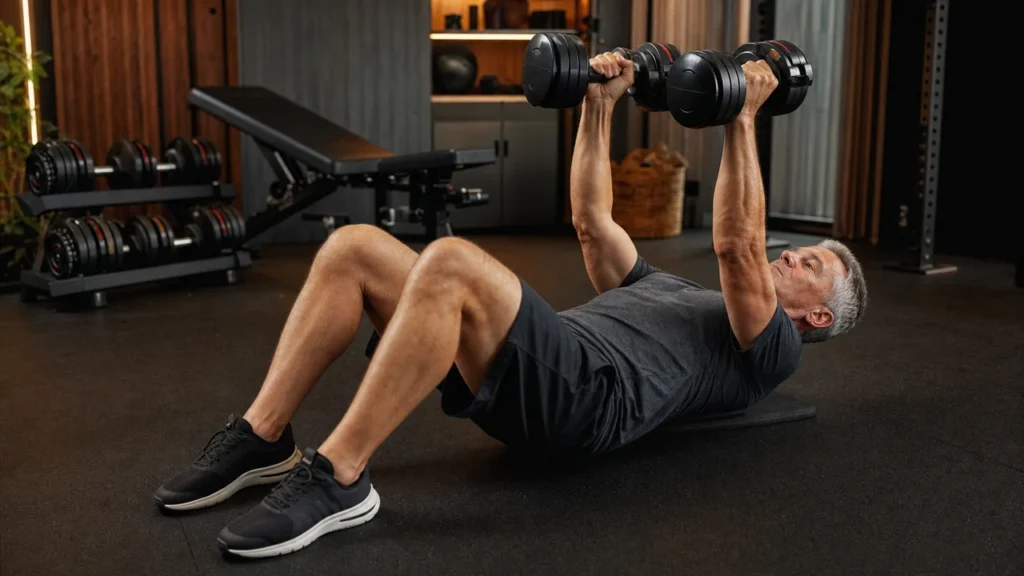
A dumbbell workout for men over 50 should cover a squat, hinge, push, pull, single-leg pattern, and carry across three non-consecutive days. Start with loads that leave two to three clean reps available, use joint-tolerant grips and ranges, and add reps before moving to a heavier setting.
Quick Summary: Dumbbell Workout for Men Over 50
- Use six movements per session and train on non-consecutive days.
- Start with two work sets; add a third only when recovery is stable.
- Neutral grips, floor presses, supported rows, and box squats are options—not mandatory age rules.
- Progress to the top of the rep range before increasing weight.
- Reduce volume when warm-up performance and recovery clearly decline together.
The Prime Perspective
Dumbbells are valuable because they are adjustable, not because they are automatically safer than barbells. The right exercise is the one you can set up, control, load, and repeat without turning every session into a joint test.
Use this plan as the strength component of the broader fitness for men over 50 system rather than treating one tool as the entire week.
What You Need—and What You Do Not
A useful home setup is one adjustable pair or several fixed pairs, clear floor space, and a stable surface. An adjustable bench expands pressing and supported-row options, but a floor press and standing movements can cover the program without one.
If you are still deciding what to buy, compare mechanisms and usable load ranges in the adjustable dumbbell buyer guide. If you already own weights, skip the shopping loop and start with the plan below.
Three Practical Dumbbell-Training Upgrades
Buy only the item that removes a real constraint. These are setup choices, not requirements for making progress.
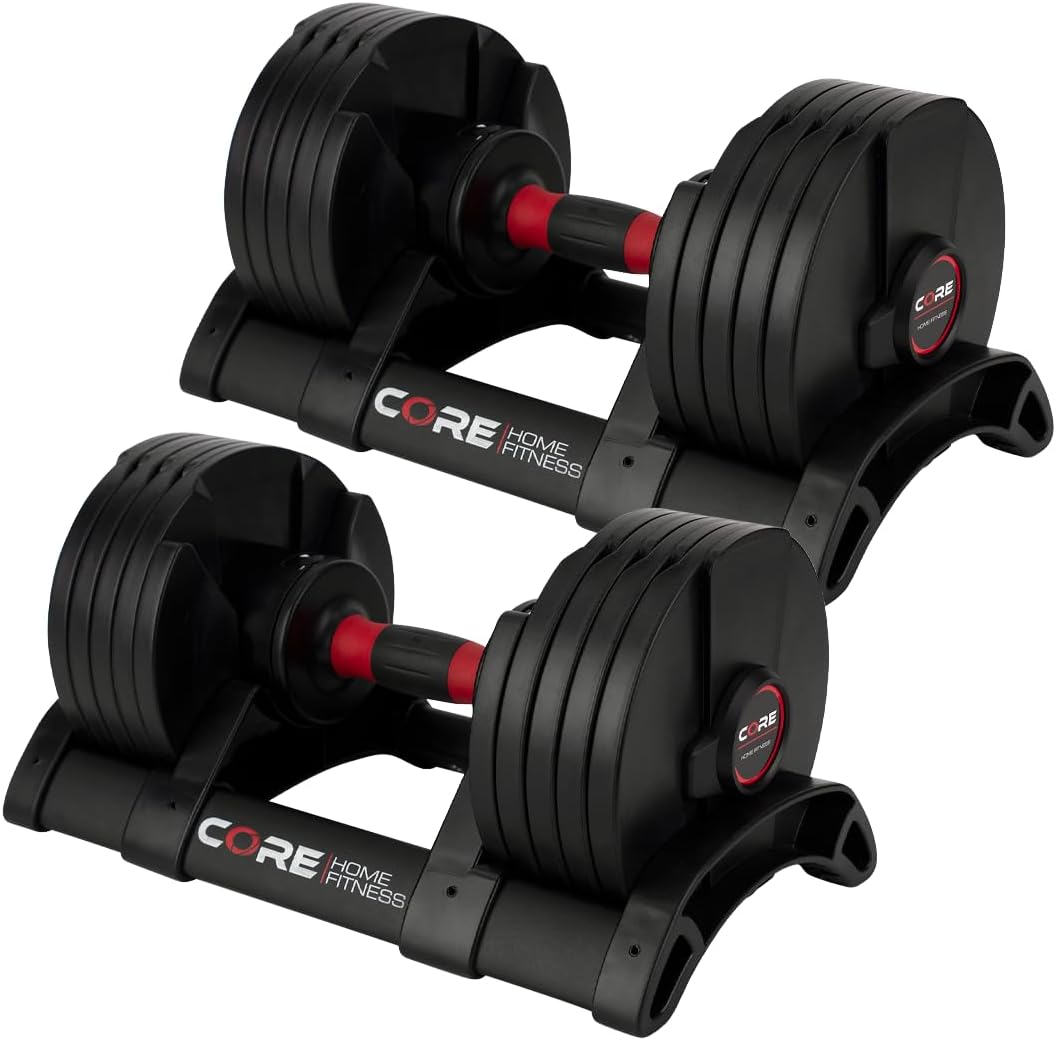
Core Home Fitness Adjustable Dumbbells
Best when one compact pair must cover light accessories and progressively heavier compound lifts.
- Five-to-50-pound range fits many home programs.
- Fast changes reduce friction between exercises.
- Compact footprint replaces several fixed pairs.
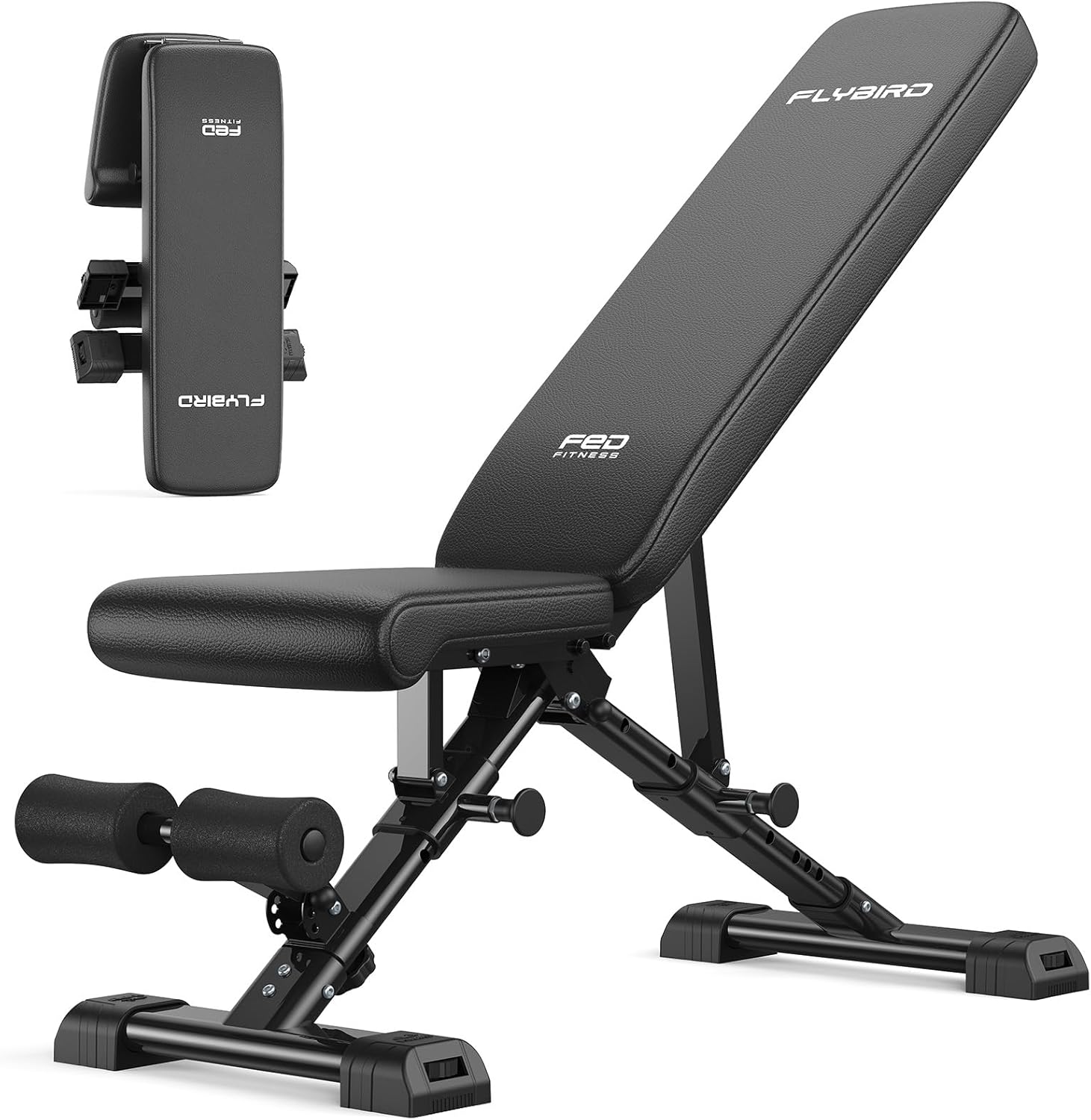
FLYBIRD Adjustable Weight Bench
Best when supported rows and several pressing angles make your dumbbell setup more complete.
- Creates stable incline and supported positions.
- Folds for smaller training spaces.
- Adds useful options without requiring a rack.
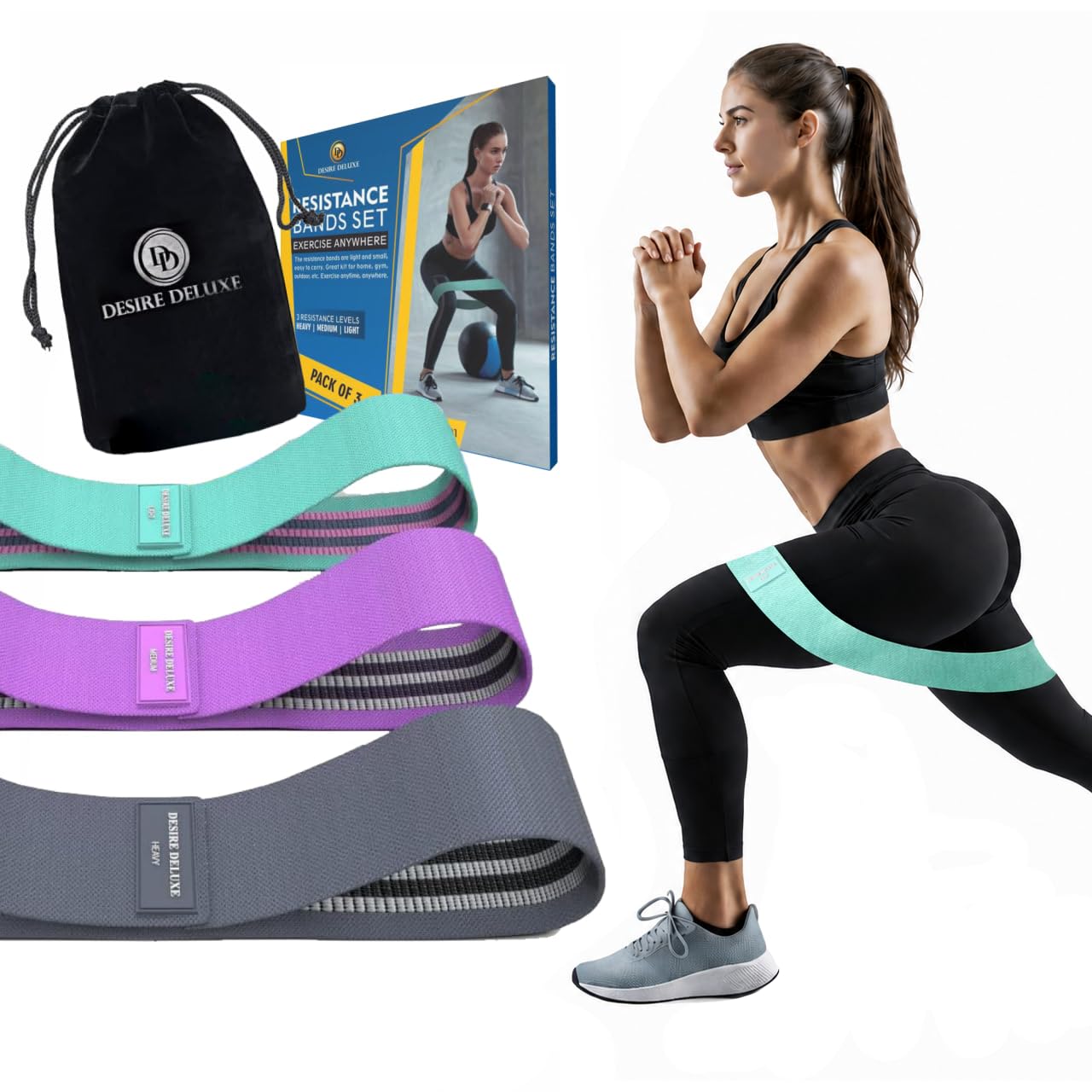
Mini Resistance Band Set
Best for warm-ups, lighter accessory work, travel, and adding resistance where dumbbells feel awkward.
- Useful for shoulder and hip preparation.
- Supports higher-rep accessory exercises.
- Easy fallback when the full setup is unavailable.
* As an Amazon Associate, PrimeForMen earns from qualifying purchases. Availability, pricing, and product details can change.
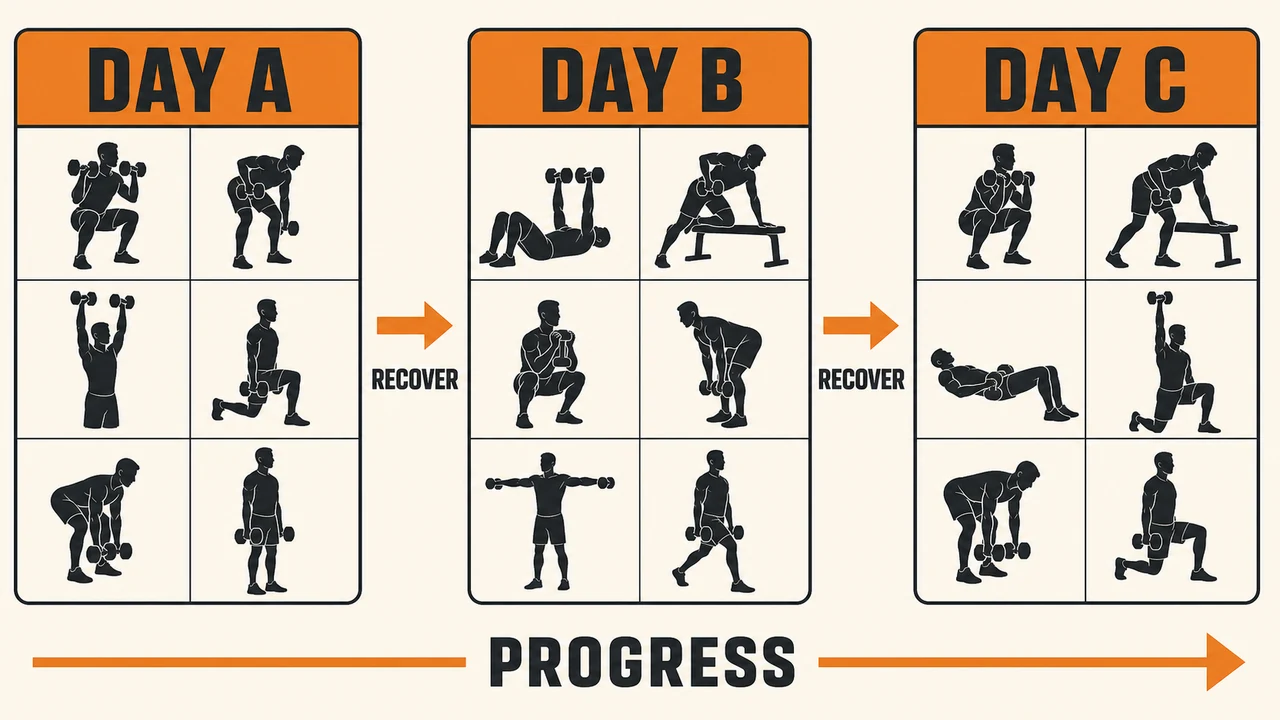
The Three-Day Full-Body Dumbbell Workout
| Day | Exercise | Sets x reps | Effort |
|---|---|---|---|
| Day A | Goblet squat to comfortable depth | 2-3 x 6-10 | 3 RIR |
| Neutral-grip floor press | 2-3 x 8-12 | 2-3 RIR | |
| One-arm supported row | 2-3 x 8-12 each | 2 RIR | |
| Dumbbell Romanian deadlift | 2 x 8-12 | 3 RIR | |
| Split squat with support | 2 x 6-10 each | Controlled | |
| Farmer carry | 3 x 30 sec | Tall posture | |
| Day B | Dumbbell deadlift | 2-3 x 6-10 | 3 RIR |
| Seated neutral-grip press | 2-3 x 6-10 | 3 RIR | |
| Chest-supported row | 2-3 x 8-12 | 2 RIR | |
| Reverse lunge or step-up | 2 x 6-10 each | Controlled | |
| Incline push-up | 2 x 8-15 | 2 RIR | |
| Suitcase carry | 3 x 20-30 sec each | No leaning | |
| Day C | Goblet box squat | 2-3 x 8-12 | 2-3 RIR |
| Incline or floor press | 2-3 x 8-12 | 2 RIR | |
| One-arm row with pause | 2-3 x 8-12 each | 2 RIR | |
| Single-leg supported RDL | 2 x 6-8 each | Control first | |
| Lateral raise | 2 x 10-15 | 3 RIR | |
| Dead bug | 2 x 6-8 each | No arching |
Why This Is a Full-Body Plan
Each day includes knee-dominant leg work, a hip hinge, an upper-body push, an upper-body pull, and either single-leg training or loaded carries. That repeated exposure matters more than chasing a separate “chest day” or “arm day” when you train only three times per week.
The exercise order also has a purpose. The most coordination-heavy lower-body movement comes first, pressing and pulling receive priority while you are fresh, and carries or core work finish the session. If one joint or movement needs special attention, place its pain-free alternative earlier rather than adding a long corrective circuit at the end.
For More Upper Body
Add one set to the press and row before adding another exercise. Keep weekly push and pull volume balanced.
For More Legs
Add one set to the squat or hinge on only one day. Watch soreness and next-session performance.
For Short Sessions
Perform the first four movements. Alternate carries and core work between sessions instead of rushing all six.
Rest Periods and Session Length
Rest about 90-150 seconds after squats, hinges, presses, and rows. Use 60-90 seconds for lateral raises, core work, and easier accessories. A full session usually takes 45-65 minutes. Shorter rest is not automatically better; it can turn strength work into conditioning before the target muscles receive a useful load.
Pair only exercises that do not compete, such as a floor press with a supported row or a lateral raise with a dead bug. Avoid pairing two demanding lower-body movements when balance or breathing makes technique less reliable.
Choose Your First Weight
Use a light warm-up set, then increase until the final planned rep feels as though you could complete about three more clean reps. That is approximately 3 RIR. Keep that load for the first week. Returning lifters should not use old personal records as the starting point.
The NSCA position statement on resistance training for older adults supports progressive, individualized resistance training rather than treating age as a reason to avoid meaningful loading. The exact starting dose should still reflect current training history and health context.
What Most Dumbbell Plans Miss
The limiting muscle and the limiting joint are not always the same. Your chest may have more reps available while a shoulder dislikes the grip or range. Change the angle, grip, support, or range before declaring the entire movement pattern off limits.
Joint-Tolerant Substitution Matrix
| If this feels wrong | Try first | Then consider |
|---|---|---|
| Goblet squat | Use a box and reduce depth | Supported split squat or step-up |
| Overhead press | Neutral grip and lower incline | Floor press or incline push-up |
| Unsupported row | One hand supported | Chest-supported row |
| Romanian deadlift | Shorten range and slow the descent | Dumbbell deadlift from blocks |
| Reverse lunge | Use external support | Low step-up or split squat hold |
For more home-only variations, use the dumbbell-only home workout plan. The new 50+ page remains the progression and recovery layer.
Double Progression Without Guesswork
- Start at the bottom of the listed rep range.
- Add one rep per set while keeping the target RIR.
- When every set reaches the top, increase the dumbbell by the smallest useful amount.
- Return to the bottom of the range and repeat.
If a large adjustable-dumbbell jump breaks the target, keep the old load and add a slower lowering phase or one additional rep. The broader strength training after 50 guide explains when to hold, regress, or deload.
The Low-Recovery Version
When sleep is poor, soreness is unusual, or warm-up performance is clearly down, complete the first four movements for two sets at 3-4 RIR. Skip carries and accessories. One reduced session protects the week better than forcing full volume and losing several days.
You can also personalize the schedule with the workout plan builder for men over 50 or match the equipment to your space using the home gym equipment finder.
Your First Session
- Build a five-minute warm-up around the first squat, press, and hinge.
- Use two work sets for every movement.
- Write down load, reps, and estimated RIR.
- Stop each set when technique changes—not after it changes.
- Repeat the same exercise choices for at least four exposures.
Conclusion
A dumbbell workout for men over 50 works when it is full-body, repeatable, and easy to progress. Use three non-consecutive days, keep most sets shy of failure, adapt exercises to your structure and tolerance, and let performance across several weeks—not one heroic workout—drive the next load increase.
Connect This Plan to the Complete System
Use the Fitness for Men Over 50 pillar to place this dumbbell plan beside cardio, mobility, nutrition, and recovery.
Frequently Asked Questions About Dumbbell Workouts for Men Over 50
Can men over 50 build muscle with dumbbells?
Yes. Muscle responds to sufficient tension, effort, recoverable volume, nutrition, and consistency. Dumbbells can provide all the resistance many men need.
How heavy should my dumbbells be?
Heavy enough that the target rep range ends with roughly two to three clean reps available. Different exercises will require different loads.
Is three dumbbell workouts per week too much?
Not when volume is controlled and days are non-consecutive. Start with two sets per exercise and add work only if performance and recovery support it.
Do I need an adjustable bench?
No. Floor presses, standing movements, supported rows, and split squats can create a complete program. A bench adds options and convenience.
Should I train to failure with dumbbells?
Not routinely. Stop most sets with one to three clean reps available, especially on exercises where setup, balance, or joint tolerance can deteriorate.
Affiliate Disclosure: PrimeForMen may earn a commission from qualifying Amazon purchases at no additional cost to you. Recommendations are based on program fit, not guaranteed results.
Medical Disclaimer: This guide is general education and does not replace individualized medical or rehabilitation advice. Seek qualified guidance for persistent pain, recent surgery, uncontrolled cardiovascular conditions, dizziness, fainting, or new neurological symptoms.