
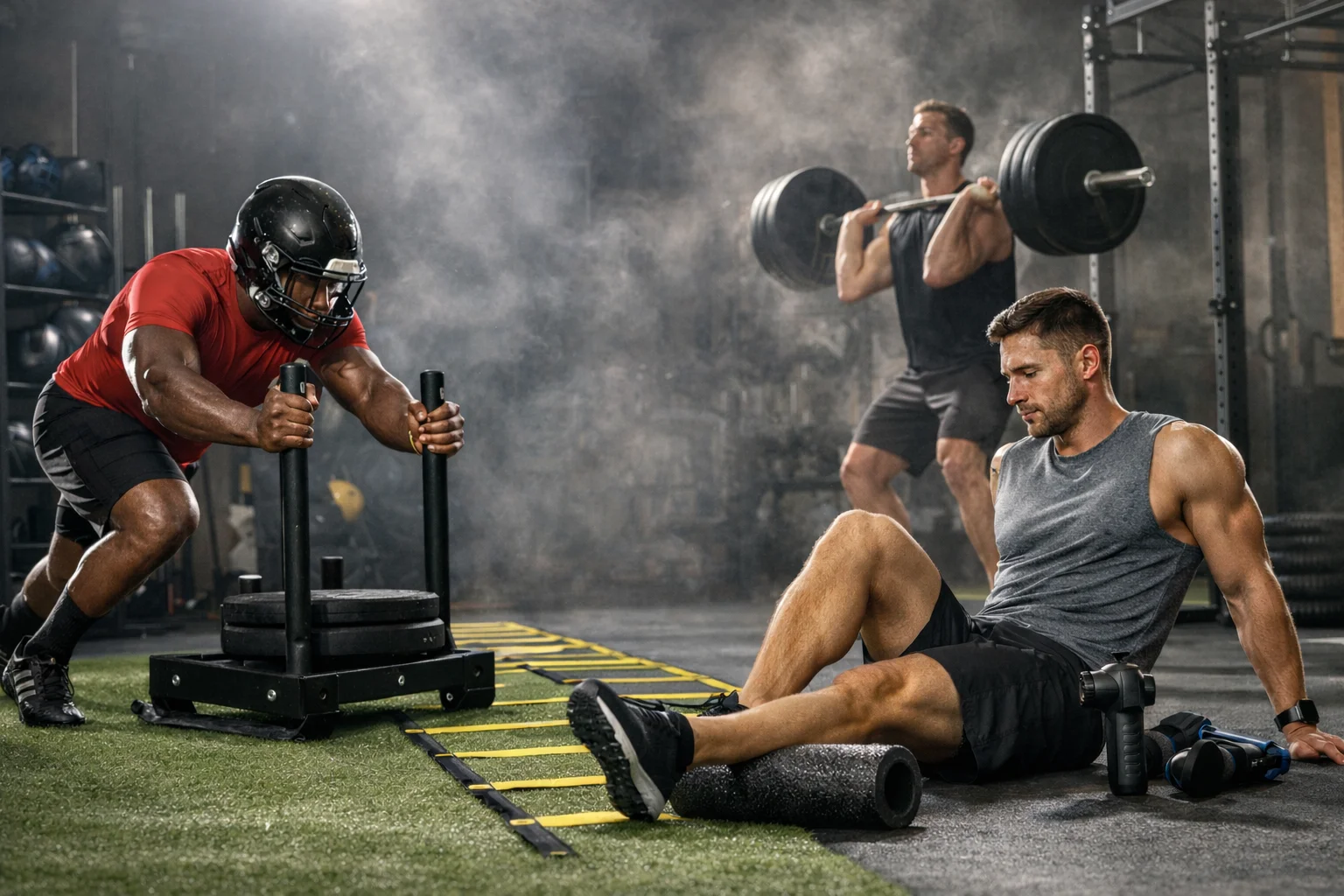
Ultimate Sport-Specific Training
Elite athleticism is built on specificity. Discover the training protocols used by high-performance athletes to synchronize power, agility, and recovery.
The Athletic Performance Matrix
To dominate your sport, you must understand your primary energy systems and movement planes. This matrix categorizes the physiological demands of different athletic disciplines, allowing you to prioritize the correct training variables.
| Sport Type | Target Biomotor | Energy System | Load Profile | Recovery Cycle |
|---|---|---|---|---|
| Power Sports | Force Velocity | Anaerobic Alactic | High intensity | Full (3-5m) |
| Team Agility | Reactive Agility | Anaerobic Lactic | Mixed Interval | Partial (60s) |
| Combat Sports | Repeated Power | Mixed Hybrid | Time-Under-Tension | Active Recovery |
| Endurance | Efficiency | Aerobic | Low Tension | Minimal |
Field and Court Domination
Field and court sports require a unique mastery of deceleration and multi-planar explosion. Success is often determined by the first 5-10 yards. Our guides cover everything from gridiron strength to the rotational power needed for the diamond.

Football Training
View Guide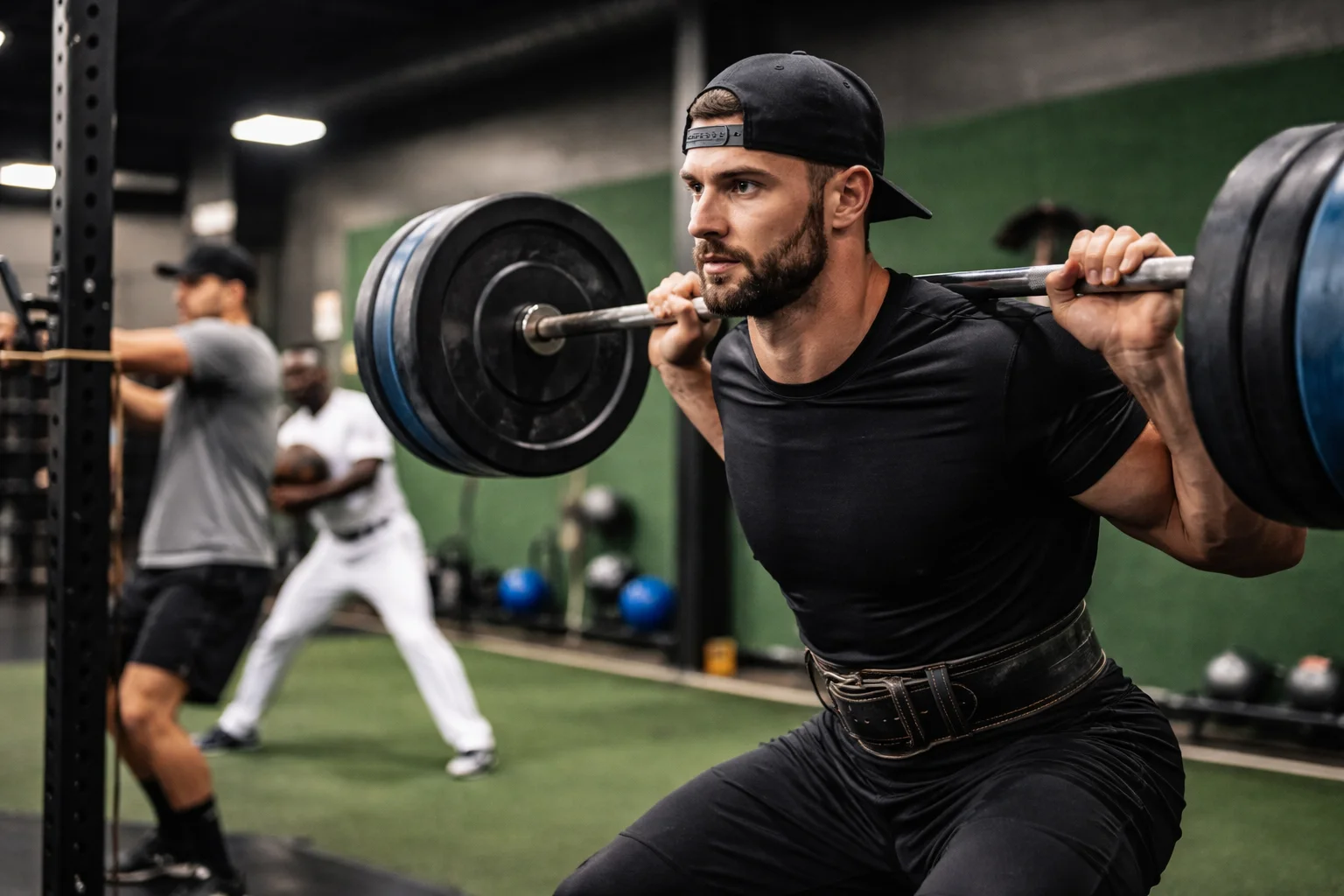
Baseball Off-Season
View Guide
Baseball Workouts
View Guide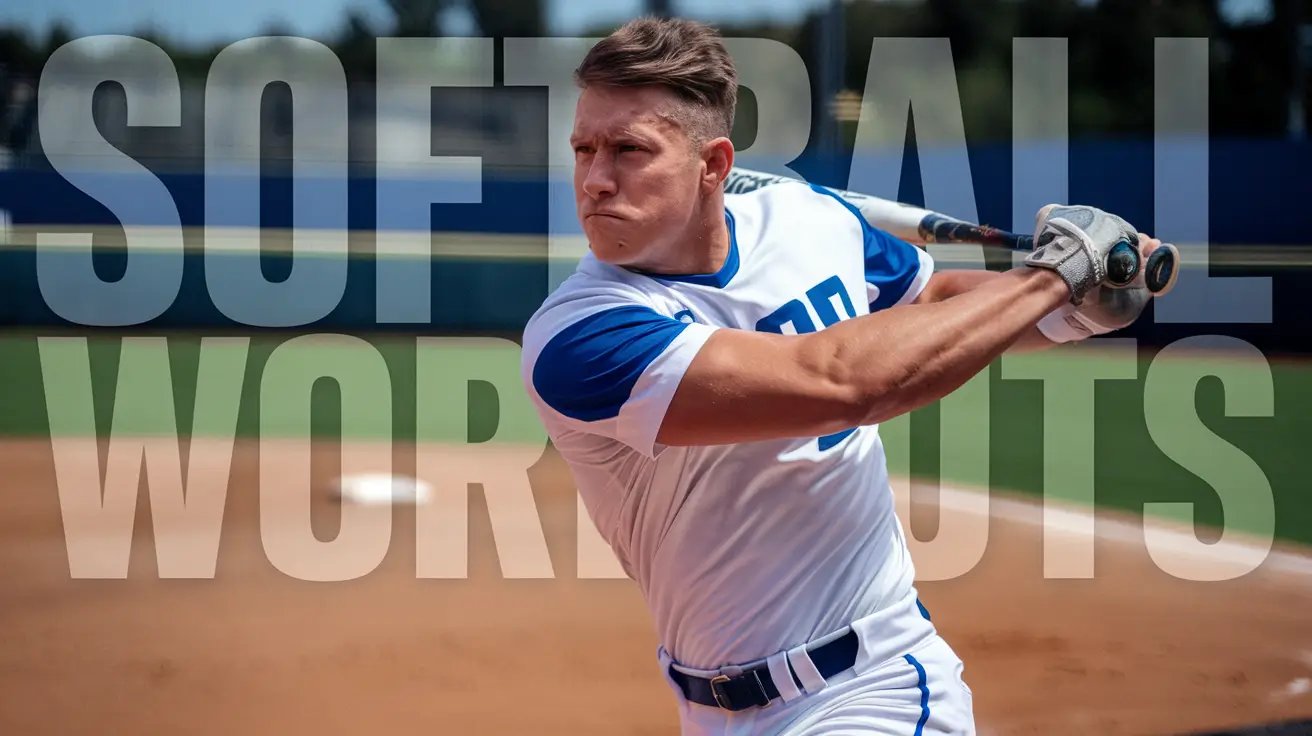
Softball Mastery
View Guide
Basketball Agility
View Guide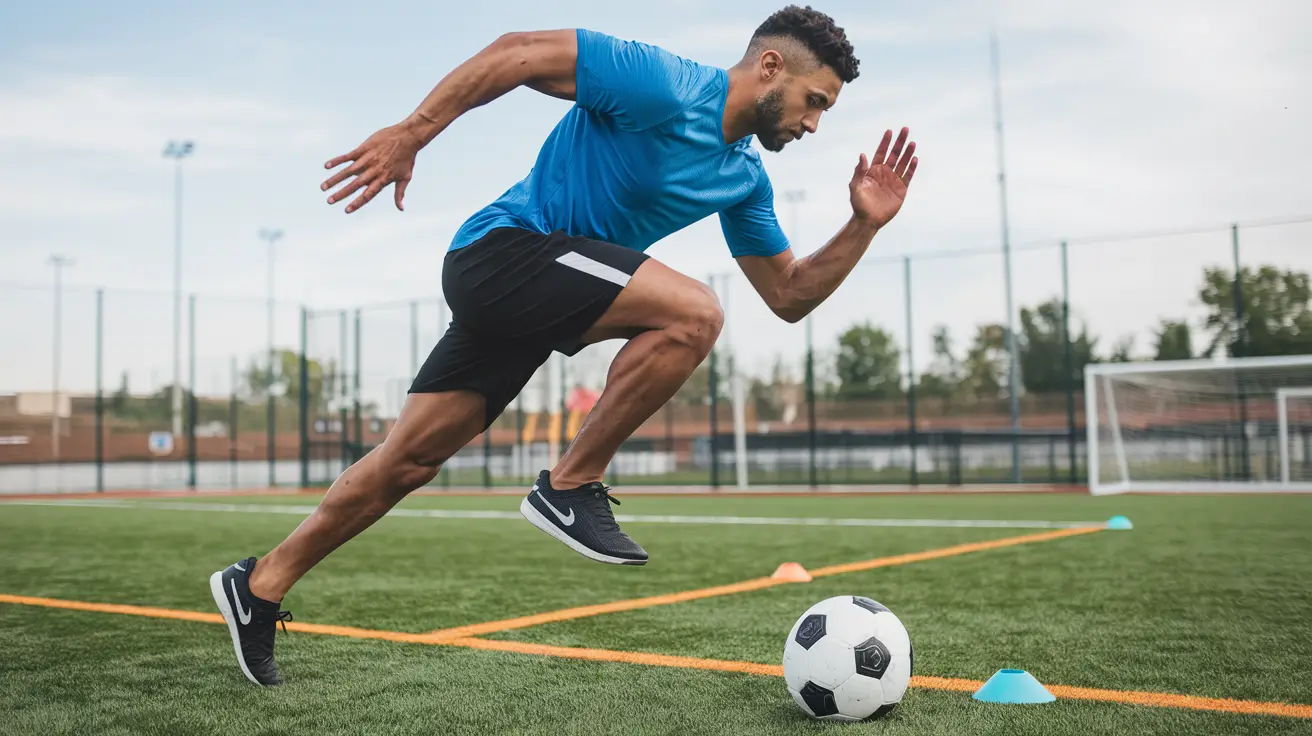
Soccer Conditioning
View Guide
Volleyball Training
View Guide
Rugby Specifics
View Guide
Elite Agility Kit
Target: First-Step Quickness and Deceleration Power
Field sports are won in the transitions. This agility ladder and speed cone set is a non-negotiable tool for athletes training to improve their foot speed and reactive agility.
Buy on AmazonCombat and Martial Arts
Combat sports demand a hybrid energy profile: the ability to maintain isometric tension while executing high-velocity strikes. Our combat training guides bridge the gap between wrestling strength and aerobic stamina, ensuring you never “gas out” in the late rounds.

MMA Domination
The definitive guide to hybrid fighter conditioning.
Full Protocol →
Boxing Performance
Build the power and engine needed for twelve rounds.
Full Protocol →
Martial Arts Fitness
Functional strength and flexibility for the modern martial artist.
Full Protocol →
High-Density Striking Pads
Target: Striking Precision and Anaerobic Conditioning
Building sport-specific power requires impact. These professional-grade Thai pads are essential for fighters refining their accuracy and cardiovascular threshold.
Buy on AmazonEndurance and Racing Performance
Endurance athletes often fall into the trap of over-prioritizing volume over movement efficiency. Our racing protocols focus on structural integrity and energy economy, ensuring you can maintain a high-velocity output for longer periods without mechanical breakdown.

Runner’s Training
View Guide
Distance Track Work
View Guide
Cycling Specifics
View Guide
Swimming Plans
View Guide
Triathlon Tips
View Guide
Rowing Specific
View Guide
Essential Row Workout
View Guide
High-Density Recovery Roller
Target: Myofascial Release and Tissue Integrity
Overuse is the standard risk for the racing athlete. Daily rolling is critical for maintaining mechanical efficiency and preventing chronic inflammatory issues like IT band syndrome or runner’s knee.
Buy on AmazonPrecision Stability and Sport Core
Not all sports are played at 100mph. Precision sports like golf and archery require extreme unilateral stability and micro-muscle control. These guides explore how the core acts as a “power transfer” hub and how to refine your stability for high-precision output.

Golf Performance
View Guide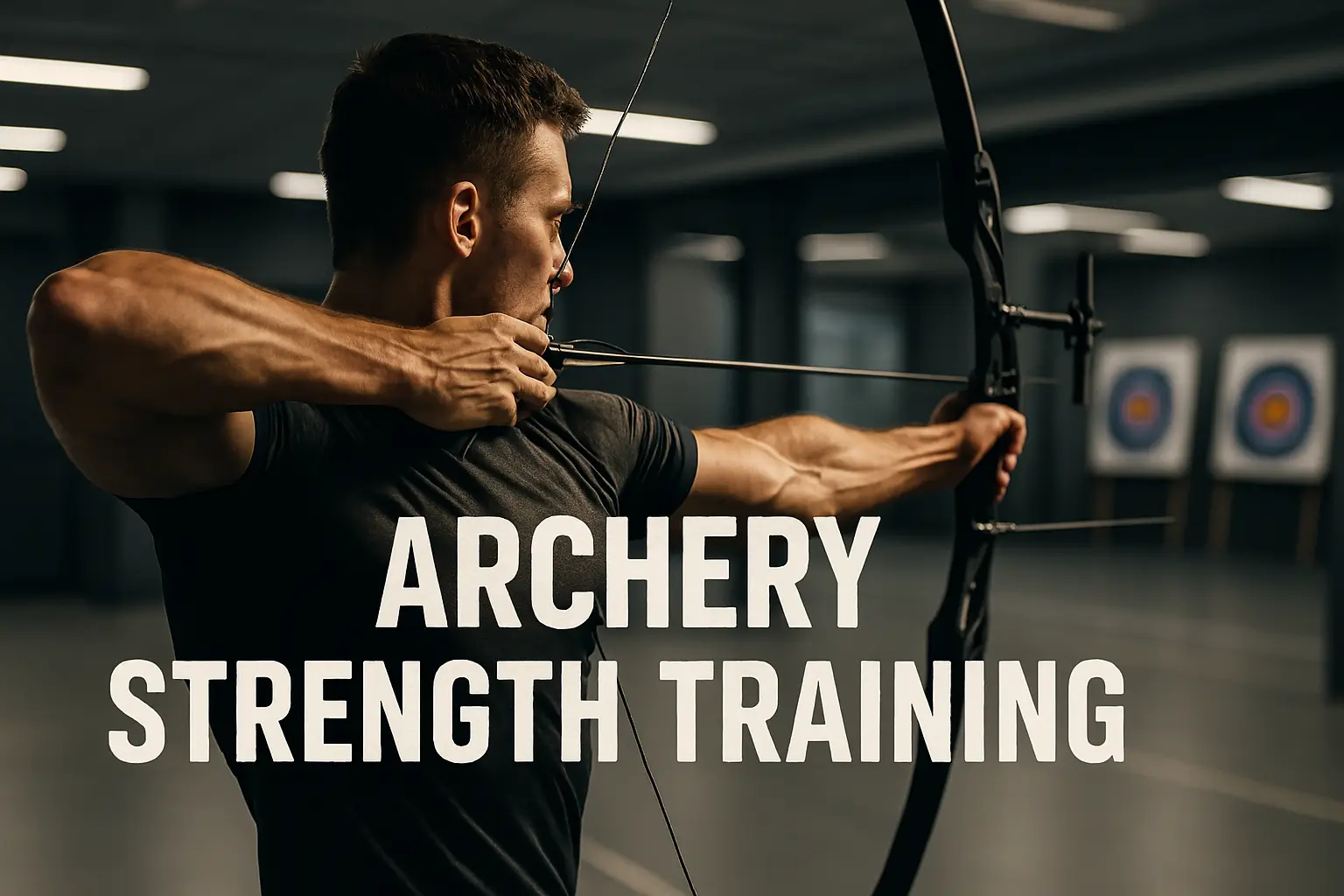
Archery Strength
View Guide
Core for Runners
View Guide
Core for Swimmers
View Guide
Performance Slam Ball
Target: Rotational Power and Functional Core Stability
Standard core work is often too static for athletes. The slam medicine ball facilitates the dynamic power transfer needed for high-velocity sports like baseball, golf, and combat.
Buy on AmazonPerformance Science and Elite Recovery
Training like a professional requires an understanding of advanced physiological stimulus. From using Olympic lifting to drive explosive power to using Blood Flow Restriction for recovery, these protocols represent the cutting edge of athletic development.
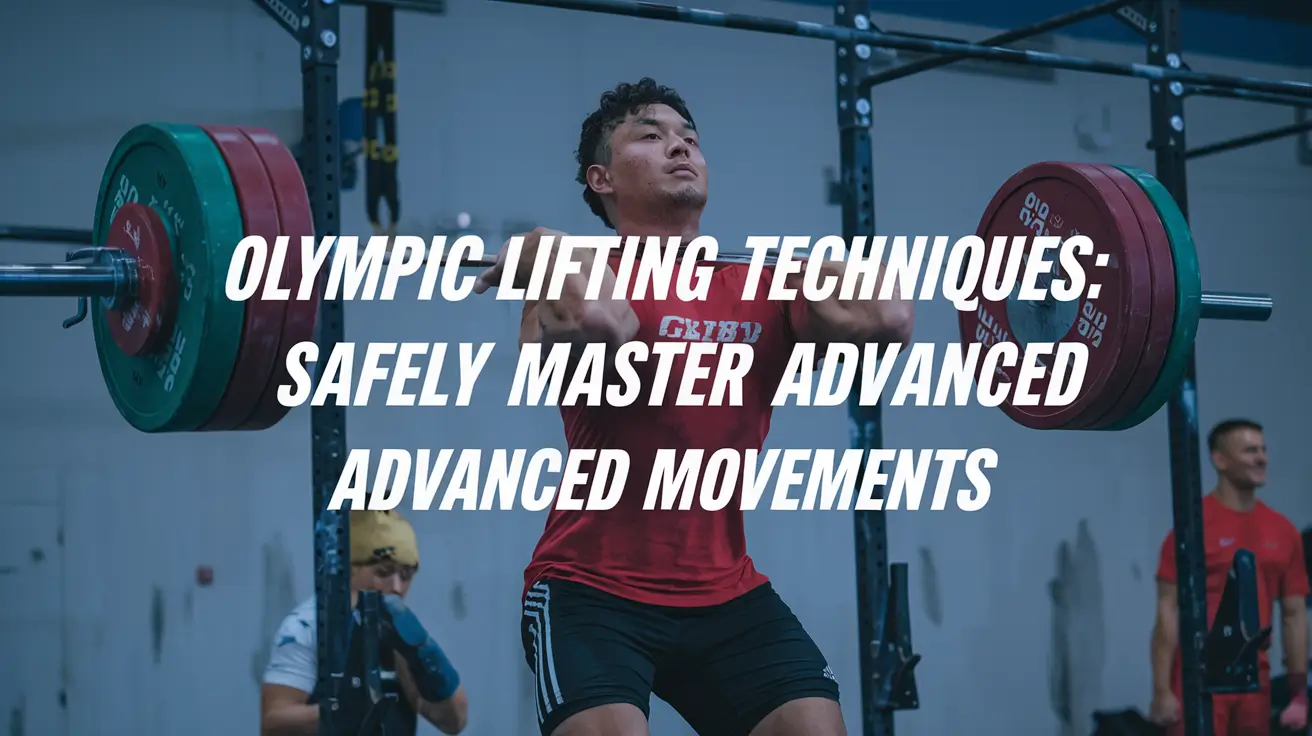
Olympic Lifting
View Guide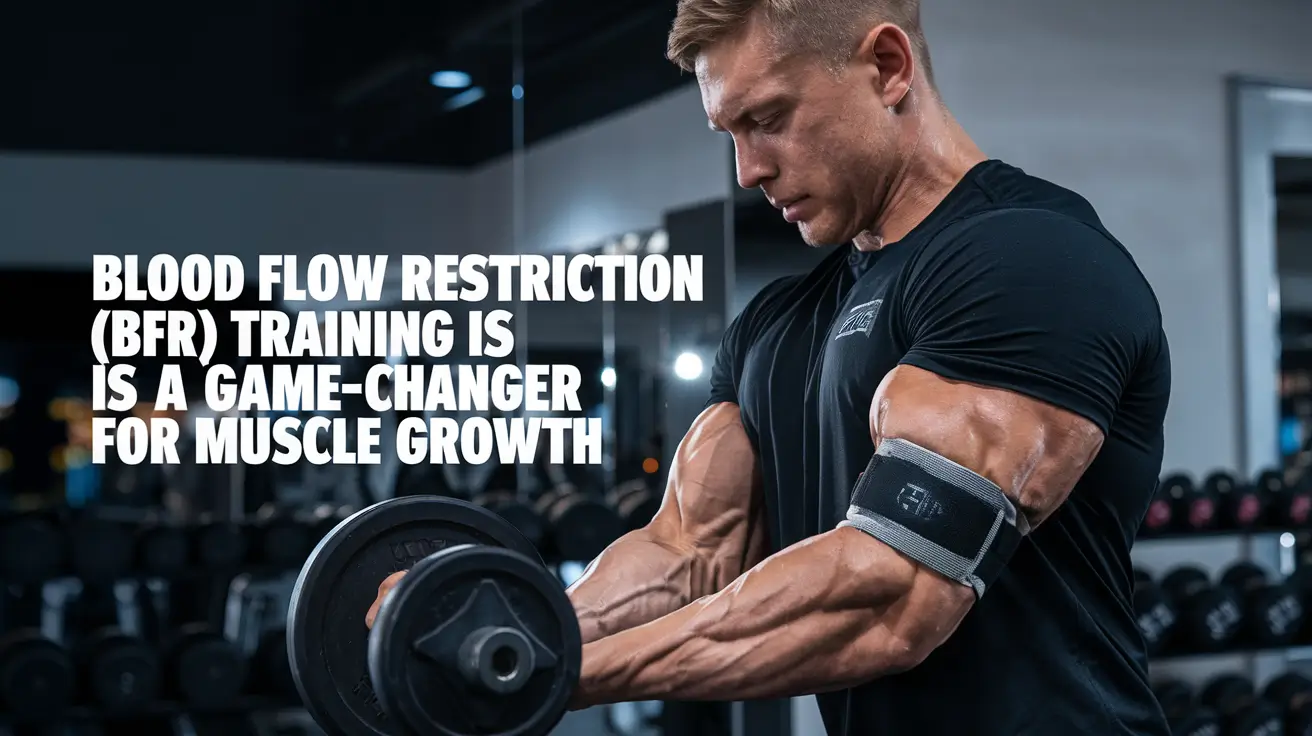
BFR Training Science
View Guide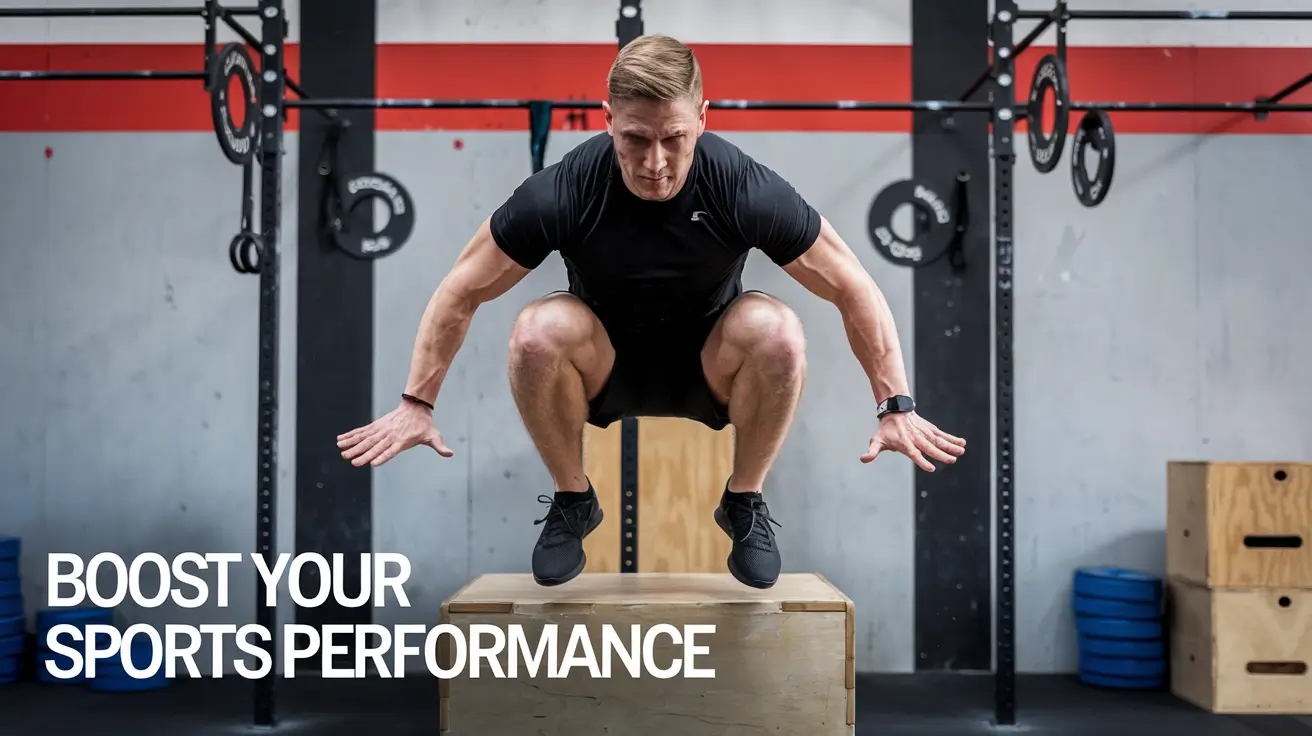
CrossFit for Athletes
View Guide
The SBD Athlete
View Guide
Pro BFR Training Bands
Target: Athletic Recovery and Non-Weight Bearing Hypertrophy
Blood Flow Restriction (BFR) is the ultimate biohack for recovery. These bands allow athletes to achieve hypertrophy stimulus with minimal mechanical stress, perfect for de-load phases or injury rehab.
Buy on Amazon